-
Call Now
1800-102-2727


What Is the Chemical Formula for Marble? Understanding Marble’s Composition and Properties

The chemical formula for marble is CaCO3, which stands for calcium carbonate. This essential component reveals the core of marble's composition, formed through the metamorphism of limestone. When limestone undergoes high pressure and temperature conditions, its calcium carbonate crystals recrystallize into marble, giving it unique aesthetic and physical properties. Understanding the formula CaCO3 helps in appreciating marble's role in architecture and art, and its similarities to other calcium carbonate-based materials like limestone and chalk.
What Is the Chemical Formula of Marble
| Topic | Description |
|---|---|
| What is the chemical formula of marble (Class 10)? | Marble’s chemical formula is CaCO3, which stands for calcium carbonate. |
| Marble chemical name and formula | The chemical name for marble is calcium carbonate, with the formula CaCO3. |
| What is the chemical formula for marble stone? | The formula for marble stone is CaCO3, representing calcium carbonate. |
| What is the chemical formula for quicklime? | The chemical formula for quicklime is CaO, known as calcium oxide. |
| Limestone chemical formula | Limestone’s chemical formula is also CaCO3, the same as marble. |
| The chemical name of sand | The chemical name for sand is silicon dioxide, with the formula SiO2. |
| Chalk formula | Chalk’s chemical formula is CaCO3, the same as marble and limestone. |
| The chemical formula of glucose is | The chemical formula for glucose is C6H12O6. |
What Is Marble?
Marble is a metamorphic rock that forms when limestone is subjected to high pressure and temperature conditions over geological time. This process, known as metamorphism, transforms the original limestone into a denser, more durable rock with distinct characteristics.
The Chemical Composition of Marble
The primary component of marble is calcium carbonate (CaCO3). When limestone, which is primarily made of calcium carbonate, undergoes metamorphism, it recrystallizes into marble. This process involves the original calcium carbonate crystals changing their structure, resulting in the formation of interlocking crystals of calcite or, less commonly, aragonite.
The Chemical Formula for Marble
Given that marble is essentially a metamorphosed form of limestone, its chemical formula can be represented as:
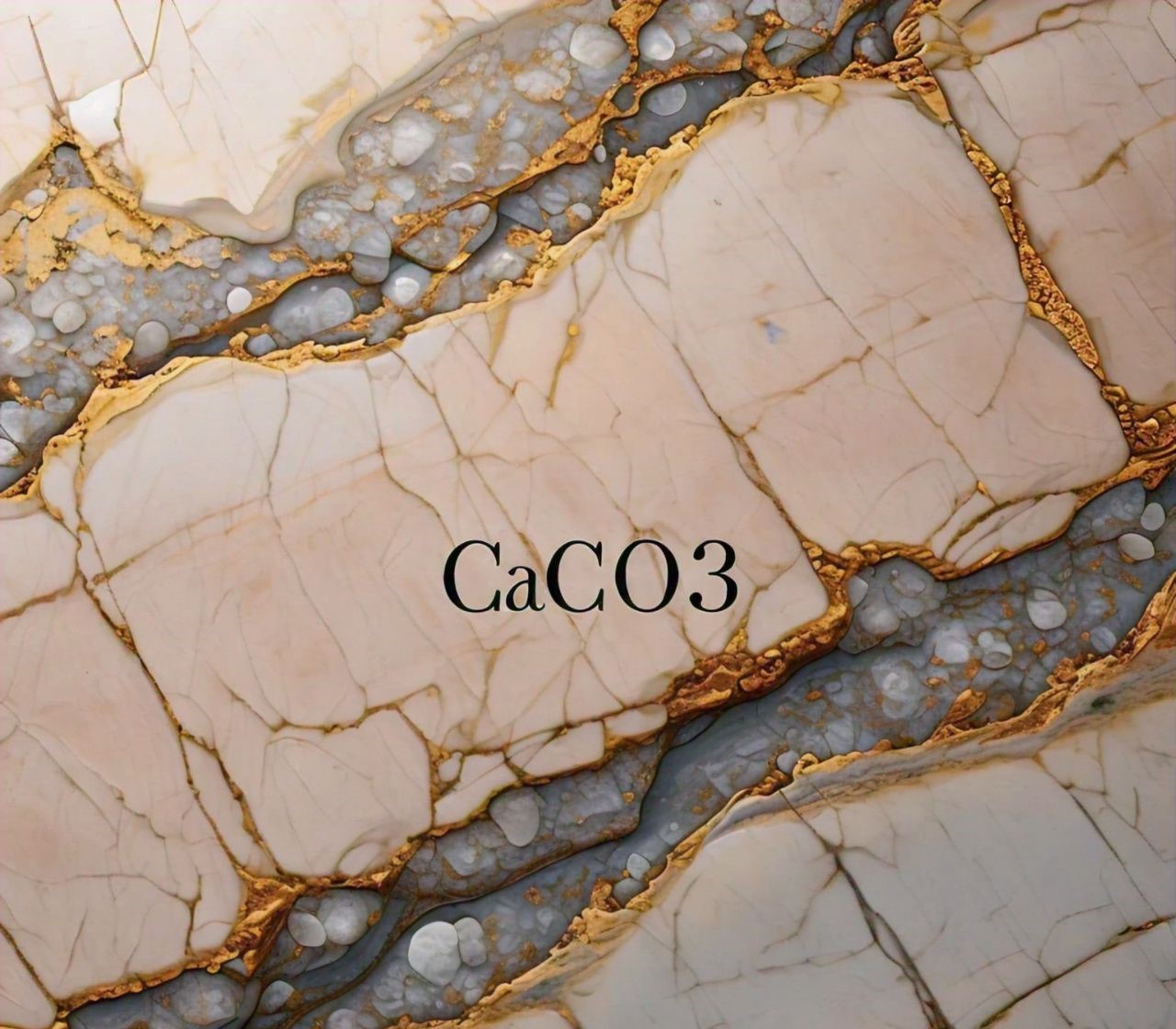
This formula denotes that marble is composed of calcium (Ca), carbon (C), and oxygen (O) atoms in a specific ratio. The transformation from limestone to marble does not change the fundamental chemical composition but alters the physical structure of the calcium carbonate.
How Marble Forms
To understand the chemical formula fully, it's helpful to grasp how marble forms:
-
Formation of Limestone: Marble starts as limestone, a sedimentary rock primarily composed of calcium carbonate. Limestone forms from the accumulation of marine organisms' shells, coral, and other calcium-rich materials.
-
Metamorphic Process: When limestone is buried under layers of sediment and subjected to high pressure and temperature, the calcium carbonate crystals in limestone recrystallize. This process is known as metamorphism, and it results in the formation of marble.
-
Recrystallization: During metamorphism, the original calcite crystals in the limestone grow larger and interlock with each other, forming a dense and durable rock known as marble. The recrystallization process can also lead to the formation of distinctive veining patterns and color variations in marble.
Key Characteristics of Marble
Marble is renowned for its:
-
Aesthetic Appeal: Marble is celebrated for its beauty, which is characterized by its smooth texture, varied color patterns, and unique veining.
-
Durability: Although softer than granite, marble is still quite durable and has been used in various high-profile buildings and monuments.
-
Workability: Marble is relatively easy to carve, making it a popular choice for sculptures and detailed architectural elements.
Common Uses of Marble
Marble has a wide range of uses, including:
-
Sculpture: Due to its workability and aesthetic qualities, marble has been used for sculptures since ancient times. Famous examples include Michelangelo's "David" and the Venus de Milo.
-
Architecture: Marble is used in buildings for flooring, countertops, and decorative elements. It is also a popular choice for monumental structures and public buildings.
-
Art and Decor: Marble is employed in various artistic and decorative applications, including mosaic floors and elegant interior design elements.
Frequently Asked Questions About Marble
Q1: What is the chemical formula for marble?
Answer. The chemical formula for marble is CaCO₃, which stands for calcium carbonate.
Q2: How does the chemical formula of marble relate to limestone?
Answer. Marble is essentially metamorphosed limestone, which also has the chemical formula CaCO₃. The main difference is that marble’s calcium carbonate crystals have recrystallized, making it denser and more durable.
Q3: Why is the chemical formula for marble important?
Answer. The chemical formula, CaCO₃, indicates that marble is composed of calcium carbonate. This helps in understanding its properties, uses, and how it interacts with other substances.
Q4: Is the chemical formula for marble the same as that for chalk?
Answer. Yes, the chemical formula for chalk is also CaCO₃, as both marble and chalk are composed of calcium carbonate. However, their physical properties and uses differ significantly.
Q5. What is the difference between marble and quicklime in terms of chemical composition?
Answer. Marble’s chemical formula is CaCO₃ (calcium carbonate), while quicklime’s formula is CaO (calcium oxide). Quicklime is produced by heating calcium carbonate to high temperatures, causing it to release carbon dioxide.
Q6. Does the chemical formula of marble affect its color and patterns?
Answer. While the basic chemical formula (CaCO₃) remains the same, the color and patterns in marble are influenced by the presence of impurities and minerals, such as iron oxides or clay.
Q7: How does the chemical formula for marble impact its durability?
Answer. The calcium carbonate crystals in marble make it relatively durable, but it is softer compared to granite and can be prone to scratching and staining.
Q8. Can the chemical formula for marble change over time?
Answer. The chemical formula (CaCO₃) itself does not change, but marble can undergo chemical changes when exposed to acids, which can cause it to react and potentially erode.
Q9. What are some common uses of marble based on its chemical formula?
Answer. Marble’s chemical composition makes it ideal for use in sculptures, flooring, countertops, and architectural details due to its beauty and workability.
Q10: How does marble's chemical formula compare to that of other rocks?
Answer. Marble’s chemical formula (CaCO₃) is specific to calcium carbonate-based rocks. In contrast, granite is composed mainly of silica-based minerals like quartz and feldspar, with a different chemical formula and structure.
Q11: How does marble's chemical formula affect its reaction to acids?
Answer. Marble’s chemical formula, CaCO₃, means it reacts with acids to produce carbon dioxide, water, and a salt. This reaction can cause marble to erode or discolor over time, especially if exposed to acidic substances like vinegar or lemon juice.
Q12: Is there a difference in the chemical formula of polished vs. unpolished marble?
Answer. No, the chemical formula for both polished and unpolished marble remains CaCO₃. The difference lies in their surface finish and appearance rather than their chemical composition.
Q13: How does the chemical formula for marble influence its use in construction?
Answer. Marble’s chemical formula (CaCO₃) makes it a versatile material for construction due to its durability and aesthetic appeal. Its ability to be polished to a high sheen is advantageous for decorative elements and high-end finishes.
Q14: Can marble's chemical composition vary by region or quarry?
Answer. While marble's chemical formula is generally consistent (CaCO₃), the presence of different impurities and minerals can vary by region or quarry. These variations affect marble's color, pattern, and overall appearance, but not the fundamental chemical formula.
Q15: What role does marble’s chemical formula play in its geological classification?
Answer. Marble’s chemical formula (CaCO₃) is central to its classification as a metamorphic rock. It forms from the metamorphism of limestone, and its composition helps geologists distinguish it from other rock types based on its mineral content and formation process.


 Call Now
 Let's Chat
 Share
Share