-
Call Now
1800-102-2727


Fermentation Process

Have you ever considered the production process behind some of your favourite meals and drinks? Perhaps, it is the ancient and organic process, Fermentation. Yoghurt, bread, cheese, and certain alcoholic beverages like wine and beer are all prepared from simple ingredients through the fermentation process.
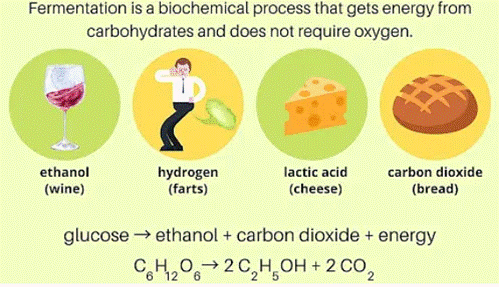
Image: Fermentation Process
Table of Contents:
What is Fermentation?
Carbohydrates like sugar or starch are transformed into an alcohol or an acid by an organism in the process of Fermentation. It is an aerobic metabolic mechanism used to produce certain products. For example, when yeast ferments, sugar is converted to alcohol, which provides energy to yeast. Fermentation involves the conversion of carbohydrates into lactic acid through bacteria.
The study of Fermentation is called Zymology. Aerobic dissociation of organic molecules, frequently known as Fermentation, is the most common method bacteria use to form adenosine triphosphate, i.e., ATP.
Since the Neolithic phase, humans have utilised Fermentation to produce food and beverages. For instance, Fermentation is utilised to preserve the lactic acid present in sour foods such as pickled cucumbers, kimchi, and yoghurt and produce alcoholic beverages like kefir, kombucha, ginger beer and wine. All species' digestive systems, including humans, engage in fermentation.
Process of Fermentation
The fermentation process involves three main stages, which are:
Glycolysis
The process of fermentation starts with glycolysis. Glucose (sugar) is broken down into two pyruvate molecules. This process takes place in the cytoplasm of cells and is oxygen-free. Adenosine triphosphate (ATP) and reduced nicotinamide adenine dinucleotide (NADH) are produced during glycolysis.
Pyruvate Decarboxylation
In certain types of fermentation, the pyruvate molecules generated during glycolysis undergo additional chemical processes after glycolysis. Pyruvate decarboxylation is one of these processes, in which each pyruvate loses a carbon dioxide (CO2) molecule and is transformed into an acetaldehyde molecule.
Ethanol (Alcohol) or Lactic Acid Production
The acetaldehyde created in the above step is converted in the final stage of fermentation. In alcoholic fermentation (for example, in yeast), NADH reduces acetaldehyde, creating ethanol (alcohol) and regenerating NAD+ enabling glycolysis to continue. However, in lactic acid fermentation (for example, in some bacteria and human muscle cells during heavy exercise), NADH reduces acetaldehyde to create lactic acid.
Types of Fermentation
Fermentation can either be homo or hetero. Homo fermentation involves the generation of only one type of product. On the other hand, hetero Fermentation involves the formation of multiple products in the fermentation process.
Mainly three distinct forms of Fermentation recognised based on the end product prepared. They are as follows:
a. Ethanol Fermentation
Glycolysis (C6H12O6) is the process through which yeasts convert pyruvate molecules present in sugars or starch into carbon dioxide molecules and alcohol. It is widely used for the production of wine and beer.

Image: Alcohol Fermentation
b. Acetic Acid Fermentation
Sugars and starch from fruits and grains ferment to produce sauces and sour vinegar. For example, wine vinegar, kombucha and apple cider vinegar.

The reaction involves acetobacter for converting ethanol and oxygen into acetic acid and water.
c. Lactic Acid Fermentation
Yeast strains and bacteria transform carbohydrates and sugars into lactic acid without involving heat. In these anaerobic chemical processes, pyruvic acid uses nicotinamide adenine dinucleotide and hydrogen, i.e., NADH, to produce lactic acid and NAD+. Human muscle cells also incorporate lactic acid fermentation. During heavy exercise or intense activities, muscles can utilise adenosine triphosphate, i.e., ATP, faster than oxygen can reach the muscle cells, resulting in lactic acid accumulation and causing muscle aches.
In this phase, glycolysis transforms a glucose molecule into two pyruvate molecules without needing oxygen to produce ATP. Lactic acid bacteria are crucial for generating and preserving inexpensive and nutritious meals for underprivileged individuals.
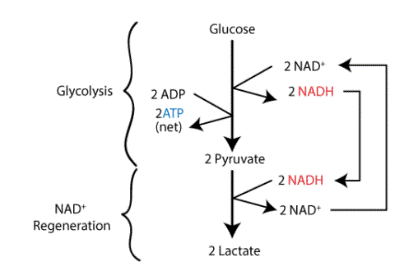
Image: Lactic Acid fermentation
Benefits of Fermentation
There are numerous advantages of the fermentation process. It includes the production of the following:
- Wine
- Beer
- Biofuels
- Pickles
- Bread
- Yoghurt
- Antibiotics
- Vitamins
- Sour foods
- Methane
Suitable microorganisms ferment these under specific conditions using distinct fermentation processes. Also, Fermentation can be utilised for the production of nutritious, flavoured and digestible foods involving benefits like the following:
- Possessing anti-cancer effect
- Decreases lactose intolerance
- Improves digestion
- Maintains intestinal bacteria
- Boosts immune system
Practice Problems
Q1. When only one product is formed in the fermentation process, it is called
a. Hetero fermentation
b. Homo fermentation
c. Solo fermentation
d. None of the above
Ans. b. Homo fermentation
Homo fermentation involves the formation of a single product during the fermentation process.
Q2. _______ is produced from NADH in lactic acid fermentation
a. ATP
b. NADPH
c. ADP
d. NAD+
Ans. d. NAD+
NADH is converted into NAD+ in lactic acid fermentation.
Q3. In lactic acid fermentation, glucose is converted into lactic acid using
a. Lactobacillus
b. Lactate dehydrogenase
c. Both a and b
d. Either a or b
Ans. c. Both a and b
In the presence of lactobacillus and lactate dehydrogenase, glucose is converted into lactic acid in the lactic acid fermentation process.
Frequently Asked Questions
Q1. State the reaction involved in butyric acid fermentation.
Answer:  . The reaction takes place in the presence of clostridium and butyricum.
Q2. How Methane is fermented?
Answer: The fermentation process in freshwater sediments and sewage treatment plants produces Methane.
Q3. Name the three phases of beer productions.
Answer: The specific terms for phases of beer brewing process are:
- primary fermentation
- secondary fermentation (optional)
- conditioning phase
The combination of these three phases are important to produce a wide range of beer types with varying carbonation levels, characteristics, and flavours.

 Call Now
 Let's Chat
 Share
Share