-
Call Now
1800-102-2727


Definition of Plants, Classification of Plants, Kingdom Plantae, Life Cycle of Plants, Economic Importance of Plants, Practice Problems and FAQs

How often do we think of retreating into the lap of nature to escape from the everyday chaos? Hiking in forest trails, camping in forests or staying in cosy tree houses amidst a forest of big tall trees are some of the trending vacation ideas that many people seem to enjoy for brief getaways. It is said that green colour soothes our eyes and the only thing that comes to our mind when we speak of greenery is plants, right? All around us we can see plants of different size, shape, age, colours, habitat etc. But did you know that plants are not just meant for beautifying our surroundings? They are very crucial for the sustenance of life on earth. Plants can prepare their own food by photosynthesis and the food stored in them is directly or indirectly the primary source of food for all living beings on earth. During photosynthesis they use up carbon dioxide and release oxygen to keep the balance of these gases in the atmosphere. Plants provide food and shelter for many other living organisms which is why we get to see a wide variety of animals inside a forest.
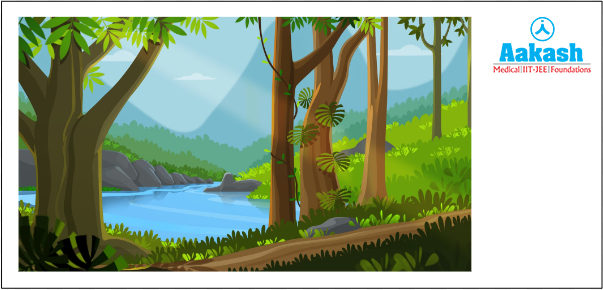
Fig: Forest
The type of plants varies according to the variation in the geography of a region. Even in India, we can see variations in the characteristics of trees or plants in the southern and northern part of the country. Each plant has developed its own adaptations according to its environment. Cacti which grow in a desert are entirely different from the mangroves which are growing in the marshy areas.
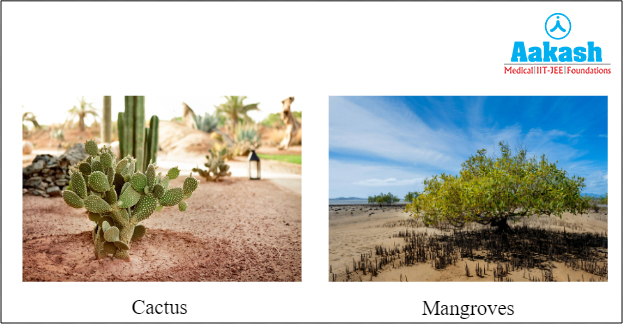
Fig: Cactus and mangroves
No matter what habitat a plant grows in, it is useful to the organisms living in its surroundings. Plants are thus of huge economic significance as they provide us with a variety of useful objects like food, furniture, fuel etc. But do you think all the plants that we see around us have had the same structure since plants evolved on Earth? Or have they gradually evolved from simpler to more complex forms? How many types of plants are there on planet Earth? How is one plant different from another? To know more about this we need to discuss the question, ‘what are plants?’. So let’s discuss more about plants in this article and will find out the answers to our questions.
Table of contents:
- What are plants?
- Classification of plants
- Plant kingdom
- Life cycle of plants
- Importance of plants
- Practice Problems
- FAQs
What are plants?
Plants are the multicellular, eukaryotic organisms with photosynthetic pigments. They are considered as the primary producers, since most plants have the ability to produce their own food through photosynthesis. They take in CO2 and H2O from their environment and the chlorophyll present in the plant cells trap the sunlight. With these raw materials plants make glucose which serves as food for the plant and can be oxidised within the cells to produce energy. Hence they are called autotrophs. The chemical energy stored in the food produced by plants is passed on to animals when they feed on plants or feed on other animals which eat plants.
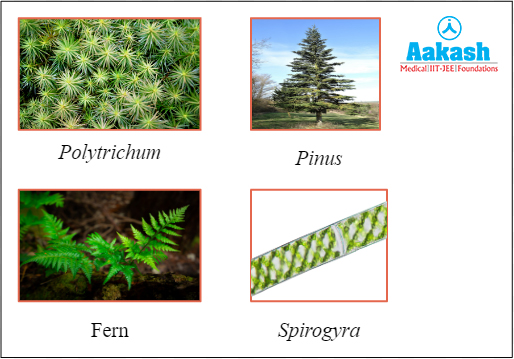
Fig: Different types of autotrophic plants
However, there are some plants which lack chlorophyll and show heterotrophic nutrition. Some may adopt parasitic nutrition by growing on host plants, for example; Cuscuta, Dodder etc. There are also some insectivorous plants that feed on insects. These plants generally grow in soil that lacks nitrogen. Examples of insectivorous plants are pitcher plant and venus fly trap.
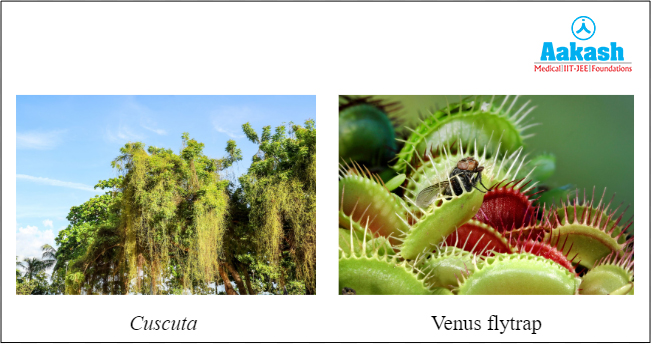
Fig: Plants with heterotrophic nutrition
Plants usually have unlimited growth in localised regions. They are stationary, because of the absence of locomotory organs and they are fixed in the soil by their roots. The plant cells are made up of cellulosic cell walls, which gives them rigidity. They have both haploid gametophyte (gamete producing) and diploid sporophyte (spore producing) generations in their life cycle.
Size of a plant ranges from a few millimetres to 90 metres. The smallest plant is the duckweed and the largest is the Sequoia. Approximately 390900 different species of plants have been identified and many are yet to be discovered.
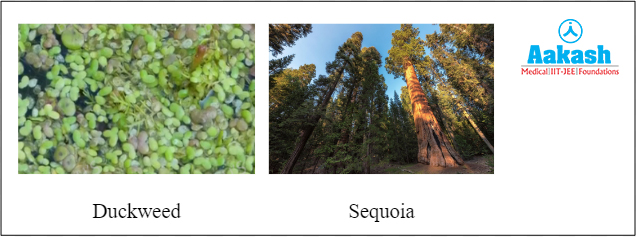
Fig: Smallest plant and largest plant
A wide variety of organisms are included in the plant kingdom and they share a range of different characteristics. The evolution of plants was from aquatic to terrestrial environments. Gradually they inhabited different terrestrial regions like tropical, arctic, desert and alpine biomes.
Classification of plants
Based on different basic characteristics, the plants were classified into many types by different scientists. Let’s check some of those.
Classification by Aristotle
It was Aristotle who first attempted the biological classification based on external features and it was called the artificial system of classification. He classified plants into three groups as follows:
- Herbs: plants with soft stems
- Trees: plants with woody stems
- Shrubs: plants with several woody stems
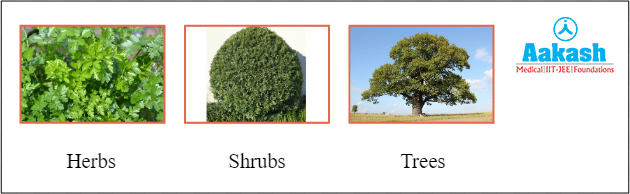
Fig: Herbs, shrubs and trees
But there were many demerits to Aristotle’s classification, since he did not consider evolutionary relationships and it was also not accurate.
Classification by Theophrastus
Another classification was by Theophrastus; Father of ancient plant taxonomy. He used an artificial system of classification to classify plants. He classified plants into the following categories based on their life span:
- Annuals - live for one growing season
- Biennials - live for two growing seasons
- Perennials - live for more than two growing seasons
He also classified plants on the basis of their habitat, form, and texture into :
- Trees
- Shrubs
- Under shrubs
- Herbs
Classification by George Bentham and Joseph Dalton Hooker
They used a natural system of classification to classify plants based on the ultrastructure of the cell, anatomy of plants, embryology and phytochemistry (analysis of chemicals within plants).

Fig: George Bentham and Joseph Dalton Hooker
They divided the seed plants into two subkingdoms as follows:
- Cryptogamia
- Phanerogamia
Phanerogamia was further divided into two divisions as follows:
- Gymnospermae
- Angiospermae
Angiospermae was again divided into two classes as follows:
- Dicotyledons
- Monocotyledons
The Dicotyledons were divided into three subclasses Gamopetalae, Polypetalae, and Monochlamydeae. But according to their classification system, Gymnospermae was placed between Dicotyledons and Monocotyledons.
Classification by Adolf Engler and Karl Prantl
They classified the flowering plants on the basis of complexity in floral morphology. They used a phylogenetic system of classification based on the evolutionary relationship between organisms. According to their classification, gymnosperms are placed before angiosperms as they are considered primitive to angiosperms. Closely related families were treated as natural clusters.
Descriptions of each family including details of morphological, anatomical, embryological characters and geographical distributions were given.
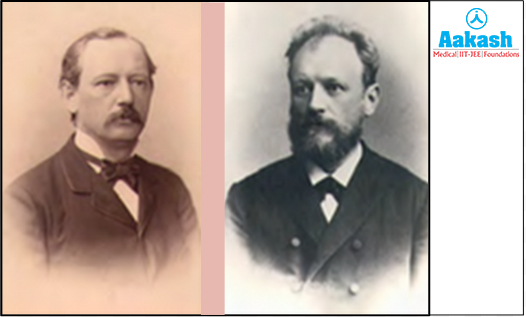
Fig: Adolf Engler and Karl Prantl
Classification by Carolus Linneaus
He proposed the two kingdom classification which described separate kingdoms for plants and animals. ‘Systema naturae’ and ‘Species plantarum’ are two books written by Carl Linneaus which have descriptions of plants. Around 4000 plant species were described in the book ‘Species plantarum’ along with the scientific names of plants.

Fig. Carolus Linnaeus
Classification by R.H. Whittaker
After the ideas of three kingdom classification by Ernst Haekel and four kingdom classification by Herbert Copeland, Robert H. Wittaker proposed a five kingdom classification system to place all organisms properly in 1969. Five kingdom classification includes the following kingdoms:
- Monera
- Protists
- Fungi
- Plantae
- Animalia
Plant kingdom
Even though many taxonomists have proposed different types of systems of classification of plants, the most acceptable system of classification was done by Eichler in 1883. He divided the plants into two subkingdoms as follows:
- Cryptogamae
- Phanerogamae
Cryptogamae was further divided into the following three divisions:
- Thallophyta
- Bryophyta
- Pteridophyta
The Phanerogams, also known as spermatophytes, are classified into two subdivisions such as:
- Gymnospermae
- Angiospermae
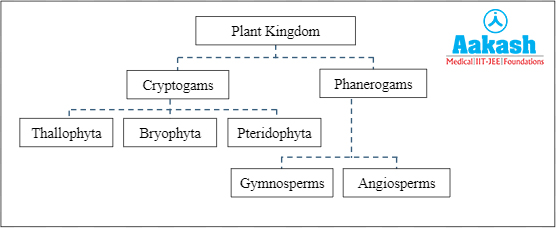
Fig: Classification of plant kingdom
Cryptogamae
The word cryptos means hidden and gamae means to marry. So Cryptogamae means hidden reproduction, because these plants have hidden or under-developed reproductive organs. They represent the non-seed bearing plants. All the non-flowering plants are included in this sub-kingdom. Now we will discuss the three divisions of subkingdom Cryptogamae.
Thallophyta
The simple plants with a thallus body which is not differentiated into roots, stems and leaves are included under Thallophyta. They have reproductive organs that are single celled and non-jacketed called gametangia. Lichens, which are the symbiotic association of algae and fungus, were also included in the division Thallophyta along with algae and fungi. But recent classification systems have removed fungi from Thallophyta and added them to a separate kingdom. Whereas lichens, being symbiotic associations of algae and fungi, are not placed under any specific kingdom.

Fig: Thallophyta in older classification
Algae
The photosynthetic, non vascular and aquatic thalloid body is included under sub-division algae. They can be either marine or freshwater. Their form ranges from microscopic, colonial, aggregates of cells, fine filaments to sheets. They have three classes as follows:
- Chlorophyceae or green algae; Eg: Chlamydomonas, Chlorella, Volvox etc.
- Phaeophyceae or brown algae; Eg: Ectocarpus, Fucus, Sargassum etc.
- Rhodophyceae or red algae; Eg: Batrachospermum, Gelidium, Porphyra etc.
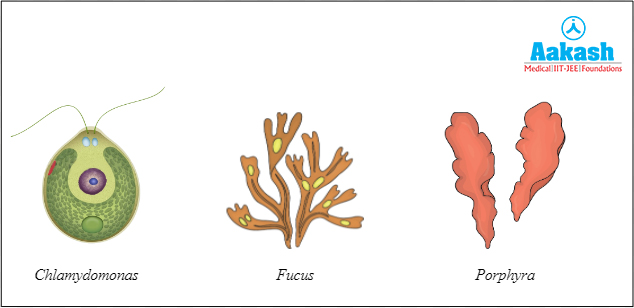
Fig: Examples of different algae
Bryophyta
The land plants which lack vascular tissues (xylem and phloem) and possess an undifferentiated plant body are included under bryophyta. Sex organs are multicellular and jacketed. They are called the amphibians of the plant kingdom, because they need water for their reproduction. In bryophytes the plant body represents the haploid gametophyte generation and the diploid sporophyte depends on the gametophyte for survival and grows on it. They are further divided into three classes as follows:
- Hepaticae
- Anthocerotae
- Musci
Hepaticae
The dorsoventrally flattened lobed plant bodies with unicellular rhizoids (root-like structure) are included in class Hepaticae. They are commonly called liverworts. They have specialised structures called gemmae which help in the reproduction. Examples are Riccia, Marchantia, Porella etc.
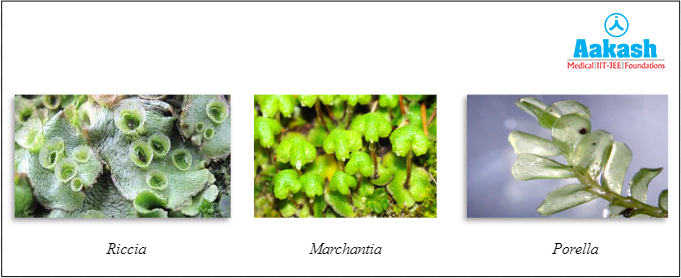
Fig: Hepaticae
Anthocerotae
They are also dorsoventrally flattened lobed plant bodies with unicellular rhizoids, but they have a cylindrical and horn-like sporophyte. These are commonly called hornworts. An example is Anthoceros.
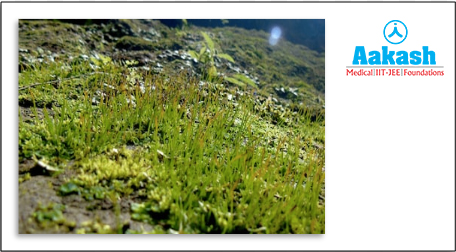
Fig: Anthoceros
Musci
The erect and radially symmetrical leafy plant body with multicellular branched rhizoids is included in the class Musci. They have a juvenile thallus stage called protonema from which the haploid gametophytic plant body is produced. They are commonly called mosses. An example is Funaria.
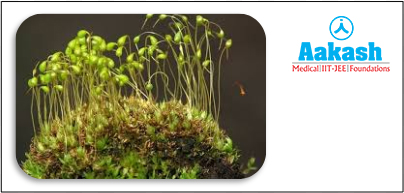
Fig: Funaria
Pteridophyta
They are the seedless, vascular cryptogams that possess vascular tissues. The plant body is differentiated into true stem, leaves and roots. In this, the main plant body is the diploid sporophyte and the haploid gametophyte is a free-living, multicellular, thalloid structure known as prothallus. It includes four classes as follows:
- Psilopsida
- Lycopsida
- Sphenopsida
- Pteropsida
Psilopsida
They are the simplest and oldest vascular plants with rhizoids in place of roots. They are composed of minute or scale-like leaves. Most plants in this class are known only as fossils. Examples are Rhynia (Fossil), Psilotum etc.
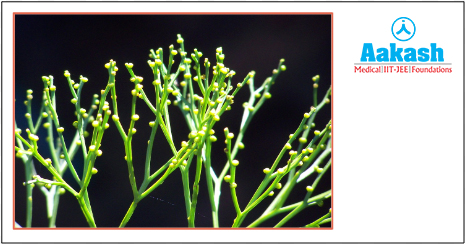
Fig: Psilotum
Lycopsida
The primitive vascular plants with differentiated root, leaf and stem are included under the class Lycopsida. They have a dichotomous branching. Examples are Lycopodium. Selaginella etc.
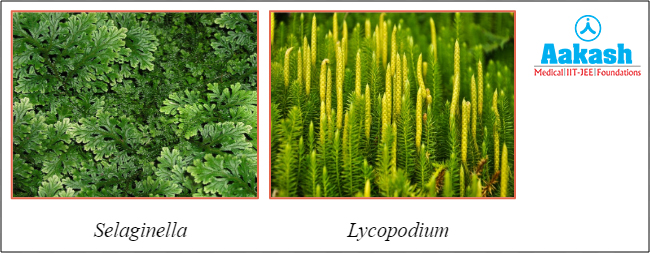
Fig: Plants of class Lycopsida
Sphenopsida
The plants with jointed stems and whorls of branches along with scale-like leaves are included in class Sphenopsida. They are commonly called horsetail, since the spore producing bodies at the end of the branch resemble the horse tail. An example is Equisetum.
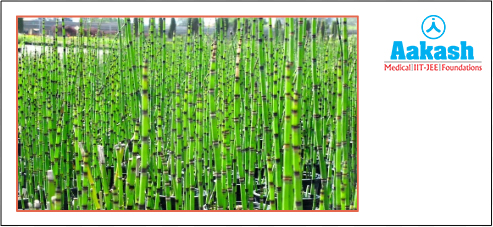
Fig: Equisetum
Pteropsida
The pteridophytes with an underground stem called rhizome, adventitious roots and aerial leaves are included under the class Pteropsida. They are commonly called ferns. Examples are Pteris, Salvinia, Cyathea, Adiantum etc.
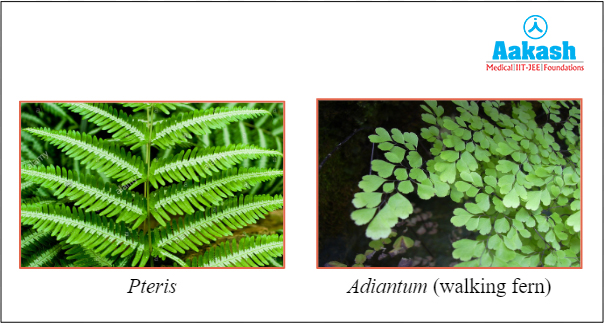
Fig: Pteropsida
Phanerogamae
The higher plants bearing seeds are included in Phanerogamae. The word Phanero means visible and gamos means marriage. So in this sub kingdom, the plants have well-developed and conspicuous reproductive organs. The plant body is differentiated into stems, roots and leaves. They possess a well developed vascular system. Phanerogamae includes the two divisions; Gymnosperms and Angiosperms.
Gymnosperms
The term Gymnos means naked and sperma means seeds, hence the plants of this division are naked seeded plants. They are seeded plants without flowers and fruits. They represent about 900 living species. They are mostly dominant in colder regions. All the gymnosperms are perennial and they grow as woody trees or bushy shrubs. There are three classes as follows:
- Cycadopsida: Gymnosperms with palm like habit and fern like foliage. Eg: Cycas
- Coniferopsida: Cone bearing Gymnosperms with conical canopy. Eg: Pinus
- Gnetopsida: Gymnosperms including climbing shrubs and small trees. Eg: Gnetum
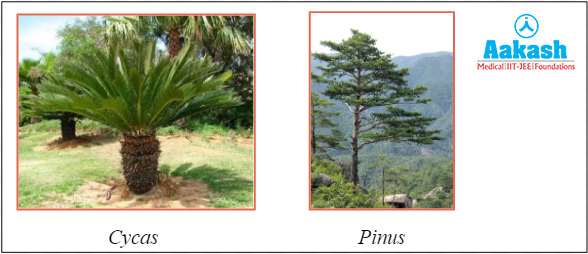
Fig: Gymnosperms
Angiosperms
They are the flowering plants and the seeds are formed inside the fruit. This is one of the important plant groups which is the major food source of many animals including humans. They can be observed in almost every habitat. They can be divided into two subgroups depending upon the number of cotyledons present in the seeds produced by them. They are as follows:
- Monocotyledons: Plants with seeds having only one cotyledon, fibrous roots and parallel venation. Eg: Bamboo, palms, coconut, rice, corn, banana, sugarcane etc.
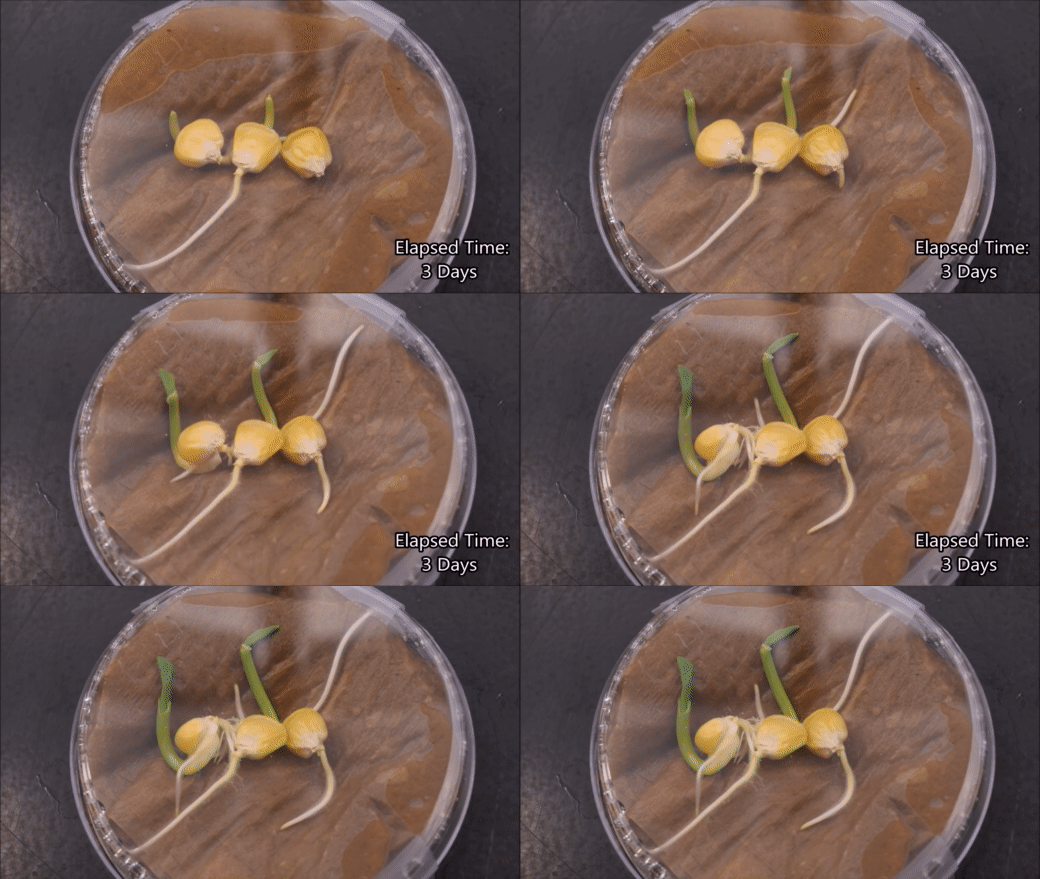
GIF: Monocotyledon
- Dicotyledons: Plants with seeds having two cotyledons, tap roots and reticulate venation. Eg: Mango, tomato, rose, teak, sunflower, mustard etc.
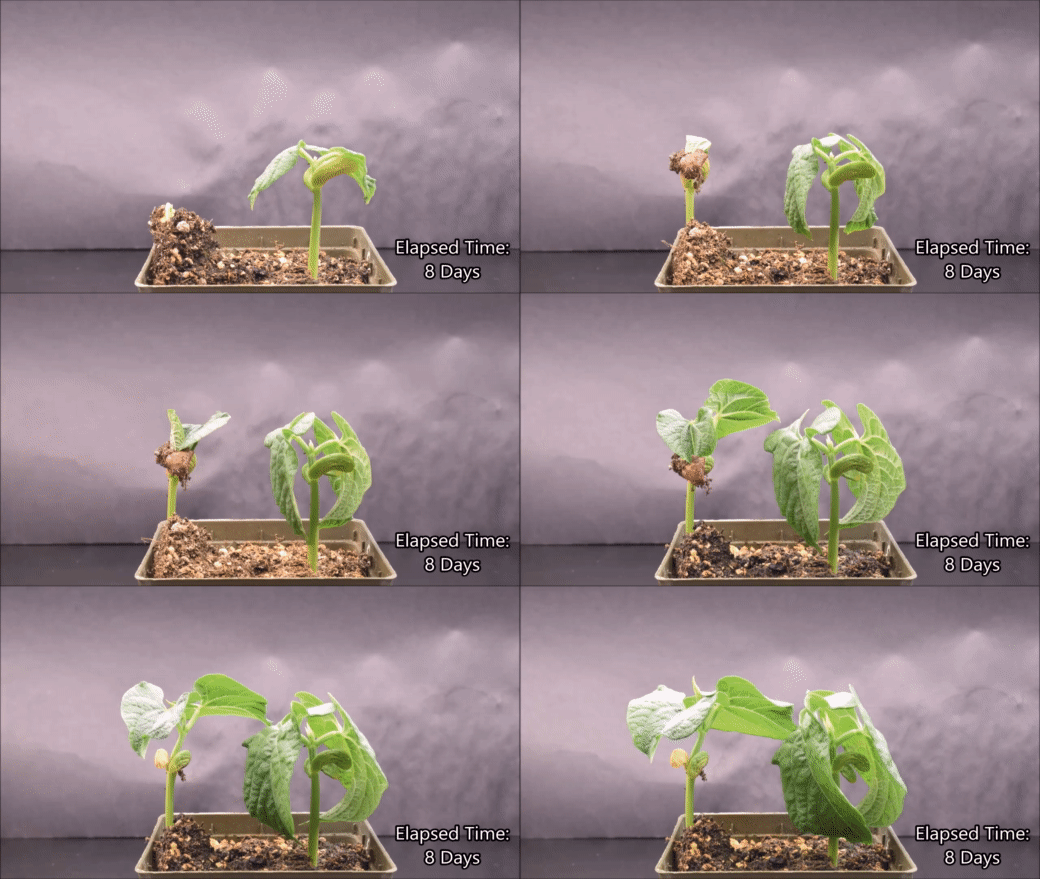
GIF: Dicotyledon
Life cycle of plants
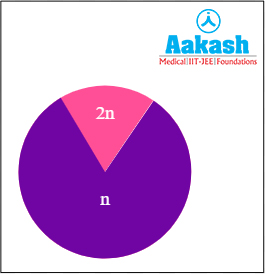
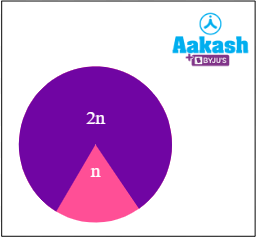
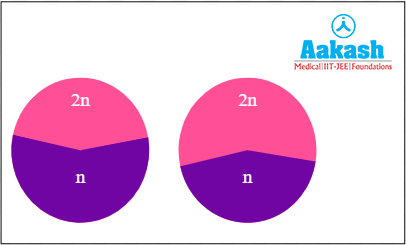
The life cycle of plants shows both haploid and diploid phases. The haploid phase is represented by the gametophyte plant body which produces haploid gametes by mitotic division. The fertilisation of these gametes leads to the formation of a zygote. The zygote divides mitotically and multiples and differentiates to form a diploid sporophytic plant body. The sporophytic plant body bears diploid spore mother cells in chambers known as the sporangium. These spore mother cells undergo meiotic division to form haploid spores which can again develop into the haploid gametophyte. The gametophyte and sporophyte may have independent existence or may be dependent on the other. So there is an alternation of generation between the gamete-producing haploid gametophyte and spore-producing diploid sporophyte. The gametophyte and sporophyte may exist independently or may be dependent on the other.
Different plant groups have different kinds of alternation of generation. There are different patterns of life cycle like haplontic life cycle, diplontic life cycle and haplo-diplontic life cycle depending on the length and dominance of the sporophyte and gametophyte generations.
|
Life Cycle |
Haploid : Diploid |
|
Haplontic (Haploid Gametophyte stage is predominant) |
Fig: Haplontic life cycle |
|
Diplontic (The Diploid Sporophytic phase is dominant) |
Fig: Diplontic life cycle |
|
Haplodiplontic (Either haploid gametophyte or diploid sporophyte is very slightly predominant) |
Fig: Haplodiplontic life cycle |
Importance of plants
Plants have significant contributions to the ecosystem some of which have been listed here -
- Plants are the primary oxygen producers. They are the only species which has the ability to take in carbon dioxide and use it for photosynthesis to release oxygen.
- Plants are the primary food producers. They are the basic and main component of a food chain.
- Plants are the only organisms which can produce glucose with the help of sunlight and carbon dioxide.
- Plants are the major energy resource for most of the organisms on the planet Earth.
- Plant parts have many medicinal value. Different parts of the plants are capable of synthesising different pharmaceutical drugs. Ayurveda is one branch which uses the medicinal importance of plants.
- Secondary metabolites obtained from the plants are important in the synthesis of many flavourings and medicines.
- Plants are used for ornamental purposes.
- Paper is produced from the wood pulp.
- Wood is used for the construction of houses and making furniture.
Practice Problems
Q1. Which of the following statements are true about plants?
I) Plants are the multicellular, eukaryotic organisms with photosynthetic pigments.
II) Plants have the ability to produce their own food through photosynthesis.
III) Plants are stationary, because of the absence of locomotory organs.
IV) They have only diploid generation in their life cycle.
V) The evolution of plants was from terrestrial to aquatic environments
- I, II, III, IV, V
- I, II, III
- III, IV, V
- I, II, V
Solution: Plants are the multicellular, eukaryotic organisms with photosynthetic pigments. They are considered as the primary producers, since they have the ability to produce their own food through photosynthesis. They take in CO2 and H2O from their environment and the chlorophyll present in the plant cells trap the sunlight to use the energy for the synthesis of glucose and oxygen from CO2 and H2O. Plants usually have unlimited growth in localised regions. They are stationary, because of the absence of locomotory organs and they are fixed in the soil by their roots. They have alternating haploid gametophyte and diploid sporophyte generations in their life cycle. Plants evolved gradually from aquatic to terrestrial environments. Hence the correct option is b.
Q2. Assertion: All the non-flowering plants are included in the subkingdom Cryptogamae. Reason: All the flowering plants are included in the subkingdom Phanerogamae.
Which of the following statements are correct regarding the assertion and reason given above?
- Both assertion and reason are true and reason is the correct explanation of assertion.
- Both assertion and reason are true but reason is not the correct explanation of assertion.
- Assertion is true but the reason is false.
- Both assertion and reason are false.
Solution: The word cryptos means hidden and gamae means to marry. So Cryptogamae means hidden reproduction, because they have hidden or under-developed reproductive organs. They represent the non-seed bearing plants. All the non-flowering plants are included in this sub-kingdom. Now we will discuss the three divisions of subkingdom Cryptogamae. The higher plants bearing seeds are included in Phanerogamae. The word Phanero means visible and gamos means marriage. So in this sub kingdom, the plants have well-developed and conspicuous reproductive organs. The plant body is differentiated into stems, roots and leaves. They possess a well developed vascular system. The division Angiospermae under Phanerogamae includes all flowering plants which bear seeds enclosed within fruits. Here the assertion and reason are correct but the reason is not the correct explanation of the assertion. Hence the correct option is b.
Q3. Match the following plant groups with their examples.
|
Plant groups |
Examples |
|
i) Equisetum |
|
ii) Chlorella |
|
iii) Funaria |
|
iv) Porella |
- A - ii, B - iv, C- iii, D - i
- A - i, B - ii, C- iii, D - iv
- A - ii, B - i, C- iii, D - iv
- A - iv, B - ii, C- i, D - iii
Solution: The photosynthetic plants with non vascular and aquatic thalloid bodies are included under sub-division algae. They can be either marine or freshwater. Their form ranges from microscopic, colonial, aggregates of cells, fine filaments to sheets. Chlorophyceae is one of the algal classes and the examples are Chlamydomonas, Chlorella, Volvox etc.
The dorsoventrally flattened lobed plant bodies with unicellular rhizoids (root-like structure) are included in class Hepaticae of division Bryophyta. They are commonly called liverworts. They have specialised structures called gemmae which help in the reproduction. Examples are Riccia, Marchantia, Porella etc.
The erect and radially symmetrical leafy plant body with multicellular branched rhizoids is included in the class Musci of division Bryophyta. They have a juvenile thallus stage called protonema from which the dominant gametophyte plant body is produced. They are commonly called mosses. An example is Funaria.
The pteridophyte plants with jointed stems and whorls of branches along with scale-like leaves are included in class sphenopsida. They are commonly called horsetail, since the spore producing bodies at the end of the branch resemble the horse tail. An example is Equisetum. Hence the correct option is a.
Q4. Which is the highly advanced group of plants?
Answer: The most highly advanced group of plants are Angiosperms. They are the flowering plants and the seeds are formed inside the fruit. This is one of the important plant groups which is the major food source of many animals including humans. They can be observed in almost every habitat. They can be divided into two subgroups depending upon the number of cotyledons present in them. They are monocotyledonous and dicotyledonous angiosperms.
FAQs
Q1. What were the major contributions of Theophrastus in the classification of plants?
Answer: Theophrastus is the father of plant taxonomy. The major contributions of Theophrastus are as follows:
- He elucidated the fundamental differences between dicotyledons and monocotyledons.
- The difference between centripetal or racemose and centrifugal or cymose type of inflorescence were explained by him.
- He proposed the difference between polypetalous and gamopetalous corolla.
- He identified the difference between inferior and superior ovaries.
Q2. How do aquatic plants perform photosynthesis?
Answer: CO2 is essential for the photosynthesis to take place. Hence aquatic plants take CO2 from air or water depending upon their position in the aquatic environment. Plants with floating leaves like lotus and water lilies can take direct sunlight and carbon dioxide from the atmosphere. But the submerged plants take dissolved CO2 from the water and the diffused sunlight that passes through the water. Submerged plants use the little sunlight they get, hence the rate of photosynthesis is less.
Q3. Which is the most abundant photosynthetic organism on earth?
Answer: Prochlorococcus is a type of phytoplankton which can release countless tons of oxygen into the atmosphere. This plant is so small that millions of it can fit in a drop of water. It has the ability to perform photosynthesis in a great amount, hence it is the most abundant photosynthetic organism on the Earth. .
Q4. Which is the first terrestrial vascular plant?
Answer: It is found that the plant species belonging to genus Cooksonia are regarded as the first terrestrial vascular plants. The Cooksonia plant fossils that were found are 425 million years old. It existed during the Silurian period.
YOUTUBE VIDEOS:

 Call Now
 Let's Chat
 Share
Share