-
Call Now
1800-102-2727


Diversity in The Living World: Taxonomy, Nomenclature and Systematics


While taking a walk with nature, you must have observed different varieties of flora and fauna around you. Apparently, earth is home to millions of species of flora and fauna of which around 1.7-1.8 million species have been discovered till now of which 1.25 million species are animals and 0.55 million species are plants.
And still, there are species yet to be discovered and to be added to this count. Around 15,000 new organisms are discovered every year. This vast variety of flora and fauna on earth is defined as Biodiversity.
Ever wondered how we keep a track of existing species and identify new ones? Let’s understand this in this article.
List of Contents:
Taxonomy
With the vast biodiversity at hand, it is practically impossible that we individually learn about each and every organism that exists or is newly discovered. A practical approach would be to group the identified organisms into some convenient categories based on similarities and differences in their observable characteristics. In the living world, the categories for grouping organisms are termed as taxa (singular. taxon) and the branch of science concerned with grouping or organising organisms into individual taxa is known as Taxonomy.

The steps of modern taxonomy are: Characterisation and identification, classification and nomenclature
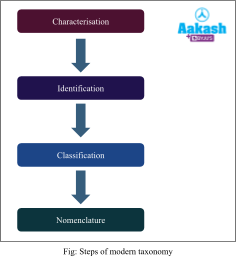
Characterisation and Identification
This step includes studying the characteristics of an organism and identifying it by comparing it to other known organisms.
Classification
The next step involves grouping or classifying identified organisms into convenient categories or taxa. This process is known as taxonomic classification. In ancient times, classification was done based on the use an organism was put to. The basis of taxonomic classification in the modern times are - External structure, internal structure, developmental process, structure of cell and ecological information of organisms.
Nomenclature
Nomenclature is the process of naming an organism. A particular organism is given two types of names: Common or vernacular names and scientific names.
Common or Vernacular name
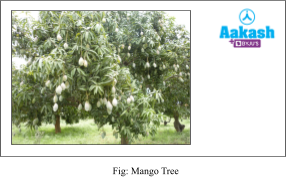
Different species discovered till now have been given common names by the localities of a particular region in their respective languages. For example: Common names of Mango tree in different languages are: Mavina mara in Kannada, Maanga maram in Tamil and Aam ka ped in hindi.
Pros
Common names are short, single word names that are easy to pronounce and easy to remember as well.
Cons
Common names can change from region to region which can create confusion. The same common name is sometimes used for two or more related animals or plants. Common names may have different meanings in different countries. They can be misleading, e.g., jellyfish is not a fish. Correcting the wrong common name can be tedious or impossible.
Scientific nomenclature
Scientific name is a unique and standard name given to a particular species which is universally accepted. It ensures that there is one unique name for each and every organism discovered and characteristics of a particular organism should help people all over the world to arrive at its unique scientific name.
Types of Scientific Nomenclature
Monomial Nomenclature
In monomial nomenclature, a single word is used to name the organism. It gets difficult to give a unique word to an organism as new organisms are being discovered every day. Hence, this system was not successful.
Trinomial Nomenclature
According to this system, a scientific name has three parts in the following order - genus, species and subspecies. For example: Scientific name of Indian crow is Corvus splendens splendens where: Corvus: Name of genus; splendens: Name of species; splendens: Name of subspecies. Cons of this nomenclature system is lack of justification of the name of subspecies.
Polynomial Nomenclature
This system involves naming a particular organism using a series of descriptive words. It was used by scholars before 1750. For example: Caryophyllum was named as Caryophyllum saxatilis folis gramineus umbellatus corymbia meaning- Caryophyllum growing on rocks having grass like leaves and umbellate corymb arrangement of flowers. Disadvantages of this nomenclature system is that the polynomials were not standardised and were difficult to memorise.
Binomial Nomenclature
It is the most widely accepted system of nomenclature given by Carolus Linnaeus. According to this system, two terms are used to name any organism which are: Generic name and specific epithet. For example: Scientific name of potato: Solanum tuberosum where Solanum is name of genus and tuberosum is name of species. Names are usually in Latin language irrespective of their origin. These are either derived from Latin or Latinised. First letter of name of genus should be capitalised while the first letter of specific epithet is in small case. Names are printed in italics. If handwritten, the genus name and specific epithet should be underlined separately. Author’s name is written after the specific epithet in an abbreviated form. Scientific names in which the name of genus and species are the same, are known as tautonyms.
Various Rulebooks for Scientific Nomenclature
Scientific names assigned to any organism are based on certain principles, criteria and codes decided and set by a group of scientists. These rulebooks include -
|
Organism |
Rulebook for nomenclature |
|
Plants |
International Code for Botanical Nomenclature (ICBN) |
|
Virus |
International Code of Viral Nomenclature (ICVN) |
|
Animals |
International Code of Zoological Nomenclature (ICZN) |
|
Cultigens |
International Code of Nomenclature for Cultivated Plants (ICNCP) |
|
Bacteria |
International Code of Bacteriological Nomenclature (IC Bac N) |
Systematics
Systematics is the study of the diversity amongst organisms and their evolutionary and comparative relationships. The word systematics is derived from the Latin word ‘Systema’ which means order or sequence. Carolus Linnaeus, also known as the father of taxonomy, coined the term ‘Systematics’.

Linnaeus used the term ‘Systema Naturae’ as the title of one of his publications.

Earlier, systematics was restricted to the study of evolutionary relationships between different organisms but later it was expanded to include identification, nomenclature and classification.
Practice Problems of Diversity in the Living World
Question 1. Which of the following options correctly mentions the steps of modern taxonomy in correct order?
a. Characterisation, identification, classification and nomenclature.
b. Nomenclature, classification, identification and characterisation.
c. Identification, nomenclature, classification and characterisation.
d. Classification, characterisation, identification and nomenclature
Solution: The steps of modern taxonomy are:
1. Characterisation - Studying the characteristics of an organism.
2. Identification - Identifying it by comparing it to other known organisms.
3. Classification - Grouping or classifying identified organisms into convenient categories or taxa.
4. Nomenclature - Naming the organism.
Hence, the correct answer is a.
Question 2. Which of the following is true?
a. “Darwin” is called the father of taxonomy.
b. In binomial nomenclature, the generic name is written in italics and specific epithet is written in bold.
c. If scientific names are handwritten, the genus name and specific epithet should be underlined separately.
d. Trinomial nomenclature is the most widely used accepted nomenclature system.
Solution: Binomial nomenclature is the most widely accepted system of nomenclature given by Carolus Linnaeus. According to this system, two terms are used to name any organism which are: Generic name and specific epithet. First letter of name of genus should be capitalised while the first letter of specific epithet is in small case. Names are printed in italics. If handwritten, the genus name and specific epithet should be underlined separately.
Hence, the correct answer is c.
Question 3. What are the different steps of modern taxonomy?
Answer: The steps of modern taxonomy are: Characterisation and identification, classification and nomenclature.
- Characterisation and identification: This step includes studying the characteristics of an organism and identifying it by comparing it to other known organisms.
- Classification: The next step involves grouping or classifying identified organisms into convenient categories or taxa. This process is known as taxonomic classification. In ancient times, classification was done based on the use an organism was put to. The basis of taxonomic classification in the modern times are - External structure, internal structure, developmental process, structure of cell and ecological information of organisms.
- Nomenclature: Nomenclature is the process of naming an organism. A particular organism is given two types of names: Common or vernacular names and scientific names.
Frequently Asked Questions of Diversity in the Living World
Question 1. What is systematics?
Answer: Systematics is the study of the diversity amongst organisms and their evolutionary and comparative relationships. The word systematics is derived from the Latin word ‘Systema’ which means order or sequence. Carolus Linnaeus, also known as the father of taxonomy, coined the term ‘Systematics’.
Question 2. What is taxonomy?
Answer: The branch of science concerned with grouping or organising organisms into individual taxa is known as taxonomy.
Question 3. What are different systems of scientific nomenclature?
Answer: Scientific name is a unique and standard name given to a particular species which is universally accepted. There are different systems of scientific nomenclature:
- Monomial Nomenclature
- Trinomial Nomenclature
- Polynomial Nomenclature
- Binomial Nomenclature
Question 4. What are the pros and cons of a common name?
Answer: Pros of common names are that these are short, single word names that are easy to pronounce and easy to remember as well.
There are various cons of common names. Common names can change from region to region which can create confusion. The same common name is sometimes used for two or more related animals or plants. Common names may have different meanings in different countries. They can be misleading, e.g., jellyfish is not a fish. Correcting the wrong common name can be tedious or impossible.
Question 5. What is binomial nomenclature? Quote an example of binomial nomenclature.
Answer: Binomial nomenclature is the most widely accepted system of nomenclature given by Carolus Linnaeus. According to this system, two terms are used to name any organism which are: Generic name and specific epithet. For example: Scientific name of potato: Solanum tuberosum where Solanum is name of genus and tuberosum is name of species.

 Call Now
 Let's Chat
 Share
Share