-
Call Now
1800-102-2727



Soil Erosion , Practice problems and FAQs
The former US president Franklin D. Roosevelt once said, “the nation that destroys its soil, destroys itself.” Can you tell why he made such a statement? This is because soil is one of the important abiotic factors which supports the existence of life on planet earth.
So what happens when the soil gets polluted? The first thing that comes to our mind is that we will be losing all our crops which will lead to poverty. But do you think this will be the only effect? No!! If the structure of soil is destroyed it can affect the soil ecosystem which will not only affect the plants growing in it but also the animals and microbes that live in it. It may affect the nearby water resources too. All of this will eventually have a negative impact on the human population.
Soil can be destroyed either by natural ways or by human activities. You must be aware that after floods or heavy rain, often agricultural lands lose their fertility. Do you know why? It is because the water washes away the fertile top layer of the soil and leaves it barren. This phenomenon is known as soil erosion and we will have a detailed discussion on it in this article.
Table of contents:
- Degradation of natural resources
- Soil erosion
- Causes of soil erosion
- Effects of soil erosion
- Prevention of soil erosion
- Practice Problems
- FAQs
Degradation of Natural resources
Different types of pollutions such as water pollution, noise pollution, air pollution, and land pollution are responsible for the degradation of the natural resources.
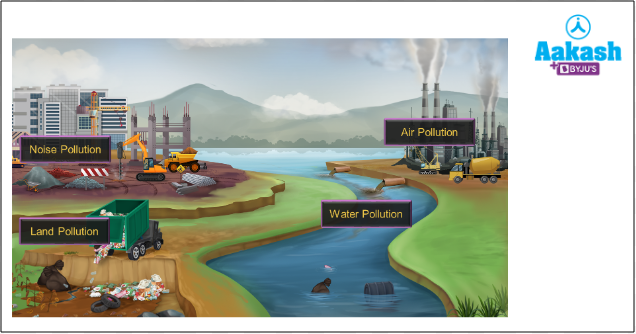
Fig: Types of pollutions
Natural resources are not only degraded by the action of pollutants but also, by improper resource utilisation and management. We must not forget that we have limited natural resources and degrading these will have serious drawbacks.
Soil erosion is one of the major effects of improper utilisation of soil and can have major negative impacts on the environment and the human population.
Soil erosion
Soil is formed by the weathering of rocks and it takes hundreds of years for the development of the fertile top-soil. But, imagine what happens if we don’t manage this valuable resource properly? The top soil can be easily removed by strong wind, glaciers, water, plants and animals.
This removal of top soil by different agents can be termed as soil erosion.
Natural soil erosion may be classified into five types:
- Water erosion
- Wind erosion
- Water erosion
- Gully erosion, which occurs when water runoff dissolves soil along drainage lines.
- Natural depressions experience ephemeral erosion.
Causes of soil erosion
Now let’s check out the causes of soil erosion. Some of the causes of soil erosion are rainfall and flooding, heavy wind, over-cultivation, unrestricted grazing, deforestation, logging and mining, construction and poor irrigation practices. Let’s discuss these causes in detail.
Rainfall and flooding
Heavy rainfall and the flooding caused by it is one of the major causes of soil erosion. When the rain falls on the soil it washes away the upper layer of soil into the nearby water resources. The intensity of soil erosion depends on the intensity of the rainfall.
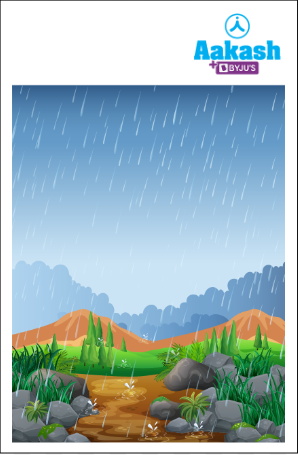
Fig: Heavy rainfall can cause soil erosion
The flowing rivers during heavy rain can also remove the soil on the banks. This can create potholes and rock-cut basins.
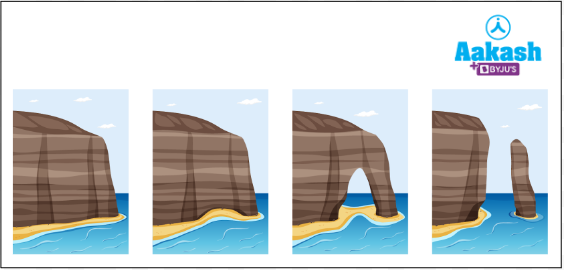
Fig: Effect of soil erosion by flowing river on the river banks
The soil erosion caused by rainfall can be classified into four types -
Rill erosion is the erosion caused by the channels formed by the runoff rainwater and it concentrates down as a slope.
Gully erosion is the erosion caused by the removal of soil along the drainage lines when there is surface water runoff.
Sheet erosion is caused by the removal of a thin layer of soil and it follows a uniformity.
Splash erosion is the first stage in the process of erosion. Here the rain drops acts as little bombs which displace and destroy the soil structure while falling on it.
Heavy wind
Heavy winds act as the source of soil erosion in dry weather and semi-arid regions. The wind can blow away the upper layer of soil particles far away. This will result in the degradation of soil. As a result arid patches of lands are formed. These arid patches of land will be usually barren or unfertile. If this extends, it can lead to the formation of a desert. This phenomenon is called desertification.
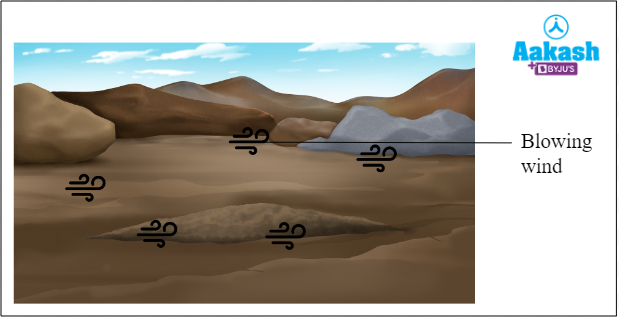
Fig: Soil erosion by wind
Over cultivation
Excessive cultivation or over cultivation of crops in an area can degrade the soil quality and erode it. The trees in a vast area of land might be removed for cultivation. As a result there will be no source for supporting the topsoil. Tilling and ploughing loosens the soil and wind can easily blow away the topsoil. Most of the crops are cultivated during the spring season. So during the winter season the land remains barren and gets eroded easily.
Chemical use in the form of insecticides and fertilisers on (typically mono-cultural) crops is a common method of assisting farmers in increasing yields. However, excessive use of phosphoric compounds leads to an imbalance of microorganisms in soil moisture, which promotes the growth of dangerous bacteria. As soil degrades, the danger of erosion increases and sediments wash into rivers and adjacent regions (through the activities of water and wind), potentially polluting nearby ecosystems.
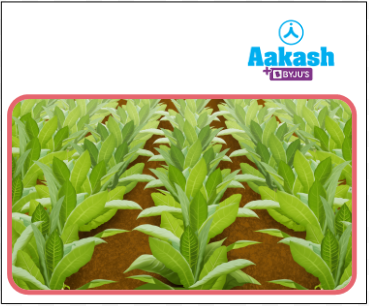
Fig: Over cultivation of crops can lead to soil erosion
Unrestricted grazing
During grazing, cattle remove the vegetation from the land, either by feeding on it or by stepping on it. This can result in the loosening of the topsoil which can eventually lead to soil erosion.
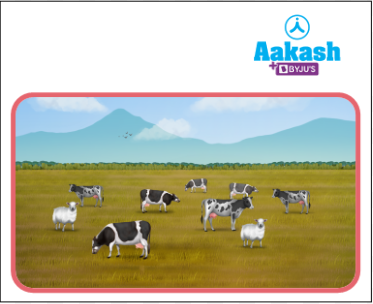
Fig: Unrestricted grazing can lead to soil erosion
Deforestation
In deforestation the trees are removed in a massive number from an area. It can be due to natural causes or anthropogenic causes. Natural causes include lightning and forest fire. Forest fires may also be caused by man made activities. The bulk cutting of trees for the purpose of furniture, construction and fuel also results in deforestation.
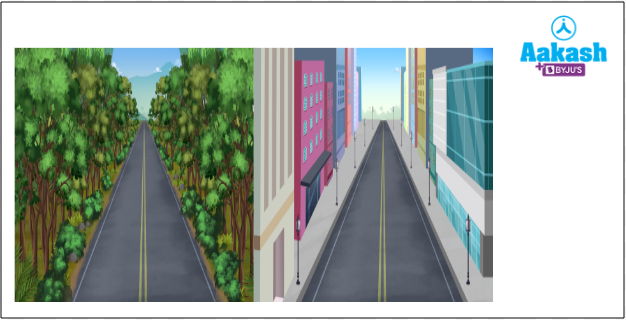
Fig: Cutting down of forests for constructing buildings
Deforestation facilitates easy removal of the upper layer of soil during heavy rain or wind as there no longer remains the support of the roots to hold the soil together.
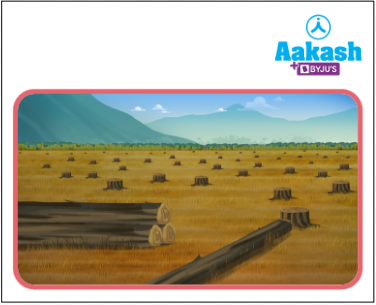
Fig: Deforestation can lead to soil erosion
Logging and mining
As a result of logging huge numbers of trees are cut down. This results in removal of roots to hold the soil and there is no leaf litter to protect the topsoil. So the soil gets exposed to wind and water which can lead to soil erosion. Mining also disturbs the soil and loosens it, thereby making it vulnerable to soil erosion.
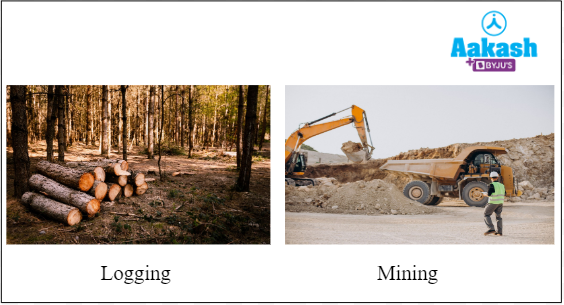
Fig: Logging and mining may lead to soil erosion
Poor irrigation practices
Irrigation of cultivated land should be done using controlled amounts of water, as is ideal for the growth of the crops. Excessive use of water for the purpose of irrigation can lead to degradation of quality and erosion of the topsoil. Sprinkler method is most commonly used in the irrigation process as it does not disturb the soil.
Water used for irrigation should be properly absorbed by the soil. Proper drainage of irrigated water is essential for this purpose. Improper drainage leads to waterlogging in the cultivated land and results in accumulation of salts and increased salinity of the soil. This affects the growth and development of the crops and kills the crop roots. As the vegetation cover on the cultivated land is destroyed, it becomes more prone to erosion.
Moreover, irrigated soil is wetter and is hence unable to absorb rainwater. This leads to heavy runoff during rainfall.
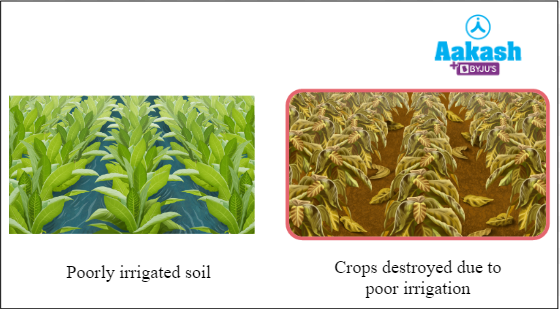
Fig: Poor irrigation practices
Effects of soil erosion
Now that you know about the various factors which lead to soil erosion, have you given any thoughts to the after effects of soil erosion?Let’s discuss how soil erosion impacts the quality of land and the balance of the ecosystem. The major effects of soil erosion are: loss of arable land, clogging of waterways, air pollution, and desertification.
Loss of arable land
Loss of arable land is the loss of useful land for cultivation. When the topsoil is removed by soil erosion, the essential nutrients needed for the plants will be also removed. As a result the fertility of the land will be reduced and this will lead to low yield or low productivity.
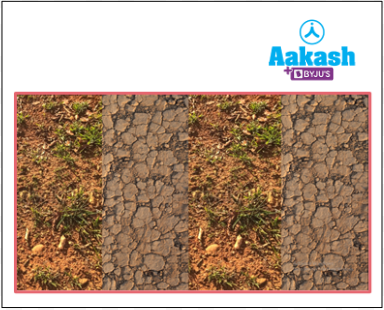
Fig: Loss of arable land
Clogging of Waterways
Agriculture is maintained by using chemicals like pesticides and fertilisers. If soil erosion happens in an agricultural field, the soil that is removed will contain these chemicals. When this soil reaches the river or other water bodies it will cause pollution over there. The eroded soil can clog the water bodies which may raise the water level and eventually lead to flooding.
Air Pollution
Wind is one of the factors which promotes soil erosion. So when wind takes the soil particles, the dust will merge with the air and cause air pollution. If the soil is from a land which uses chemicals for the high yield of crops, then the dust will be containing toxic chemicals too. As a result the inhalation of such air may cause health hazards.
Desertification
Desertification is the major effect of soil erosion. Soil erosion creates patches of arid and barren land which are unfertile. When the large barren patches merge and extend to other regions over time, they lead to the creation of a barren desert. This process is called desertification.
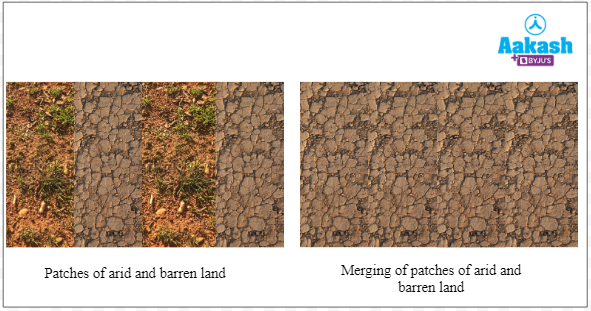
Fig: Process of desertification
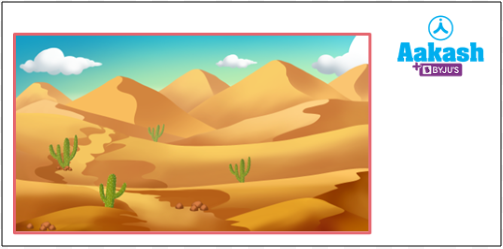
Fig: Desert
Prevention of soil erosion
Now we understand that soil erosion is one of the major environmental issues. So what all steps can we take to prevent this?
Using Sustainable Farming Practices to Reduce Soil Erosion
Regenerative agricultural approaches have the ability to protect and restore ecosystems and habitats, as well as enhance soil quality and health.
Planting Windbreaks to Protect the Soil
Windbreaks is defined as the linear plantings of shrubs and trees that are intended to improve agricultural productivity while also protecting the land, humans, and livestock. Windbreaks, according to the UN's Food and Agricultural Organization (FAO), may lower wind speeds for a distance of around 15 times the height of the tallest trees. As a result, soil loss has decreased across broad agricultural regions.
Soil Erosion Can Be Prevented With Stone Walls
Soil erosion is more on slopes. So building a wall at the base of the slope will prevent soil erosion. Sediments collecting behind dry-stone walls, according to Camera et al. (2018), provide appropriate ground for cultivation and prevent soil erosion.
Reforestation Aids in Soil Protection
We know that the roots of trees hold the soil and prevent erosion. Hence, one of the important solutions to prevent soil erosion is to plant trees on barren lands. Addition of mulch and rocks below the trees also protects the soil soil erosion. If we want to prevent the washing away of soil, then a series of fibre logs can be planted into the ground.
According to the FAO, reforestation aids in the reduction of sedimentation rates in downstream valleys. Reforestation on unstable ground and near water regions such as rivers, according to this UN organisation, boosts land's water-retention capacity and improves water quality, both of which help food production. Furthermore, according to recent research published in Nature, deforestation has a significant potential to help battle climate change since trees absorb massive amounts of CO2.
Soil Erosion and Conservation Tillage
Conservation tillage refers to any tillage that reduces the number of tillage passes. Conservation tillage methods have the ability to minimise vertical soil motions. More crop leftovers are left on the soil surface in this manner, limiting exposure to water or wind erosion.
Step farming on slopes
Creation of steps on sloping lands in the hilly areas help to slow down the flowing water during heavy rainfall and hence prevents erosion. This technique of step farming is used by farmers in the hilly regions for cultivating crops.
Practice Problems
Q1. Following are the statements based on the causes of soil erosion. Which of these are true?
I) Heavy wind can cause desertification.
II) Rainfall can create potholes and rock-cut basins.
III) Massive removal of trees can cause soil erosion.
IV) Using sprinkler methods in irrigation will cause the removal of topsoil.
A. I, II, III, IV
B. I, II, IV
C. I, II, III
D. IV only
Solution: Heavy wind is one of the agents of soil erosion which can lead to creation of arid patches of land and desertification over time.
Heavy rain can remove the soil on the river banks, thus creating potholes and rock-cut basins.
Roots of trees help to hold and bind the soil together. Large scale cutting of trees can leave the soil unprotected which can lead to soil erosion.
Improper irrigation practices is one of the causes for soil erosion and can lead to water logging and soil salinity problems. Sprinkler method is one of the safest irrigation methods as it causes least disturbance to the soil and does not increase the risks of erosion.
Hence the correct option is c.
Q2. A man wanted to cultivate a land. But he found that the soil is not suitable for cultivation. Which of the following can be a reason for soil infertility?
A) Topsoil is removed due to soil erosion.
B) Poor irrigation practices.
C) Over cultivation of crops.
D) Unrestricted grazing of animals in the land.
a. A,C,D
b. A only
c. B and D
d. A, B, C and D
Solution: Topsoil is the most fertile layer of soil as it is rich in nutrients and humus and is most essential for the cultivation of crops. Removal of topsoil by erosion renders it infetile.
Poor irrigation practices can render the soil infertile because of water-logging, increased soil salinity and increased chances of soil erosion.
Over cultivation of crops can lead to degradation of soil quality and fertility as it non only exhausts the soil nutrients but also makes the soil prone to erosion due to excessive ploughing and harvesting.
Hence the correct option is d.
Q3. What is desertification?
Answer: Soil erosion creates patches of arid and barren land which merge and extend to other regions over time, leading to the creation of a barren desert. This process is called desertification.
Q4. Deforestation is a major cause for soil erosion. Justify this statement.
Answer: In deforestation the trees are removed in a massive number from an area. Deforestation will result in the easy removal of the upper layer of soil as there is no support of roots for binding the soil. So during heavy rain and wind, the top layer of soil is easily washed off.
FAQs
Question 1. What is soil erosion different from weathering?
Answer: The processes by which rocks are broken down into fine particles is known as weathering. Weathering degrades the rocks without causing them to shift. The process of erosion occurs when rock fragments are swept away by wind and water. Erosion and weathering work together to degrade soil and erode cliffs and shorelines.
Question 2. What is headward erosion?
Answer: Headward erosion is a type of fluvial erosion (erosion of river bed and river banks) that lengthens a stream, valley, or gully at its head while also expanding its drainage basin. As it runs in the opposite direction , the stream erodes the rock and soil near its headwaters (a tributary of a river that lies close to its source).
Question 3. What does "stream piracy" imply?
Answer: Stream piracy is an event in which water from one stream gets diverted into another stream which has a lower base level. Unusual drainage patterns, changes in collecting silt, and cyclic patterns of sediment deposition are evidences of its past occurrence.
Question 4. When did the first signs of soil erosion appear?
Answer: In 1685, Jared Elliot was the first to detect soil erosion in the modern world. He wrote a series of essays about his findings, and he was particularly concerned about water rushing down barren hillslopes.
Related Topics
|
Soil pollution |
|
What is pollution, Types of pollution, Practice Problems and FAQs |

 Call Now
 Let's Chat
 Share
Share