-
Call Now
1800-102-2727



Omnivores, Practice Problems and FAQs
We all have our own preferences in life. It is applicable for foods also. Whenever we go out, we like to have our favourite food only. But there are many people who like to try new food items too. Now think about your favourite food. Is it a vegetarian or non-vegetarian food? Is that food easily available or not? Is it giving you enough nutrition and proteins? If not, what is the purpose of eating it every time we get hungry? We have food to get required amounts of nutrients and energy. So it is important to make sure that we are always eating healthy food.
If we are having home made foods, our parents always make sure that we are getting enough proteins, minerals, carbohydrates and vitamins through the food we eat. For this they will include different types of cereals, grains, fruits and vegetables in the diet. If you are a non-vegetarian, only good meat will be used to make dishes. What if you are a vegetarian? Then more fruits and vegetables are included in the diet.

Fig: Different types of food
Even Though we have options to be a vegetarian or non-vegetarian, we humans are generally included in the group of omnivores that consumes both plants and animals. That is quite interesting!! So what about other omnivores? How did they become omnivores? Generally omnivores will be herbivores or carnivores, but according to the availability of foods and the changes in the climate, these animals will choose between plants and animals. There are many unique characteristics which are exhibited by omnivorous animals. These characteristics make them different from the herbivores and carnivores. So, let’s discuss more about omnivores in this article.
Table of contents
- Ecosystem
- Omnivores
- General characteristics of omnivores
- Types of omnivores based on size
- Examples of omnivores
- Digestion in omnivores
- Importance of omnivores in the ecosystem
- Practice Problems
- FAQs
Ecosystem
Ecosystem is a biological community composed of the living organisms and their interaction with the physical environment. Ecosystem is composed of different types of animals and plants. The diets of animals in every ecosystem will be specific and they form different food chains in each ecosystem. For example, the pond ecosystem.
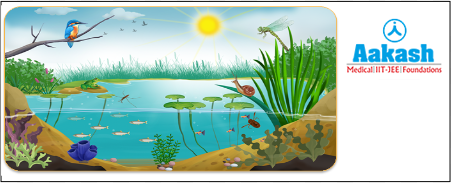
Fig: Pond ecosystem
Food chain
A food chain is a series of organisms in which transfer of energy takes place in the form of food from one organism to another organism. It also explains the feeding pattern or relationship between living organisms, flow of energy and nutrients. For example, the grazing food chain (GFC) begins with green plants which synthesise the food using sunlight and passes on the energy to herbivores and then to carnivores.
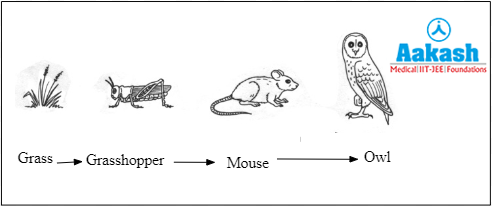
Fig: Grazing food chain (GFC)
Trophic level
Different organisms occupy different levels in the chain and each level is referred to as trophic level. According to the type of food they eat, each organism in an ecosystem is arranged in a trophic level. We can classify the organisms into three types according to their diet and are as follows:
Herbivores
They are animals that directly feed on plants. Herbivores are known as primary consumers and are occupying the second trophic level in a food chain. Examples include deer.

Fig: Deer
Carnivores
They are animals that eat only meat. Carnivores eat herbivores or other small animals and come later in the food chain, hence are known as secondary or tertiary consumers. Examples include lions, tigers etc.

Fig: Tiger
Omnivores
They are animals that can feed on both animals and plants. They occupy generally the tertiary trophic level in a food chain. Examples include human beings.

Fig: Human being
Each type of these animals should be there in the ecosystem with a definite number to keep balance. The omnivores are one of the important groups in the trophic level, since they can control the population of both animals and plants.
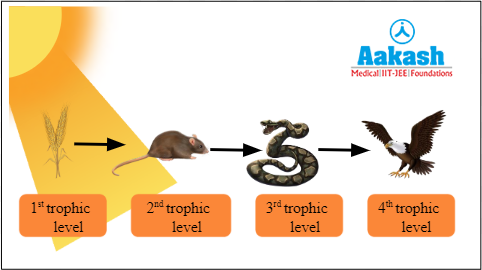
Fig: Organisms at different trophic levels in a food chain
Omnivores
‘Omnis’ is a Latin word which means all or everything and ‘vorare’ means to devour or eat. Hence omnivores are those organisms which can eat both plants and animals and they are called the flexible eaters of the Animal Kingdom. They generally occupy the third trophic level of the food chain. Meat eating carnivores are also added in the third trophic level along with omnivores.
Omnivores as scavengers
Omnivores can also eat dead and decaying matter along with plants and animals and thus they are also called scavengers. Vultures are an example for scavengers.
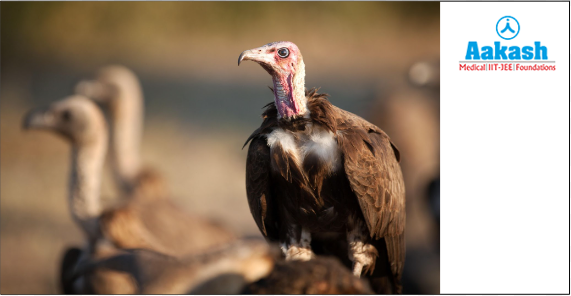
Fig: Vulture
Omnivores as ovivores
Omnivores are also ovivores who eat the eggs of other animals. Racoons are an example.
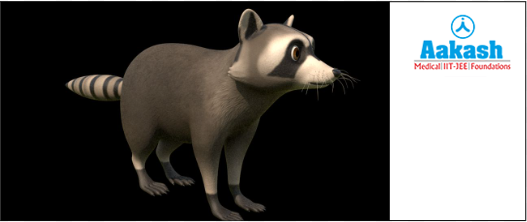
Fig: Raccoon
Omnivores as prey and predator
Omnivores can act as both prey and predator. For example, a dog can act as a predator by hunting a rabbit. At the same time it is hunted and eaten by tigers. Here it acts as a prey.

Fig: Dog
Omnivores are opportunistic feeders
Omnivores are opportunistic feeders that derive energy from both plants and animals. Hence it is comparatively easy for them to obtain food. But according to the season and availability the diet of most of the omnivores changes, because the food item which is abundant in winter will be scarce during summer.
General characteristics of omnivores
To get classified under the group of omnivores, the organisms need some specific characteristics and some adaptations should be there for capturing and eating both animals and plants. Let's check some of these adaptations.
- Most of the omnivores lack specialised storage and digestive sacs. But they have a specialised digestive tract to process food.
- Aves possess a specialised storage part called crop to store food prior to digestion and gizzard to grind food.
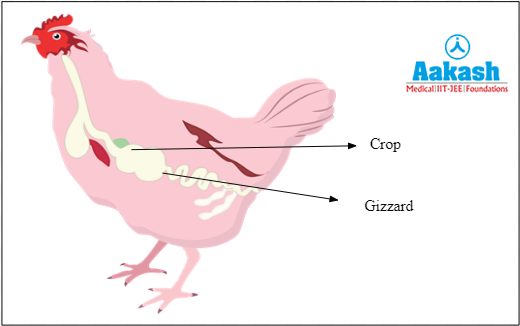
Fig: Digestive tract of hen
- Omnivores have a mixture of sharp teeth and flat molars. Sharp teeth are mainly used for ripping the muscle tissues and flat molars for grinding the plants. One exception is chicken, which has no teeth.
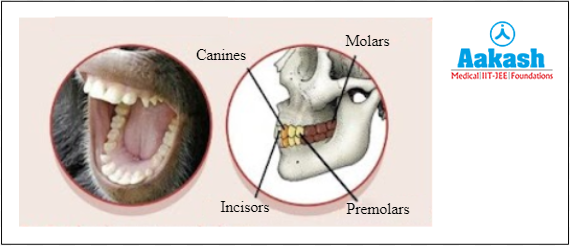
Fig: Dentition in omnivores
- The teeth of omnivores will not regrow like some of the herbivores. In herbivores regrowing of teeth is required to avoid being worn down with use.
- Omnivores are able to survive in a variety of environments, since their diet is diverse, hence the chance for extinction is less. For example, raccoons live in forests whereas ants live in anthills.
Types of omnivores based on size
Omnivores are a diverse group of animals. They can be of different sizes as follows:
Large sized omnivores
Examples for the large sized omnivores include the humans and bears.
Medium sized omnivores
Examples of the medium sized omnivores include pigs and hens.
Small sized omnivores
Examples of the small sized omnivores include bees and wasps.
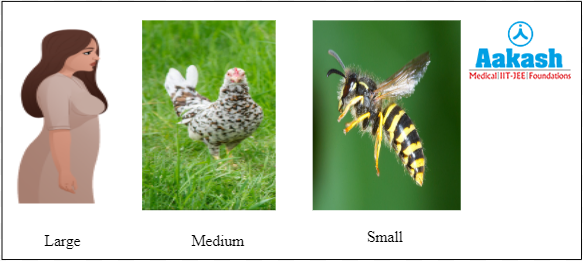
Fig: Types of omnivores based on size
Omnivores can be seen in most of the groups of animals like mammals, birds, insects, reptiles, fishes etc. Even in birds we can see some omnivores. Let’s discuss some examples of omnivores in detail now.
Omnivore mammals
Mammals are generally carnivores and herbivores, but 3% of mammals are omnivores. Some of them are humans, monkeys, raccoons, American black bears, foxes, chipmunks, squirrels, opossums, foxes, pigs, skunks, badgers, dogs etc.
Humans (Homo sapiens)
Initially humans were herbivores. But about 2.6 million years ago, humans started to eat meat, fish and egg along with the vegetation food, which makes them omnivores now. The teeth of humans are adapted for eating meat and they do not have cellulase enzymes in the digestive system which are typically present in herbivores. But humans have various carbohydrate digesting enzymes like sucrases, lactases, maltases, amylases etc., which can digest various carbohydrates. They also possess proteases and lipases for digesting proteins and lipids respectively. Humans also eat mushrooms, which are fungi.
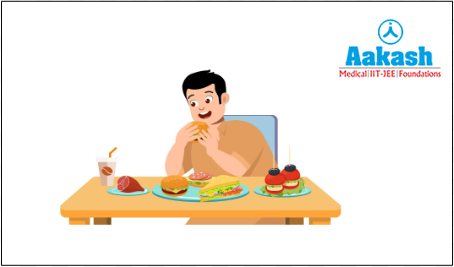
Fig: Humans
Monkeys (Cercopithecidae)
They are one of the primates which have different diets depending on the availability of food and the region where they live. Most of the monkeys are omnivores. They mostly eat fruits, berries, nuts and plant based foods. But they also eat eggs, insects and also catch and eat small animals like bats.
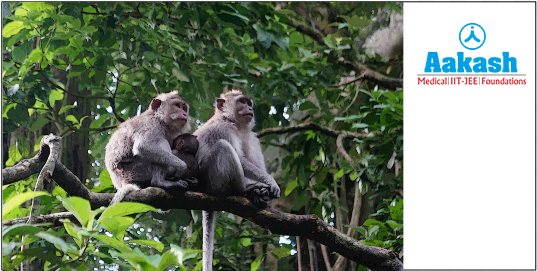
Fig: Monkeys
Raccoons (Procyon lotor)
Raccoons are classified in the order Carnivora, but they have an omnivorous diet. They eat berries, fruits, figs, walnuts etc. Along with this they also eat meat of the invertebrates and smaller vertebrates. Manipulating their prey before eating is a habit of raccoons. The most favourite food of raccoons are fishes, insects, eggs of birds, worms and molluscs.
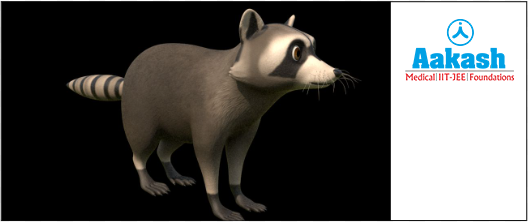
Fig: Raccoon
American black bears (Ursus americanus)
American black bears are smaller than the common bear species which can eat whatever is plentiful. Hence they eat both plants and animals. They can consume up to 85% of vegetation like the grasses, roots, buds, seeds, berries etc., as a part of their diet. During the winter season they will lose their weight and gain back all their weight once they will change into a nonvegetarian diet. The meat of young moose, elk and deer are preferred by the black bears. They also get proteins by eating insects too.
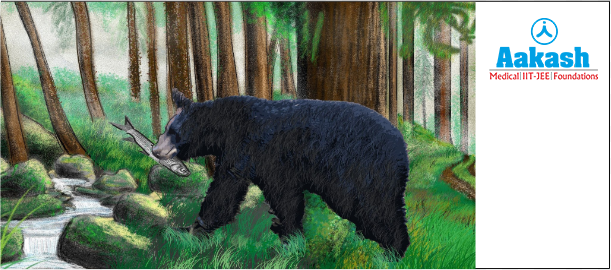
Fig: American black bear
Squirrels (Sciuridae)
Squirrels feed on almost everything around they can find. Mostly their diet consists of nuts, seeds and fruits. If these usual food sources are limited, then they will go for small birds, insects, eggs of birds, small rodents etc. Hence their feeding habit is based on the availability of the food.
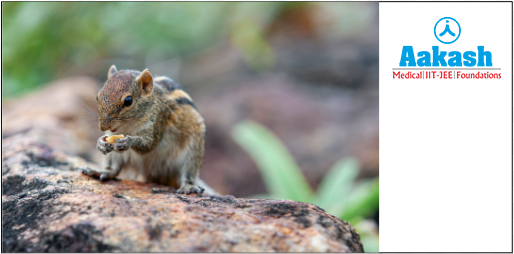
Fig: Squirrel
Chipmunks (Tamias)
The speedy creatures which are of the same family of squirrels are chipmunks. They also have an omnivorous diet. They usually eat seeds, berries, nuts, fruits etc. But they can also feed on eggs of birds, baby birds, small frogs, insects and worms. Since they have a smaller digestive system, the digestion of cellulose is difficult. This is one reason they chose an omnivorous diet.
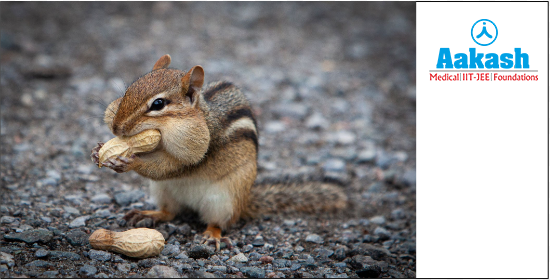
Fig: Chipmunk
Opossums (Didelphidae)
Opossums are one of the mammals which follow the most diverse diets. They have plant products and meat as primary food sources. Their staple foods are insects, small rodents, worms, snails, frogs, birds etc. They will also eat vegetables, berries, nuts and fruits. Along with this they also consume grass for obtaining nutrients.
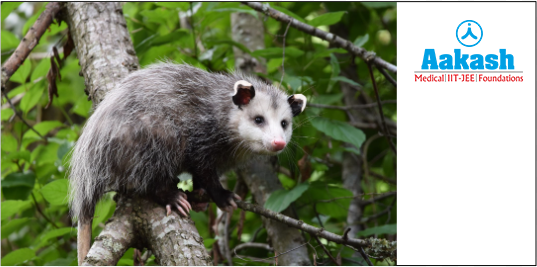
Fig: Opossum
Foxes (Vulpes)
Foxes are classified under the order Carnivora, but they can eat almost anything they can find. The major diets of foxes are insects, rodents, eggs, birds, fruits and small mammals. They are avid hunters and tend to pounce on their prey. But the hunt cannot satisfy their diet, so they also eat earthworms, fishes, small reptiles and molluscs. They also hunt young deers as well as feed on carrions (decaying meat of dead animals). Compared to grey foxes, red foxes feed less on the plant matter. They eat roots and some species of grasses. They also prefer fruits like grapes, acorns, apples, blueberries, mulberries etc. Sometimes they graze on potatoes and some flowering plants.
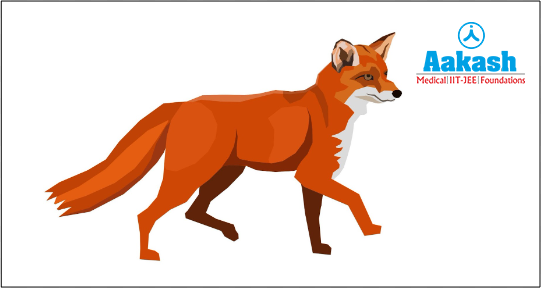
Fig: Fox
Dog (Canis lupus familiaris)
Dogs are one of the common pets of humans. The anatomy, behaviour and feeding preferences of a dog, clearly indicates that they are omnivores. This makes them eat a more starch rich diet. But they cannot produce vitamin D like other carnivores. Hence they have to eat animal flesh to obtain it.

Fig: Dog
Pigs (Sus scrofa domesticus)
Pigs are wild animals and they are also used as livestock. The diet of pigs is developed carefully and it changes throughout their lives, since they need different amounts of nutrients at different stages of life. They are one of the omnivores, which can eat a wide range of foods. Piga have a simple stomach and an efficient digestive system. The major foods of pigs include vegetables, fruits, eggs, flowers, fishes, leaves and dead animals. Hence they are considered as omnivorous scavengers.
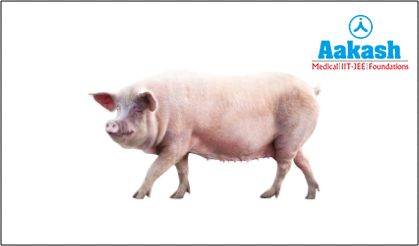
Fig: Pig
Skunks (Mephitidae)
Skunks always smell bad, but it is not because of their diet. They eat a variety of fruits like apples, bananas, berries, melons etc. They also eat plants and meats. Larvae, earthworms, frogs, snakes, moles, lizards, eggs of birds, rodents etc., are some of their favourite foods. It also scavenges on carrions (decaying meat of dead animals) and roadkills.
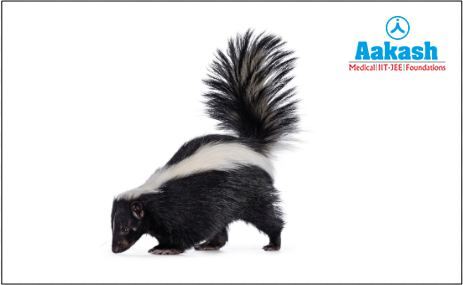
Fig: Skunk
Badgers (Taxidea)
Badgers are generally carnivorous, and eat small mammals like ground squirrels, chipmunks and gophers. They are adapted for fossorial activity. They can dig the prey out of the ground. Their small ears, sharp claws and long snouts are adaptations for performing the fossorial activity. Hence, they are also scavengers, which have the ability to cache their food they catch for later. But they will eat fruits too which make them omnivores.
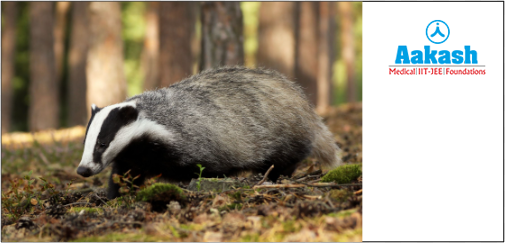
Fig: Badger
Omnivore birds
Usually we consider birds as herbivores, because we usually see them eating fruits and seeds. But there are birds which are omnivorous. Some of them are, hummingbirds, chickens, ostriches, robins, woodpeckers, seagulls, keas, emus etc.
Hummingbirds (Trochilidae)
These are small birds which are native to America. One species of hummingbirds called Ruby-throated hummingbird eats twice its body weight each day. Usually they consume nectar, but they will also eat spiders, tiny flies and aphids. They obtain fats and proteins from their omnivorous diet.
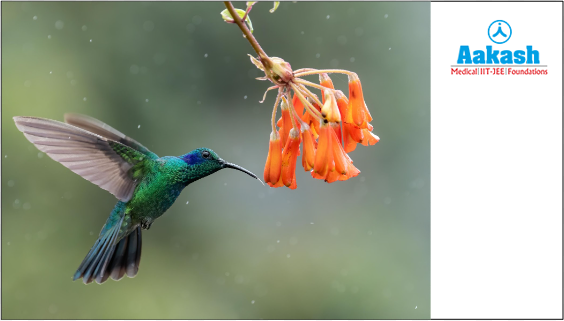
Fig: Hummingbird
Chickens (Gallus gallus domesticus)
Usually we consider chickens as herbivores, since we see them eating corn and grains. But they are from the family of fowls and are omnivores. They eat a variety of plants and animals. They are not picky eaters and they enjoy different diets, which will help them to survive in various regions.
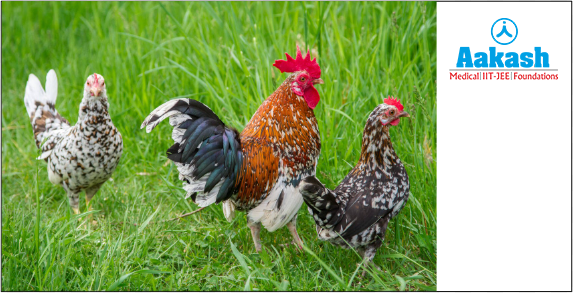
Fig: Chickens
Ostriches (Struthio)
Ostriches are the birds that eat anything that is available in the surroundings in each part of the year. They mainly feed on plant materials like grasses, fruits, seeds and leaves of trees and bushes. They also eat small vertebrates like lizards, frogs and birds. They can also eat some invertebrates which include the locusts, worms and grasshoppers. Ostriches lack teeth in their mouth. The digestion of food in the gizzard is done with the help of sand and pebbles swallowed by the ostriches.
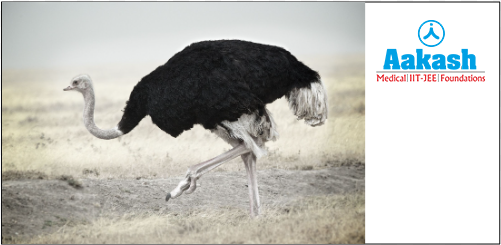
Fig: Ostrich
Robins (Turdus migratorius)
Robins are omnivorous birds. They are the predators of insects, worms, small snakes, some reptiles and amphibians. They also eat berries and fruits.
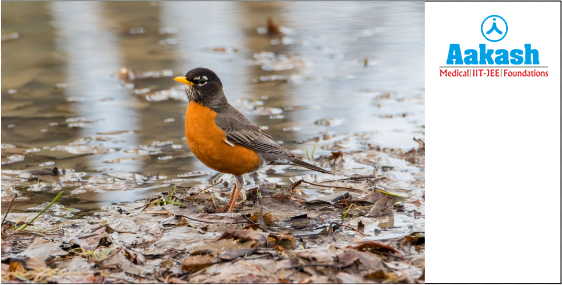
Fig: Robin
Woodpeckers (Picidae)
Woodpeckers are well known for their ability to bore the woods using their bills. They have a flexible diet and they are omnivorous. The primary food of woodpeckers are seeds, berries, nuts and fruits. But they prefer the diet of insects and their grubs. They obtain it from living or dead trees.
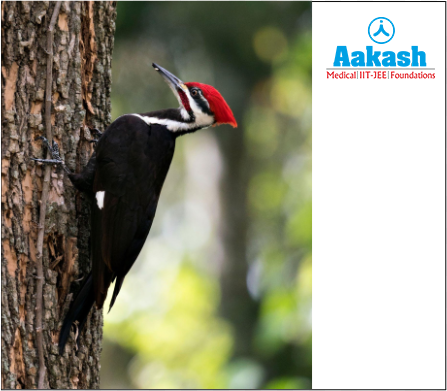
Fig: Woodpecker
Seagulls (Larus)
Seagulls are those birds which can be observed more in the coastal regions. They have a variety of diets including grasses, grains and seeds. But their preference is to eat other animals, which give them more nutrition. Smaller sea gulls usually eat small and large fishes. Large seagulls eat fishes, birds and mammals.
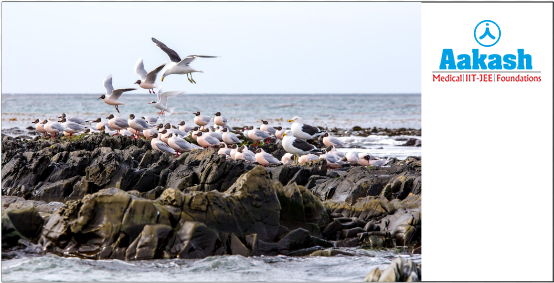
Fig: Sea gulls
Keas (Nestor notabilis)
Keas are endemic to New Zealand. It is one of the most intelligent birds in the world belonging to the parrot family. The diet of keas consists of fruits, seeds, roots, flowers or the entire plant itself. They also eat other birds, beetle larvae and some other animals like sheep. They can also tear fat from the horses, rabbits and dogs, which will later lead to the death of these animals.
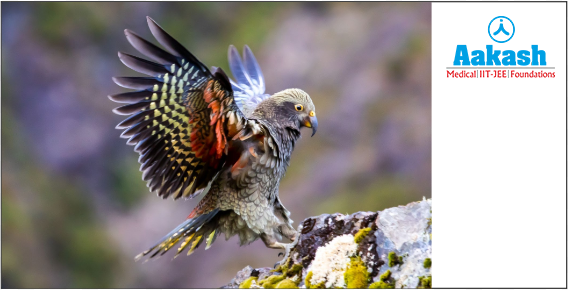
Fig: Kea
Emus (Dromaius novaehollandiae)
Emus are the second tallest bird native to Australia. They usually eat seeds, fruits, flowers and tender roots. But when it becomes summer, they prefer insects, caterpillars, grasshoppers, beetles and some small vertebrates.
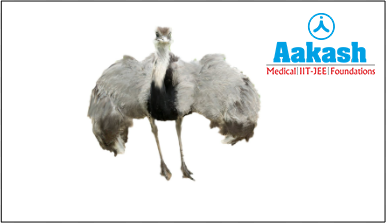
Fig: Emus
Omnivore insects
Omnivorous insects are also present on the Earth. Some of them are, spider beetles, ants, cockroaches, crickets, flies, wasps etc.
Spider beetles (Ptininae)
Beetles can be herbivores, carnivores or omnivores. But spider beetles are exclusively omnivorous. They primarily eat grain debris, seeds, dried fruits etc. They can also feed on animal matters like feathers. They are also scavengers, since they eat dead insects. They can eat fungi too.
Ants (Formicidae)
Ants are the omnivorous insects that eat everything available for them. They take the milk of aphids and small hemipterans. They also eat other insects and small living or dead invertebrates. Hence they can be considered as scavengers too. Along with this ants also feed on sap of plants and various fruits. They can eat insect eggs too.
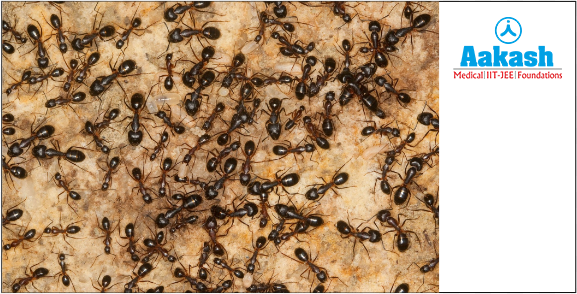
Fig: Ants
Cockroaches (Blattodea)
Cockroaches are nocturnal omnivores. They eat any source of organic food in their environment. They are not picky eaters. They usually like starches, sweets, meats, greasy foods etc. They can also feed on dead organic matter, hence they are also considered as scavengers.
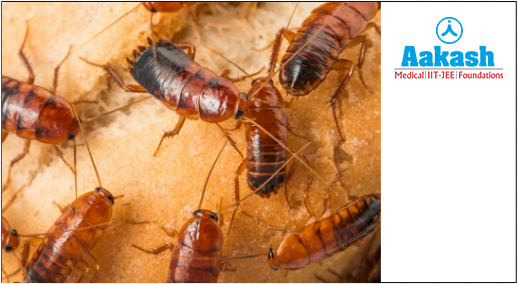
Fig: Cockroaches
Crickets (Grylloidea)
When it comes to diet, crickets are one of the most diverse groups of insects. They are also nocturnal omnivores. Naturally their diet is composed of plants including grains and also meat which have proteins. But wild crickets eat insect larvae, aphids, flowers, leaves, seeds, grasses and fruits. They are opportunistic feeders, because their diet changes depending on the availability of food. During summer they eat more plants and during winter they will have more insects. They can eat dead and live grasshoppers.
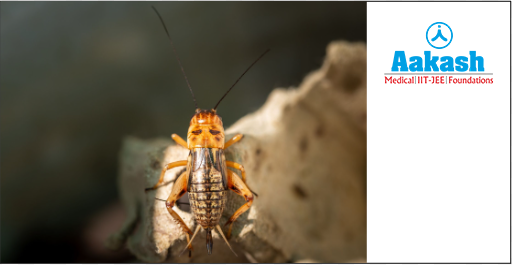
Fig: Cricket
Flies (Diptera)
Flies belong to the order Diptera. They can be usually seen in the garbage where old food materials are deposited. From this itself we can conclude that they are scavengers. They eat fruits, vegetables, plants, meats, animal secretions and decaying organic matter. They can also feed on grasses, nectar of flowers and other insects. Flies like horseflies, mosquitoes and deer flies feed on the blood of other animals.
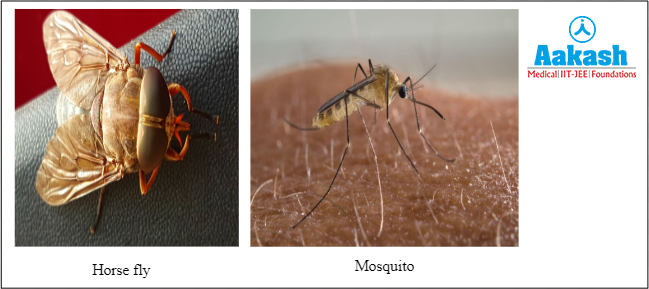
Fig: Flies
Wasps (Vespidae)
Wasps can be seen alone or as in groups. The major diets of wasps are nectar and honey dew. But they also feed on ants, butterflies, caterpillars and flies.
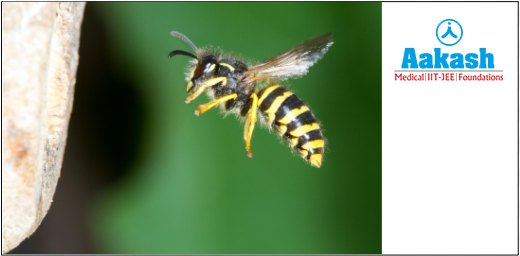
Fig: Wasp
Digestion in omnivores
The digestion in omnivores will be different from that of herbivores and carnivores because they have to digest both plants and meat. Hence their digestive system should be adapted to such a diet. Following are some of the adaptations shown by omnivores in their digestive system:
- Presence of the unique dentition that helps in the digestion of the diverse meals.
- For tearing and cutting flesh they possess long, pointed and sharp teeth, called canines and incisors.
- For cruising the plant materials they have flat molars.
- Certain omnivores like chickens and ostriches lack teeth, hence they swallow the food along with sand and pebbles. This helps in grinding the food in the birds.
- Hydrochloric acid and digestive enzymes help in digesting the food in the stomach and small intestine.
- Omnivores can digest only a limited number of plant components.
- The digestive tract of omnivores excrete the components that are not digested, instead of handling it.
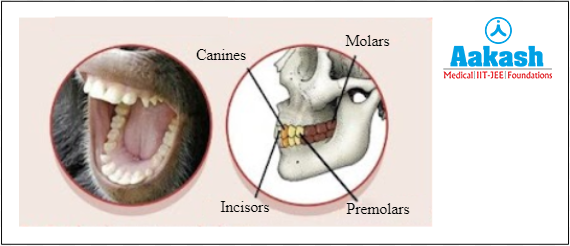
Fig: Dentition in omnivores
Importance of omnivores in the ecosystem
The following are the importance of omnivores in the ecosystem:
- Just like herbivores and carnivores, omnivores also play an important role in the ecosystem, by maintaining the food chain or food web.
- They are required for the ecosystem balance.
- Omnivores are in the highest trophic levels along with the carnivores.
- Omnivores can control the trophic cascade. It occurs when the predators limit the density of their prey, which will enhance the survival of the lower trophic levels.
- Omnivores can check on both animal and plant populations. Hence if an omnivore is removed from a trophic level, then it will lead to the overgrowth of both the group of creatures which were their diet.
- Omnivores can live in diverse environments, since their diet is diverse and opportunistic. So the peak of becoming an endangered species is also very less in the omnivorous organisms.
Practice Problems
1. Given below are some of the characteristics of omnivores. Find out which statement is wrong?
- Omnivores are those organisms which can eat both plants and animals.
- Specialised storage and digestive sacs are present in all omnivores.
- Omnivores have a mixture of sharp teeth and flat molars.
- The teeth of omnivores will regrow like some of the herbivores.
- A, B, C, D
- A and C
- B and D
- A, B, C
Solution: Omnivores are those organisms which can eat both plants and animals and they are called the flexible eaters of the Animal Kingdom. They generally occupy the third trophic level in the food chain. Meat eating carnivores are also added in the third trophic level along with omnivores. To get classified under the group of omnivores, the organisms need some specific characteristics and some adaptations should be there for capturing and eating both animals and plants. Most of the omnivores lack specialised storage and digestive sacs. But they have a specialised digestive tract to process food. Aves possess a specialised storage part called crop to store food prior to digestion and gizzard to grind food. Omnivores have a mixture of sharp teeth and flat molars. Sharp teeth are used for ripping the muscle tissues and flat molars used for grinding the plants. One exception is chicken, which has no teeth. The teeth of omnivores will not regrow like some of the herbivores. In herbivores regrowing of the teeth is required to avoid being worn down with use. Omnivores are able to survive in a variety of environments, since their diet is diverse, hence the chance for extinction is less. So the correct option is c.
2. Which of the following omnivores has the adaptations for the fossorial activity?
- Badgers
- Opossums
- Squirrels
- American black bear
Solution: Omnivores are a diverse group of animals. They can be of different sizes. Badgers (Taxidea taxus) are generally carnivorous, and eat small mammals like ground squirrels, chipmunks and gophers. They are adapted for fossorial activity. They can dig the prey out of the ground. Their small ears, sharp claws and long snout are adaptations for the fossorial activity. Hence, they are also scavengers. They have the ability to cache their food they catch for later. But they will eat fruits too which make them omnivorous. Hence the correct option is a.
3. Some of the omnivores are scavengers. Find out the animal which is not a scavenger from the following.
- Skunks
- Ants
- Flies
- Woodpeckers
Solution: Scavengers are those organisms which feed on dead and decaying organic matter. Skunks (Mephitidae) eat a variety of fruits like apples, bananas, berries, melons etc. They also eat plants and meat. Larvae, earthworms, frogs, snakes, moles, lizards, eggs of birds, rodents etc., are some of their favourite foods. It also scavenges on carrions and roadkills. Ants (Formicidae) are the omnivorous insects that eat everything available for them. They take the milk of aphids and small hemipterans (true bugs). They also eat other insects and small living or dead invertebrates. Hence they can be considered as scavengers. Along with this ants also feed on sap of plants and various fruits. They can eat insect eggs too. Flies can be usually seen in the garbage where old food materials are deposited. From this itself we can conclude that they are scavengers. They eat fruits, vegetables, plants, meat, animal secretions and decaying organic matter. They can also feed on grasses, nectar of flowers and other insects. Flies like horseflies, mosquitoes and deer flies feed on the blood of other animals. Woodpeckers are well known for their ability to bore the woods by using their bills. They have a flexible diet and they are omnivorous. The primary food of woodpeckers are seeds, berries, nuts and fruits. But they prefer the diet of insects and their grubs. They obtain it from living or dead trees. But they are not scavengers. Hence the correct option is d.
4. How do omnivores without teeth digest food?
Answer: The digestion of omnivores will be different from that of herbivores and carnivores, because they have to digest both plants and meat. Hence their digestive system should be adapted to such a diet. The presence of the unique dentition helps in the digestion of their diverse meals. But in omnivores like ostriches and chicken, teeth are absent. Hence they swallow the food along with small pebbles and sand. The digestion of food in the gizzard is done with the help of these swallowed sand and pebbles in the ostriches.
FAQs
1. Can plants be omnivorous?
Answer: Omnivores are those organisms that can feed on both plants and animals. Even Though there are plants which can feed on animals, while they are nitrogen deficient, we call them carnivorous plants. Examples include Venus fly trap (Dionaea muscipula) and pitcher plant (Nepenthes). Hence plants can not be omnivorous.
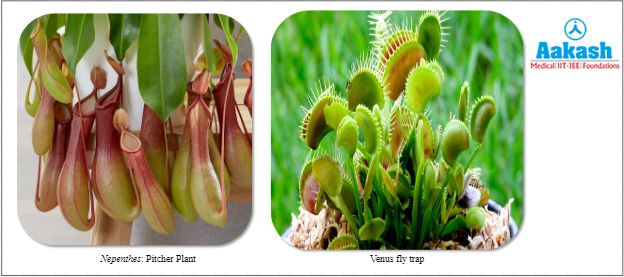
Fig: Carnivorous plants
2. Were dinosaurs omnivores?
Answers: Most of the dinosaurs were herbivores, only some were omnivores. What they eat does not depend on the size of the dinosaurs. According to the studies, many of the large dinosaurs were herbivores and many small ones were carnivores. Some of the omnivorous dinosaurs as predicted by the scientists are as follows:
- Heterodontosaurus: Dinosaurs with teeth for grinding and they used their canines for puncturing.
- Gallimimus: Dinosaurs that looked like birds and had long claws for capturing prey and picking fruits.
- Ornithomimus: Dinosaur which had a large size and possessed large beak for eating plants and small animals
- Oviraptor: Dinosaurs with powerful jawbones for eating both vegetation and eggs.
- Therizinosaurus: Dinosaurs that had strong claws on forearms and also had a beak. They had a long neck for eating insects and vegetation.
- Troodons: Dinosaurs with teeth that resemble the herbivores, but were coarser. This suggests that they had a diet including eggs, worms and insects.
3. What is zoopharmacognosy?
Answer: The self medication taken by the non-human animals through the behaviour of selecting and ingesting or topically applying plants, insects, soil and psychoactive drugs is known as zoopharmacognosy. This they follow to reduce the harmful effects of pathogens and toxins. Cats and dogs eating grass to induce vomiting is an example of zoopharmacognosy. This behaviour can not be considered as omnivory.
4. What is a frugivore?
Answer: Animals that thrive mostly on the raw fruits are called frugivores. They also consume fruit products like shoots, roots, nuts and seeds. The abundance of fruits and the nutritional composition of fruits increases the dependency rate of frugivores over fruits. Examples include Bonobo, fruit bat etc.
Related Topics
|
Decomposition, Process of decomposition, Factors affecting decomposition, Practice Problems and FAQs |
|
Nutrient cycling: Carbon cycle and Phosphorus cycle, Practice Problems and FAQs |
|
Food chain: Trophic levels, Types of the food chain, 10% law, Grazing food chain vs detritus food chain, Food web, Practice Problems and FAQs |
|
Animal kingdom, Practice Problems and FAQs |

 Call Now
 Let's Chat
 Share
Share