-
Call Now
1800-102-2727



Reproduction in Organisms, Practice Problems and FAQs
We know that reproduction, development and growth are important features of living organisms. These are required to sustain life on the Earth. Reproduction is the biological process by which an organism gives rise to young ones. These young ones grow, mature and in turn reproduce new offspring.
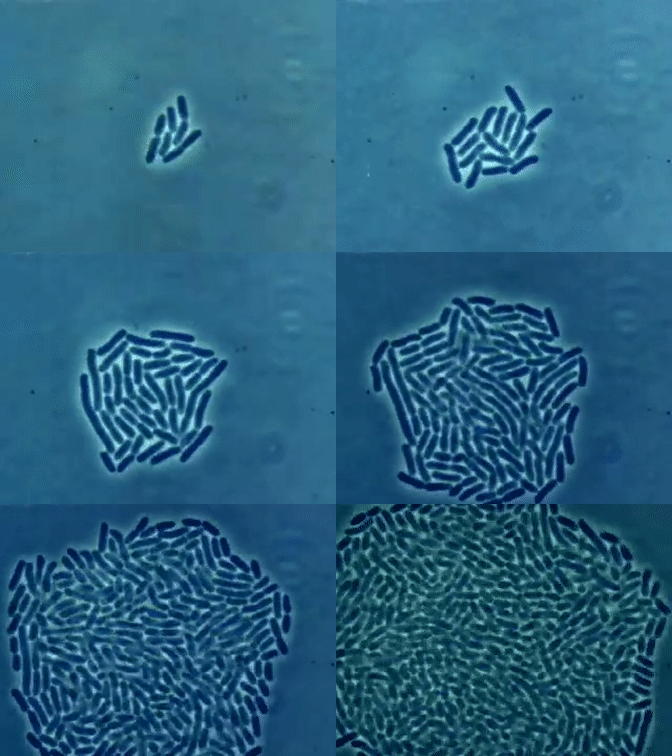
GIF: Reproduction
There are a variety of organisms present on the Earth. Do you think all organisms reproduce by the same method? No, reproduction depends on the habitat, complexity of the body organisation etc. So in this article we are going to discuss in depth about the various types of reproductive methods in organisms.
Table of contents
- Reproduction
- Types of reproduction
- Asexual reproduction
- Sexual reproduction
- Significance of reproduction
- Practice Problems
- FAQs
Reproduction
It is the process by which an organism gives rise to its offspring. There present a great diversity among organisms and each organism has evolved its own mechanism to multiply and produce young ones.

Fig: Reproduction
Factors affecting reproduction
The following factors affects reproductive method of an organism:
Habitat
A habitat is the natural environment in which a particular organism lives. Abiotic factors in the habitat such as optimum temperature, light conditions, etc., of a habitat are crucial to the process of reproduction. For example, bryophytes require a water medium for reproduction and they live in moist conditions.
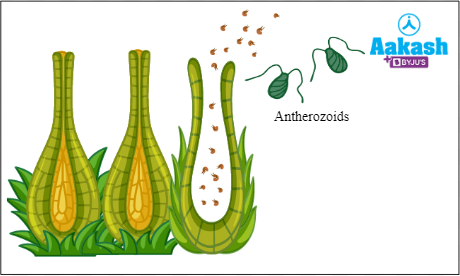
Fig: Movement of antherozoids in water medium
Anatomy and physiology of the organism
Internal physiology of an organism affects the method of reproduction by determining whether it can reproduce sexually or asexually, whether it is sexually matured or not, etc. It depends on the complexity of organisation, organ systems and life processes of the organism. For example, birds lay eggs and are oviparous, not viviparous.
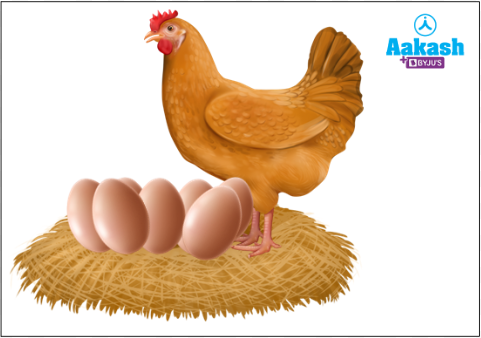
Fig: Layer
Size of the organism
Small organisms normally produce more offspring. For example, rats produce more offspring than elephants.
Types of reproduction
There are two types of reproduction based on the participation of individuals as follows:
Asexual reproduction |
Sexual reproduction |
|
A single parent is involved |
Two parents are involved |
|
Gametes are not involved |
Gametes are involved |
|
Fertilisation is absent |
Fertilisation is present |
|
There is only mitosis |
It involves mitosis and meiosis |
|
Daughter organisms formed are genetically identical to the parents |
Daughter organisms formed are not genetically identical to the parents |
|
They multiply rapidly |
Multiplication is not rapid |
|
No variations |
Variations are possible due to genetic recombination and crossing over |
|
Less contribution to evolution of species |
Contributes to evolution of species |
|
Examples include bacteria, echinoderms etc. |
Examples include human beings, lions etc. |
Asexual reproduction
The production of offsprings by a single parent without the formation and fusion of gametes is called asexual reproduction. It is also called agamogenesis.
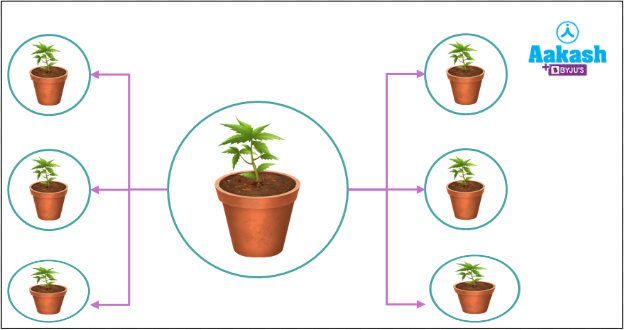
Fig: Asexual reproduction
Methods of asexual reproduction
Asexual reproduction is of the following types:
- Fission
- Budding
- Gemmule formation
- Fragmentation
- Vegetative propagation
- True regeneration
- Formation of spores
Fission
This mechanism is common in unicellular organisms. Bacteria show amitosis. It is of two types as follows:
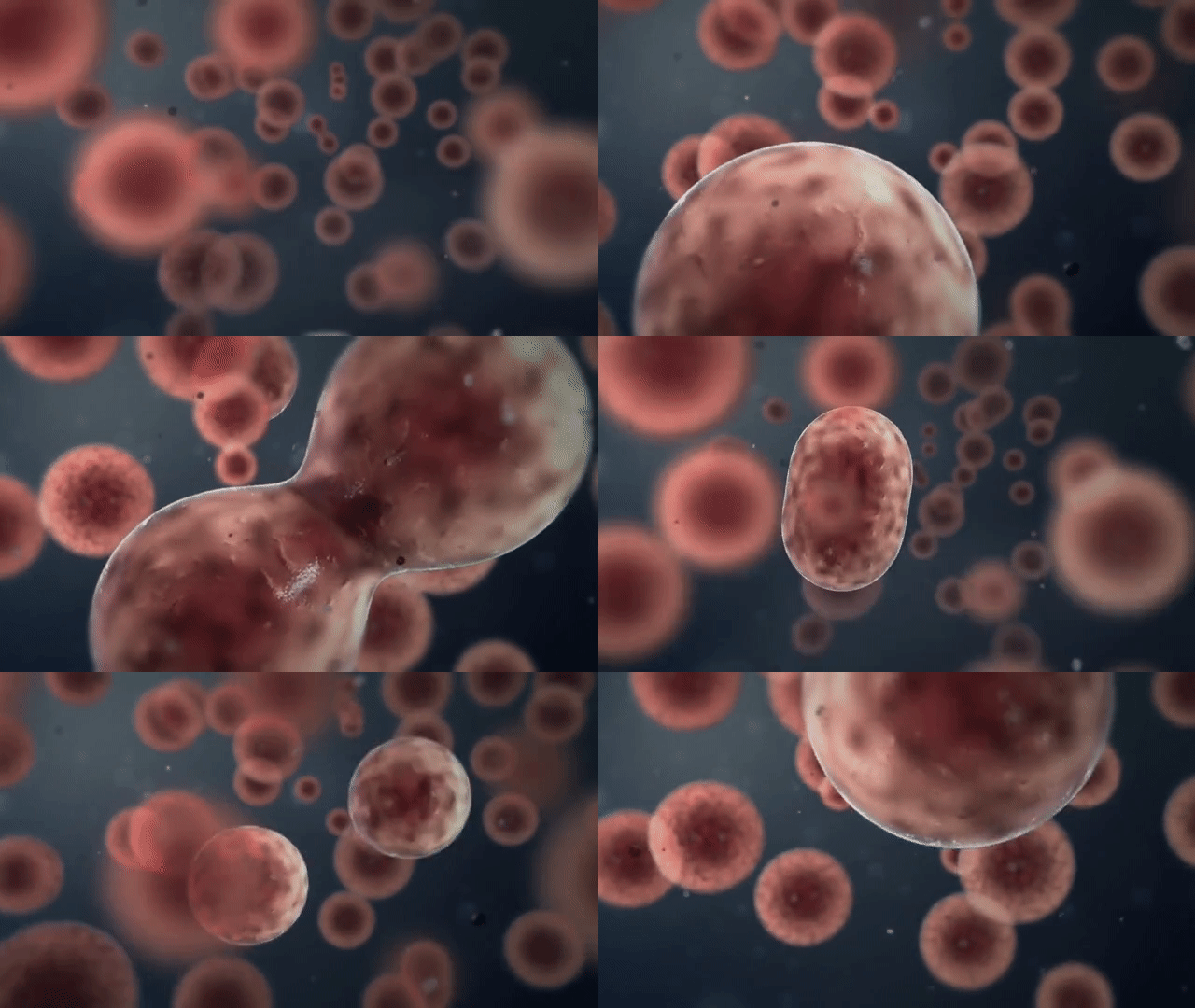
GIF: Binary fission in bacteria
Binary fission
In this process the parent organism divides into two halves and each half forms the independent daughter organism. It involves mitosis mainly. Organisms reproduce by this method when there is availability of sufficient food and water. Examples include Amoeba.
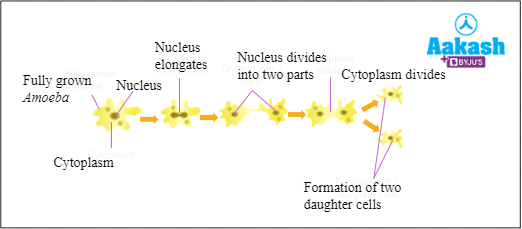
Fig: Binary fission in Amoeba
Multiple fission
In this process, the parent body is divided into many daughter organisms. This occurs in unfavourable conditions like a lack of food, higher temperature etc. Examples include Amoeba.
Multiple fission in Amoeba
During unfavourable conditions Amoeba withdraws its pseudopodia and secretes a three layered thick covering, the cyst wall around itself. This process is called encystment. On return of the favourables conditions the encysted Amoeba divides by multiple fission and produces many minute amoebae called amoebulae or pseudopodiospores. The cyst wall ruptures to release the spores which grow up into many amoebae. This process is called sporulation.
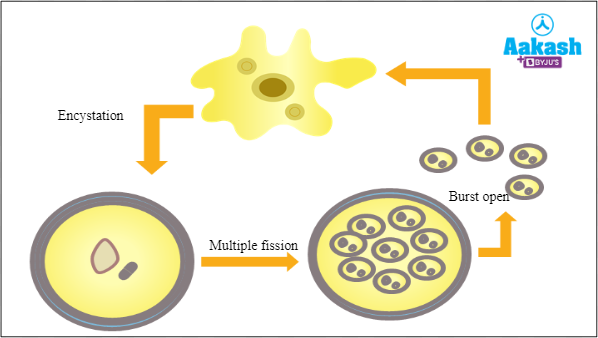
Fig: Sporulation in Amoeba
Budding
In this process, a daughter organism is formed from a small projection called bud arising from the parent body. The bud may split away from the parent and take up an independent existence like in Hydra or it may remain attached to the parent and become a more or less independent member of the colony like in Sycon.
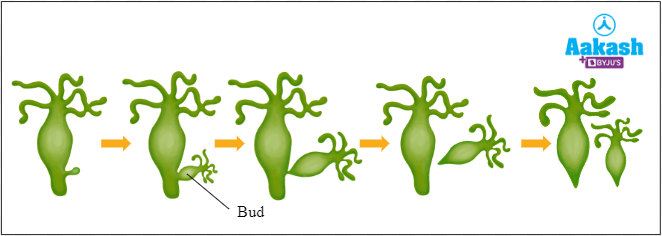
Fig: Exogenous budding in Hydra
Gemmule formation
In certain organisms the buds are formed inside the parent body. These are called gemmules. Gemmules consist of a small group of cells called archaeocytes enclosed in a protective coat. During favourable conditions the mass of archaeocytes comes out through the micropyle and forms new colonies. Examples include sponges like Spongilla.
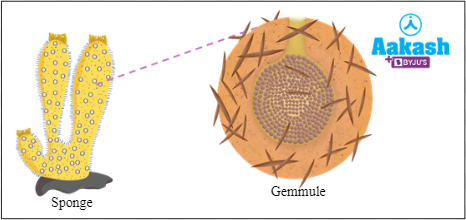
Fig: Gemmule in sponge
Fragmentation
The body of the parent may break into some random pieces and then each piece develops into a whole animal. Examples include filamentous algae.
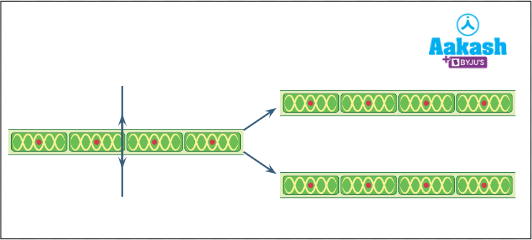
Fig: Fragmentation in Spirogyra alga
Vegetative propagation
In this process a new plant develops from the fragments or a specific reproductive component of the parent plant. The progeny formed are genetically identical to the parent plant. It is of two types as follows:
Natural vegetatuve propagation
It is the process of multiplication in which portions or fragments of the plant body function as propagules and develop into new individuals naturally. Examples include the following:
- Rhizomes - Ginger, turmeric
- Bulbs - Onions
- Offset - Eichornia
- Tubers - Potato
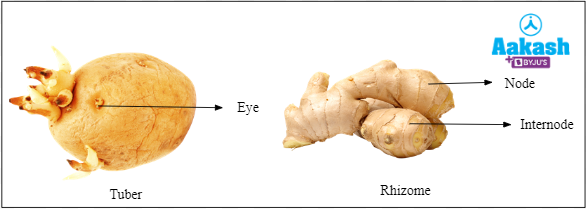
Fig: Natural vegetatuve propagation
Artificial vegetative propagation
It is the process of multiplication in which portions or fragments of the plant body function as propagules and develop into new individuals artificially. Examples include the following:
- Grafting
- Layering
- Cutting
- Tissue culture
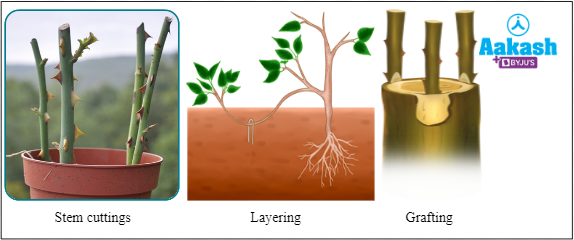
Fig: Artificial vegetative propagation
True regeneration
In this process, the body of the organism is cut into many pieces and each piece develops into a new organism. This is referred to as true regeneration. Examples include Planaria.
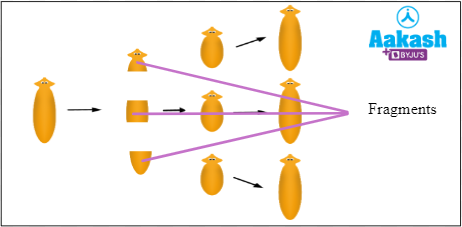
Fig: True regeneration in Planaria
Formation of spores
In this process the organism produces spores. These spores are formed by mitotic division and are called mitospores. Asxual spores are usually haploid in nature and germinate into new haploid organisms.
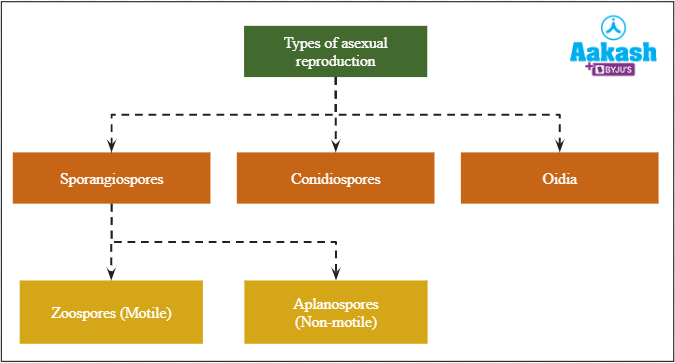
Fig: Types of asexual spores
Sporangiospores
These are formed in sporangia formed at the tip of special hyphae called sporangiophores. Numerous sporangiospores are present in the sporangia and are released by rupture of the sporangia. The formation of sporangiospores takes place endogenously. Sporangiospores are of two types as follows:
Zoospores
These are flagellated and motile asexual spores. They possess flagella for locomotion. They lack cell walls and assist in multiplication or propagation in Algae and Fungi.
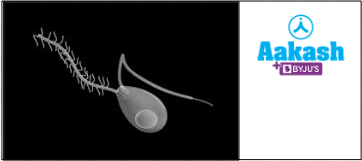
Fig: Zoospore
Aplanospores
These are non-flagellated and non-motile spores which are dispersed by wind.
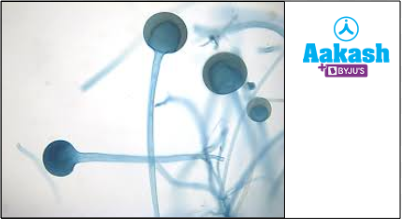
Fig: Aplanospores
Conidiospores
The formation of conidia takes place exogenously. These conidia are thin-walled, non-motile spores that are borne at the tip of the special hyphae called conidiophores.
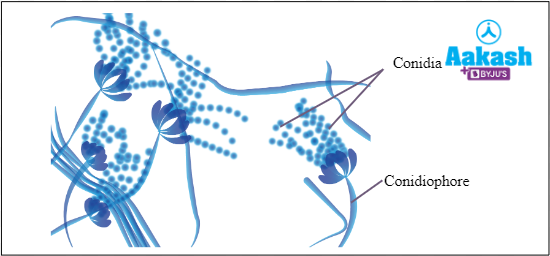
Fig: Conidiospores
Oidia
The formation of oidia occurs by fragmentation of hyphae. They are produced under conditions of excess water, sugar and certain salts. Examples include Rhizopus.
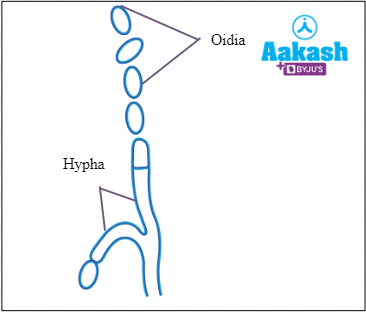
Fig: Oidia
Sexual reproduction
It is a natural process that occurs in all multicellular creatures. It Involves the formation of male and female gametes either by the same individual or by different individuals of the opposite sex. These gametes fuse to form the zygote which develops to form the new organism.
Events in sexual reproduction
Sexual reproduction is complicated but follows a predictable pattern. The fusion or fertilisation of male and female gametes, the formation of zygote, and embryogenesis are all part of sexual reproduction. These sequential events can be divided into three stages for ease of understanding as follows:
- Pre-fertilisation events - It include gametogenesis and gamete transfer.
- Fertilisation events - It includes syngamy.
- Post-fertilisation events - It includes formation of zygote and embryo
Sexual reproduction in plants
Special male and female reproductive organs are seen in higher plants like angiosperms. In them the male gametes are produced in the pollen grains (male gametophyte) and the female gamete or egg is produced in the embryo sac (female gametophyte). Gametogenesis is the formation of gametes. Pollen grains are transferred to the stigma from the anther. These pollen grains make their way via the style to the female gametes present in the ovule. Now the fertilisation occurs. A zygote is produced, which then develops into an embryo. The ovary is transformed into the fruit and the ovule forms the seed. The embryo will be present inside the seed.
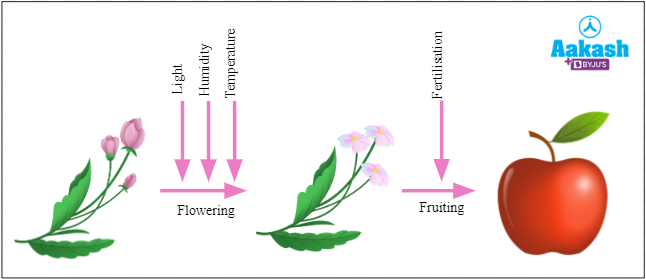
Fig: Sexual reproduction in plants
Reproduction in humans
The testes in males produce the sperm and the ovaries in females produce eggs. During fertilisation, the sperm combines with the egg and forms a zygote in the fallopian tube. Zygote develops into the blastocyst stage which is implanted in the uterine wall. The embryo begins to develop week by week, seeking nourishment from the mother via the placenta. After the gestation period (9 months +/- 7 days) the baby is delivered.
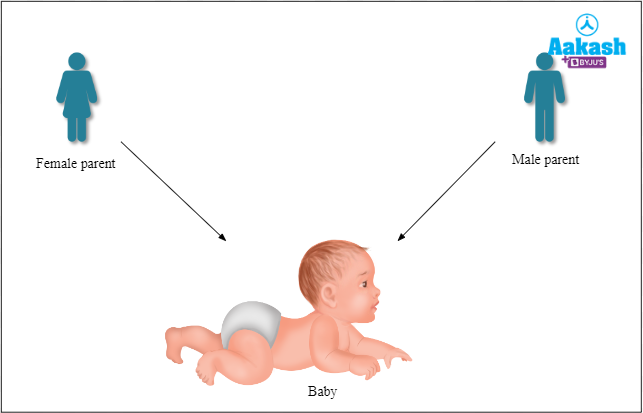
Fig: Sexual Reproduction in humans
Significance of reproduction
The following are the major significances of reproduction:
- It helps in the continuation of life.
- Vegetative reproduction is the only known method in certain plants. Examples include bananas.
- It helps in the raising of crops and garden plants.
- Sexual reproduction leads to variations and helps in evolution.
- It saves a variety of species from being extinct.
- It helps in the production of seeds which forms the basis of agriculture.
- It leads to the creation of new species in the long run.
- It maintains a healthy balance among the various biotic components which make up an ecosystem.
Practice Problems
Q1. The internal buds of freshwater sponges are called _____________.
(A) gemmule
(B) gemma
(C) osculum
(D) blastula
Solution: Gemma is a small green structure formed in cup shaped structures known as gemma cups. It is a vegetative propagule in bryophytes. Gemmules are internal buds seen in freshwater sponges which are released from the parent body to give rise to offspring asexually. Hence the correct option is ‘A’.
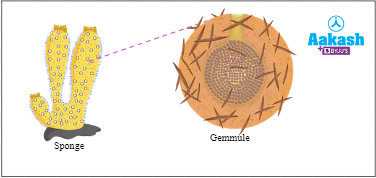
Fig: Gemmule in sponge
Q2. Stem cuttings are most commonly used in the vegetative propagation of ________________.
(A) mango
(B) rose
(C) cotton
(D) banana
Solution: Mango is a dicotyledonous angiosperm plant that propagates via seeds enclosed within a fleshy fruit. Cotton also propagates via seeds. Rose is propagated by stem cuttings. A part of the stem from a rose plant is cut and planted into the soil. The cut stem gradually develops adventitious roots and grows into a new plant. Banana propagates through a modified underground stem called rhizome. A rhizome is a modified thick and stout horizontal underground stem having thin brown scaly leaves at the nodes to protect the axillary buds. These axillary buds help in vegetative propagation of the plant. Hence the correct option is ‘B’.
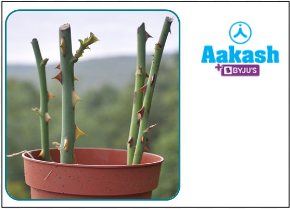
Fig: Stem cuttings
Q3. Potatoes are cultivated normally using _________________.
(A) tuber
(B) seeds
(C) buds on tubers
(D) bud
Solution: Potato is a modified underground stem called tuber and stores starch. It bears pits called eyes which bear the buds that are capable of growing into new plants. Hence the correct option is ‘A’.
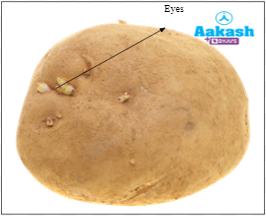
Fig: Tuber
Q4. In angiosperms or flowering plants, the site of sexual reproduction is ______________.
(A) fruit
(B) seed
(C) flower
(D) embryo
Solution: Flower is the reproductive structure in plants as it bears male (androecium) and female (gynoecium) reproductive organs that take part in sexual reproduction. Hence the correct option is ‘C’.
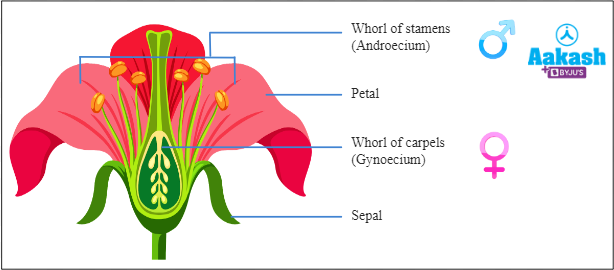
Fig: Flower
FAQs
Q1. What do you mean by hysterectomy?
Answer: The removal of the uterus is called hysterectomy. It is usually done to treat conditions like tumours and infections. The word hysteria in Greek means womb, and ectomy in English means removal.
Q2. What do you mean by cryptorchidism?
Answer: During embryonic life, the testes develop within the abdominal cavity, but descend into the scrotum prior to birth. If they fail to descend into the scrotal sac then the condition is called cryptorchidism.
Q3. Why is the artificial vegetative propagative method grafting not possible in monocots?
Answer: Grafting is a method of vegetative propagation in plants in which the root system and shoot system of two different plants are joined together to form a composite plant. The scion (stem or bud) is grafted onto the stock (root bearing part) for this purpose. Grafting disrupts the vascular system and regeneration of the vascular system is necessary to maintain normal transportation of water and nutrients. Monocots have no vascular cambium, which is a lateral meristematic tissue capable of dividing and adding to secondary growth. Thus regeneration of tissues is impossible, making grafting impossible.
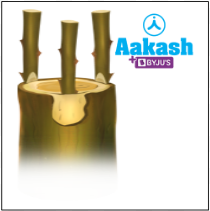
Fig: Grafting
Q4. What is a clone?
Answer: Clones are organisms which are genetically and morphologically identical to each other.
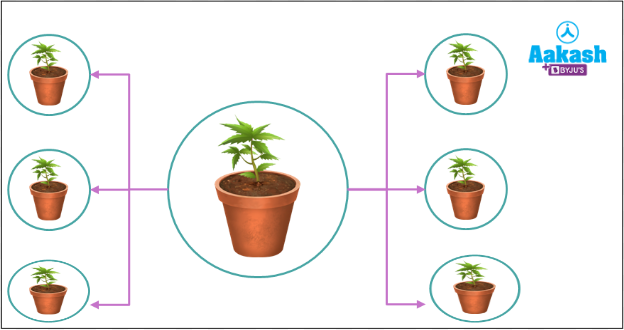
Fig: Clone

NEET Related Links
JEE MAIN Related Links
JEE Advanced Related Links
JEE Advanced Eligibility Criteria
JEE Advanced Chemistry Syllabus
JEE Advanced Registration Dates
CUET Related Links
Important Topics
Anemometer : Measurement of Wind Speed
Angular Acceleration Atomic Theory Audible and Inaudible Sound Average Speed and Average Velocity Average Velocity Avogadros Number Avogadros Hypothesis Azimuthal Quantum Number Balanced Force Bar Magnet Biconvex Lens Boyles Law Buoyancy Calorimeter Carnot Engine Celestial Bodies Centripetal And Centrifugal Force Concave and Convex Lenses Concave Convex Mirrors Contact and Non Contact Force Controlled Thermonuclear Fusion Convection Currents Convex Lens Convex Mirror Destructive Interference Difference Between Conduction Convection and Radiation Difference Between Electric Field and Magnetic Field Difference Between Heat And Temperature Difference Between Series And Parallel Circuits Differences Between Acceleration And Velocity Distance and Displacement Distance Time Graph Electrical Force : Electric Forces and Their Types Electromagnetic Waves : Definition, Equation and Properties of Electromagnetic Waves Electromagnetism Electron Spin Fluid Flow : Bernoullis Equation Derivation and Fluid Mechanics Fluid Friction : Types and Factors of Fluid Friction Frames of Reference : Inertial and Non- Inertial Frame of Reference Frequency and Wavelength Frictional Force Importance of Hydrosphere Instantaneous Speed and Velocity Introduction to Motion Kinetic and Potential Energy Difference Law Of Conservation of Energy Layers of the Earth Light Energy Light Sources List of physics scientists and Their inventionsLoudness of Sound
Magnetic Dipole Moment Magnetic Field Non - Contact Force Non - Renewable Energy Ohms Law Optics P Wave Physics Symbols Plane Mirrors Poissons Ratio Projectile Motion Properties of Water : Anomalous Expansion of Water Radius of Gyration Reflection of Light Reflection of Waves Relative Density Resonance Reverberation Rolling Friction Rotation and Revolution Screw Gauge Semiconductors and Insulators Sliding Friction Speed Time Graphs Static Friction Stefan Boltzmann Law Stress Tension Tension Force Thermometer: Clinical Laboratory Thermometer Types of Rocks Types of Waves Uniform Motion and Non Uniform Motion Unit of Voltage Uses of Convex Lens Uses Of Convex Mirror Uses of Electromagnet Uses of Optical Fibre Wave Wavelength of Light What is Scattering of Light Working of Electric Bell Conventional and Non-conventional Sources of Energy Buoyant Force Bulk Modulus of Elasticity Bernoulli’s Principle Angular Momentum Difference Between Speed And Velocity ForceUnit of Heat
Difference between Distance and Displacement Simple Microscope Derivation Of Equation Of Motion Thermometer: Clinical & Laboratory Thermometer Difference between Concave and Convex LensDerivation Of Lens Maker Formula
Unit Of Pressure Velocity Uses of Plane Mirror
Wave Theory of Light
Unit of Density Unit of Light Unit of Force Unit of Magnetic Field Unit of wavelength Unit of Viscosity Uses of Electroplating Young's Modulus
What is the Scattering of Light
Lenz Law Space Wave Propagation Schrodinger Wave Equation Relation between Fahrenheit and Celsius Refractive Index Potentiometer Working Pascal Law Oscillatory Motion Optical Instruments Newton's Laws of Motion - First Law Modulation and Demodulation Magnetic Flux Lens Formula and Magnification Kaleidoscope Faradays Law Epsilon Naught Value Energy Bands Electrostatics Electroscope AC Generator Unit of Current Lithosphere Bending Equation Derivation Difference Between Pound and Kilogram Semiconductor Devices OTEC - Ocean Thermal Energy Conversion Hall Effect Rectilinear Propagation of Light Difference Between Ammeter and Voltmeter Coefficient of Linear Expansion Ampere’s Law Cyclone and Thunderstorm Save The Environment From Pollution Particle Nature of Light Types of DC Motor Uses Of Transistor Derivation of Phase Rule Unit of Humidity

 Call Now
 Let's Chat
 Share
Share