-
Call Now
1800-102-2727


Hepatitis, Practice Problems and FAQs

We always have a fear of giant animals which can attack us. You might have seen dinosaurs chasing people in movies. We have no choice if we go inside a forest and get trapped in front of a wild elephant or a wild bull. Anything bigger than us always gives us some scary moments. Now think about the microscopic organisms which have the ability to kill us. They are invisible to the human naked eye as they are microscopic. But the way they make us sick will be very intense. Some of the microbes which can cause diseases to humans include bacteria, viruses, protozoans etc.
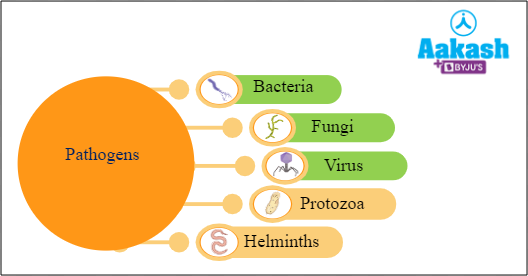
Fig: Different types of pathogens
As a weapon against microbial infections we have invented antibiotics. These antibiotics are effective over most of the microbes except viruses. Most of the antibiotics attack the cell wall. But viruses do not have a cell wall, instead they have a protective protein coat around them. Bacteria attack us from outside the cell. But viruses mostly enter the cell and proliferate inside the cell by using the host cell machinery. This is why viral infections are always severe. It can even lead to death of the host organism in severe cases of diseases.

Fig: Viral infection
Viral infections range from simple common cold to deadly coronavirus. Most of the viral infections of humans will affect any of their organs like lungs, liver, heart etc. A viral infection known as hepatitis damages the liver. It can be also caused by other factors, but hepatitis is mainly caused by a viral infection. Hepatitis is a contagious disease which can be transmitted from one person to another. So now we will discuss more about hepatitis in this article which can severely affect our liver.
Table of contents:
- Hepatitis
- Types of hepatitis
- Symptoms of hepatitis
- Causes of hepatitis
- Diagnosis of hepatitis
- Preventive measures of hepatitis
- Treatment of hepatitis
- Practice Problems
- FAQs
Hepatitis
The inflammation of the liver is known as hepatitis. The condition may be self - limiting, which means it can resolve without treatment or it can worsen into cirrhosis, liver cancer, or fibrosis (scarring). The most frequent cause of hepatitis in the world is hepatitis viruses, although it can also be brought on by other infections, toxic substances (including alcohol and other medicines), and autoimmune diseases.
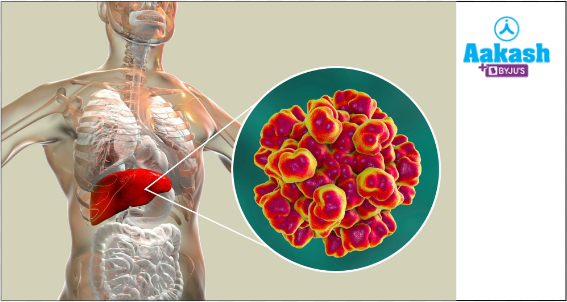
Fig: Hepatitis infection on liver
Classification of hepatitis based on severity
Acute (short-term) or chronic (long-term) hepatitis are two different types of hepatitis infections based on severity of the infection.
Acute hepatitis
Some hepatitis virus types only result in acute infections. Acute infections can appear with few or no symptoms, or they can present with symptoms including jaundice (a yellowing of the skin and eyes), dark urine, extreme fatigue, nausea, and vomiting, as well as stomach pain. Examples include hepatitis A.
Chronic hepatitis
Chronic hepatitis can lead to complications such as cirrhosis (scarring of the liver), liver failure, and liver cancer. Early diagnosis and treatment of chronic hepatitis may prevent these complications. Examples include hepatitis B.
Types of hepatitis virus
Hepatitis A, B, C, D, and E are the five main viral classification of hepatitis. Different viruses are responsible for each type of viral hepatitis. According to the World Health Organisation (WHO), 354 million people worldwide today suffer from chronic hepatitis B and C.
Now let’s discuss more about different types of hepatitis.
Types of hepatitis
Hepatitis comes in different types and has several causes. Five distinct hepatitis viruses, denoted by the letters A, B, C, D, and E, have been discovered by scientists. They all cause liver disease, but they all differ in significant ways. Let's examine each of them separately.
Hepatitis A
An infection with the hepatitis A virus (HAV) causes hepatitis A. Hepatitis of this kind is an acute, short term disease. The hepatitis A virus is found in the faeces of infected people and is most frequently spread by drinking contaminated water or eating contaminated food. HAV can also transmitted through specific sex practices. The majority of people in places with poor sanitation around the world have been infected with this virus.
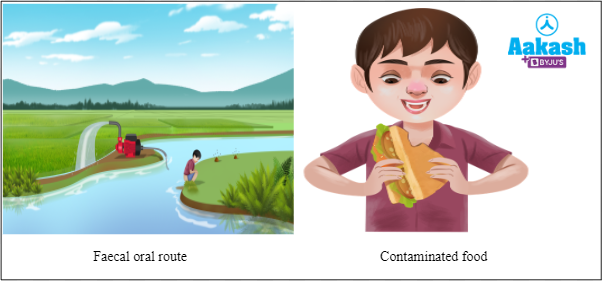
Fig: Common modes of transmission of hepatitis A
Hepatitis B
An infection with the hepatitis B virus (HBV) causes hepatitis B. This is usually a chronic, persistent problem. The transmission of HBV occurs through coming in contact with infected blood, semen, and other bodily fluids. HBV can be passed from mothers to their newborns if the mother is infected at the period of delivery. it can also be transmitted from family members to infants.
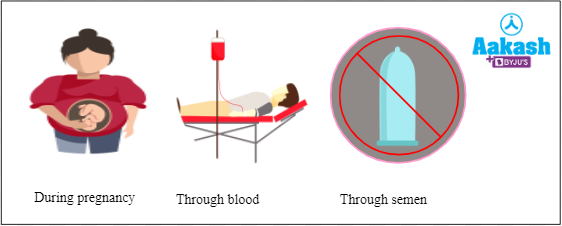
Fig: Common modes of transmission of hepatitis B
Hepatitis C
The hepatitis C virus (HCV) is the cause of hepatitis C. HCV is one of the most prevalent blood borne viral diseases in the US and often manifests as a chronic illness. Most cases of hepatitis C virus (HCV) transmission involve contact with infected blood. This could occur through the use of injectable drugs, contaminated medical injections, and transfusions of HCV infected blood and blood products. While less often, sexual transmission is still a possibility. For HCV, there is no vaccination.
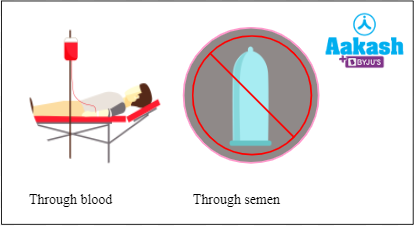
Fig: Common modes of transmission of hepatitis C
Hepatitis D
This type of hepatitis develops when there is a hepatitis B infection. So this is a rare type of infection. It is transmitted through the blood or other body fluids from an infected person. Just like other hepatitis infection, inflammation of the liver is caused by the hepatitis D virus (HDV) too. But it is contagious only in the presence of hepatitis B infection. The combined effects of HDV and HBV infection might worsen the condition and make it more dangerous. The hepatitis B vaccine offers defence against HDV infection.
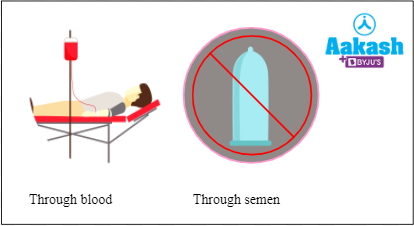
Fig: Common modes of transmission of hepatitis D
Hepatitis E
Hepatitis E is caused by exposure to the hepatitis E virus (HEV) and is a waterborne disease. Hepatitis E is often caused by swallowing faeces that contaminate the water supply and is primarily found in unhygienic places. Eating undercooked pig, deer, or seafood can cause hepatitis E. HEV is a frequent contributor to hepatitis outbreaks in underdeveloped regions of the world. Vaccinations for HEV infection have been developed, however they are not widely accessible. Normal cases of hepatitis E are severe, but pregnant women are especially at risk.
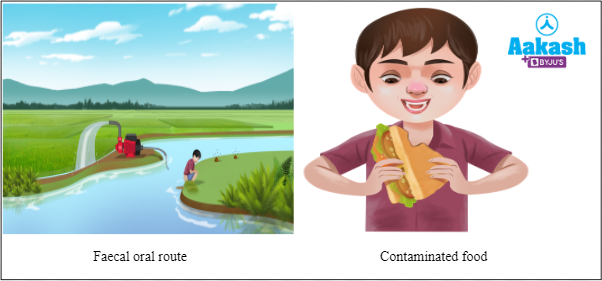
Fig: Common modes of transmission of hepatitis E
Symptoms of hepatitis
Some hepatitis patients do not exhibit any symptoms and are unaware of their infection. For an acute infection, it could take anywhere from two weeks to six months for symptoms to appear. For a persistent infection, symptoms can not appear for many years. So some of the common symptoms of hepatitis are listed below:
- Flu-like symptoms
- Fatigue
- Reduced appetite
- Unexplained weight loss
- Vomiting and/or nausea
- Abdominal pain
- Dark urine
- Pale or clay coloured stool
- Painful joints
- Yellowing of the eyes and the skin due to jaundice
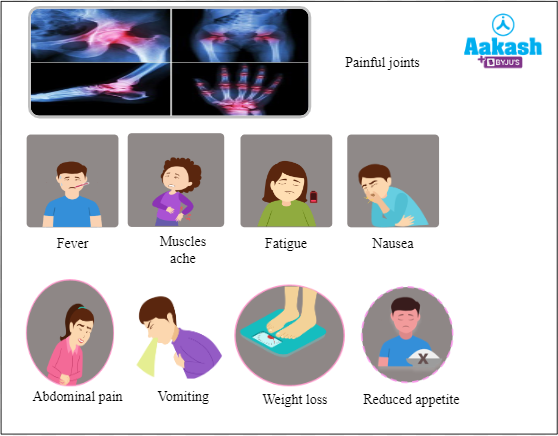
Fig: Common symptoms of hepatitis
Causes of hepatitis
There are different types of causes for hepatitis. So hepatitis can be classified into four based on the cause of the infection. They include viral hepatitis, alcoholic hepatitis, toxic hepatitis and autoimmune hepatitis.
Viral hepatitis
Viral hepatitis is the most common type of hepatitis. It is caused by the different hepatitis viruses like HAV, HBV. HCV, HDV and HEV.
Causative organisms
The causative organisms of each hepatitis are different from each other.
HAV
Hepatovirus A is a picornavirus. It has no envelope. The genetic material of HAV is a positive-sense RNA which is single-stranded. The genetic material is packaged in a protein shell here. The natural hosts of HAV are humans and other vertebrates. The transmission of HAV mainly occurs through the faeces (faecal-oral route) and blood.
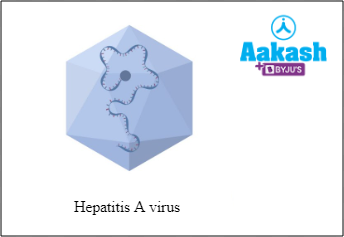
Fig: HAV
HBV
Hepatitis B virus is included under the hepadnavirus family. The genetic material of HBV is a circular DNA which is partially double stranded. The virus particle (virion) is made up of an icosahedral nucleocapsid core made of core protein and an outer lipid envelope. The viral DNA and a DNA polymerase with reverse transcriptase activity are both present within the nucleocapsid. By replicating in hepatocytes, the HBV interferes with the functions of the liver. Compared to the Human Immunodeficiency Virus (HIV), HBV is 50 – 100 times more contagious.

Fig: HBV
HCV
Hepatitis C virus belongs to the genus Hepacivirus in the family Flaviviridae. It is a small and enveloped virus. The genetic material of HCV is a single-stranded positive sense RNA. This virus can multiply in lymphocytes and also replicate in the liver. The majority of infections are spread through percutaneous contact with infected blood; however, the mode of transmission is highly influenced by both geography and economic status. Percutaneous contact includes contact with needlestick, sharp injuries, and splashes which lead to exposure of the mucosa or skin to blood.

Fig: HCV
HDV
It is the hepatitis delta virus, included under the genus Deltavirus. The genetic material here is a negative sense, single stranded and closed circular RNA. Viroids are a class of plant pathogens that are much smaller than viruses, and it has been proposed that HDV may have descended from viroids. Hepatitis D can be transmitted through the same methods as hepatitis B.
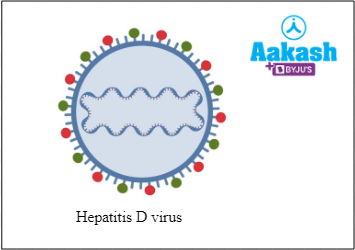
Fig: HDV
HEV
Hepatitis E virus includes under the family Hepeviridae. The genetic material here is a single stranded positive sense RNA. There is no more information about the life cycle of HEV, although it is known that the capsid protein binds to a cellular receptor to allow for viral entrance. The hepatitis E virus is known to exist in domestic animals.

Fig: HEV
Alcoholic hepatitis
It is caused by the heavy use of alcohol, because excess consumption of alcohol will lead to liver damage and inflammation.
Toxic hepatitis
Certain poisons, chemicals, medicines or supplements can also cause liver damage, which is called toxic hepatitis.
Autoimmune hepatitis
It is the chronic type of hepatitis, in which the immune system of our body attacks the liver. Even though the cause is unknown, it is proved that genetics and environment have some role in causing autoimmune hepatitis.
Diagnosis of hepatitis
Hepatitis can be diagnosed through many ways. Some of them are as follows:
- The physical examination
- Blood tests
- Imaging tests (ultrasound, CT scan or MRI)
- Biopsy to check for liver damage
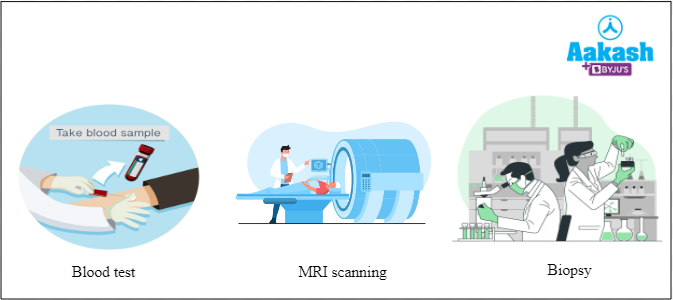
Fig: Diagnosis of hepatitis
Preventive measures of hepatitis
The following measures can be taken to prevent hepatitis:
- The major way to prevent hepatitis is to minimise the risk of exposure to the contaminated substances. So that you can reduce the chance of getting a viral infection.
- Do not share needles.
- Do not share razors.
- Do not use someone else’s toothbrush.
- Do not touch spilled blood.
- Good sanitation and hygiene should be followed.
- Sexual activity and sexual contact can spread hepatitis B and C. When engaging in sexual activity, using barrier techniques like condoms and dental dams can help reduce the risk of infection.
- Getting the correct dose of vaccines is also another method to prevent hepatitis. Most children start receiving the two doses of the hepatitis A vaccine between the ages of 12 and 23 months.
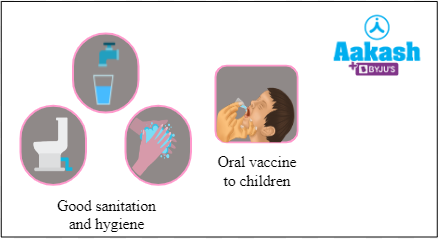
Fig: Preventive measures
Treatment of hepatitis
The type of hepatitis you have and whether it is acute or chronic will determine how you are treated. The following methods are used:
- Acute viral hepatitis frequently heals by itself. The person only needs to rest and drink enough fluids to feel better.
- But occasionally, it might become a more serious issue. In such cases the person might even require hospitalisation for better care.
- The various chronic forms of hepatitis can be treated with medications.
- Surgery and other medical procedures are two additional treatments that are followed depending on the situations.
- The consumption of alcohol must stop if someone is suffering with alcoholic hepatitis.
- You might require a liver transplant if persistent hepatitis results in liver cancer or liver failure.
- A liver transplant is a procedure in which a healthy liver from a deceased donor or a portion of a healthy liver from a living donor is substituted for the liver that is failing to function properly.
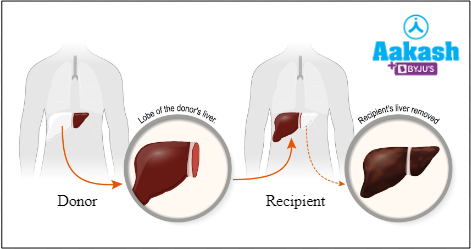
Fig: Liver transplantation
Practice Problems
1. Assertion: Hepatitis A is a viral disease.
Reason: Hepatitis A is a DNA virus which infects the liver cells of humans.
Which of the following is correct about the assertion and reason given above?
- Both the assertion and the reason are true and the reason is the correct explanation of the assertion
- Both the assertion and the reason are true but the reason is not the correct explanation of the assertion
- Assertion is true but the reason is false
- Both the assertion and the reason are false
Solution: Hepatovirus A is a picornavirus, which causes hepatitis A. It is a highly contagious liver infection. The genetic material of HAV is a positive-sense RNA which is single-stranded. The genetic material here is packaged in a protein coat. The natural hosts of HAV are humans and other vertebrates. The transmission of HAV occurs through the faeces (faecal-oral route) and blood. Fatigue, nausea, pain in the abdomen, loss of appetite, and low-grade fever are the common symptoms of hepatitis A infection. So the assertion is true, but the reason is false. Hence the correct option is c.
2. Which of the following is the correct statement about the causes of hepatitis?
- Viral hepatitis is caused by the different hepatitis viruses like HAV, HBV, HCV, HDV and HEV.
- Excess consumption of alcohol will lead to liver damage and inflammation.
- Poisons, chemicals, medicines or supplements can cause liver damage.
- Genetics and environment have no role in causing autoimmune hepatitis.
- A, B, C, D
- A, B, C
- A, C, D
- All of the above
Solution: The most common type of hepatitis is viral hepatitis. It is caused by the different hepatitis viruses like HAV, HBV. HCV, HDV and HEV. The causative organisms of each hepatitis are different from each other. Alcoholic hepatitis is caused by the heavy use of alcohol because excess consumption of alcohol will lead to liver damage and inflammation. Certain poisons, chemicals, medicines or supplements can also cause liver damage, which is called toxic hepatitis. Autoimmune hepatitis is the chronic type of hepatitis, in which the immune system of our body attacks the liver. Even though the cause is unknown, it is proved that genetics and environment have some role in causing autoimmune hepatitis. Hence the correct option is b.
3. Find the type of hepatitis from the following statements.
- It is caused by a DNA virus.
- It is more contagious than HIV.
- The transmission occurs through coming into contact with infected blood, semen, and other bodily fluids.
- It can be passed from mothers to their newborns if the mother is infected at the period of delivery.
- Hepatitis A
- Hepatitis B
- Hepatitis C
- Hepatitis D
Soulton: Hepatitis B is caused by the hepatitis B virus (HBV), which is a member of the hepadnavirus family. The genetic material of HBV is a circular DNA which is partially double stranded. This is usually a chronic, persistent problem. The transmission of HBV occurs through coming in contact with infected blood, semen, and other bodily fluids. HBV can be passed from mothers to their newborns if the mother is infected at the period of delivery. By replicating in hepatocytes or liver cell, the HBV interferes with the functions of the liver. Compared to the Human Immunodeficiency Virus (HIV), HBV is 50 – 100 times more contagious. Hence the correct option is b.
4. What are the preventive measures that can be taken for hepatitis?
Answer: The following measures can be taken to prevent hepatitis:
- The major way to prevent hepatitis is to minimise the risk of exposure to the contaminated substances. So that you can reduce the chance of getting a viral infection.
- Do not share needles.
- Do not share razors.
- Do not use someone else’s toothbrush.
- Do not touch spilled blood.
- Good sanitation and hygiene should be followed.
- Sexual activity and sexual contact can spread hepatitis B and C. When engaging in sexual activity, using barrier techniques like condoms and dental dams can help reduce the risk of infection.
- Getting the correct dose of vaccines is also another method to prevent hepatitis. Most children start receiving the two doses of the hepatitis A vaccine between the ages of 12 and 23 months.
FAQs
1. Is hepatitis an STD?
Answer: Yes, Hepatitis B is considered as a sexually transmitted disease because it can be transmitted through the sexual activity. Unvaccinated adults can get hepatitis B if their sexual partner has chronic hepatitis B infection. Hepatitis A and C can also be transmitted through sexual fluids mixed with fecal matters. But hepatitis D and E are not STDs.
2. What are pararetroviruses?
Answer: As DNA viruses, pararetroviruses carry DNA in their infectious virus particles, but as part of their life cycle, they replicate similarly to retroviruses by passing their genetic material through an RNA strand. HBV is a pararetrovirus or retroid virus. This can replicate the DNA by reverse transcription of a RNA pregenome.
3. What is the connection between HDV and viroids?
Answer: The smallest virus that can infect animals is the HDV. It has been proposed that HDV may have descended from viroids, a group of plant pathogens that are much smaller than viruses. Due to the large proportion of GC nucleotides in the genome of HDV, it is distinct from other animal viruses. However, unlike plant viroids, HDV RNA encodes the hepatitis delta antigen protein (HDAg).
4. Can we live without a liver?
Answer: Even if a portion of our liver is injured or removed, it can still function. However, if it begins to fully shut down due to a condition known as liver failure ,then we can only survive for one or two days without receiving emergency treatment. The function of the liver can be impacted by numerous factors. Among organs, the liver has a special ability to regenerate after injury. Even after having up to 90% of it removed, a liver can regenerate to its original size. But numerous diseases and exposures can permanently damage it, so that it cannot be repaired.
5. Does hepatitis affect the brain?
Answer: Hepatitis B patients with liver cirrhosis have HBV infection and HBV replication in their brain tissue. Patients with hepatitis B who have liver cirrhosis may experience and develop hepatic encephalopathy as a result of HBV infection in brain tissue. Hepatic encephalopathy is a severe disease of the liver which affects the nervous system.

 Call Now
 Let's Chat
 Share
Share