-
Call Now
1800-102-2727


Diversity in Living World

Diversity in Living World
There is an astonishing diversity of species in the big picture of life on Earth, each distinct and interesting uniquely. Ranging from the microscopic to the large scale, the living world is found on all continents and ecosystems. The very essence of life's adaptation and resilience can be found in this incredible diversity. Life on Earth is known for its unrestrained creativity, which constantly results in the emergence of fresh forms and allows it to grow accustomed to the ever-changing environment.
Table of Contents
- What is diversity in the living world?
- Systems of classification
- Hierarchy of classification
- Characteristics of the five kingdoms
- What is evolution?
- Practice problems
- FAQs
What is Diversity in the Living World?
The term "diversity in the living world" refers to the great variety of species living on Earth, including their various forms, functions, and relationships. It is the incredible diversity of life forms present in many habitats that range from microscopic bacteria to advanced multicellular organisms. It is an extension of many species, genetic variations, and ecological variations that have developed over millions of years.
Organisms have grown to adjust to varying environments. Biodiversity refers to the various types and classifications of organisms in various habitats.
Understanding the diversity of the living world using a taxonomic approach is essential to understand the classification, traits, attributes, and characteristics of the world's living species. The idea of diversity in the living world can help us learn about organisms and how they function better.
|
Did You Know? The earth's humid and warm areas are rich in biodiversity and are known as the region of mega biodiversity. |
Systems of Classification
The system of classification represents the notion of shared ancestry and relies on biological evolutionary principles. The classification system is a hierarchical framework for classifying and arranging living things according to their similar traits and evolutionary relationship. It is based on their physical, anatomical, physiological, behavioural, and genetic properties.
There are two major systems of classification:
Two Kingdom Classification
Carolus Linnaeus proposed this method, which divided life into two categories: plants and animals. This classification method was founded on observing notable differences between plants and animals. However, because of its oversimplification and disregard for different kinds of species, it had some drawbacks and served as the basis for other classification systems.
Five Kingdom Classification
Robert Whittaker proposed the five-kingdom classification system in 1969 as a more thorough and broad classification system. It categorises the organisms into five kingdoms: kingdom Monera, kingdom Protista, kingdom Fungi, kingdom Plantae and kingdom Animalia.
The five-kingdom classification system widened the classification parameters by including organisms other than plants and animals. It offered a more thorough framework for classifying species according to their basic traits, ecological functions, and evolutionary connections.
Hierarchy of Classification
The Hierarchy of Classification for biological systems:

Image: Hierarchy of classification
- Domain: The most comprehensive classification divides living organisms into the three domains of Archaea, Bacteria, and Eukarya domains. This classification is founded on cellular and molecular features.
- Kingdom: Establishes broad classifications of organisms based on common traits such as cellular framework, dietary needs, and reproduction. The five-kingdom classification system comprises Monera, Protista, Fungi, Plantae, and Animalia.
- Phylum: Organisms are classified based on anatomical and structural features. For instance, in animals, the species include Mollusca (molluscs), Arthropoda (arthropods), and Chordata (vertebrates).
- Class: A phylum is further divided into subgroups of organisms based on shared traits and characteristics. For example, organisms in the class Mammalia have mammary glands and hair.
- Order: Organisms within a class are divided based on shared characteristics in anatomy, behaviour, and additional features. Examples include Primates (primate species) and Carnivora (carnivores).
- Family: Organisms are classified within an order according to similar genetic and bodily features. For example, the family Felidae belongs to the order Carnivora and includes cats.
- Genus: It includes a group of closely associated species with similar traits. Similarities in physical characteristics and genetic links often define genera. The Panthera genus, for example, comprises the lion (Panthera leo), tiger (Panthera tigris), and leopard (Panthera pardus).
- Species: The most basic classification level defines a group of distinct individuals who can interbreed and produce healthy offspring and have a common set of traits. A species is defined by a binomial name that consists of the genus and the species descriptor. The current human species, for example, is represented by Homo sapiens.
Characteristics of the Five Kingdoms
The five-kingdom classification system is widely used for categorising and classifying living organisms according to their significant features. The five-kingdom classification system was put forward by Robert Whittaker in 1969.
Kingdom Monera
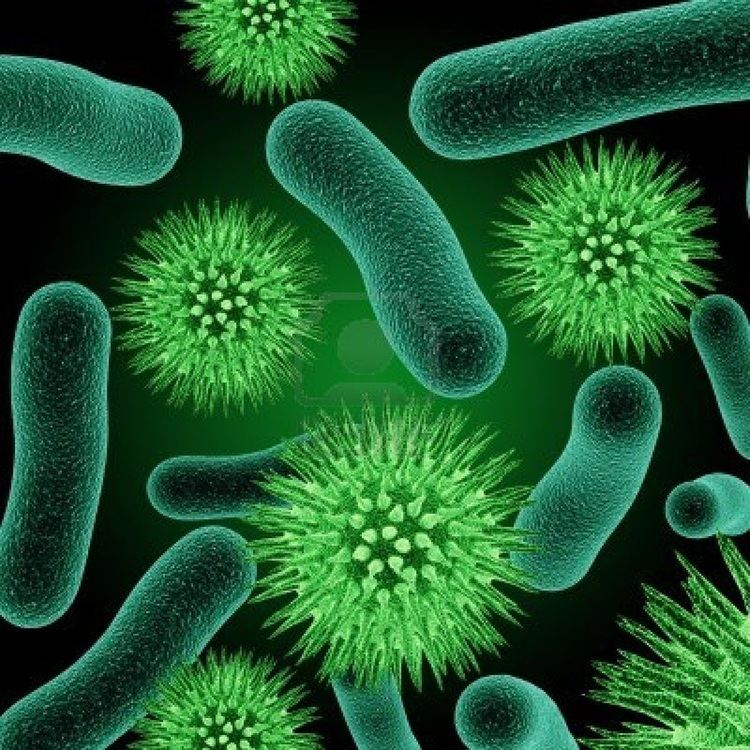
Image: Kingdom Monera
The characteristics features of kingdom monera are as follows:
- It consists of prokaryotic (non-nucleated) organisms.
- Single-celled creatures.
- Includes bacteria and cyanobacteria, also called blue-green algae.
- Exhibits an extensive range of metabolic characteristics.
- Located in a range of settings, including harsh ecosystems.
- Asexual reproduction occurs by binary fission.
- Membrane-bound organelles are absent.
- Various shapes, such as cocci (spherical), bacilli (rod-shaped), and spirilla (spiral).
- Can grow colonies and biofilms.
- They possess a cell wall that might include peptidoglycan (in bacteria).
- Autotrophic (photosynthetic) or heterotrophic (nutritional sources other than photosynthesis).
- Certain bacteria are pathogenic, causing diseases in different organisms.
- Decomposers break down biological substances.
Kingdom Protista
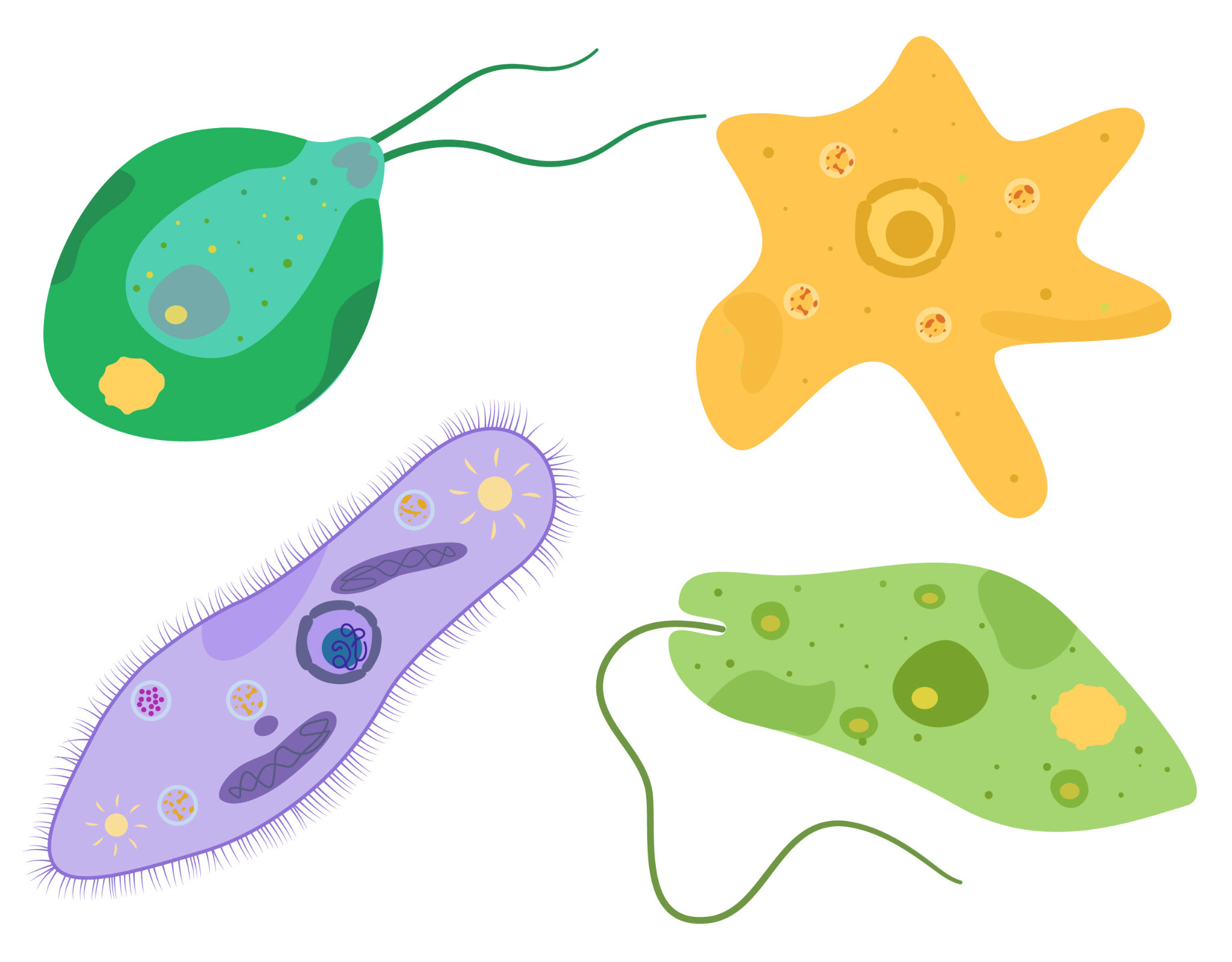
Image: Kingdom Protista
Characteristics of kingdom protista include the following:
- Eukaryotic creatures have true nuclei and membrane-bound organelles.
- They are unicellular, but they can form colonies.
- Exhibit a wide variety of forms and ways of existence.
- Found in aquatic areas, such as freshwater and marine environments.
- Some protists are heterotrophic, while others are photosynthetic.
- Show various locomotion mechanisms, such as flagella, cilia, and pseudopodia.
- Protists can move, consume other creatures, and have animal-like characteristics.
- Show traits of fungi, such as producing spores.
- Certain protists are pathogenic, such as Plasmodium, which causes malaria.
- Might form symbiotic relationships with different organisms, like mutually beneficial relationships with corals or lichens.
- Act as markers for water quality and environmental health.
- The life cycles of many protists are intricate and involve both sexual and asexual reproduction.
- Some protists can produce light via bioluminescence.
- Certain examples of protists include amoeba, paramecium, diatoms, euglenoid and dinoflagellate.
Kingdom Fungi
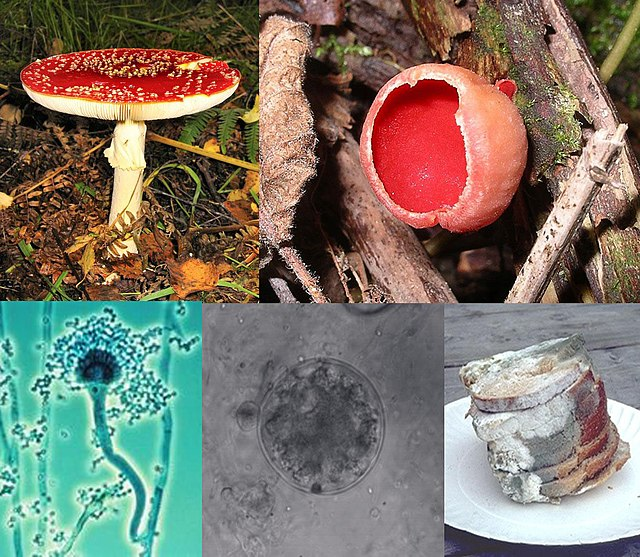
Image: Kingdom Fungi
Characteristics of kingdom fungi include the following:
- Eukaryotic organisms have a true nucleus and membrane-bound organelles.
- The majority are multicellular, although some—like yeasts—can be unicellular.
- Nutrients are obtained through the absorption and decomposition of organic materials.
- Have hyphae, which are filamentous structures that bind together to create mycelium.
- Cell walls are made of chitin.
- Both sexual and asexual reproduction are possible.
- Lack of mobility, but can develop and spread quickly.
- Play an important role in the cycle of nutrition and the breakdown of complex organic molecules (decomposition).
- Can build symbiotic relationships with plant roots, such as mycorrhizal associations.
- Pathogenic fungi can infect plants, animals, and people with diseases.
- Certain fungi make antibiotics, like penicillin.
- Some fungi create beneficial relationships with different creatures, such as lichens.
- Certain fungi show bioluminescence.
- Some examples of fungi are mushrooms, moulds, yeasts, etc.
Kingdom Plantae
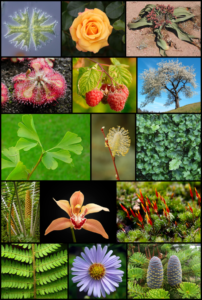
Image: Kingdom Plantae
The characteristics of the kingdom Plantae include the following:
- Eukaryotic, multicellular organisms have membrane-bound organelles and a true nucleus.
- Conduct photosynthesis, which uses chlorophyll and other pigments to convert sunlight into chemical energy.
- Cell walls made of cellulose sustain the structure.
- Display a range of shapes and sizes, from tiny mosses to tall trees.
- Reproduce sexually by producing spores or seeds.
- Special reproductive features, such as flowers or spore-bearing structures.
- A vital part of generating oxygen and carbon dioxide absorption.
- Provide habitat and nourishment for other organisms.
- Adapted to various environmental situations, including deserts, woodlands, and aquatic environments.
- Some plants have developed defence mechanisms like thorns, spines, or volatile chemicals.
- The nutrient- and water-absorbing roots of plants help to anchor them in the soil.
- Plants and other species can develop mutualistic interactions, such as mycorrhizal partnerships with fungi or nitrogen-fixing bacteria.
- Economic significance in forestry, agriculture, horticulture, and medicine.
Kingdom Animalia
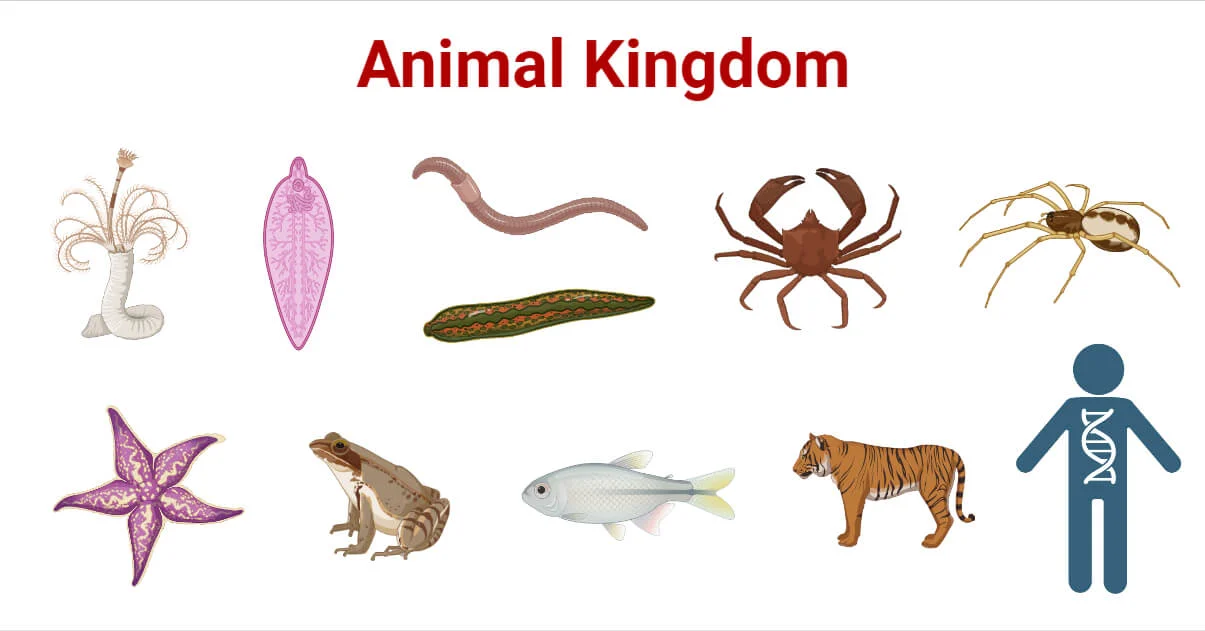
Image: Kingdom Animalia
The characteristics of the kingdom Animalia include the following:
- Multicellular eukaryotic organisms have membrane-bound organelles and a true nucleus.
- Heterotrophic, getting nutrition from other living things.
- Capable of locomotion and can move utilising muscles and specific structures.
- Have unique sensory systems for environmental sensing.
- Sexual reproduction involves the fusing of gametes.
- Most animals have a specific life cycle, including embryonic growth and adulthood maturation.
- Structured into tissues, organs, and organ systems, enabling specialised functioning.
- Possess a neurological system that allows for coordination and reaction to stimuli.
- Found in various habitats, such as freshwater, land, and aquatic habitats.
- Play a range of ecological functions as consumers, predators, prey, and decomposers.
- Can adapt for survival, using methods like mimicry, camouflage, or defences.
- Feature a lot of genetic variation within species.
- The animal kingdom comprises invertebrates (insects, worms, molluscs, and arachnids) and vertebrates (amphibians, reptiles, birds, and mammals).
What is Evolution?
Evolution is the underlying mechanism that governs the alterations and growth of life on Earth over time. It is an idea in science that describes how creatures have changed over time and have evolved to their specific ecosystems.
Fundamentally, evolution is founded on Charles Darwin's idea of natural selection from the 19th century. This idea states that inherited features vary amongst individuals within a community. These changes can develop due to genetic recombination during reproduction, genetic alterations, or other processes.
Evolution acts on a broad timeline, stretching millions of years, creating the diversity of species we see today. It illustrates how living things develop the adaptations that allow them to flourish in specific surroundings and support their reproductive cycle.
Practice Problems
Q1. As we go lower in the classification system, the similarity in characteristics at each taxon:
a. Remains same
b. Goes on decreasing
c. Goes on increasing
d. Might decrease or increase
Ans. c. The similarities between organisms increase as we go from domain to species.
Q2. The evolutionary history of an organism is called:
a. Ontogeny
b. Ancestry
c. Palaeontology
d. Phylogeny
Ans. d. Phylogeny is the study of the evolution of a species or group in terms of lines of ancestry and links among large groups of organisms.
Q3. Which of the following is correctly matched?
a. Housefly - Musca, an order
b. Tiger - tigris, the species
c. Humans - Primata, family
d. Cuttlefish - Mollusca, a class
Ans. b. Tiger has the biological name Panthera tigris. It is an animal which belongs to the genus Panthera and the species tigris.
FAQs
Q1. What is the cause of diversity?
Ans. Diversity is the result of the interaction between organisms and the environment and the implications of these interactions over a long period of time.
Q2. What is the concept of the living world?
Ans. The living world is an extensive network of interrelated organisms that participate in the processes of metabolism, reproduction, and response to stimuli from the environment.
Q3. Who is the father of evolution?
Ans. The theory of evolution was initially given by Charles Darwin and Alfred Russel Wallace. They proposed the “theory of evolution by natural selection” in the nineteenth century.

 Call Now
 Let's Chat
 Share
Share