-
Call Now
1800-102-2727


Properties of Amino Acids – Introduction, Classification, Functions, Practice Problems and FAQ

You must have observed that people going to the gym are generally advised to consume more protein-rich food but do you know why they are advised to do so?
Protein not only helps prevent muscle breakdown, but it can also help build muscle. Regular activity and exercise, combined with protein consumption, promote muscle growth. In fact, the food that we eat is made up of components for our body which help keep our body fit and healthy. Food contains important nutrients required for the proper functioning of the body which include carbohydrates, proteins, vitamins, minerals etc.

One nutrient, protein, is very essential for our body and performs a wide range of functions within living things, including catalysing metabolism. Proteins are large biomolecular and macromolecular structures made up of one or more long chains of amino acid residues. DNA replication, responding to stimuli, providing structure to organisms and cells and transporting molecules are some of the functions of proteins.
Let’s get to know more about proteins and their properties in this article.
TABLE OF CONTENTS
- Amino Acids – Introduction
- Amino Acids Present in the Living System
- Amino Acids – Classification
- Amino Acids – Physical Properties
- Amino Acids – Chemical Properties
- Amino Acids – Functions
- Practice Problems
- Frequently Asked Questions – FAQ
Amino Acids – Introduction
Proteins are formed by combining the organic chemical compounds known as amino acids and this is the reason they are the building blocks of proteins. These are biomolecules which are required for human growth and development and play a variety of chemical and biological functions in the human body. In nature, there are around 300 amino acids. As illustrated below, amino acids contain both amino and carboxylic acid groups.
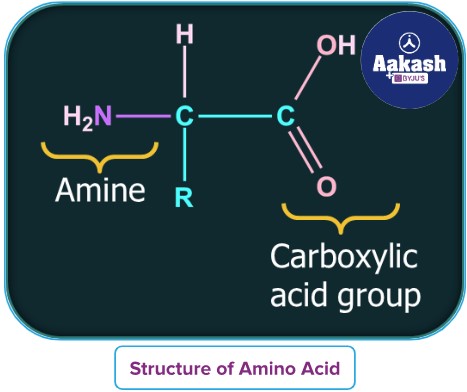
Note that ‘R’ can be an alkyl, aryl, or any other group, but it can not contain any unstable, strained cycles, or functional groups.
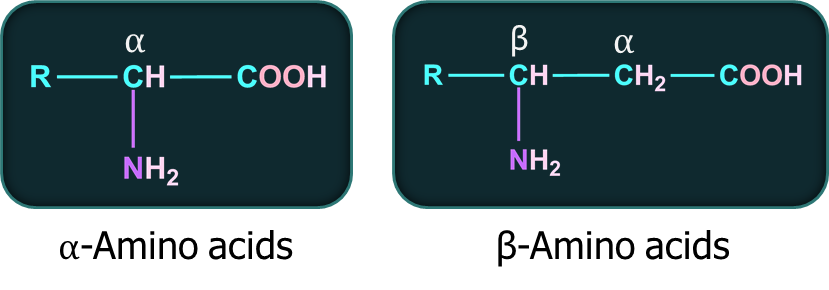
Amino acids are classified as 𝛼, β, 𝛾, and so on, depending on the position of the amino group in the chain.
Amino Acids Present in the Living System
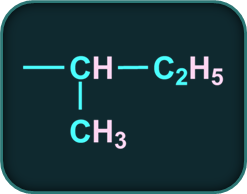
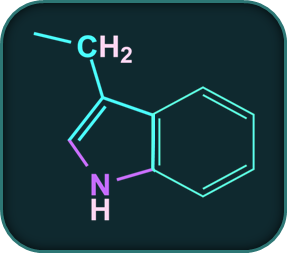
In the living system, there are around 20 amino acids as depicted below.
|
Name of the Amino Acid |
Three Letter Symbol |
One Letter Code |
Side Chain (R) |
|
Glycine |
Gly |
G |
-H |
|
Alanine |
Ala |
A |
-CH3 |
|
Valine |
Val |
V |
-CH(CH3)2 |
|
Leucine |
Leu |
L |
-CH2-CH(CH3)2 |
|
Isoleucine |
Ile |
I |
|
|
Phenylalanine |
Phe |
F |
-CH2-C6H5 |
|
Cysteine |
Cys |
C |
-CH2-SH |
|
Methionine |
Met |
M |
-CH2-CH2-S-CH3 |
|
Tryptophan |
Trp |
W |
|
|
Serine |
Ser |
S |
-CH2-OH |
|
Asparagine |
Asn |
N |
-CH2-CO-NH2 |
|
Glutamine |
Gln |
Q |
-CH2-CH2-CO-NH2 |
|
Threonine |
Thr |
T |
|
|
Tyrosine |
Tyr |
Y |
|
|
Proline |
Pro |
P |
|
|
Aspartic acid |
Asp |
D |
-CH2-COOH |
|
Glutamic acid |
Glu |
E |
-CH2-CH2-COOH |
|
Arginine |
Arg |
R |
|
|
Histidine |
His |
H |
|
|
Lysine |
Lys |
K |
-CH2-(CH2)3-NH2 |
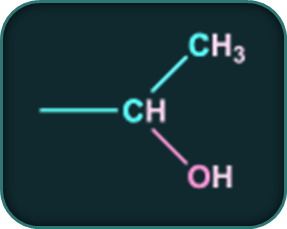
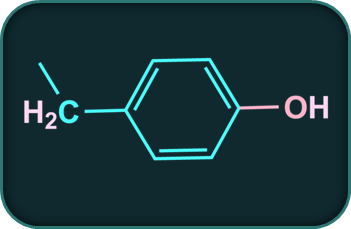
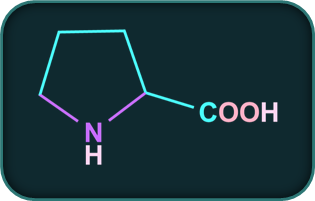
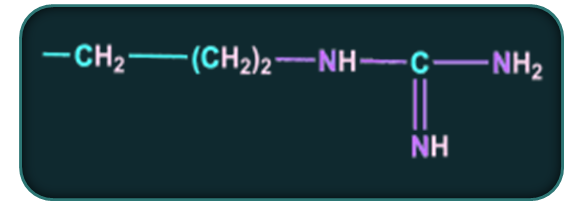
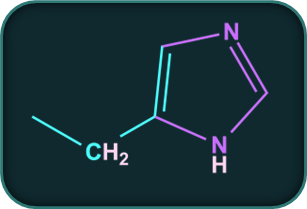
Amino Acids – Classification
Amino acids can be classified in different ways. Based on the functional group present, they are classified as
- Neutral amino acids
- Acidic amino acids
- Basic amino acids
Let’s understand them one by one.
Neutral Amino Acids
If an equal number of –NH2 and –COOH groups are present, they are known as neutral amino acids.
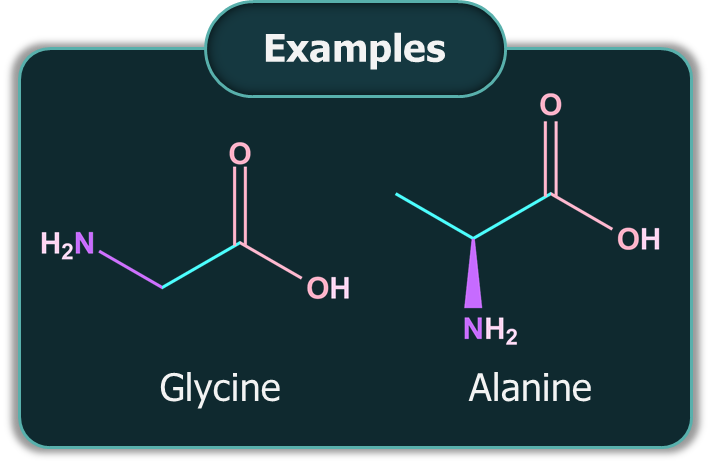
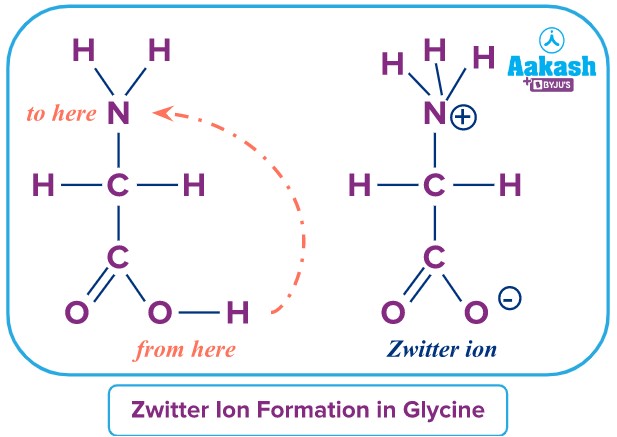
Zwitter Ion: In a neutral amino acid solution, the -COOH loses a proton and the -NH2 of the same molecule picks up the proton. The resulting ion is known as a Zwitter ion. Zwitter ion is dipolar and charged, but overall electrically neutral. So, we can say that these amino acids are amphoteric in nature. The formation of a Zwitter ion is shown below.
Acidic Amino Acids
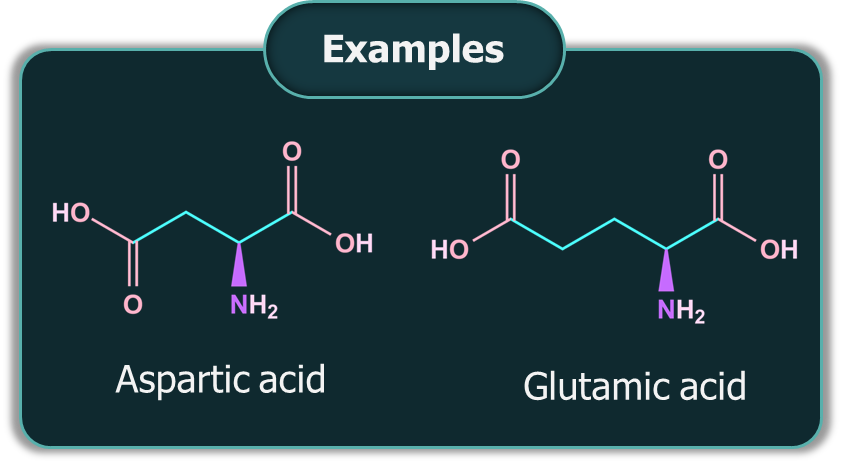
If more number of -COOH groups are present as compared to -NH2 groups, they are known as acidic amino acids.
Basic Amino Acids
If more number of -NH2 groups are present as compared to -COOH groups, they are known as basic amino acids.
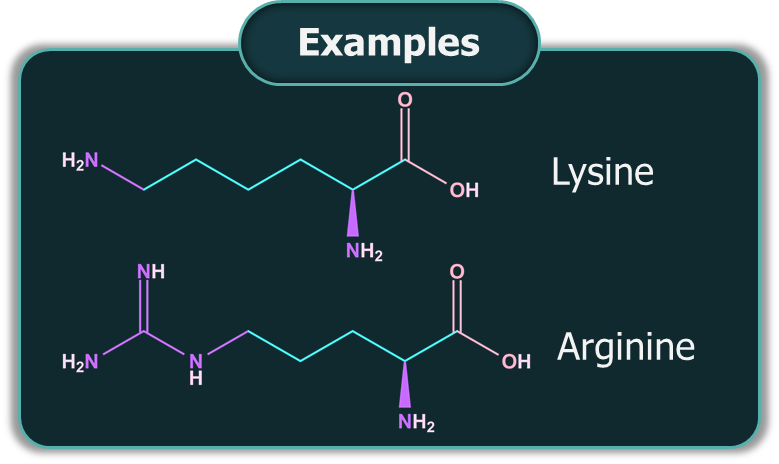
Based on their synthesis, amino acids are classified as
- Essential amino acids
- Non-essential amino acids
Essential and Non–Essential Amino Acids
Out of the 20 amino acids present in the body, alanine, asparagine, aspartic acid, tyrosine, glutamic acid, glutamine, glycine, proline, serine, and cysteine are known as non-essential amino acids as they can be synthesised by the body.
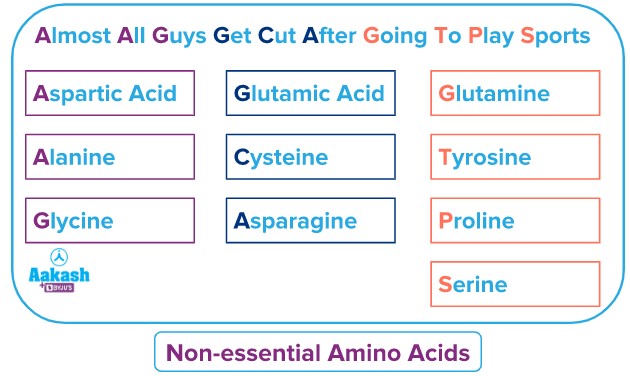
There are ten other amino acids that are essential since our bodies are incapable of producing them. These amino acids include isoleucine, histidine, lysine, leucine, phenylalanine, tryptophan, methionine, threonine, arginine and valine. These are known as essential amino acids.
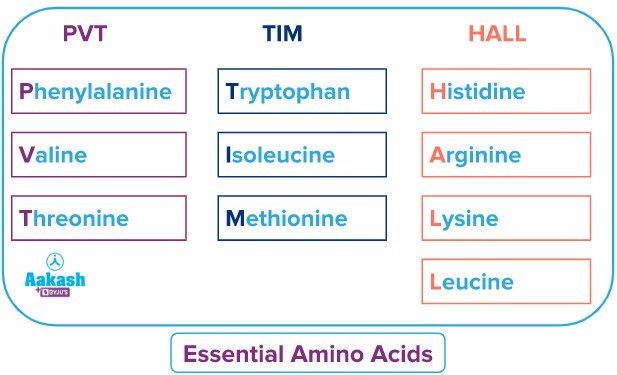
Amino Acids – Physical Properties
- Amino acids are crystalline solids that are colourless.
- The melting point of all amino acids is generally more than 200℃.
- They dissolve easily in water, just slightly in alcohol, and more slowly in methanol, ethanol, and propanol. The amino acid R-group and the solvent's pH both have a significant impact on solubility.
- They decompose when heated to high temperatures.
- Except for glycine, all amino acids show optically active behaviour.
- Peptide bond formation: Amino acids can generate peptide bonds by joining their carboxylate and amino groups. A (-CO-NH-) linkage is created when an alpha-amino group of one amino acid forms a covalent bond with an alpha-carboxyl group of another amino acid. These peptide linkages are planar and somewhat ionic in nature.
Amino Acids – Chemical Properties
- Zwitter ionic property: A Zwitter ion is a molecule that contains functional groups with at least one positive and one negative electrical charge. The overall net charge of the molecule is zero. The most well-known Zwitter ions are amino acids. They have a basic amine group and an acidic carboxylic group. Because the -NH2 group is the stronger base, it picks up H+ from the -COOH group, forming a Zwitter ion. The (neutral) Zwitter ion is the most common form of amino acids found in solution.
- Amphoteric nature: Because they include both amine and carboxylic groups, amino acids are amphoteric in nature, which means they can function as both a base and an acid.
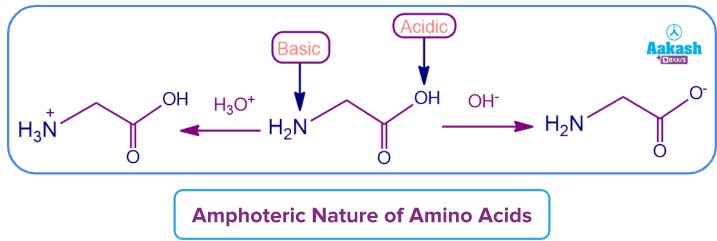
- Ninhydrin test: When 1 mL of Ninhydrin solution is added to 1 mL of a protein solution and heated, the presence of -amino acids is indicated by the formation of a violet-coloured solution.
- Xanthoproteic test: The xanthoproteic test detects the aromatic nature present in the amino acid (tyrosine, tryptophan, and phenylalanine) solutions using a concentrated nitric acid solution. Nitration of benzenoid radicals in the chain of amino acids occurs as a result of a reaction with nitric acid, forming a yellow colour solution.
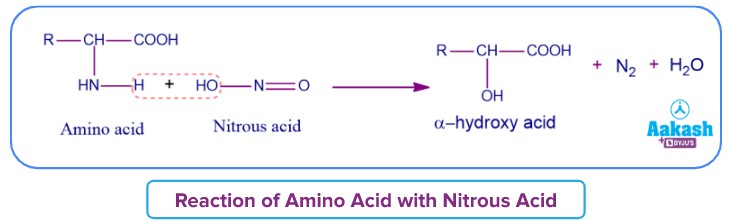
- Reaction with nitrous acid: Nitrous acid reacts chemically with the amine group present, releasing nitrogen and producing the corresponding hydroxy acid with the retention of the configuration.
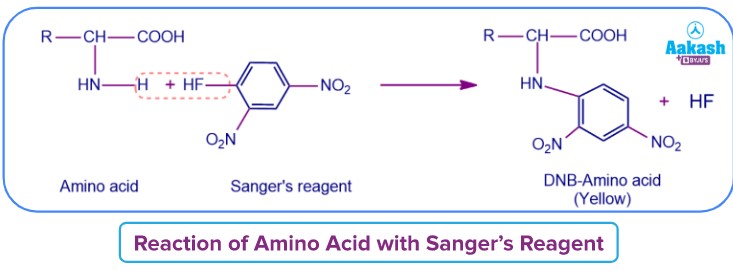
- In a mildly alkaline solution under cold circumstances, Sanger's reagent (1-fluoro-2, 4-dinitrobenzene) combines with a free amino group to give yellow coloured compound.
Related video link: Classification of Amino Acids (6:48 to 10:48)
Amino Acids – Functions
The functions of essential and non-essential amino acids are different. Let's take a look at them one by one.
Functions of Essential Amino Acids
- Phenylalanine helps to maintain a healthy nervous system as well as improve memory.
- Valine is an essential nutrient for muscle growth.
- The amino acid threonine aids in the proper functioning of the immune system.
- Tryptophan is required for the synthesis of vitamin B3 and serotonin hormones. The regulation of food, sleep, and mood all depend on the serotonin hormone.
- Isoleucine is required for haemoglobin synthesis, pancreatic insulin production stimulation, and oxygen transport from the lungs to various parts of the body.
- Methionine is used to treat kidney stones, keep skin healthy, and defend the body against harmful bacteria.
- Leucine contributes to the generation of growth hormones and protein synthesis.
- Lysine is essential for the production of antibodies, hormones, and enzymes, as well as the formation and fixing of calcium in bones.
- Histidine is involved in a number of enzymatic processes as well as the production of both red and white blood cells (erythrocytes and lymphocytes) (leukocytes).
Functions of Non-Essential Amino Acids
- Alanine aids in the removal of toxins and the production of glucose and other amino acids.
- Cysteine is an antioxidant that provides resistance to our bodies and is required for collagen formation. It affects the texture and suppleness of the skin.
- Glutamine is necessary for the creation of nucleic acids, such as DNA and RNA, and it also helps the brain work properly.
- Glycine helps cells grow and operate normally, as well as helps in wound healing. It performs the role of a neurotransmitter.
- Glutamic acid is a neurotransmitter that is essential for brain growth and function.
- Arginine aids in the creation of proteins and hormones, as well as kidney cleansing, wound healing, and immune system maintenance.
- Tyrosine is needed for the production of thyroid hormones T3 and T4, as well as the creation of a group of neurotransmitters and melanin, which gives our eyes, hair, and skin their natural colours.
- Serine is important for muscle growth and immune system protein production.
- Asparagine is principally involved in the transfer of nitrogen into human body cells, the generation of purines and pyrimidine for DNA synthesis, nervous system growth, and physical stamina improvement.
- Aspartic acid is an essential component of metabolism and amino acid synthesis.
- Proline is largely involved in tissue repair, collagen production, artery wall thickening and hardening prevention (arteriosclerosis), and skin regeneration.
Practice Problems
1. Which of the given statements about the optical activity of amino acids is correct?
a. Except for lysine, all amino acids are optically active.
b. Optical activity is present in all amino acids.
c. Except for glycine, all amino acids are optically active.
d. Except for glutamic acid, all amino acids are optically active.
Answer: C
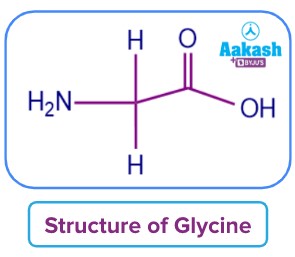
Solution: Except for glycine, all amino acids are optically active. Glycine does not contain a chiral carbon centre, therefore it does not show optical activity.
So, option C is the correct answer.
2. Which of the following statements is correct regarding the properties of amino acids?
a. Generally, amino acids are colourless in nature.
b. They are mostly crystalline solids.
c. Amino acids are solids that have a high melting point, are water-soluble, and act like salts.
d. All of the above
Answer: D
Solution: Generally, amino acids are colourless, crystalline solids. These solids have high melting points, are water-soluble, and act more like salts than simple amines or carboxylic acids. Because the same compound contains both basic (amino group) and acidic (carboxyl group) groups, this behaviour is more like salts. Thus, all the above-mentioned statements are correct.
So, option D is the correct answer.
3. Which of the following is an essential amino acid?
a. Tryptophan
b. Asparagine
c. Glutamic acid
d. Proline
Answer: A
Solution: The amino acids that can not be synthesised by our body are called essential amino acids. These amino acids include isoleucine, histidine, lysine, leucine, phenylalanine, tryptophan, methionine, threonine, arginine and valine. Out of the given amino acids in the options, only tryptophan is an essential amino acid.
So, option A is the correct answer.
4. The majority of amino acids that exist in nature are in ____________.
a. L-Configuration
b. R-Configuration
c. S-Configuration
d. D-Configuration
Answer: A
Solution: The majority of amino acids that exist in nature are in L-configuration. When the -NH2 group is present on the left side, the amino acids are called L-amino acids.
So, option A is the correct answer.
Frequently Asked Questions – FAQ
1. What are the various diseases that can result from an amino acid deficiency?
Answer: Amino acid deficiency is a condition in which a person's body lacks essential amino acids. As a result, we must have all the essential amino acids in our daily diet to maintain a healthy and proper body function. An amino acid deficiency can cause a variety of pathological conditions including oedema, anaemia, insomnia, diarrhoea, depression, and problems with the skin and hair to name a few and the person suffering from the disease may experience some of the symptoms like headache, weakness, irritability, and exhaustion.
2. What are non-proteinous amino acids?
Answer: Proteins are mainly synthesised from 20 amino acids in a genetically controlled system. As a result, amino acids are the fundamental building blocks of proteins. There are over 300 amino acids found in nature, but only 20 are normal and present in proteins because they are coded by genes. Other amino acids, known as non-protein amino acids, are modified amino acids. Examples: Cycadaceae, Liliaceae, Sapindaceae, etc.
3. What is the isoelectric point in an amino acid?
Answer: At pH values in between the two pKa values, the Zwitter ion predominates for amino acids with uncharged side chains but coexists in equilibrium with small amounts of net negative and net positive ions. The trace amount of net negative and trace amount of net positive ions balance at the midpoint between the two pKa values so that the average net charge of all forms present is zero. This pH is referred to as the isoelectric point.
4. What is the role of amino acids in our body?
Answer: They are required for many bodily functions, including the synthesis of proteins, tissue repair, and absorption of nutrients. Some may also aid in the prevention of muscle loss, recovery from surgery, and the improvement of mood, sleep, and athletic performance. They are classified as essential or non-essential based on a variety of factors, including whether or not the body can synthesise them.

 Call Now
 Let's Chat
 Share
Share