-
Call Now
1800-102-2727


Proteins: Structure, Types, Denaturation, Structure and Function Relationship, Deficiency Diseases, Functions, Practice Problems and FAQs

Your parents and grandparents always ask you to have milk daily, right. We take different forms of milk products also like paneer, cheese, ice cream etc. Milk contains water, carbohydrates like lactose, fats, proteins like casein, and minerals. It will give you strength and energy. It is good for health.
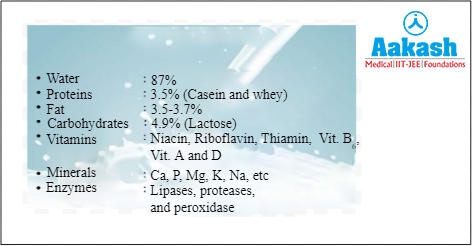
Fig: Composition of milk
You also heard about people consuming protein powder, especially those who are going to the gym. It will give the required proteins for muscle growth. Now you know that proteins are required for proper growth and development. It is connected to our day today life. You have studied in lower classes that proteins are the building blocks of the body. We will get proteins from a variety of food we have. So tell me now what are the functions performed by proteins in our body?
To answer this question, we must know first about the different types of proteins present in our body. You know that the structure of a protein determines the type of function it performs. There are mainly four types of levels of organisation seen in proteins. Do you know how proteins are formed in our body or what is the structure of proteins?. We will study about it in this article in depth.
Let me ask you one interesting question related to proteins now, do you know which is the most abundant animal protein? Yes, you are correct. It is collagen and is present in the connective tissue. It is a major structural protein present in our body. Likewise, RuBisCo (Ribulose bisphosphate Carboxylase-Oxygenase) is the most abundant protein in the biosphere which has a significant role in photosynthesis. It is an enzyme. So now you are interested to know more about proteins. Let’s take a deep dive into the details of proteins in this article.
Table of contents
- Protein
- Peptide bond
- Structure of proteins
- Types of proteins
- Denaturation of proteins
- Structure-function relationship of protein
- Diseases associated with protein deficiency
- Practice Problems
- FAQs
Protein
Protein is a highly complex substance that is found in all living organisms. It is a polymer of L-α-amino acids. They play very critical roles in the body. Proteins have a great nutritional value; therefore, they are involved in the essential chemical processes of life.
Word ‘Protein’
Swedish chemist Jöns Jacob Berzelius in 1838 coined the term protein. The term ‘protein’ was derived from the Greek word ‘prōteios’ which stands for ‘holding first place.’ Yes, they hold the first place in our body, examples include enzymes, hormones, structural proteins etc. Proteins are species-specific which means that the proteins present in one species differ from the proteins present in another species. Additionally, they are organ-specific; for instance, muscle proteins are different from brain and liver proteins within the same organism.
Composition of proteins
A protein is a large molecule as compared to the molecules of sugar or salt. It is composed of amino acids that are joined together by peptide bonds and form long chains of beads that are arranged on a string. The human body synthesises a large number of proteins, however, there are only 20 different kinds of amino acids that make up the protein. It is listed below. Each protein has a different amino acid composition.
Amino acids are a group of organic compounds containing two functional groups namely amino (-NH2) and carboxyl (-COOH) groups. The amino group is basic in nature while the carboxyl group is acidic in nature. The amino acids are termed as α-amino acids, if both the carboxyl and amino groups are attached to the same carbon atom. The α-carbon atom binds to a side chain represented by R which is different in various amino acids.
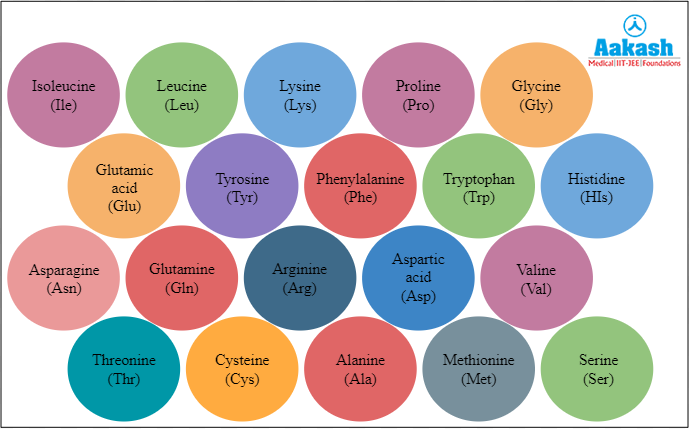
Fig: Names of twenty amino acids present in proteins
Peptide bond
Peptide bonds are used to link the amino acids in proteins. The peptide bond is formed between the carboxyl group of one amino acid with the amino group of another amino acid by the removal of water. The formation of a peptide bond requires energy. It is obtained by the hydrolysis of ATP. They are also called amide linkage in organic chemistry. A peptide bond is not rigid. Thus, it allows the flexibility required for folding of proteins.
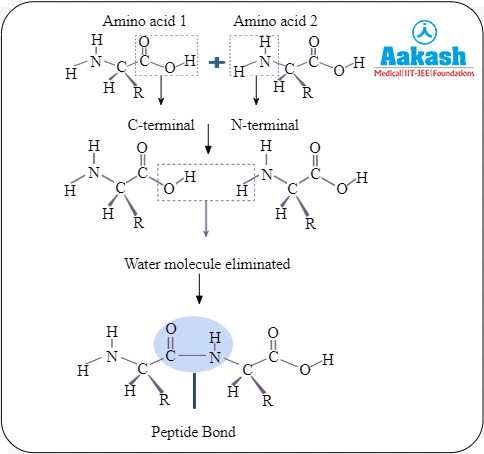
Fig: Formation of peptide bond
Characteristics of peptide bond
The peptide bond possesses some characteristic features that are listed below:
- They are strong bonds having partial double bond character.
- They can only be degraded after exposing them to very high temperatures, strong acids, bases or by the action of some specific enzymes, such as digestive enzymes (trypsin, chymotrypsin).
- These bonds are rigid and planar in nature and therefore they stabilise the protein structure.
- Peptide bonds have a partial positive charge and partial negative charge. The partial positive charge is possessed by the polar hydrogen atoms of amino groups and the partial negative charge is possessed by the polar oxygen atoms of carboxyl groups.
Homopolymer vs heteropolymer
Proteins are heteropolymers. They can never be called homopolymers.
|
Homopolymer |
Heteropolymer |
|
These are made up of only one kind of monomer |
These are made up of different types of monomers |
|
Examples include carbohydrates like starch and cellulose |
Examples include carbohydrates like chitin and proteins like keratin or collagen |
|
|
|
Structure of proteins
Different structures of proteins allow them to perform diverse functions in living organisms.
There are four levels of organisation of protein structures on the basis of complexity. They are listed below:
- Primary structure
- Secondary structure
- Tertiary structure
- Quaternary structure
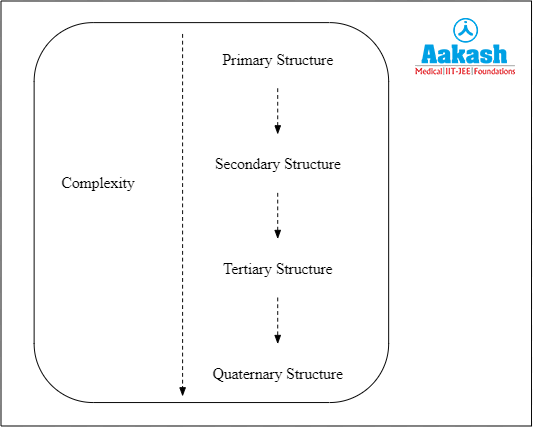
Fig: Four levels of organisation of protein structure
Primary structure of protein
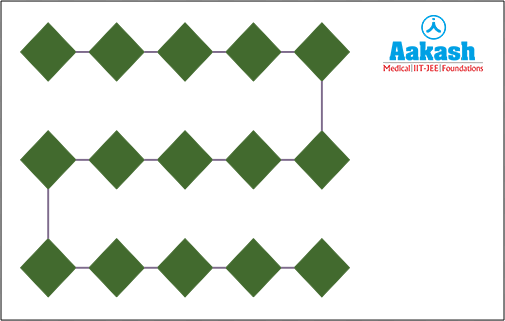
A linear chain of amino acid residues linked together by peptide bond forms the primary structure of proteins. It provides the positional information of amino acids i.e., which amino acid is present at the first position, which one at the second position, and so on. A protein can be shown as a line, with the first amino acid on the left end and the last amino acid on the right end in this model. The first amino acid has a free amino group with alpha carbon, hence, it is called N-terminal amino acid. The last amino acid has a free carboxyl group with alpha carbon, hence, it is called C-terminal amino acid. The amino acid composition of a protein determines its physical and chemical properties.
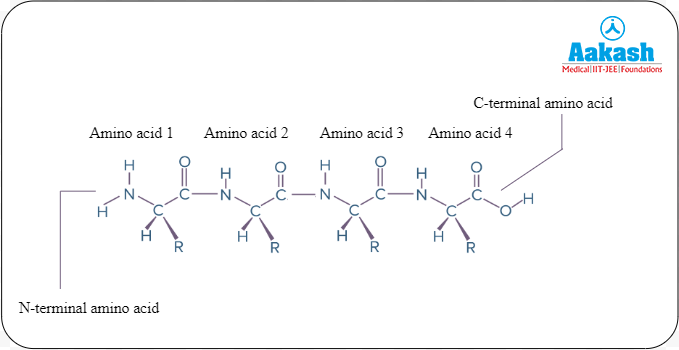
Fig: Primary structure of a protein
Significance of primary structure of protein
The significance of the unique sequence of amino acids in the primary structure of protein is that it determines the 3-D shape of the folded protein. The 3-D structure is required for the proper functioning of protein in most cases. Therefore, the primary structure helps in determining the function of protein.
Secondary structure of protein
It refers to amino acid residue configurations that are exceptionally stable and result in repeating structural patterns. It is formed by the non-covalent interaction between amino acids resulting in the folding of a polypeptide. Peptide bonds and hydrogen bonds are the sole interactions that hold the secondary structure of a protein. There exist two forms of the secondary structure of proteins as follows:
- Alpha helix
- Beta-pleated sheet
Alpha helix
In this structure, a polypeptide chain backbone wounds tightly around an imaginary axis in the form of a helix resembling a spring. The majority of proteins found in living organisms have a right-handed helix as left-handed helix are less stable. Examples include keratin and collagen. This structure was proposed by Pauling and Corey in 1951. This structure is stabilised by the hydrogens bonds. It is formed between the H atom attached to peptide N and the O atom attached to peptide C. Each turn of the alpha helix contains 3.6 amino acids.
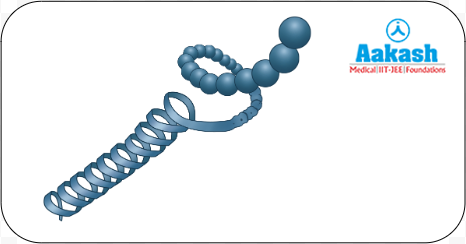
Fig: Alpha-helix structure of a protein
Beta-pleated sheet
In this structure, polypeptide chains are present in an extended form in a parallel or antiparallel fashion resembling pleated sheets rather than helical structure. Here, the two polypeptide chains are linked together by hydrogen bonds. Examples include fibroin protein in silk.
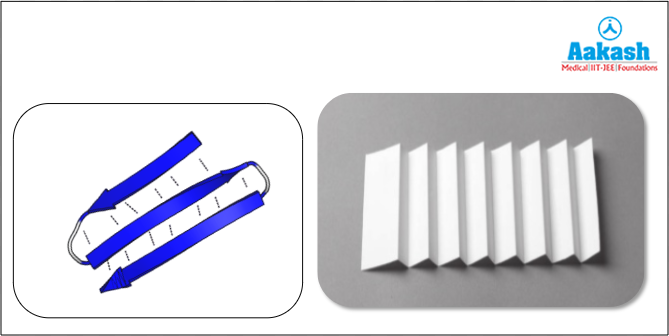
Fig: 𝛃-pleated structure of a protein
Significance of secondary structure of protein
The significance of the secondary structure of a protein is that it helps in determining the conformation of each amino acid in the helix, beta-strand, and coil pattern. The majority of the flexible residues are located in loops that join helices or strands together.
Tertiary structure of protein
The long polypeptide chain folds like a hollow woollen ball giving a three-dimensional structure to proteins. This is called the tertiary structure of proteins. Peptide bonds, ionic interactions (electrostatic bonds), hydrogen bonds, hydrophobic interactions and disulfide bonds are the interactions that help in the formation of the tertiary structure of proteins. It is a compact structure with hydrophobic side chains held inside while the hydrophilic groups present are on the surface of the protein molecule. This structure is easily changed by pH, temperature and chemical substances. The tertiary structure of protein is required for many of their biological functions. Examples include enzymes.
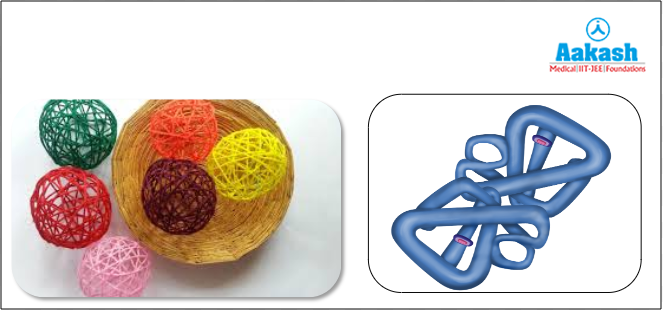
Fig: Tertiary structure of a protein resembles a ball of wool
Significance of tertiary structure of protein
The tertiary structure of a protein is associated with the 3D structure. It provides information about the spatial closeness of secondary structures. The global fold of the sample and the active site are both accessible from the 3D structure.
Quaternary structure of protein
It consists of two or more polypeptide chains. Each polypeptide chain is called a subunit. These subunits may be identical or unrelated. These polypeptide chains are held together by weak van der waal forces, hydrogen bonds, hydrophobic interactions and ionic bonds. These polypeptides or subunits are arranged in a specific manner with respect to each other, forming the quaternary structure of a protein. Each polypeptide chain develops its own tertiary structure and functions as subunits of the protein.
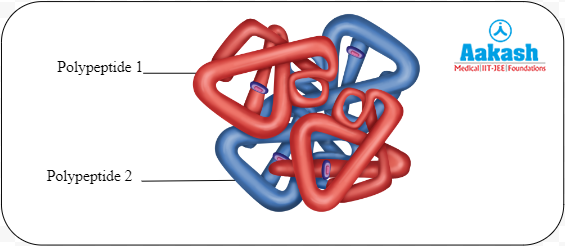
Fig: Quaternary structure of a protein
Structure of haemoglobin
Human haemoglobin is a protein having a quaternary structure. It consists of four haem groups and a globin part. The globin part is made up of 4 subunits i.e., two α and two 𝛃 subunits.
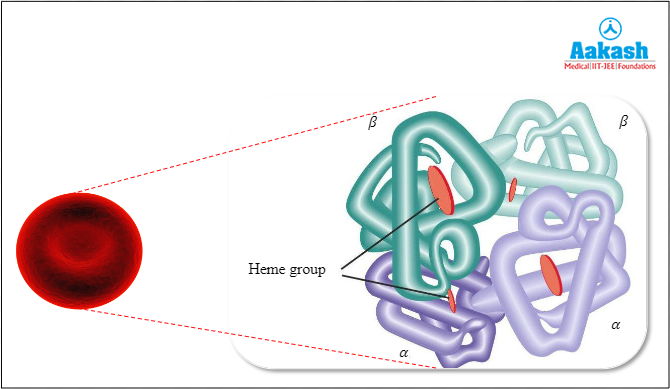
Fig: Structure of haemoglobin
Significance of quaternary structure of protein
The quaternary structure of protein provides information about the oligomeric state of the sample. Oligomeric proteins are normally involved in a variety of biological processes. It includes metabolic activities, chromosome replications and signal transduction.
Types of proteins
Proteins are divided into various types based on different criteria as follows:
- Based on composition
- Based on shape and structure
- Based on function
Types of proteins based on composition
On the basis of composition, proteins are classified into three types as follows:
- Simple proteins
- Conjugated proteins
- Derived proteins
Simple proteins
Simple proteins are a type of protein that are not attached to any other elements. They consist of only amino acid monomers that are joined by a peptide bond. So, upon hydrolysis, they release only amino acid residues. The proteins that belong to this group are the simplest of all proteins.
Examples of simple proteins
Examples of simple proteins are listed below:
|
Simple proteins |
Location |
|
Collagen |
Present in skin
|
|
Myosin |
Present in muscles
|
|
Insulin |
It is a hormone produced by pancreas 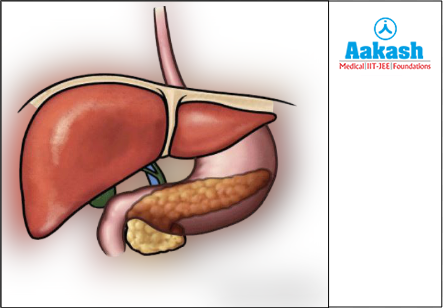
Fig: Pancreas |
|
Keratin |
It is present in hairs 
Fig: Keratin protein in hair |


Conjugated proteins
They are the complex proteins that consist of amino acids along with a non-protein moiety like carbohydrates, lipids, inorganic compounds and metal ions. The non-protein part is called the prosthetic group normally.
Examples of conjugated proteins
Examples of conjugated proteins are listed below:
|
Conjugated proteins |
Location |
|
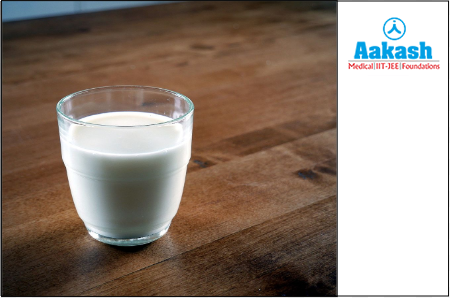
Phosphoproteins - Phosphoric acid is the prosthetic group here. Casein in milk is an example |
Milk
|
|
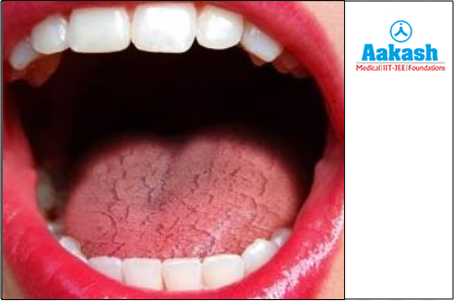
Glycoproteins - Carbohydrate is the prosthetic group in this protein. Mucin is an example |
Present in saliva
|
|
Nucleoproteins - Nucleic acid is the prosthetic group here. Examples include ribonucleoproteins - RNA + Protein in ribosomes. |
It is present in cytoplasm 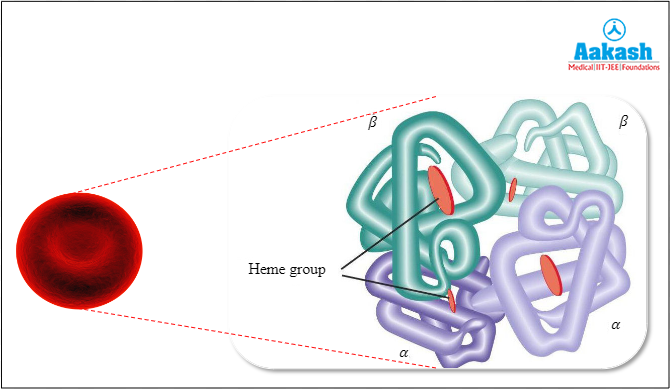
Fig: Ribosome in cytoplasm |
|
Lipoproteins - Lipid is the prosthetic group here. High-Density Lipoproteins (HDL) is an example. |
It is present in blood 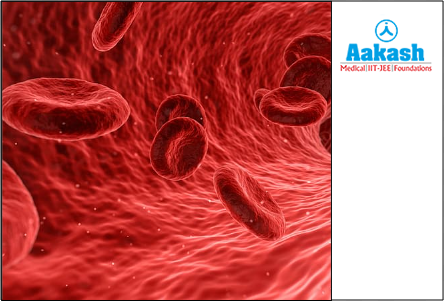
Fig: HDL in blood |
|
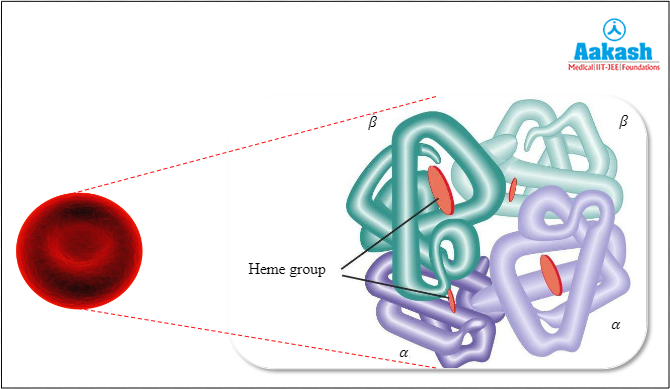
Chromoprotein - The prosthetic group is coloured here. Haemoglobin is an example where haem is the coloured part. (Pigment + Protein). |
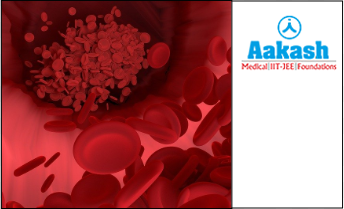
It is present in RBCs
|
|
Metalloproteins - Metal ions are present in this protein. For example, in haemoglobin iron is present. |
Haemoglobin is present in red blood cells (RBCs) 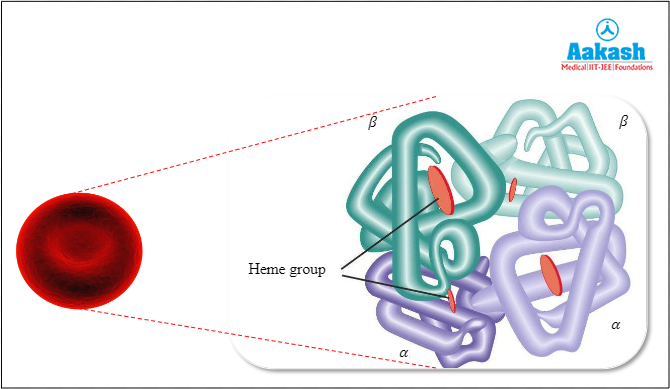
Fig: Haemoglobin in RBCs |
Derived proteins
These proteins are of two types as follows:
Primary derived proteins
These are the denatured, coagulated or first hydrolysed products of proteins. They include coagulated proteins (denatured proteins), proteans (earliest product of hydrolysis of proteins), and metaproteins (second stage products of hydrolysis).
Secondary derived proteins
These are obtained by the progressive hydrolysis of proteins. Examples include proteoses, peptones, polypeptides, peptides.
Types of proteins based on shape and structure
On the basis of shape and structure, proteins are classified into two types as follows:
- Fibrous proteins
- Globular proteins
Fibrous proteins
They form long and narrow fibres and provide structural support to the tissues. These proteins are insoluble in water because they contain hydrophobic amino acids present on the outer and inner surfaces. They are easier to package into extremely complex supramolecular structures because they have hydrophobic amino acids on their surface. They also provide flexibility and strength to an organism. Examples include keratin, collagen, and elastin proteins.
Keratin
These proteins are present in exoskeletal structures like hairs, horns, nails etc.
Collagen
These are connective tissue proteins. Collagen when boiled with water or dilute acids gives gelatin which is soluble and digestible.
Elastins
These proteins are found in elastic tissues such as tendons.
Globular proteins
Their shape is globular or round and plays a variety of functions. They are complex proteins as compared to fibrous proteins. Tertiary structure is the functional structure of these proteins. They are soft and readily soluble in water. They form enzymes, antibodies, and some hormones. Examples include albumins, globulins, glutelins, prolamins, histones, globins and protamines.
Albumins
These are soluble in water and dilute salt solutions. Examples include serum albumins.
Globulins
These are soluble in neutral and dilute salt solutions. Examples include serum globulins and vitelin in egg yolk.
Prolamins
These are soluble in 70% alcohol. Examples include zein in maize.
Glutelines
These are soluble in dilute acids and alkalis. They are mostly found in plants. Examples include oryzenin in rice.
Histones
These are soluble in water and dilute acids. These are strongly basic in nature. Examples include histone in nucleosomes.
Globins
These are not basic in nature.
Protamines
These are strongly basic in nature. Examples include sperm proteins.
Types of proteins based on function
Proteins perform a variety of functions based on which they are categorised into the following types:
|
Types of proteins |
Example |
Images |
Structural proteinsIt provides structure to the body because they act as the components of connective tissues, such as bones, tendons, cartilages, skin, etc. They are mostly fibrous proteins and insoluble in water. |
Elastin, keratin, and collagen |
|
Contractile proteinsThese proteins help in muscle contraction because they are force generators of muscles. Energy is required for the contraction which comes from the hydrolysis of ATP molecules here. |
Actin and myosin |
|
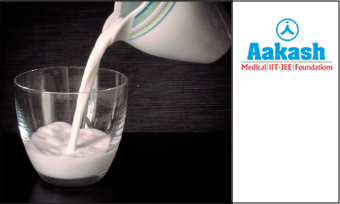
Nutrient proteinsThese proteins provide nutrients and essential amino acids for the growth of the body. They are commonly found in eggs, seeds, and milk. |
Casein and whey proteins present in milk |
|
Regulatory proteinsThese proteins regulate a lot of physiological activities of the organism. These include the proteinaceous hormones in the body. |
Hormones like insulin, glucagon, and angiotensin |
|
Defence proteinsThese proteins help fight against infectious agents. |
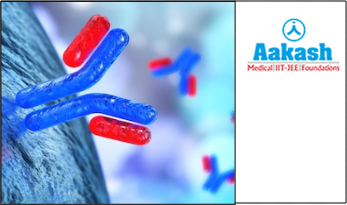
Antibodies |
|
Transport proteinsThese proteins aid in the transport of substances across the cell membrane. Some of these proteins also form channels between the plasma membranes for this purpose. |
Haemoglobin, hemocyanin, and GLUT-4 (responsible for transport of glucose in cells) |
|
Catalytic proteinsThese proteins help in catalysing metabolic reactions. These proteins are mostly globular conjugated proteins. |
Enzymes such as trypsin, DNA polymerase, and lipase |



Denaturation of proteins
It is the phenomenon of disorganisation of naive protein structure. Denaturation is a chemical process through which the tertiary and quaternary structures of proteins are opened up into straight chains under the influence of high temperature. It disturbs the stability and structure of a protein. There are some physical and chemical conditions upon which the stability and structure of a protein depend as follows:
- Their stability is significantly impacted by temperature and pH.
- The hydrogen bonds in the proteins get altered due to perturbations in temperature, pH, or any other chemical activities. In these cases the globular protein becomes unfolded and uncoiled.
- The uncoiling of the helical structure of a protein affects the chemistry of a protein that ultimately affects its biological activity.
- Proteins only preserve their primary structure after denaturation, destroying their secondary and tertiary structures.
- The connection between amino acid chains is disturbed due to the breakdown of covalent bonds. The biological activity of protein is lost due to this.
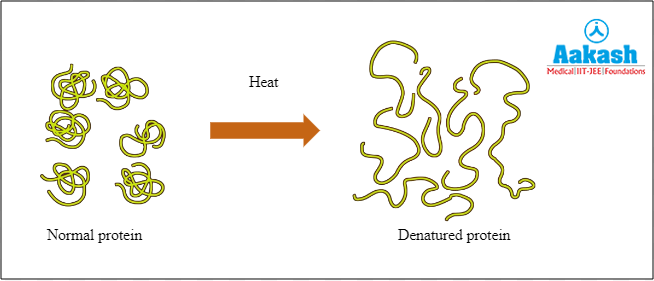
Fig: Denaturation of proteins
Structure-function relationship of protein
The structure of protein allows it to perform its function. For example, antibodies are Y-shaped proteins that allow them to bind foreign molecules, such as bacteria or viruses. Another example includes DNA polymerase III which is donut-shaped. This aids in the development of a ring around DNA as it duplicates its genetic material. The enzymes are also proteins that have grooves and pockets which form its active sites. These features allow them to hold the substrate molecules to speed up the chemical reactions.
Diseases associated with protein deficiency
Protein deficiency occurs when body intake is unable to meet the body's requirements of proteins. Protein deficiency is associated with two major diseases as follows:
- Kwashiorkor
- Marasmus
Kwashiorkor
It is an acute malnutrition that commonly occurs in children. It happens because of severe protein deficiency. Kwashiorkor is also associated with edema and therefore, it is referred to as ‘edematous malnutrition’. The patients suffering from Kwashiorkor have an overall appearance of emaciation. The fluid accumulated in the belly, feet, and ankles due to which they swell.
In rural locations, particularly in sub-Saharan Africa, kwashiorkor is most prevalent. This disease is particularly prevalent in famine-stricken countries or locations with limited food supplies. Additionally, Kwashiorkor is more common in locations where residents are unaware of adequate nutrition and food.
Causes of Kwashiorkor
Our body needs protein to repair damaged cells and create new ones. It is one of the important nutrients that is required during pregnancy and for a child’s growth and development. The lack of proteins inhibits growth and regular body processes, which causes Kwashiorkor. Another reason is a lack of knowledge on a balanced diet.
Symptoms of Kwashiorkor
The symptoms of Kwashiorkor include
- Weight loss
- Alteration in the skin and hair colour
- Swelling in the ankles, feet, and belly
- Irritation
- Compromised immune system
- Fatigue
- Diarrhoea
- Delay in treatment causes physical and mental disabilities in affected cases.
Treatment of Kwashiorkor
The patients of Kwashiorkor are treated by the following ways:
- Providing food having more proteins and more calories.
- Providing long-term vitamin and mineral supplements.
- Increasing the nutritional value of foods slowly.
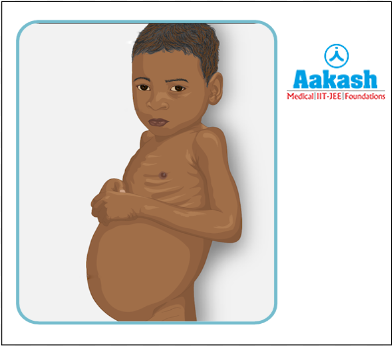
Fig: Common symptoms of kwashiorkor
Marasmus
It happens as a result of a simultaneous protein and calorie deficiency. It occurs in infants less than one year of age. It is observed in cases where the mother’s milk is replaced too early by other foods that are poor in proteins and calories. If the mother experiences a second pregnancy or delivery right after the first, this frequently occurs.
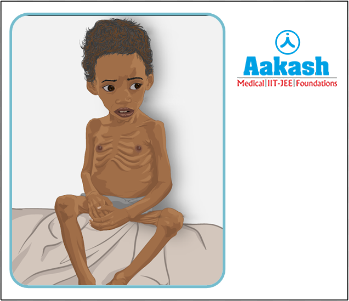
Fig: Common symptoms of marasmus
Causes of Marasmus
It is a protein deficiency disease, which is caused by the following factors:
- Severe deficiency of nutrients, such as vitamins, minerals, proteins, carbohydrates, and lipids.
- It is also caused by viral, bacterial, or parasitic infections.
- Individuals who have a weak immune system are more prone to marasmus.
- Poverty
- Starvation
- Unavailability of food
Symptoms of Marasmus
Some common symptoms of marasmus are listed below:
- Dizziness
- Weight loss
- Dehydration
- Lack of energy
- Stunted growth
- Chronic diarrhoea
- Respiratory infections
- Dry skin and brittle hair
Treatment of Marasmus
The marasmus can be treated by the following methods:
- Increase appetite and treat nutritional deficiencies.
- Take multivitamin pills.
- The symptoms of dehydration can be avoided by consuming electrolyte-rich fluids.
- Some antibiotics and medications are used to treat pathogenic infections in children.
- A well-balanced diet is given to the child after it starts stabilising and recovering.
- Consume protein-rich foods, such as milk, egg and meat.
Functions of proteins
Proteins perform a great variety of functions. They are mainly responsible for the structure and strength of the body. Proteins also perform certain dynamic functions. Examples include enzymes, hormones, blood clotting factors, immunoglobulins, storage proteins, membrane proteins, contractile proteins in muscles etc.
Practice Problems
Q 1. Identify the incorrect statement about the structure of a protein.
a. Tertiary structure of protein is required for many of their biological functions
b. Each polypeptide chain is called a subunit in the quaternary structure of proteins
c. An arrangement of amino acids in a straight line makes up the basic structure of a protein
d. Secondary structure has mainly vanderwaal interactions between amino acids
Answer: Secondary structure refers to amino acid residue configurations that are exceptionally stable and result in repeating structural patterns. It is formed by the non-covalent interaction between amino acids resulting in the folding of a polypeptide. Peptide bonds and hydrogen bonds are the sole interactions that hold the secondary structure of a protein. Hence, the correct option is d.
Q 2. Match column I (Protein) with column II (Function) and find out the correct option:
|
Column I (Protein) |
Column II (Function) |
||
|
i |
Antibodies |
1 |
Responsible for transport of glucose in cells |
|
ii |
GLUT-4 |
2 |
Contractile proteins |
|
iii |
Myosin |
3 |
Defence proteins |
a. i - 1, ii - 2, iii - 3
b. i - 2, ii - 1, iii - 3
c. i - 3, ii - 1, iii - 2
d. i - 1, ii - 3, iii - 2
Answer: The correct match is given below:
|
Column I (Protein) |
Column II (Function) |
||
|
i |
Antibodies |
3 |
Defence proteins |
|
ii |
GLUT-4 |
1 |
Responsible for transport of glucose in cells |
|
iii |
Myosin |
2 |
Contractile proteins |
Hence, the correct option is c.
Q 3. Select the correct statement about peptide bonds.
a. Formation of a peptide bond requires energy by the hydrolysis of ATP
b. It provides rigidity to the proteins
c. It is formed by the formation of double bonds between the carboxyl group and amino group
d. It joins the monosaccharide units to form a protein
Answer: A peptide bond is formed between the carboxyl group of one amino acid with the amino group of another amino acid by the removal of water. The formation of a peptide bond requires energy by the hydrolysis of ATP. Hence, the correct option is a.
Q 4. Which are the two forms of the secondary structure of proteins?
Answer: Secondary structure of proteins exists in two forms as follows:
- Alpha helix
- Beta-pleated sheet
FAQs
Q 1. Name the largest protein in the human body?
Answer: The largest protein in the human body is titin which is composed of 27,000 amino acids and possesses a molecular weight of 3 million Dalton.
Q 2. Having too much protein harmful to the human body?
Answer: Having too much protein in a diet leads to a higher risk of kidney diseases. The optimum amount of protein required by the body is 0.8 g per kg of body weight.
Q 3. Which part of the body has the highest number of unique proteins?
Answer: The testes have the highest number of unique proteins followed by the brain and the liver.
Q 4. Name the site where proteins are produced?
Answer: Proteins are produced in the ribosomes present in the cytoplasm and therefore, it is also known as the protein factory. The liver is considered as one of the most important organs in our body for making proteins.
YOUTUBE LINK: https://www.youtube.com/watch?v=De_AXFOH7WI
Related Topics
|
Amino acids: types, enantiomers or isomers, Practice problems and FAQs |
|
Carbohydrates: Disaccharides, Oligosaccharide, Polysaccharides, Practice problems, FAQs |
|
Carbohydrates: Overview, Monosaccharides, Practice problems, FAQs |

 Call Now
 Let's Chat
 Share
Share