-
Call Now
1800-102-2727


Osteoarthritis: Introduction, Symptoms, Causes, Treatment and Joints Affected by Osteoarthritis, Practice Problems, and FAQs

How often have we heard our parents or grandparents complaining about joint pain? Many of them take bone strengthening medications, use pain relief ointments and in extreme cases, they resort to physiotherapy for pain relief. Have you ever thought about why this happens? What is the reason behind this joint pain?
The pain in the joints happens because of age, gender, obesity, and other factors. Due to these reasons, the pressure on the joints increases can cause the cartilage protecting the bones at the joints to wear off. This ultimately leads to osteoarthritis.
How does this disease spread? Which are the joints that are most affected? Let us discuss the answers to these questions and all about osteoarthritis in this article.
Table of contents
- Introduction
- Symptoms of osteoarthritis
- Causes of osteoarthritis
- Joints affected by osteoarthritis
- Treatment of osteoarthritis
- Practice Problems
- FAQs
Introduction
Osteoarthritis is the most common form of arthritis that affects the joints of the body. The joints that support the majority of our weight, such as the knees, and foot, are most likely to be affected. Joints that we frequently use in daily life, such as the hand joints, are also commonly impacted.
In a healthy joint, cartilage covers the outer surface of the bones. Cartilage is a tough, smooth, flexible and slippery coating of a tissue that aids the bones to move freely against each other. The condition of osteoarthritis develops in a joint when some part of the cartilage becomes thin and the surface of the bone becomes rough. Due to this, the bones at the joint are unable to move smoothly. All the tissues within the joint become more active than usual when the cartilage is worn down or damaged as the body attempts to repair the damage. After repairing, the cartilage allows the joint to work normally, without any pain and stiffness.
However, sometimes after repair processes, the cartilage doesn’t work well. This changes the joint structure and due to this, different symptoms appear, such as pain, swelling, and difficulty in moving. For example, in some cases, extra bone is formed at the edge of the joint. These little bony growths are known asosteophytes that can restrict movements sometimes. In finger joints, these outgrowths are visible as firm and knobby swellings. Another example includes the lining of the joint capsule which may become thick and produce more fluid composition as compared to the normal composition. This causes the joint to swell.
Symptoms of osteoarthritis
The symptoms of the condition of osteoarthritis develop slowly and become worse over some time. The signs and symptoms include
- Pain - The joint that gets affected due to osteoarthritis might hurt during and after movements.
- Stiffness - The affected joint becomes stiff upon awakening or after being inactive for a long time.
- Tenderness - The affected joint feels tender when a little pressure is applied.
- Loss of flexibility - The flexibility is lost and it becomes difficult to move the affected joint in its full range of motion.
- Sensation - When the joint is in use, a person can feel a grating sensation. This releases a popping or crackling sound.
- Bone spurs - These are the extra bits of bones that feel like hard lumps. These are formed around the affected joint.
- Swelling - The swelling is caused by the inflammation of soft tissues around the joint.
Causes of osteoarthritis
The actual cause of osteoarthritis is still unknown. We know that the chance of developing osteoarthritis depends on many factors and is not just caused by "wear and tear". The causes of osteoarthritis include:
Age
The condition of osteoarthritis usually develops in the late 40s. This condition arises due to changes in the body that comes with aging like weakening muscles, and weight gain. The body's capacity to heal itself declines.
Gender
Osteoarthritis affects the majority of joints more frequently and severely in women. This is because women have more elastic tendons to facilitate childbirth which in turn makes them more prone to injury. They also have wider hips which affects the way their knees are aligned and make them more vulnerable to certain types of injuries which might lead to arthritis in future. Also, the level of estrogen in women reduces after menopause, which is when they become more vulnerable to osteoarthritis because reduced estrogen levels makes them more susceptible inflammations in the body.
Obesity
Obesity plays a significant role in osteoarthritis development, particularly in weight-bearing joints like the knee and hip.
Joint injury
Any major injury or operation on a joint leads to the condition of osteoarthritis in later life. Normal exercise and regular physical activity doesn’t cause osteoarthritis but the risk of developing osteoarthritis increases with repetitive activities and physically demanding jobs.
Joint abnormalities
A person born with abnormalities or having developed them in childhood days, is vulnerable to early development of osteoarthritis and with greater severity.
Genetic factors
The probability of developing osteoarthritis in the hand, knee, or hip can be influenced by the genes we inherit. Single gene mutations that impact the collagen protein are associated with some extremely rare forms of osteoarthritis. As a result, osteoarthritis develops at earlier ages as compared to usual age.
Joints affected by osteoarthritis
Although osteoarthritis can affect any joint, it most frequently affects the knees, hips, wrists, spine, and big toes.
The knee joint
The condition of osteoarthritis commonly develops in the knee joint. This is because the knees bear the body weight, extreme stress, twists, and turns of the whole body. It often affects both knees.
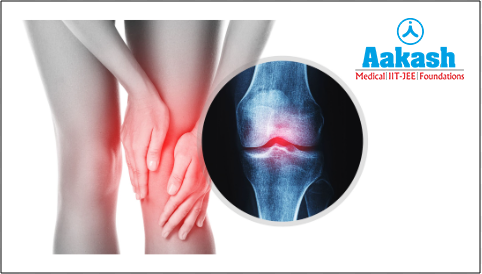
Fig: Osteoarthritis in the knee joint
The hip joint
Hip osteoarthritis is another prevalent condition that can affect one or both hips. The hip joint is a type of ball-and-socket joint that normally possesses a wide range of movement. The hip bears a lot of body weight. Osteoarthritis in the hip joint is common in men as well as women.
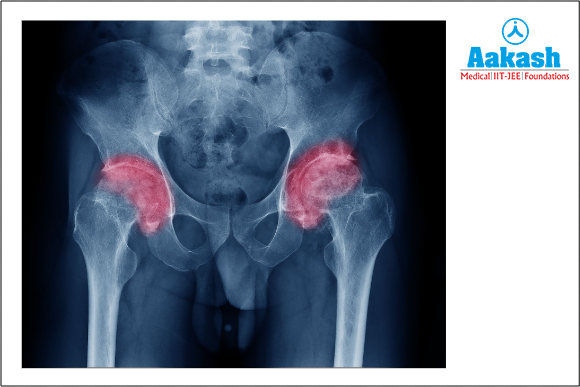
Fig: Osteoarthritis in the hip joint
The hand and wrist joint
The osteoarthritis in the hands occurs due to the condition of nodal osteoarthritis. This primarily affects women and frequently begins around menopause. The joints at the ends of the fingers and the base of the thumb are typically affected, though additional finger joints may also be impacted.
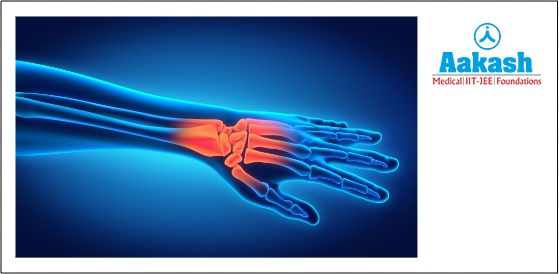
Fig: Osteoarthritis in the hand and wrist joint
The back and neck joint
The vertebrae and the discs that are present between the vertebrae get affected by perturbations that are very similar to osteoarthritis. These changes are known asspondylosis in the spine. Even though this happens frequently, it isn’t the only reason for back or neck pain.
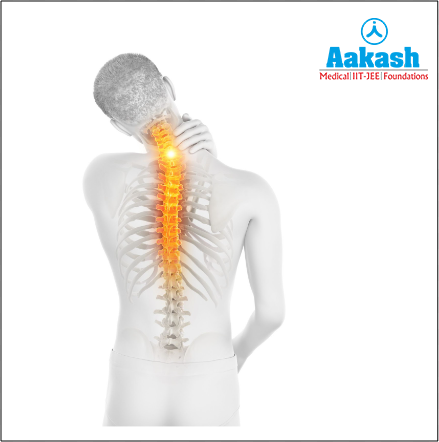
Fig: Osteoarthritis in the back and neck joint
The foot and ankle joint
The joint at the base of your big toe are typically affected by osteoarthritis of the foot. The midfoot, however, is also extremely susceptible to osteoarthritis. The area of the foot that is most commonly impacted is the ankle.
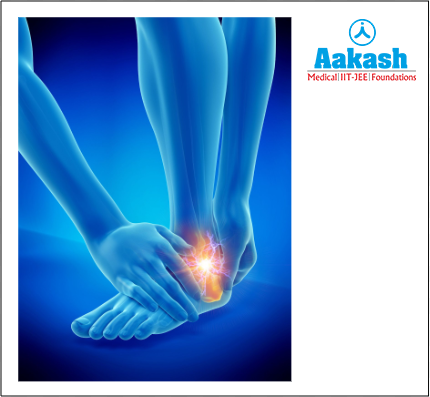
Fig: Osteoarthritis in the foot and ankle joint
The shoulder joint
There are two joints in the shoulder and either can be affected by osteoarthritis:
- Glenohumeral joint
- Acromioclavicular joint
Glenohumeral joint
It is a type of ball-and-socket joint where the upper arm meets the shoulder blade.
Acromioclavicular joint
It is a small joint where the collar bone meets the top of the shoulder blade.
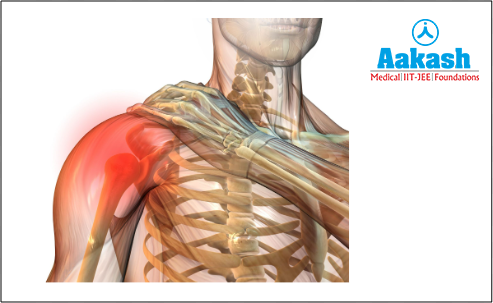
Fig: Osteoarthritis in the shoulder joint
The elbow joint
Osteoarthritis does not frequently affect the elbow joint. It frequently occurs either after a single severe injury or a series of less severe traumas.
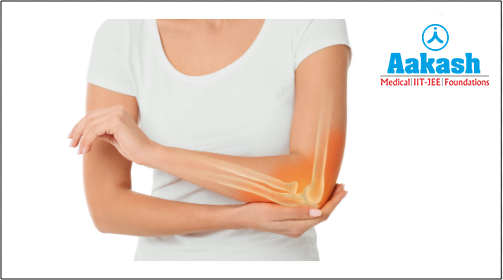
Fig: Osteoarthritis in the elbow joint
The jaw
The jaw joint is also known as the temporomandibular joint and is considered the most frequently used joint. Osteoarthritis of the jaw frequently develops earlier than that of other joints.
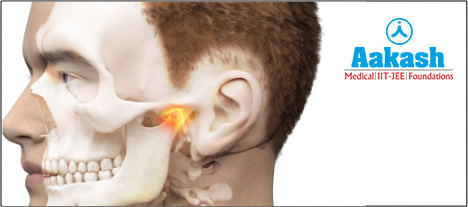
Fig: Osteoarthritis in the jaw
Treatment of osteoarthritis
Although osteoarthritis cannot be cured, there are therapies that can lessen discomfort and improve your mobility. The treatment of osteoarthritis includes medications, therapies, and surgical procedures.
Medications
The medications that aid in relieving osteoarthritis symptoms, majorly pain, include acetaminophen, nonsteroidal anti-inflammatory drugs, and duloxetine. These drugs are taken at the prescribed dose.
Therapy
There are two types of therapies that help in treating osteoarthritis:
- Physical therapy
- Occupational therapy
Physical therapy
Physical therapy involves exercises that strengthen the muscles around the joint. These exercises increase flexibility and reduce pain. Regular exercises, such as swimming and walking are gentle exercises and they can be equally effective.
Occupational therapy
Occupational therapy involves the everyday tasks that ultimately treat osteoarthritis without putting extra stress on the painful joints. For example, if a person has osteoarthritis in their hands, a toothbrush with a large grip might help to brush their teeth more easily. Another example includes a bench during the shower. This relieves the pain of standing if a person has knee osteoarthritis.
Surgical procedures
The surgical procedures include two methods:
- Osteotomy
- Joint replacement
Osteotomy
An osteotomy might be beneficial if osteoarthritis has more severely harmed one side of the knee than the other. In a procedure of knee osteotomy, a cut is made across the bone either above or below the knee. From this cut, a wedge of the bone is either removed or added. As a result, the body weight is shifted from the worn-out part of the knee.
Joint replacement
In the procedure of joint replacement, the damaged joint surfaces are removed and replaced with plastic and metal parts. The risk of the surgical methods includes infections and blood clots. These artificial joints can wear out or become loose or might need to be replaced after a short time period.
Practice Problems
Q1. Identify the correct statement.
Statement I: Arthritis is described as the inflammation of the joints.
Statement II: The major symptoms of osteoarthritis include stiffness and pain.
- Both statements are correct
- Both statements are incorrect.
- Statement 1 is true but statement 2 is false
- Statement 2 is true but statement 1 is false
Solution: Osteoarthritis is a disease of joints that is characterised as the inflammation of joints. It causes joint pain and stiffness and worsens with age. Hence, the correct option is a.
Q2. Which is the most common cause that increases the development of osteoarthritis?
- Gender
- Obesity
- Age
- Genetic factors
Solution: Obesity or extra weight is a common cause because it puts a lot of pressure on the hip and the knee joints. As a result, this causes the cartilage to deteriorate quickly. Hence, the correct option is b.
Q3. What are the other common types of arthritis?
Solution: The other common type of arthritis is osteoarthritis, rheumatoid arthritis, gout, and fibromyalgia.
Q4. Identify the statement that best describes the condition of osteoarthritis.
- Inflammation of joints
- Inflammation of bones
- Inflammation of cartilage
- Inflammation of tendons
Solution: Osteoarthritis is the most common form of arthritis that affects the joints of the body. It is described as the inflammation of joints. Hence, the correct option is a.
FAQs
Q1. Why is hip osteoarthritis common in females?
Answer: Hip osteoarthritis is common in females because they undergo menopause at the age of 45-50. This increases the weight on the joints and leads to the condition of osteoarthritis.
Q2. What is the rate of osteoarthritis progression?
Answer: Some patients may experience a slow progression of the disease that takes years to reach stage four, while others may experience a rapid progression within a few months.
Q3. Which muscles are impacted by osteoarthritis?
Answer: Osteoarthritis significantly affects the quadriceps, hamstrings, and hip muscles.
Q4. Why is osteoarthritis more painful at night?
Answer: At night, the body produces increased amounts of melatonin and prolactin, both of which can elevate inflammatory cytokines.
Related Topics
| Disorders of muscular and skeletal system: Arthritis, Rheumatoid arthritis, Osteoporosis, Osteoarthritis, Myasthenia gravis, Duchenne muscular dystrophy, Gouty arthritis, Sprains and strains, Practice Problems and FAQs |
| Axial skeletal system: Skull, Vertebral column, Sternum, Ribs, Practice Problems and FAQs |
| Joints: Introduction, Function, Types, Practice Problems and FAQs |

 Call Now
 Let's Chat
 Share
Share