-
Call Now
1800-102-2727


Tissue Culture, Micropropagation Method: Somaclones, Somatic Hybridisation, Practice Problems and FAQs

You all know that with the increasing population, the demand for food is increasing at a high pace. Although the traditional methods of breeding of crops were practised at full efficiency by the farmers, they were not able to fulfil the huge crop demands of the nations. Now the question is, what really is missing in the traditional crop breeding system? Now that we are getting ample amounts of food resources around us, what made this possible?
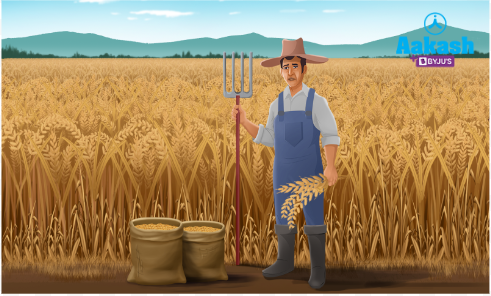
Fig: Traditional plant breeding
During the 1950's, the scientists came up with a new method of plant breeding called tissue culture. This new technique enticed everyone with its speed and efficiency. It is surprising to know how this method works. It uses just a part of the plant and generates a completely new plant. Isn’t it interesting? Well, there is m
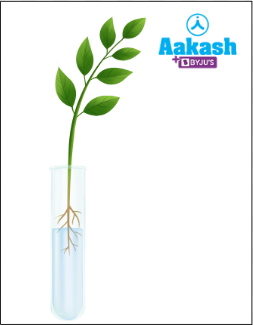
Fig: Tissue culture
With the use of this technique, thousands of plants can be grown in a short time. Do you know what this technique is called? Do you know a hybrid called pomato has been produced by fusing potato and tomato. Ever thought how is this made possible? Let's find out the answers to all these questions in this article. Let’s also understand how these new advancements in the agricultural field have changed the face of plant breeding around the world.
Table of contents
- Tissue culture
- Steps of plant tissue culture
- Micropropagation
- Application of plant of tissue culture
- Somatic hybridisation
- Advantages and disadvantages of plant tissue culture
- Practice Problems
- FAQs
Tissue culture
It is the technique of maintaining and growing plant cells, tissues or organs in an artificial medium in suitable containers under controlled environmental conditions. This technique takes place in vitro in sterile conditions. Different approaches are used to make the lab environment free of contamination, i.e. to kill all microorganisms. Sterilisation is the process of killing microorganisms. Physical and chemical procedures, such as autoclaving and fumigation, are used to accomplish this.
In the year 1902, Gottlieb Haberlandt gave the hypothesis that the culture of plant tissues is possible. This idea remained unfolded until the 1950s when the scientists gave the hypothesis that the plant cells have the capacity to generate a whole new plant. As Gottlieb gave the first idea of culture of plant tissues, he is known as the father of plant tissue culture.
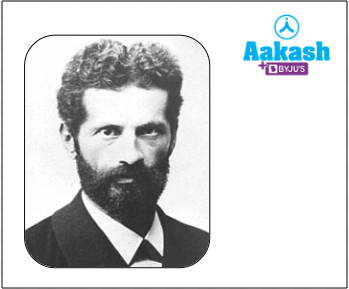
Fig: Gottlieb Haberlandt
Totipotency
The ability of a plant cell to divide, grow and generate an entire plant is called totipotency. Plant tissue culture takes advantage of this potential of plant cells.
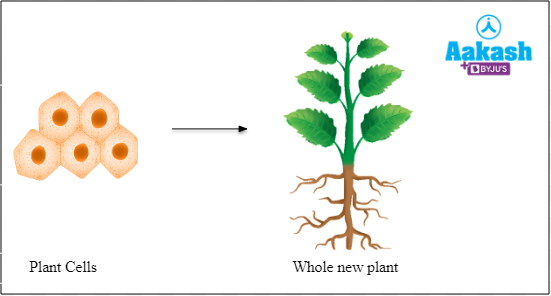
Fig: Totipotency of plant cells
Steps of plant tissue culture
The steps of plant tissue culture are as follows:
Collection of explant
Explant refers to any plant portion (cell, tissue, or organ) that is used to continue plant tissue culture. It could be a stem tip, a root, a leaf, nodes, or any other component of the plant.

Fig: Parts of the plant used as explant
Preparation of nutrient media
Nutrient media is a synthetic medium that contains nutrients required for plant growth. The components used to prepare the nutrient medium are as follows:
Organic components
Organic salts are the first component of the nutritional medium. Carbon sources such as carbohydrates are commonly included. Sucrose is the most commonly used carbohydrate source. Vitamins are another organic component. For example, thiamine is commonly employed in the nutrient medium.
Inorganic components
Inorganic salts are divided into two categories.
Micronutrients
They are required in smaller amounts, hence the name micronutrients is used. Manganese (Mn), Iron (Fe), Molybdenum (Mo), Zinc (Zn), Copper (Cu), and Boron are common examples (B).
Macronutrients
They are another form of inorganic salts found in plant tissue culture medium. They are required in greater quantities for plant growth than micronutrients, hence the name macronutrients is ued. Nitrogen (N), sulphur (S), phosphorus (P), potassium (K), magnesium (Mg), and calcium (Ca) are the six primary macronutrients that are added to the nutrient medium.
Solidifying agent
Agar is a solidification agent that is melted and added in the nutrient media. The nutrient media is then autoclaved before the solution containing the components solidifies, to eliminate germs. It involves heating the items to 121° C for at least 30 minutes. This helps to get rid of bacteria and other common contaminants.
Growth hormones
Growth hormones are proteins and break down when heated, they are introduced to the feeding medium after autoclaving. These plant growth hormones can help, hinder, or improve plant development. As a result, these hormones are utilised in various combinations to help the plants flourish. The combination of auxin and cytokinin is mostly utilised. Auxin helps in root formation while cytokinin promotes the formation of axillary shoots.
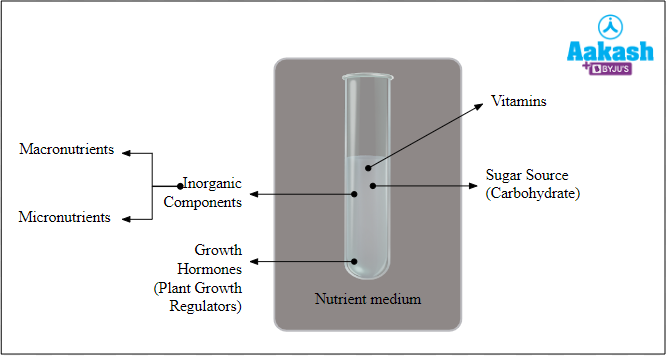
Fig: Components of nutrient medium
Sterilisation
The explants, culture vessels, media and the instruments used for plant tissue culture must be free from contamination. The explants are treated with specific anti-microbial chemicals like sodium hypochlorite and then washed with sterile distilled water. This process is commonly called surface sterilisation. The vessels, media and instruments are treated with steam, dry heat or alcohol. Media can be subjected to filtration also. These steps are called sterilisation. Autoclaves are commonly used for sterilisation.
Inoculation
Explant is transferred to a nutrient medium in aseptic circumstances with the use of forceps during inoculation.This is normally performed in a laminar air flow.
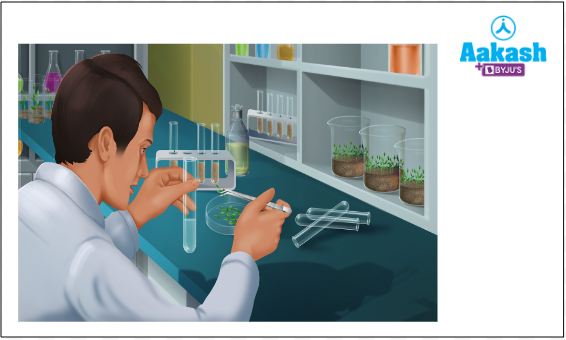
Fig: Inoculation
Incubation
In a sterile area called a growth room, the inoculated plant tissues are cultured for 3 - 4 weeks. This is known as incubation. It is kept at 24° C in 50 - 60% humidity with an illuminating source.
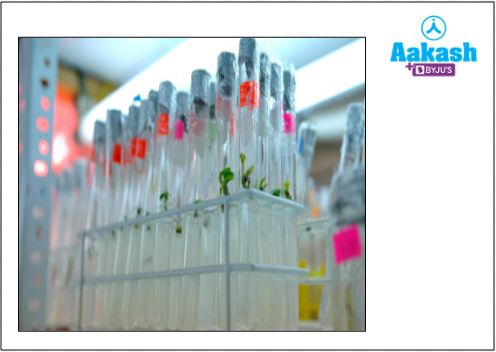
Fig: Incubation
The growth of the plant is influenced by factors such as light, humidity, and temperature in the growth room. Explants divide to generate callus during incubation (dedifferentiation).
Callus and plantlet formation
A callus is a mass of dividing undifferentiated cells. Callus splits to form distinct parts of the plant, eventually forming a plantlet by redifferentiation.
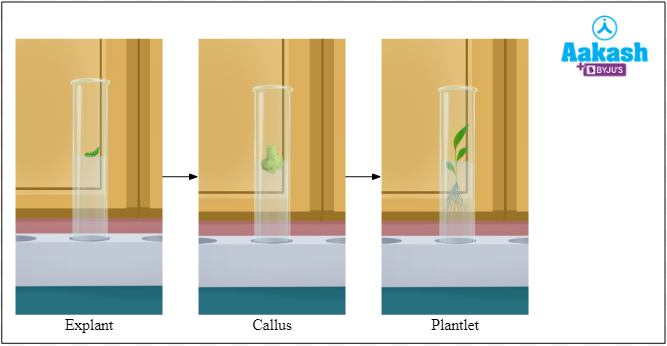
Fig: Incubation - Formation of plantlet
Hardening
The plantlets are removed from the nutrient medium and transferred to greenhouses. They grow in sterile soil. This process is called hardening. If the plant grows, it indicates the plantlet will survive and eventually form a whole new plant from a tissue. During this process they are kept in reduced light and high humidity for a suitable period of time. This process makes the plantlets capable of tolerating the relatively harsher environments outside the culture vessels.

Fig: Plantlet in greenhouse
Establishment in the field
After hardening the plantlets are transferred to the fields or greenhouses.
Micropropagation
Micropropagation is the artificial generation of a large number of plants utilising the technique of plant tissue culture. Plantlets grown using the plant tissue culture technique are identical copies of the parent plant. Somaclones are genetically identical plants created utilising the somatic tissue or cells of plants in plant tissue culture. For example, plants of tomatoes, apples etc. can be produced for commercial purposes by this method.
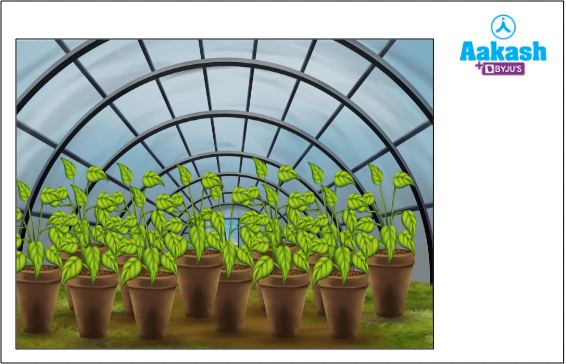
Fig: Micropropagation
Application of plant tissue culture
There are four main applications of plant tissue culture.
- Production of disease free plants
- Somatic hybridisation
- Production of transgenic plants
- Production of mutant plants
Production of disease free plants
The specific areas in the plants which take part in the formation of new cells are called the meristems. In virus infected plants, the meristems are virus free as these cells are actively dividing and viruses cannot replicate themselves in these cells. When meristems are used in plant tissue culture, the plantlets obtained are disease free.
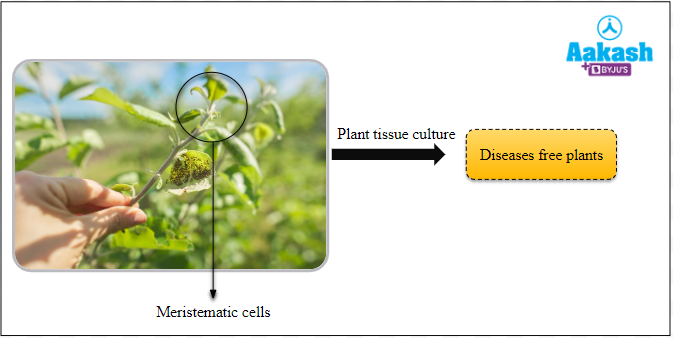
Fig: Production of disease free plants
Somatic hybridisation
It is the process of generation of a hybrid plant by the fusion of somatic cells of two species or varieties of plants. The steps in the process of somatic hybridisation are as follows:
Isolation of protoplast
Protoplast is the part of the living cell without a cell wall. First the somatic cells of the two plants are isolated i.e., tomato and potato. The cell wall of the somatic cells are broken down to obtain the protoplast. The enzymes like cellulase and pectinase are used to break down the cell wall to expose the protoplast of the cells.
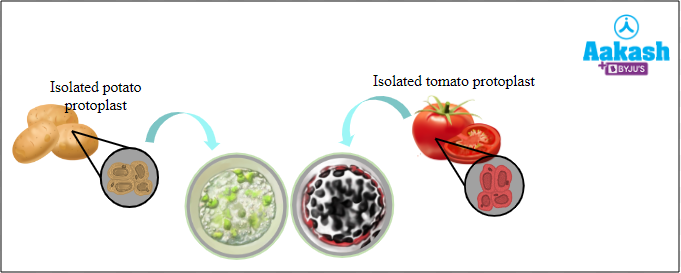
Fig: Isolation of protoplasts
Fusion of protoplasts
The isolated protoplasts obtained are fused by physical methods like electrofusion (using brief high voltage electric current) or chemical methods using PEG or Polyethylene glycol or sodium nitrate. Both the cytoplasm and nuclei are fused.
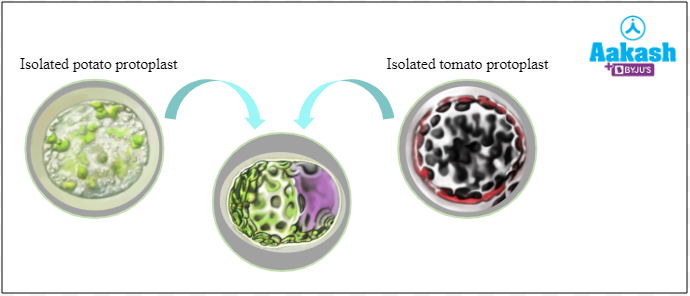
Fig: Fusion of protoplasts
Cell wall formation
The cell wall gradually emerges over the protoplasts that have fused. This is now a new cell with both potato and tomato traits, as the cell wall emerges. The fused protoplasts are allowed to grow in the culture medium.
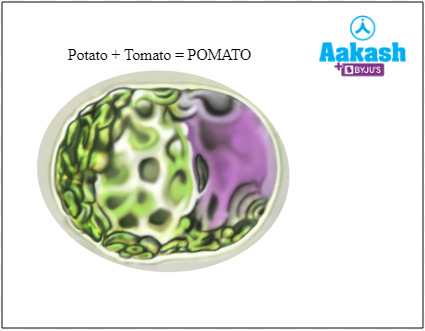
Fig: Formation of hybrid cell
Tissue culture is now being used to create the entire new plant, that is a somatic hybrid of potato and tomato. The somatic hybrid obtained from tomato and potato is pomato.
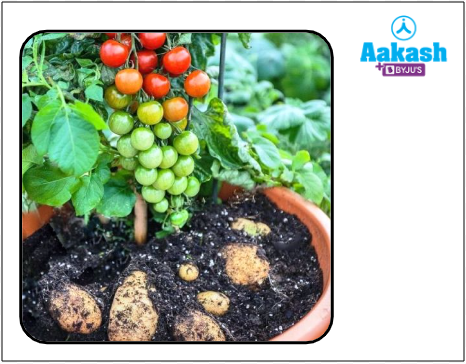
Fig: Somatic hybrid of tomato and potato - Pomato
Although the generation of pomato was a success, it didn't meet the expectations for the desired characteristics. Hence, the commercial production of pomato never took place. Somatic hybrids are commonly used for gene transfer, transfer of cytoplasm and production of useful allopolyploids.
Production of transgenic plants
The gene transferred to an organism by genetic engineering is called transgene. The newly created organism by this method is called a transgenic organism. Plants with desirable traits are produced by this method.
Production of mutant plants
Mutations are induced by adding mutagens to the single cell liquid cultures normally. The cells from this culture are washed and transferred to solid culture for raising plants.
Advantages of plant tissue culture
The advantages of plant tissue culture are many as follows:
- The plants can be cultivated at any time of the year, regardless of the season.
- Plantlets are produced in a short period of time from a small piece of plant tissue.
- The newly created plants are disease-free.
- Tissue culture does not need a vast room or field to produce plants.
- It produces exact copies of parent plants with good traits like fruits, flowers etc.
- This method is used for mass propagation of plants for commercial purposes.
- This method is used to grow ornamental plants like chrysanthemums, dahlias, orchids etc.
Disadvantages of plant tissue culture
Plant tissue culture has many advantages. But there are some disadvantages also they show up.
- Setting up a laboratory facility is expensive.
- Equipments and reagents are costly
- If a single plant is susceptible to disease in the culture, the entire batch will be susceptible to the same disease.
- A lot of highly trained people are required to perform the procedure with utmost care.
- If precautions are not taken care of during the procedure, the whole stock may get infected.
Practice Problems
Q 1. What is callus?
a. A mass of undifferentiated cells
b. An embryonic tissue growing in the culture
c. A totipotent cell used for plant tissue culture
d. A growth hormone used in nutrient media
Answer: The term ‘callus’ refers to a mass of proliferating and undifferentiated cells formed in tissue culture. It is a mass of cells that have not yet differentiated into specialised plant structures. Callus separates into separate plant components, finally creating a plantlet (redifferentiation). Hence, option a is correct.
Q 2. In which of the following procedures polyethylene glycol is used?
a. Transfer of explant to nutrient medium
b. Solidifying culture media
c. Fusion of isolated protoplasts
d. Micropropagation of plantlets
Answer: Protoplast fusion can be done by an electric field or chemically by adding 20 - 40 percent polyethylene glycol to the protoplasts, which produces protoplast aggregation and then protoplast fusion. After the protoplasts have fused, the somatic hybrid must be chosen. Hence, option c is correct.
Q 3. Assertion (A): After inoculation, the cultured plant tissues are incubated in a growth room.
Reason (R): It provides well-controlled sufficient light, temperature, humidity, and air quality for the tissue culture to grow.
a. Both (A) and (R) are true, but (R) is not the correct explanation of (A)
b. Both (A) and (R) are true, and (R) is the correct explanation of (A)
c. (A) is true, but (R) is false.
d. Both (A) and (R) are false.
Answer: Explant is inoculated with forceps and transferred to a nutrient medium under aseptic conditions. The cultured plant tissues are transported to a sterile growth environment for incubation after inoculation. The room is kept at the right temperature, with enough light, humidity, and air quality for the plant tissue to grow. Explants divide to form callus throughout the incubation period (dedifferentiation). A callus is a mass of undifferentiated cells that are dividing. Callus separates into separate plant components, finally creating a plantlet (redifferentiation). Hence option b is correct.
Q 4. Match the following.
|
Column A |
Column B |
|
A. Explants |
I. Ability to grow a complete plant from an explant |
|
B. Micropropagation |
II. Plants with the same genetic makeup as the original plant |
|
C. Somaclones |
III. Production of a huge number of plants by tissue culture |
|
D. Totipotency |
IV. Plant cell, tissue, or organ used in tissue culture |
|
E. Somatic hybrids |
V. Plant grown from the hybrid protoplasts |
a. A - II, B - III, C - I, D - IV, E - V
b. A - II, B - I, C - III, D - V, E - IV
c. A - IV, B - III, C - II, D - I, E - V
d. A - IV, B - V, C - I, D - III, E - II
Answer: Any plant part (cell, tissue, or organ) that is used to continue plant tissue culture is referred to as an explant. It can be a stem tip, a root, a leaf, node, or any other plant component. Micropropagation is the technique of artificially producing a huge number of plants using plant tissue culture. Plantlets created by the plant tissue culture process are exact replicas of the parent plant. Somaclones are genetically identical plants grown in plant tissue culture using somatic tissue or cells. Totipotency refers to a plant cell's ability to divide, expand, and form a whole plant. Somatic hybridisation is the process of fusing protoplasts of somatic cells obtained from different kinds and or species of plants on an appropriate nutritional medium to produce somatic hybrids. For example, a somatic hybrid created by fusing the protoplasts of tomato and potato is called pomato. Hence, option c is correct.
Q 5. Define somatic hybridisation. Describe the steps involved in this process?
Answer: Somatic hybridization is the process of fusing protoplasts of somatic cells obtained from different kinds and possibly species of plants on an appropriate nutritional medium to produce somatic hybrids. For example, The somatic hybrid generated by fusion of the protoplasts of tomato and potato is known as pomato.
The steps involved in the process of somatic hybridisation are as follows:
- Single cells are isolated from the plants that are selected.
- Using enzymes like pectinase and cellulase, the cell wall is removed. These enzymes expose the naked protoplast by digesting the cell wall.
- Under aseptic circumstances, the separated protoplasts of chosen cells are united to produce hybrid protoplasts on a specific nutritive medium.
- The use of polyethylene glycol (PEG) or a short high voltage electric current (electrofusion) might cause this fusion.
- The hybrid protoplast is cultivated on an appropriate nutritional medium, where it regenerates its cell wall and begins to divide into new plantlets.
- These plantlets are known as somatic hybrids.
FAQs
Q 1. What is the use of cytokinin and auxin in plant tissue culture?
Answer: In tissue culture, cytokinins can accelerate cell division and induce the production of axillary shoots. They generally function as auxin antagonists. Cell division and root differentiation are aided by auxins. In cultures, auxins cause cell division, cell elongation, and callus development.
Q 2. What are the uses of micropropagation in plant tissue culture?
Answer: The micropropagation is utilised for the fast vegetative replication of ornamental plants and fruit trees. This tissue culture approach yields multiple plants. Each of these plants will have the same genetic makeup as the original plant from which it was developed and are called somaclones.
Q 3. Name the person who started tissue culture in India?
Answer: Shipra Guha-Mukherjee is an Indian botanist. She started tissue culture in India. She worked on plant tissue culture, plant molecular biology, biotechnology and molecular biology.
Q 4. What is the most important application of plant tissue culture?
Answer: Micropropagation using meristem and shoot culture to produce large numbers of identical individuals.
Related Topics
|
Plant breeding: Conventional breeding, Steps of plant breeding, Parbhani kranti, Practice Problems and FAQs |
|
Animals and their products: Goat, Buffalo, Sheep, Practice Problems and FAQs |
|
Dairy farm and farm animal management, Practice Problems and FAQs |

NEET Related Links
JEE MAIN Related Links
JEE Advanced Related Links
JEE Advanced Eligibility Criteria
JEE Advanced Chemistry Syllabus
JEE Advanced Registration Dates
CUET Related Links
Important Topics
Anemometer : Measurement of Wind Speed
Angular Acceleration Atomic Theory Audible and Inaudible Sound Average Speed and Average Velocity Average Velocity Avogadros Number Avogadros Hypothesis Azimuthal Quantum Number Balanced Force Bar Magnet Biconvex Lens Boyles Law Buoyancy Calorimeter Carnot Engine Celestial Bodies Centripetal And Centrifugal Force Concave and Convex Lenses Concave Convex Mirrors Contact and Non Contact Force Controlled Thermonuclear Fusion Convection Currents Convex Lens Convex Mirror Destructive Interference Difference Between Conduction Convection and Radiation Difference Between Electric Field and Magnetic Field Difference Between Heat And Temperature Difference Between Series And Parallel Circuits Differences Between Acceleration And Velocity Distance and Displacement Distance Time Graph Electrical Force : Electric Forces and Their Types Electromagnetic Waves : Definition, Equation and Properties of Electromagnetic Waves Electromagnetism Electron Spin Fluid Flow : Bernoullis Equation Derivation and Fluid Mechanics Fluid Friction : Types and Factors of Fluid Friction Frames of Reference : Inertial and Non- Inertial Frame of Reference Frequency and Wavelength Frictional Force Importance of Hydrosphere Instantaneous Speed and Velocity Introduction to Motion Kinetic and Potential Energy Difference Law Of Conservation of Energy Layers of the Earth Light Energy Light Sources List of physics scientists and Their inventionsLoudness of Sound
Magnetic Dipole Moment Magnetic Field Non - Contact Force Non - Renewable Energy Ohms Law Optics P Wave Physics Symbols Plane Mirrors Poissons Ratio Projectile Motion Properties of Water : Anomalous Expansion of Water Radius of Gyration Reflection of Light Reflection of Waves Relative Density Resonance Reverberation Rolling Friction Rotation and Revolution Screw Gauge Semiconductors and Insulators Sliding Friction Speed Time Graphs Static Friction Stefan Boltzmann Law Stress Tension Tension Force Thermometer: Clinical Laboratory Thermometer Types of Rocks Types of Waves Uniform Motion and Non Uniform Motion Unit of Voltage Uses of Convex Lens Uses Of Convex Mirror Uses of Electromagnet Uses of Optical Fibre Wave Wavelength of Light What is Scattering of Light Working of Electric Bell Conventional and Non-conventional Sources of Energy Buoyant Force Bulk Modulus of Elasticity Bernoulli’s Principle Angular Momentum Difference Between Speed And Velocity ForceUnit of Heat
Difference between Distance and Displacement Simple Microscope Derivation Of Equation Of Motion Thermometer: Clinical & Laboratory Thermometer Difference between Concave and Convex LensDerivation Of Lens Maker Formula
Unit Of Pressure Velocity Uses of Plane Mirror
Wave Theory of Light
Unit of Density Unit of Light Unit of Force Unit of Magnetic Field Unit of wavelength Unit of Viscosity Uses of Electroplating Young's Modulus
What is the Scattering of Light
Lenz Law Space Wave Propagation Schrodinger Wave Equation Relation between Fahrenheit and Celsius Refractive Index Potentiometer Working Pascal Law Oscillatory Motion Optical Instruments Newton's Laws of Motion - First Law Modulation and Demodulation Magnetic Flux Lens Formula and Magnification Kaleidoscope Faradays Law Epsilon Naught Value Energy Bands Electrostatics Electroscope AC Generator Unit of Current Lithosphere Bending Equation Derivation Difference Between Pound and Kilogram Semiconductor Devices OTEC - Ocean Thermal Energy Conversion Hall Effect Rectilinear Propagation of Light Difference Between Ammeter and Voltmeter Coefficient of Linear Expansion Ampere’s Law Cyclone and Thunderstorm Save The Environment From Pollution Particle Nature of Light Types of DC Motor Uses Of Transistor Derivation of Phase Rule Unit of Humidity

 Call Now
 Let's Chat
 Share
Share