-
Call Now
1800-102-2727


Impotence: Reasons, Symptoms, Causes, Complications, Treatment, Prevention, Practice Problems, and FAQs

We all came to this world through our parents. You know that we all live happily as a family along with our parents. But there are many couples who are infertile or are unable to produce children inspite of unprotected sexual activities. We will treat this as infertility. It is the inability to conceive or produce children even after two years of unprotected sexual cohabitation. Infertility can occur due to various factors like physical, congenital, diseases, drugs, immunological or psychological.
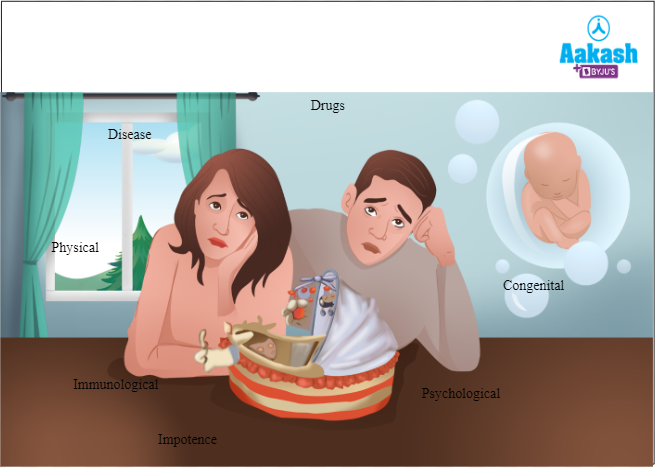
Fig: Reasons for infertility
Some couples go for counselling when they are not able to conceive. They visit their doctors to find out the reason for this problem. There are two common possible reasons for infertility either the father is impotent or the mother is infertile.
The impotence is the inability to generate an erectile penis during sexual intercourse. This will lead to early ejaculation. Due to this, the female is not able to conceive a baby. Let’s take a deep dive into the details of the causes, symptoms, and treatments of impotence in man in this article.
Table of contents
- Impotence
- Reasons
- Symptoms
- Causes
- Complications
- Treatment
- Prevention
- Practice Problems
- FAQs
Impotence
It is the inability to get and keep an erection firm enough to have sex. It makes sexual activity impossible in man. Impotence is also known as erectile dysfunction. It is common during stressful times. However, frequent erectile dysfunction may indicate medical issues that require attention. It might also be a sign of emotional or interpersonal problems that need to be discussed with a specialist.
Even if the person feels embarrassed, then also he needs to discuss his concerns with the doctor if he has erectile dysfunction. Sometimes reversing erectile dysfunction only requires treating an underlying problem. In some situations, it could be necessary to use drugs or other direct treatments.
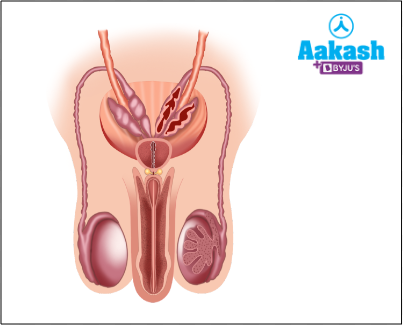
Fig: Erectile dysfunction
Common reasons of erectile dysfunction
Erectile dysfunction occurs in the following situations:
- It occurs most typically with nerve injury.
- It occurs due to reduced blood flow to penis.
- It occurs due to stress and emotional reasons.
- It can also occur due to high blood pressure, heart diseases, atherosclerosis (hardening or clogging of the arteries), or diabetes-related high blood sugar.
Common symptoms of erectile dysfunction
It might be challenging to achieve or maintain an erection strong enough for intercourse when a person has erectile dysfunction. The health care physician or a urologist might offer assistance if erectile dysfunction develops into a persistent issue. The common symptoms of erectile dysfunction are as follows:
- Erectile dysfunction may be a serious indicator that a man's vascular system is becoming obstructed, which is a sign of cardiovascular disease.
- According to certain research, men with erectile dysfunction are significantly more likely to experience a heart attack, a stroke, or circulation issues in their legs.
- Having issues obtaining an erection.
- Problems maintaining an erection.
- It will reduce sexual desire.
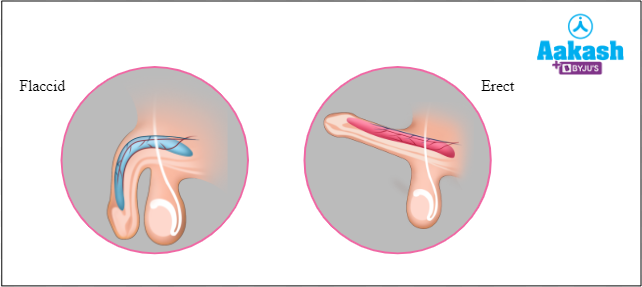
Fig: Common symptom of erectile dysfunction
Common causes of erectile dysfunction
The common causes of erectile dysfunction are divided into physical and physiological. The intricate process of male sexual arousal includes the brain, hormones, emotions, nerves, muscles, and blood vessels. Problems associated with any one of these could lead to erectile dysfunction. Erectile dysfunction can also be brought on by or made worse by stress and mental health issues. Erectile dysfunction can occasionally be brought on by a combination of psychological and physical problems too.
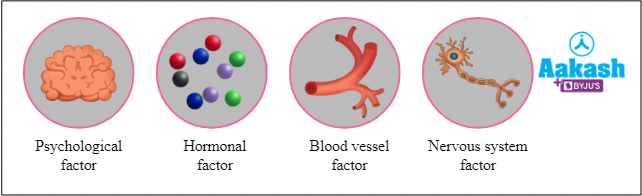
Fig: Common causes of erectile dysfunction
Physical causes of erectile dysfunction
Physical problems frequently result in erectile dysfunction. Typical causes of erectile dysfunction include the following:
- Numerous health conditions, such as clogged arteries, heart diseases, excessive blood sugar (diabetes), and smoking, can decrease blood flow to the penis.
- A guy cannot maintain an erection if blood does not remain in the penis. This problem occurs at any age.
- Nerves leading to the penis can be damaged by certain disorders, trauma, or surgery in the pelvic region.
- Diabetes can harm the nerves of the penis or induce small vessel disease.
- Erectile dysfunction can result from radiation, surgery, or treatment for pelvic or lower abdominal malignancy.
- Men frequently develop impotence after undergoing treatment for bladder, prostate, or colon cancer. If they have any sexual health issues, cancer survivors should visit a urologist.
- Erections may be negatively impacted by medications used to treat other medical conditions. Patients should consult their primary care physicians to discuss the adverse effects of the medications.
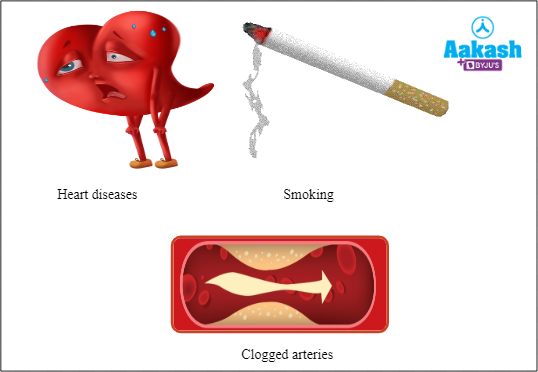
Fig: Common physical causes of erectile dysfunction
Psychological causes of erectile dysfunction
Beginning with sensations of sexual arousal, the brain is crucial in setting off the cascade of physical events that lead to an erection. Many factors can affect sexual desire and either create or accelerate erectile dysfunction. These factors include the following:
- Anxiety
- Depression
- Mental health issues
- Relationship problems resulting from stress, inadequate communication with the partner, or other problems
- Stress
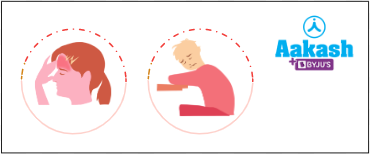
Fig: Psychological causes of erectile dysfunction
Complications of erectile dysfunction
Certain complications resulting from the erectile dysfunction are as follows:
- Embarrassment or low self-esteem.
- An unsatisfactory sex life.
- Stress
- Inability to make the partner pregnant.
- Anxiety.
- Relationship problems.
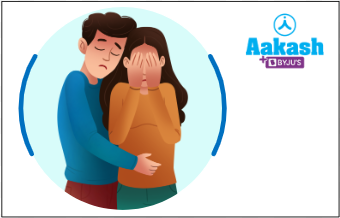
Fig: Inability to make the partner pregnant
Treatment
The first line of treatment is frequently non-invasive. The majority of the most popular erectile dysfunction remedies are effective and secure. However, it can be helpful to consult the doctor about the potential adverse effects of each one of them.
Oral drugs
PDE type-5 inhibitors (phosphodiesterase type 5 inhibitor class) are medications that boost penile blood flow. The Food and Drug Administration has only approved these oral medications for erectile dysfunction or ED treatment. These include Viagra, Levitra, and Cialis.

Fig: Oral drugs
Side effects of oral drugs
The side effects of PDE5 drugs are very mild and last for a short time. The common side effects include muscle aches, stuffy nose, headache, facial flushing, and indigestion.
Testosterone therapy
Testosterone therapy may restore normal erections in rare instances. It is applicable in cases where low blood levels of testosterone and a low sex drive is seen. It may also work in conjunction with erectile dysfunction or ED medications.

Fig: Testosterone therapy
Vacuum erection device
A plastic tube that fits over the penis and forms a seal with the body's skin is a vacuum erection device. An erection is produced by this device when a low-pressure vacuum has been created around the erectile tissue by the pump present at the other end of the tube. The base of the penis is then covered with an elastic ring. For up to 30 minutes, this retains the blood in the penis and keeps it firm.
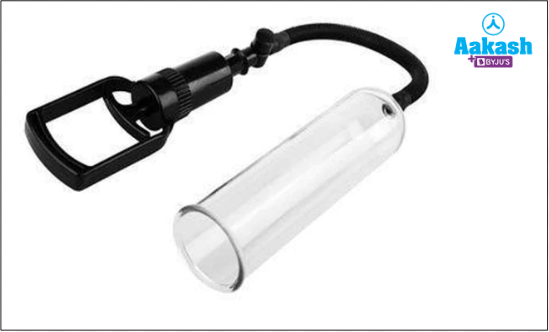
Fig: Vacuum erection device used for treating erectile dysfunction
Self-injection therapy
A very small needle is used to inject alprostadil into the side of the penis. Prior to performing this on his own, a person is advised to receive the first shot from the physician. Self-injection instruction should be provided by a qualified practitioner. With this therapy, success rates for obtaining an erection strong enough for intercourse can reach up to 85%.

Fig: Self-injection therapy
Types of self injection therapy
Self injection therapy is commonly of two types as follows:
Intracavernosal injection therapy or ICI commonly
It refers to the direct injection of a vasodilatory medication or combination of medications into the corpus cavernosum. It induces an involuntary erection.
Intraurethral or IU Therapy
In intraurethral therapy a tiny medicated pellet is used. The commonly used drug is Alprostadil. It is placed in the urethra. Urethra is the tube that carries urine from the body to the outside. This is useful when the person does not want to give a shot himself. But it is less effective compared to ICI.
Side effects of Intraurethral or IU Therapy
The following are the common side effects of IU alprostadil.
- It creates a burning sensation in the penis.
- In some cases the erection can last for many hours (normally four hours).
- In some cases medical attention is required to bring down the penis from an erect condition.
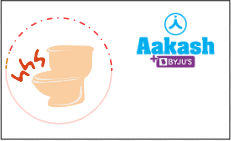
Fig: Burning sensation
Common surgical treatments for erectile dysfunction
The primary surgical remedy for erectile dysfunction involves placing a penile implant (also called penile prosthesis). Older males who have tried oral PDE type-5 inhibitors, IU or ICI treatments but failed are not advised to have penile vascular surgery. In them implants are considered as the next step. Despite the dangers involved in surgery, penile implants offer the satisfaction and best success rates of all erectile dysfunction therapy alternatives. Devices called penile implants are inserted entirely within the body. They manufacture a rigid penis that enables normal intercourse. The implants that are incorporated in the penis are of two types as follows:
- Semi-rigid implant
- Inflatable implant
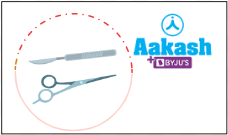
Fig: Surgical treatments
Semi-rigid implant
Two flexible rods typically composed of silicone that are bent easily make up the most basic type of implant. The penis of the man is given the hardness necessary for sexual penetration by these silicone rods. For urination or sex, the implant can be twisted upward or downward.
Inflatable implant
Fluid-filled cylinders are inserted normally in the penis lengthwise using an implant that is inflatable in this case. These cylinders are connected through tubing to a pump located inside the scrotum. The penis is inflated once the pump is operated and stiffened by the pressure present in the cylinders.
Prevention of erectile dysfunction
The following measures can be taken to prevent erectile dysfunction:
- Lead a healthy lifestyle and manage any existing health conditions.
- Manage heart problems, diabetes, or other chronic health conditions.
- Do follow regular checkups and medical screening tests.
- Stop smoking.
- Avoid or limit alcohol consumption.
- Do not use illegal drugs.
- Regular exercise.
- Reduce stress.
- Follow yoga.
- Get help for depression, anxiety, or other mental health concerns.

Fig: Follow regular checkups
Practice Problems
- What are the main causes of impotence?
Answer: The main causes of impotence involve abnormalities in the penile arteries, veins, or both, nerve damage due to trauma or surgery, stress, anxiety, and depression.
- How can erectile dysfunction be diagnosed?
Answer: Erectile dysfunction can be diagnosed through the following tests:
- Physical examination
- Blood tests
- Urine tests
- Ultrasound
- What factors can trigger erectile dysfunction?
Answer: Erectile dysfunction can be brought on by physical conditions such as heart disease, high cholesterol, high blood pressure, diabetes, obesity, and smoking. On the other hand, sexual feelings can also be hampered by mental health issues like depression, anxiety, stress, and relationship issues.
- How impotence can be cured?
Answer: Impotence can be cured through the following ways:
- By maintaining a healthy lifestyle
- Counselling
- Medications
- Surgery
- Therapies
FAQs
- What causes a man to have an erection in the morning?
Answer: After waking up in the morning, the testosterone level is at its peak. It reaches its peak right after a person awakens from a rapid eye movement (REM) sleep state. Even without any physical stimulation, this hormone's rise could be sufficient to bring on an erection.
- What is the common age at which erectile dysfunction can be seen?
Answer: Many men in their 20s experience erectile dysfunction. But some men in their 90s can still get erections with no problems. Therefore, there is no such age in which erectile dysfunction was commonly seen.
- What foods can a man have to overcome the condition of impotence?
Answer: A man can have watermelon, spinach, green leafy vegetables, almonds, walnuts, blueberries, pistachios, hazelnuts, pomegranate juice, avocado, bananas, chilli peppers, fishes, peanuts and coffee to get rid of erectile dysfunction.
- What types of exercises help to get rid of erectile dysfunction?
Answer: Kegel exercises, also known as pelvic exercises, have been shown to be successful in treating erectile dysfunction and ought to be utilised as the initial course of treatment.

 Call Now
 Let's Chat
 Share
Share