-
Call Now
1800-102-2727


Common Bacterial Diseases in Humans: Typhoid, Pneumonia, Tuberculosis, Diphtheria, Plague, Practice Problems and FAQs

You all heard about bacteria. They help human beings in many ways. For example, they help in making curd and softening the dosa dough. We all know that bacteria causes infections also. However, not all bacteria are infectious or pathogenic. So can you name a disease caused by bacteria?
Ofcourse, you are correct. There are many examples of bacterial diseases like typhoid, tuberculosis, plague, pneumonia, dysentery, cholera, diphtheria, tetanus etc.

Do you think all these bacterial diseases are caused by the same bacteria? Well, the answer is No. It is necessary to know that these diseases are caused by different bacteria and each bacterium has a different mode of causing and transmission of infection. Depending upon the type of bacteria, it will target a specific organ in the host body where it will find the hostile conditions for its survival and cause infection majorly in that organ. Let us take a deep dive into the details of these bacterial diseases.
Table of contents
- Typhoid
- Pneumonia
- Tuberculosis
- Diphtheria
- Plague
- Practice Problems
- FAQs

Typhoid
It is caused by a bacterium Salmonella typhi. These bacteria can be identified by the presence of numerous flagella around the cell. This disease is also called enteric fever. This disease is common in children of the age group of 1-15 years.
Mode of Transmission
Salmonella can be spread by consuming contaminated food or drinking contaminated water or by insects such as flies. These bacteria can be picked up by flies that land on human faeces. When the same fly sits on our food, it might spread bacteria to it, functioning as a carrier.
Mechanism
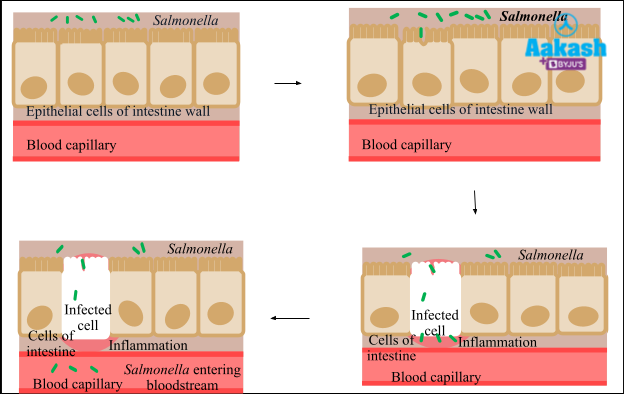
Salmonella enters the alimentary canal when a person drinks water contaminated with the bacteria. Ingested bacteria travel through the intestine with the food. Salmonella invades the epithelial cells of the intestinal wall once it reaches the small intestine eventually causing damage to the epithelial cells. After that it passes the cell lining and enters the circulation after destroying epithelial cells. The germs can then enter the bloodstream and affect different organs.
As a result, inflammation develops in that area. Inflammation can induce severe diarrhea and stomach pain.
Symptoms
The following are the common symptoms of typhoid:
- Sustained fever (39℃ to 40℃)
- Loss of appetite
- Constipation
- Stomach pain
- Headache
- Weakness
- In severe cases, the intestinal perforation are observed which leads to death of the patient
Diagnostic test - Widal test
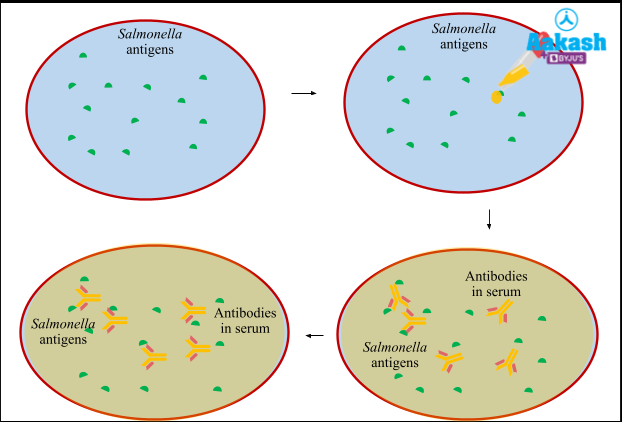
The Widal test can be used to confirm typhoid. It is detected using a Widal card as a testing tool.
Salmonella antigens are spread on the card. The patient's serum is administered and dispersed on the widal card. Antibodies to Salmonella would be present in the serum of people who had typhoid. Antibodies bind to antigens on the card when serum from a typhoid patient is distributed. Binding of antibodies results in formation of clumps, indicating that the test is positive.
Treatment
The common treatment methods include antibiotics and oral dehydrations.
Antibiotics
Antibiotics can aid in the death of bacteria, preventing the spread of disease.
Oral rehydration
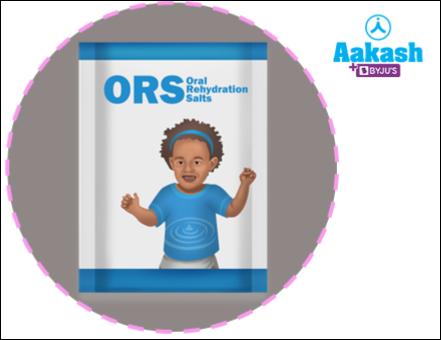
To replace lost bodily fluids caused by typhoid, oral rehydration solution or salts (ORS) can be utilised.
Prevention
- Milk that has not been pasteurised should not be consumed.
- Avoid eating unwashed fruits and vegetables.
- Raw eggs and raw meat should not be consumed.
Typhoid Mary
Typhoid Mary is a classical example of typhoid carriers. For numerous years, Mary Mallon, a cook, disseminated typhoid fever through the meals she prepared. Later on, she was known as Typhoid Mary. She was the main source of multiple outbreaks of typhoid fever in New York City and Long Island between 1900 and 1907.

Pneumonia
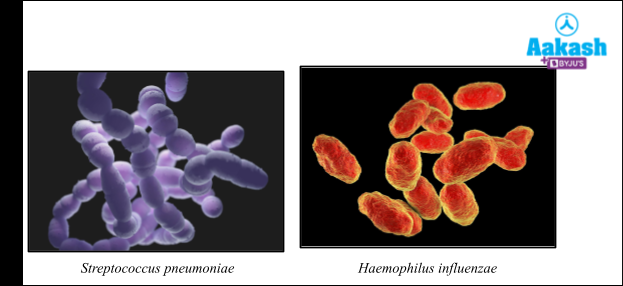
Pneumonia is derived from the word ‘pneumon’ which means related to lungs. It is caused by two bacterium Haemophilus influenzae or Streptococcus pneumoniae.
Mode of Transmission
Pneumonia is disseminated through droplets released by a patient while coughing, sneezing, speaking or sharing utensils such as glass with a patient.

Mechanism
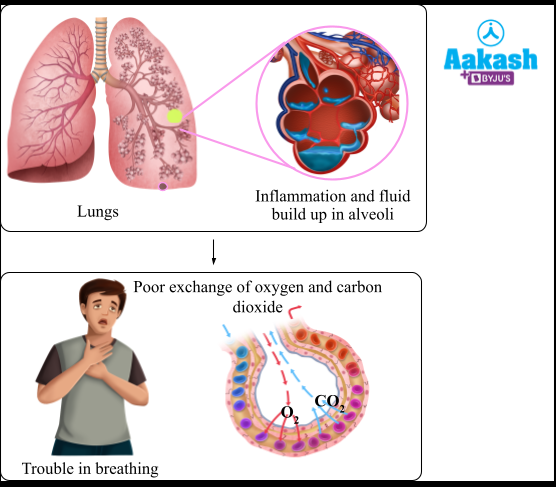
Pneumonia causing bacteria enter the respiratory tract through infectious droplets. The bacteria infect the alveoli through the bronchial tree. This results in inflammation and formation of fluid in the alveoli. The fluid-filled alveoli obstruct the correct exchange of respiratory gases, resulting in breathing difficulties. Pneumonia is a common infection that affects hospitalised patients as well as those who have a weaker immune system.
Symptoms
The following are the common symptoms of pneumonia:
- Fever
- Cough
- Headache
- Chills
- In severe cases, lips or nails turn grey or blue due to lack of oxygen.
- Sputum looks bloody or rusty.
Diagnostic test
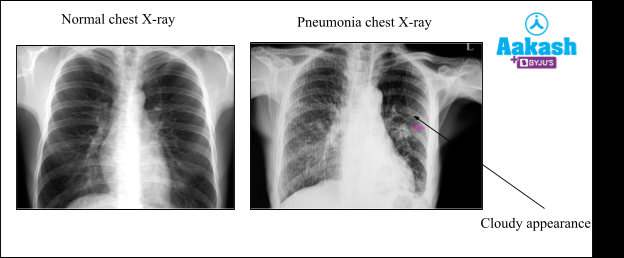
Chest X-ray
A chest X-ray can be used to diagnose pneumonia. On an X-ray scan, the affected region of the lung will appear opaque/cloudy.
Chest CT scan
CT scans are frequently recommended in severe situations to help with diagnosis.
Treatment
It can be cured using antibiotics.
Tuberculosis
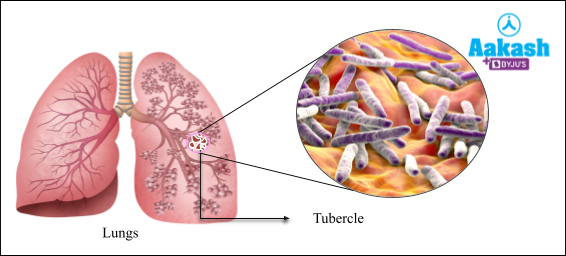
It is caused by a deadly pathogenic bacterium called Mycobacterium tuberculosis. This bacterium mainly infects the lungs of an individual and multiplies in the lungs to form a mass of cells called tubercle.
Mode of Transmission
Tuberculosis is transmitted mainly through the air and not by surface contact. Transmission occurs when the person inhales droplet nuclei. This droplet nucleus contains Mycobacterium tuberculosis, traverses the mouth, nasal passages, upper respiratory tract, and bronchi. It finally reach the alveoli of the lungs and causes the infection
Symptoms
The common symptoms of tuberculosis are as follows:
- Coughing for three to more weeks.
- Coughing up blood and mucus.
- Chest pain.
- Fatigue.
- Fever.
- Night sweats.
- Chills.
- Pain while breathing or coughing.
- Unintentional weight loss.
Diagnostic test
Two kinds of tests are commonly used to detect TB bacteria in the body. They are as follows:
TB skin test (TST) or Mantoux tuberculin skin test
It is performed by injecting a small amount of fluid, tuberculin into the skin on the lower part of the arm. The person given the tuberculin skin test must return within the specified time (48 to 72 hours) to the laboratory to look for a reaction on the arm.
TB blood tests
In this method the immune system reaction to TB bacteria is measured using high-end technologies through the tuberculosis blood test.
Treatment
The usual treatment for TB is done using antibiotics. Two antibiotics like isoniazid and rifampicin must be taken for 6 months. Two additional antibiotics like pyrazinamide and ethambutol must be taken for the first 2 months of the 6-month treatment period.
Diphtheria
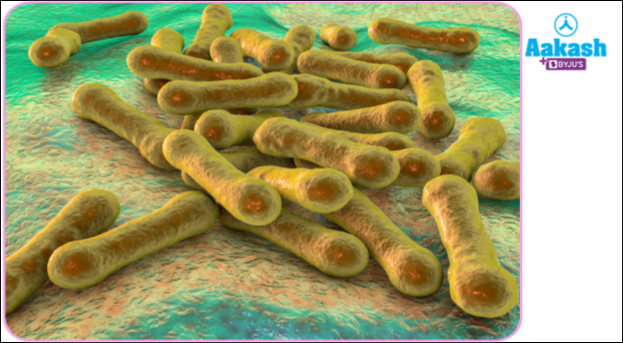
Diphtheria is a life-threatening infection caused by bacteria called Corynebacterium diphtheriae, which produce a toxin (poison).
Mode of Transmission
Diphtheria bacteria are transmitted from one person to another normally through respiratory droplets. These are produced by coughing or sneezing. Touching infected open sores or ulcers can potentially get people sick.
Symptoms
The following are the common symptoms of diphtheria:
- Weakness
- enlarged glands in the neck
- Sore throat
- Moderate fever
Vaccination for diphtheria
Diphtheria, pertussis and tetanus, are protected by the DPT vaccine. It is usually administered to kids under the age of six. Diphtheria is a disease for which immunisation is required.
Diagnostic test
Swabs taken from the back of the throat or nose can be used to test the presence of the bacteria that cause diphtheria. Samples can also be taken from an open sore or ulcer.
Treatment
Antibiotics and antitoxins can be used for the treatment.
Diphtheria antitoxin
It is used to stop the toxin made by the bacteria from damaging the body. This treatment is important for diphtheria infections of the respiratory tracts. It is also used for skin infections.
Antibiotics
Antibiotics can be used to kill and get rid of the bacteria.
Plague
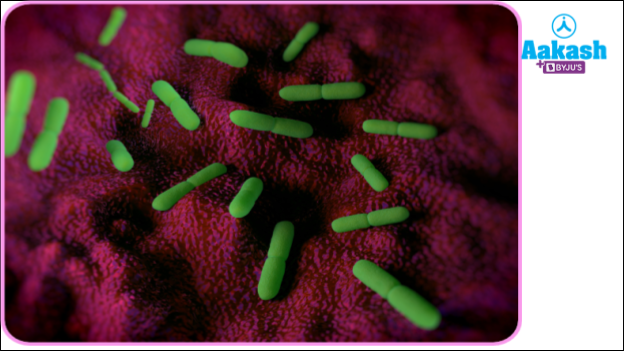
Plague is a deadly infection caused by the bacteria Yersinia pestis. It causes black death, a worldwide pandemic. The 'Black Death' killed off 30% of Europe's population in the 14th century.
Mode of Transmission
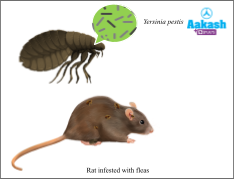
Oriental rat fleas (Xenopsylla cheopis) are vectors for the bacteria Yersinia pestis. They are commonly seen in rats and small mammals. When a flea-infested rat comes into contact with a human, the fleas are transferred to the human body. Humans contract plague after being bitten by fleas that carry these bacteria. It can also be transferred by handling plague-infected animals.
Symptoms
The following are the common symptoms of diphtheria:
- Weakness
- Headache
- Fever
- Chills
Diagnostic test
Two common tests are used for the diagnosis of plague. They are as follows:
Lymph node aspirate
An affected bubo normally contains numerous bacteria that can be evaluated microscopically and by culture.
Blood cultures
Blood cultures can be performed for detecting plague.
Treatment
Antibiotics like streptomycin, doxycycline, ciprofloxacin and gentamicin are commonly used to treat plague. Oxygen, intravenous fluids, and respiratory support may also be required normally. People with pneumonic plague normally kept away from other patients. Proper isolation procedures must be followed in the hospital.
Practice Problems
Q1. Match the following
|
Column I |
Column II |
||
|
1. |
Diphtheria |
A |
Lungs |
|
2. |
Plague |
B |
Small and Large intestine |
|
3. |
Typhoid |
C |
Lymphatic system |
|
4. |
Tuberculosis |
D |
Throat |
a. 1 - A, 2 - B, 3 - C, 4 - D
b. 1 - C, 2 - D, 3 - B, 4 - A
c. 1 - D, 2 - C, 3 - B, 4 - A
d. 1 - A, 2 - C, 3 - B, 4 - D
Solution: Diptheria is a deadly disease caused by bacterium Corynebacterium diphtheriae which infects our throat and causes ulcers and sore throat.
Plague is a life threatening, dangerous and infectious disease caused by the bacterium Yersinia pestis. The major target of this bacterium is lymph nodes where it inhabits and causes swelling in lymph nodes, weakness, chills and fever.
Typhoid is caused by bacterium Salmonella typhi which enters our alimentary canal and infects both small and large intestines.
Tuberculosis is caused by bacterium Mycobacterium tuberculosis which mainly affects lungs.
Hence, option b is correct.
Q2. Identify the correct match.
a. Typhoid - Salmonella pneumoniae
b. Pneumonia - Haemophilus influenzae
c. Diphtheria - Yersinia pestis
d. Plague - Corynebacterium
Solution: The correct match is Pneumonia caused by bacterium Haemophilus influenzae. Hence, option b is correct.
Q3. What is the symptom observed in typhoid in severe cases?
Answer: In severe cases of typhoid, the intestine gets perforated which may lead to death of the patient.
Q4. Mention the bacterium responsible for causing pneumonia?
Answer: Pneumonia is caused by Haemophilus influenzae and Streptococcus pneumoniae.
Q5. How does Salmonella typhi cause infection?
Answer: Salmonella typhi enters the human body through contaminated food or water and reaches the alimentary canal. It then travels to the small intestine where it invades epithelial cells of the intestine and damages the epithelial lining. It results in the inflammation in that area which leads to diarrhoea and stomach pain.
Q6. Enlist the symptoms of pneumonia?
Answer: The common symptoms of pneumonia include headache, fever, chills, cough, turning of lips or nails blue or grey in severe cases due to lack of oxygen.
FAQs
Question 1. What is a tubercle?
Answer: A tubercle is a mass of immune cells formed in the lungs. It is formed when a person gets an infection of bacterium Mycobacterium tuberculosis.
Question 2. Suppose your friend is having symptoms such as fever, headache, loss of appetite, stomach pain and constipation. Which bacterial disease he or she must be suffering from?
Answer: The symptoms such as loss of appetite, headache, fever, stomach pain and constipation are observed when a person is suffering from typhoid. Thus, he is suffering from typhoid. WIDAL test is used to confirm the presence of typhoid in which the presence of antibodies against Salmonella typhi is confirmed.
Question 3. Do you think that the black Death is still around?
Answer: Yes, the black death is still there in the world. But only a couple thousand cases are reported worldwide each year. These cases are mostly reported from Africa, India, and Peru. The United States reported 7 cases a year. In most cases the wild rodents carry the bacteria, Yersinia pestis.
Question 4. What is tuberculin?
Answer: It is a sterile liquid containing the specific substances extracted from the tubercle bacillus. It is widely used in the diagnosis of tuberculosis in children and cattle.
Youtube link: Need to be created
Related Topics
|
Common diseases in humans (Helminthic), Practice Problems and FAQs |
|
Common diseases in humans (Protozoan), Practice problems and FAQs |
|
Common diseases in humans (Fungal), Practice problems and FAQs |
|
Cancer: Types of cancer, Causes, Detection of cancer, Diagnosis, Treatment, Practice Problems and FAQs |

 Call Now
 Let's Chat
 Share
Share