-
Call Now
1800-102-2727


Arthritis Types, Causes, Symptoms, Treatments, Preventions, Practice Problems and FAQs

We all are able to show various types of movements. You know that this is possible because of the joints in our skeletal system. Joints are the places of articulation between two or more bones or between a bone and a cartilage.
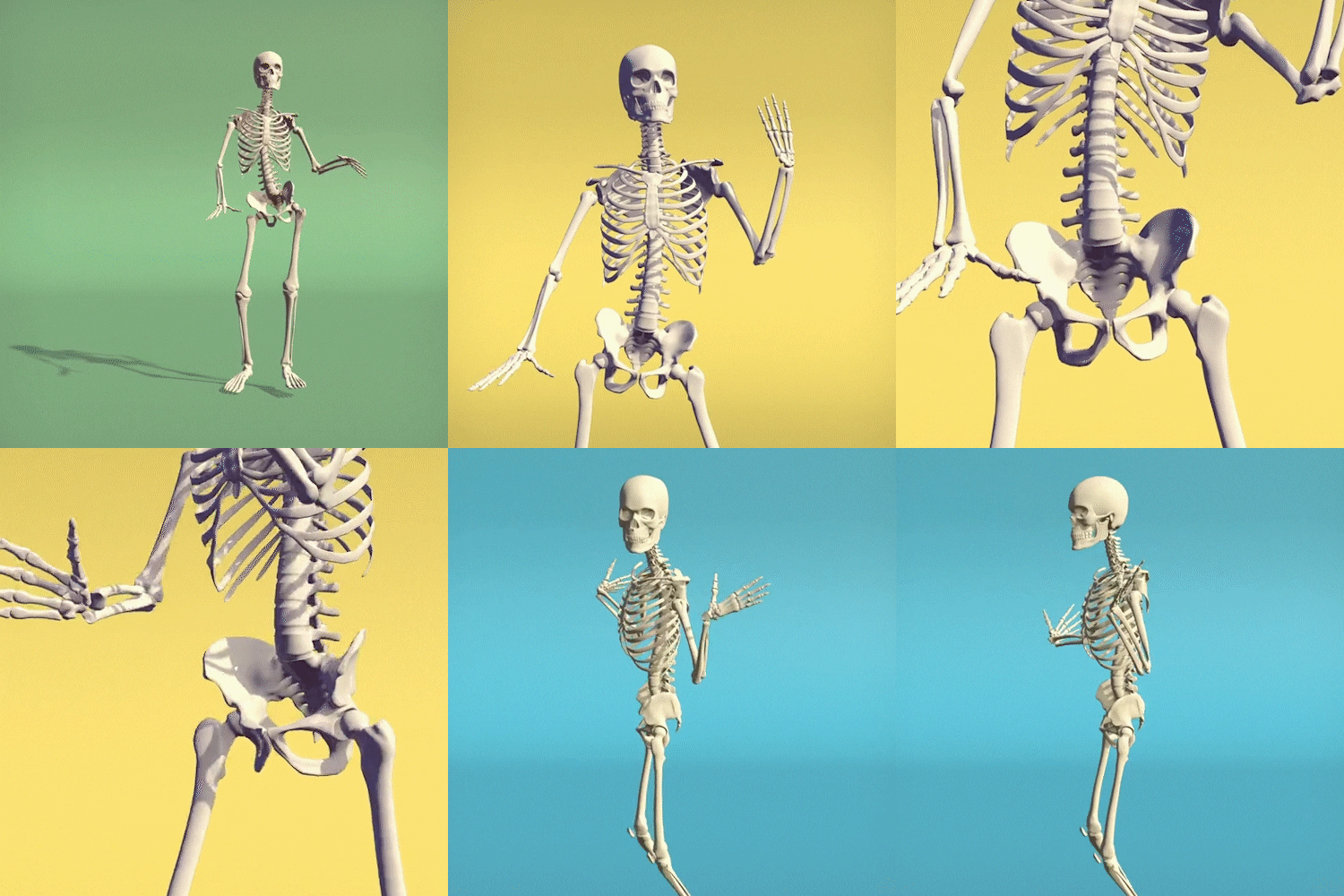
GIF: Movements
But sometimes you might have heard people complaining about the pain in joints, especially your grandparents. This may happen due to various reasons such as age, physical conditions, obesity etc. But most of the time it may be due to arthritis. Arthritis is considered as a common disease affecting all sexes and age groups. It includes different types of joint diseases or joint pains. Arthritis is considered as one of the common causes of disabilities in the current world. Around 350 million people worldwide suffer from arthritis. In this article let’s take a deep dive into the details of arthritis and its types.
Table of contents
- Arthritis
- Common symptoms of arthritis
- Causes of arthritis
- Treatment for arthritis
- Prevention of arthritis
- Osteoarthritis
- Rheumatoid arthritis
- Infectious arthritis
- Gouty arthritis
- Practice Problems
- FAQs
Arthritis
It is the inflammation of joints and is of different types. Many of these conditions affect joints, connective tissues and the tissues surrounding the joints. Another common name for arthritis is wear and tear disease. The most common ones are rheumatoid arthritis, infectious arthritis, osteoarthritis, and gout or gouty arthritis.
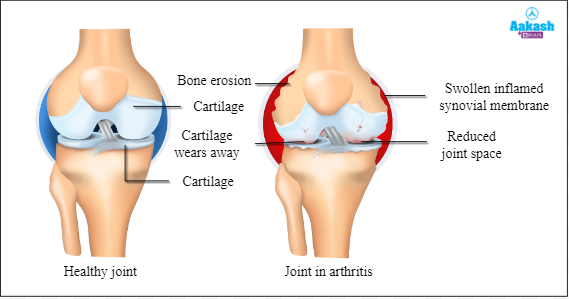
Fig: Arthritis
Common symptoms of arthritis
Burning sensations and pain in the joints are the most common symptoms of all types of arthritis. Symptoms other than the above include the following:
- Poor sleep
- Limping
- Malaise
- Fatigue
- Deformity of joints
- Muscle aches
- Tenderness in the joints
- Redness of the joints
- Warmth of the joints
- Difficulty in moving the joints
- Stiffness and swelling in the joints
- In some cases, arthritis may affect various organs in the body and cause fever, weight loss, fatigue, swelling of some glands, decreased fitness, flexibility loss and muscle weakness.
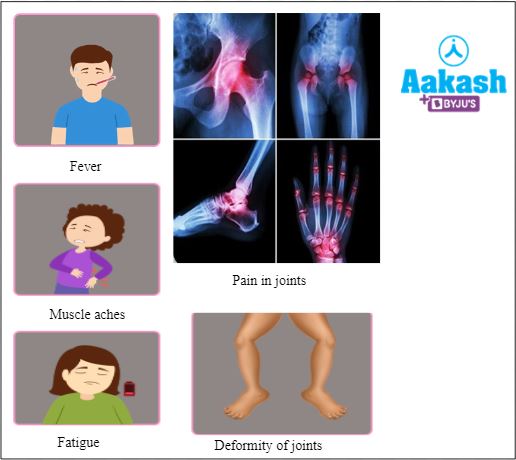
Fig: Common symptoms of arthritis
Causes of arthritis
Many factors cause arthritis. But it mainly depends on the form of arthritis. The major cause include the following:
- Age
- Improper diet
- Poor nutrition
- Heredity
- Problems of the immune system
- Wear and tear in the joints
- Infections to the joints
- Metabolic abnormalities
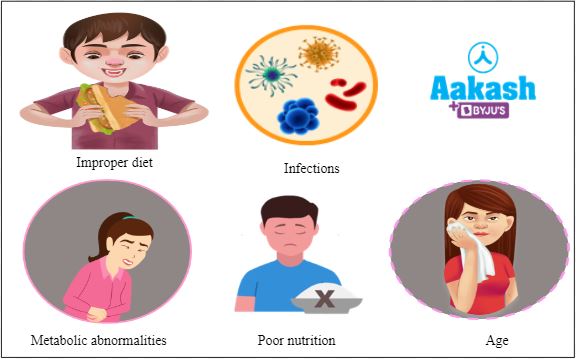
Fig: Common causes of arthritis
Treatment of arthritis
At present there is no complete cure for arthritis. But treatments are available for reducing the inflammation in joints, and it depends on the form of arthritis. The treatment mainly concentrates on reducing pain and preventing further damage to the joint. The commonly used treatment methods include the following:
Medicines
The most common medication for arthritis include nonsteroidal anti-inflammatory drugs (NSAIDs) which can give relief from pain and reduce inflammation. Examples include ibuprofen and naproxen sodium.

Fig: Medication
Physical Therapy
Physical therapy involves exercises that strengthen the muscles around the joint. These exercises increase flexibility and reduce pain in joints. Regular exercises, such as swimming and walking are equally effective.
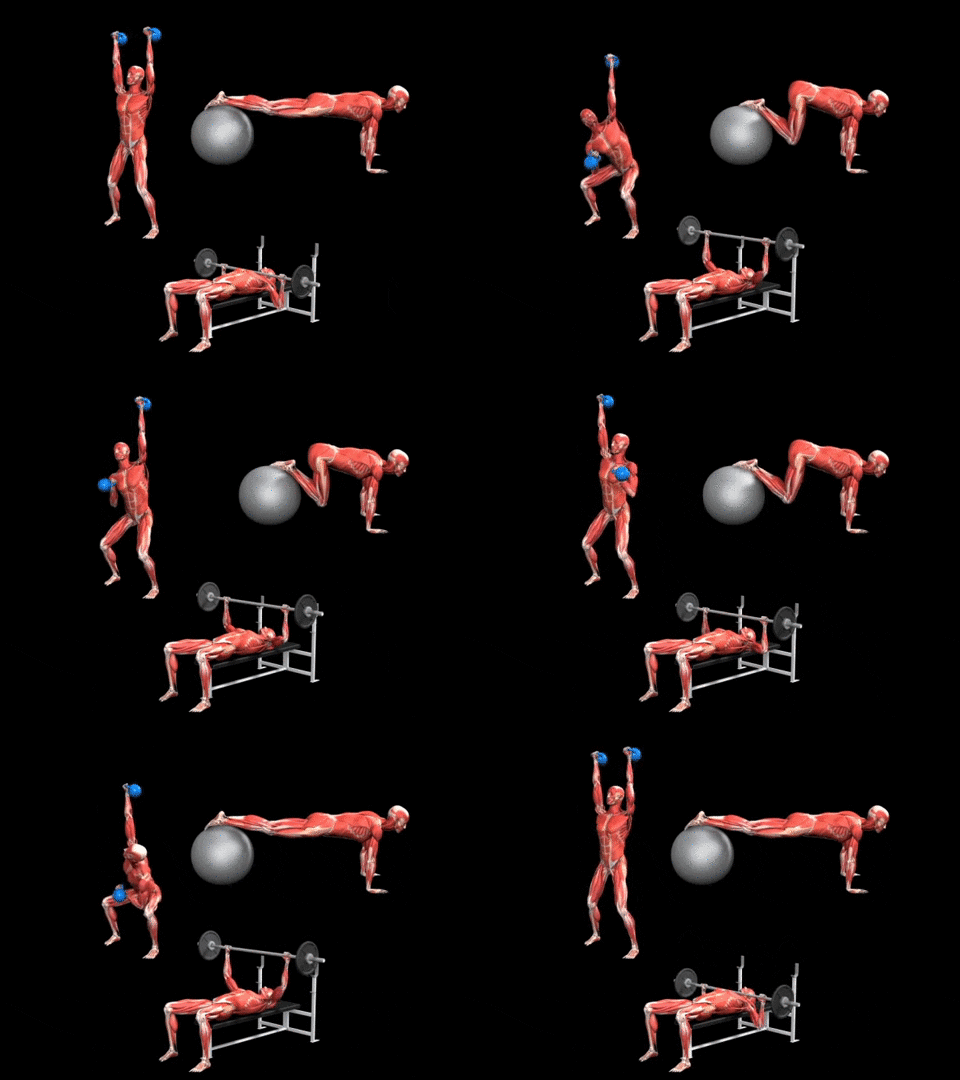
GIF: Exercises
Joint replacement surgery
In the procedure of joint replacement, the damaged joint surfaces are removed and replaced with plastic and metal parts. The risk of the surgical methods includes infections and blood clots. These artificial joints can wear out, become loose or might need to be replaced after a short time period.
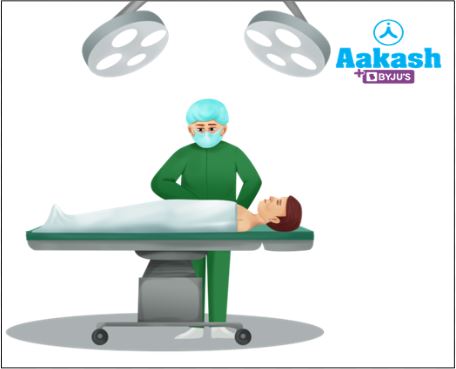
Fig: Joint replacement surgery
Acupuncture and massaging
Acupuncture offers minimal pain but it gives relief from stiffness in joints. Massaging is also good for pain and stiffness relief.
Non-pharmacologic therapies
Deep breathing, tai chi, yoga, meditation, and relaxation techniques are part of the non-pharmacologic therapies.
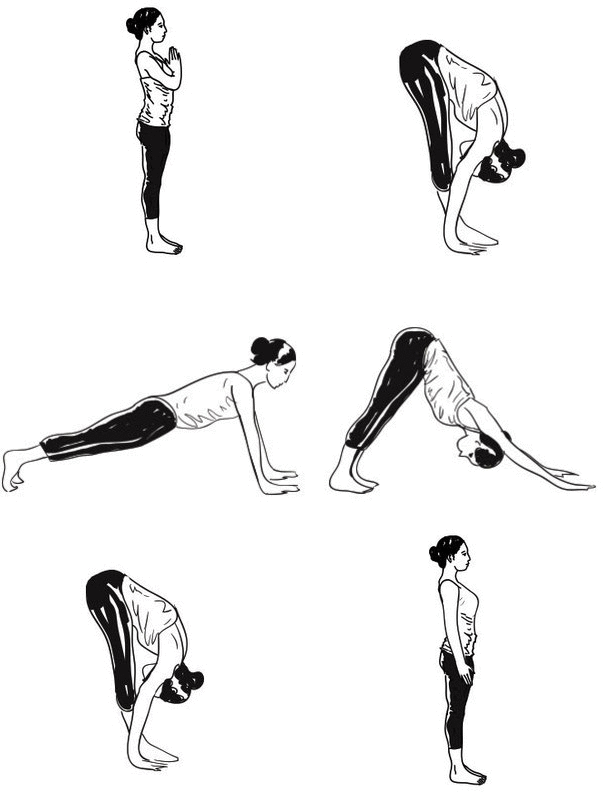
GIF: Yoga
Prevention of arthritis
Many things can be followed to prevent arthritis. Following a healthy lifestyle is the main thing that prevents these types of diseases. The healthy habits include the following:
- Physical activities such as running, walking, and swimming.
- Taking vitamin D rich food items.
- Following a balanced diet.
- Maintaining a proper body weight.
- Regular exercises.
- Avoiding injuries as well as repetitive joint actions.
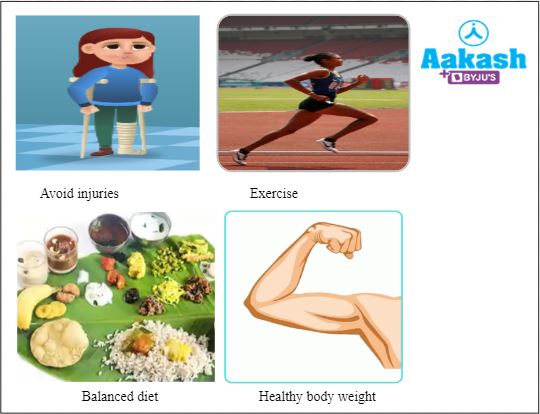
Fig: Common measures to prevent arthritis
Osteoarthritis
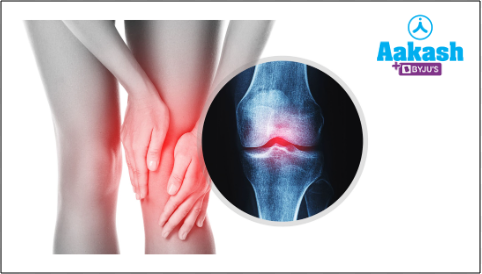
It is the most common type of arthritis and is a degenerative joint disease that affects the joints of spine, knees and hands. It is normally caused by the wear and tear of cartilage in the joint surrounding the bone. This will result in reduced friction among the bones.
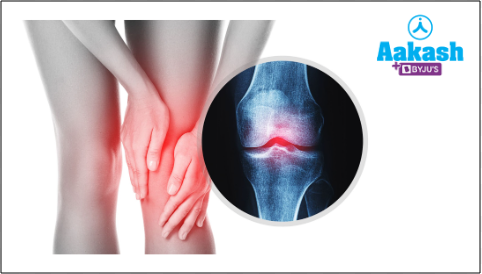
Fig: Osteoarthritis in the knee joint
Symptoms of osteoarthritis
The common symptoms of osteoarthritis develop slowly and become worse over time. The common symptoms include the following:
Pain
The joint that gets affected due to osteoarthritis might hurt during and after movements.
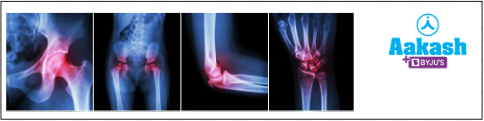
Fig: Joint pain in arthritis
Stiffness
The affected joint becomes stiff upon awakening or after being inactive for a long time.
Tenderness
The affected joint feels tender when a little pressure is applied.
Loss of flexibility
The flexibility of the joint is lost and it becomes difficult to perform the complete movement.
Sensation
When the joint is in use, a person can feel a grating sensation. This releases a popping or crackling sound.
Bone spurs
These are the extra bits of bones that feel like hard lumps. These are formed around the affected joints.
Swelling
The swelling is caused by the inflammation of soft tissues around the joint.
Causes of osteoarthritis
The main cause of osteoarthritis is unknown. But the chance of developing osteoarthritis depends on many factors and is not just caused by ‘wear and tear’. The common causes of osteoarthritis include the following:
Age
Osteoarthritis usually develops in the late 40s. This is due to the fact that ageing results in weakening of muscles, weight gain and reduces the capacity of the body to heal.

Fig: Age
Gender
Osteoarthritis affects the majority of joints more commonly in women. This is due to the fact that women have more elastic tendons to facilitate childbirth which in turn makes them more prone to injury. They also have wider hips which affects the way their knees are aligned and make them more vulnerable to certain types of injuries which might lead to arthritis in future. The level of estrogen in women gets reduced after menopause. This also makes them more vulnerable to osteoarthritis.
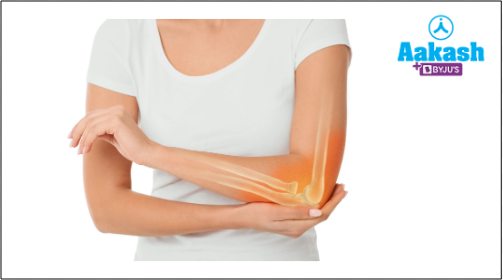
Fig: Osteoarthritis in the elbow joint
Obesity
Obesity puts additional pressure on the joints especially the weight-bearing joints like the knee and hip.

GIF: Obesity
Joint injury
Any major injury or operation on a joint may lead to osteoarthritis in later life. Normal exercise and regular physical activity does not cause osteoarthritis but the risk of developing osteoarthritis increases with repetitive activities and physical jobs.
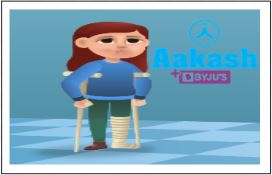
Fig: Joint injury
Joint abnormalities
The people born with abnormalities or having developed them in childhood days are vulnerable to early development of osteoarthritis with greater severity.
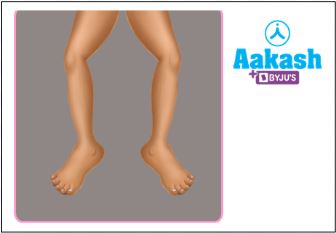
Fig: Joint abnormalities
Genetic factors
The probability of developing osteoarthritis in the hand, knee, or hip can be influenced by the genes inherited. Single gene mutations that impact the collagen protein are associated with some extremely rare forms of osteoarthritis. This can cause the development of osteoarthritis at earlier ages.
Rheumatoid arthritis
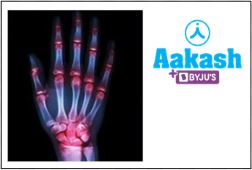
It is a chronic painful inflammation of the synovial membrane. In this case the synovial membrane thickens and produces more synovial fluid which exert pressure. The membrane secretes abnormal granules called pannus which after accumulating on the surface of the cartilage causes its erosion. Due to this the fibrous tissues attached with the bones become ossified and make the joint immovable.
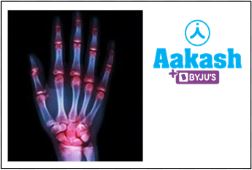
Fig: Rheumatoid arthritis
Causes of rheumatoid arthritis
While arthritis is a common term used to describe a joint disorder, rheumatoid arthritis is an autoimmune disease wherein the immune system of the body causes inflammation to the synovial membrane (provides lubrication to the joints) of the bone. Presence of a type of immunoglobulin IgM called rheumatoid factor is detected in rheumatoid arthritis patients.
Symptoms of rheumatoid arthritis
The common symptoms of rheumatoid arthritis include swelling, inflammation and pain in the joints.
Infectious arthritis
It is a severe form of arthritis which is caused by microbial infections to the joints.
Causes of infectious arthritis
The common causes of infectious arthritis are microbes that infect the joints like Salmonella, Shigella, Chlamydia, and Gonorrhoea. Suitable treatment using antibiotics can cure the joint infection in many cases, but in rare cases, it may become critical to treat this infectious arthritis.

Fig: Salmonella
Symptoms of infectious arthritis
Common symptoms of infectious arthritis include inflammation, swelling, and pain.
Gouty arthritis
It is caused due to excessive formation of uric acid or inability to excrete it. It gets deposited in synovial joints as monosodium salt and gives rise to severe arthritis.
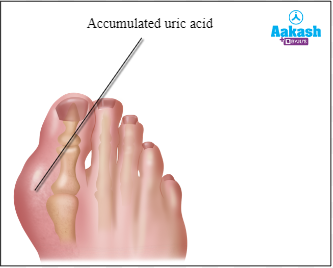
Fig: Gouty arthritis
Causes of gouty arthritis
It is the inflammation of joints caused due to accumulation of uric acid crystals resulting in inflammation of joints. A condition called hyperuricemia which is the presence of excessive levels of uric acids in the body causes gouty arthritis. Formation of uric acids in the body occurs by the breakdown of purines found in food and our body.
Symptoms of gouty arthritis
Common symptoms of gouty arthritis are pain, redness and swelling in joints. It is very painful particularly at night and makes movement difficult.
Practice Problems
1. Rheumatoid arthritis (RA) is said to be different from other types of arthritis because it ____________________.
- normally occur below the waist
- is more painful than other types
- is symmetrically affecting the left and right sides of the body
- normally occurs above the waist
Solution: Rheumatoid arthritis is an autoimmune disease wherein the immune system of the body causes inflammation to the synovial membrane (provides lubrication to the joints) of the bone. Rheumatoid arthritis differs from other types of arthritis as it is symmetrically affecting the left and right sides of the body. Osteoarthritis may affect only one side of the body. Hence the correct option is (c).
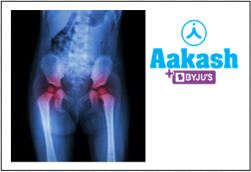
Fig: Rheumatoid arthritis
2. Osteoarthritis is considered more severe in _______________.
- women
- men
- both men and women
- kids
Solution: Osteoarthritis affects the majority of joints more commonly in women. This is due to the fact that women have more elastic tendons to facilitate childbirth which in turn makes them more prone to injury. They also have wider hips which affects the way their knees are aligned and make them more vulnerable to certain types of injuries which might lead to arthritis in future. The level of estrogen in women gets reduced after menopause. This also makes them more vulnerable to osteoarthritis. Hence the correct option is (a).
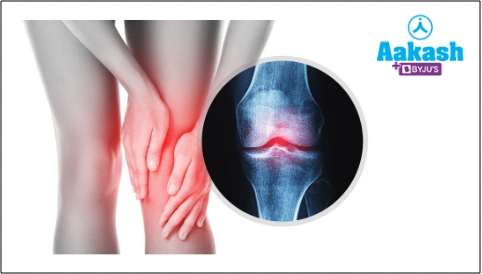
Fig: Osteoarthritis in the knee joint
3. Rheumatology is the branch of medicine that deals with the study of ______________.
- rheumatism
- autoimmune diseases
- disorders of the joints, muscles, and ligaments
- all of the above
Solution: Rheumatology is the branch of medicine that involves the study of disorders of the joints, muscles, ligaments and bones, autoimmune diseases like rheumatism, and soft tissue diseases. Hence the correct option is (d).
4. Write down the differences between osteoarthritis and rheumatoid arthritis?
Answer: The following are the major differences between osteoarthritis and rheumatoid arthritis:
|
Osteoarthritis |
Rheumatoid arthritis |
|
It is caused by degeneration of articular cartilage |
It is caused by inflammation of synovial membrane |
|
It mainly affects the weight bearing joints |
It usually affects the small joints in the hand and then progress |
|
In this case the smooth cartilage at the joints wear off and replaced by proliferation of new bones |
In this case the joints swells and become extremely painful |
|
Function of the affected joints gets diminished |
Crippling of joints occurs |
|
It normally occurs in old age |
It normally occurs at the age of 20 - 40 years |
|
|
|
FAQs
1. What are the most common treatments of arthritis?
Answer: The common treatments for arthritis include anti-inflammatory drugs (NSAIDs), assistive aids, physical therapy, joint replacement surgery, and nonpharmacological therapies.
2. What foods have the ability to stop arthritis?
Answer: The common foods used to stop arthritis include fatty fishes, leafy vegetables, nuts, olive oil, berries, garlic, onions, and green tea.
3. Why is milk considered good for arthritis?
Answer: Milk is a good source of vitamin D, calcium, and proteins. It will help prevent gout and fight the progression of osteoarthritis.
Fig: Milk
4. What are the common methods used to prevent arthritis?
Answer: The following methods are used to prevent arthritis:
- By maintaining a healthy weight.
- By routine check ups.
- By controlling blood sugar.
- Regular exercises.
- Avoiding injuries.
- Eating fish.

Fig: Common measures to prevent arthritis

 Call Now
 Let's Chat
 Share
Share