-
Call Now
1800-102-2727


Apomixis: Types, Benefits, Drawbacks, Practice Problems, and FAQs

We normally go to the vegetable market to buy a variety of fruits and vegetables. Before buying we will inquire about the type and price of these fruits and vegetables. Sometimes we hear the word ‘hybrid’ from the vendor. He or she may say that some of the vegetables or fruits are hybrids. For example, you might have heard about hybrid varieties of tomatoes, they are frequently available in the market.
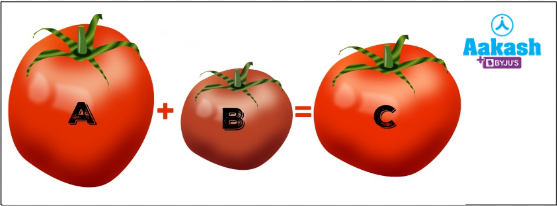
Fig: Hybrid tomato
Have you ever wondered what it means? Hybrid is an offspring of two plants or animals of different subspecies, varieties, breeds, genera or species. Do you think it is safe for eating? If your answer is yes, then tell me does it contain the optimum amount of nutrients? Yes, studies showed that hybrid fruits and vegetables are loaded with more nutrients than the wild varieties.
The hybrid seeds are mostly produced through the process of apomixis. The apomictic seeds are formed without undergoing fertilisation. We can find hybrid varieties of fruits and vegetables in larger amounts as compared to wild types in markets these days. This is because it gives more yield compared to the wild varieties and it is an advantage for the farmers. Now you are interested to know more about apomixis. Let’s take a deep dive into the details of apomixis in this article.
Table of contents
- Apomixis
- Types of apomixis
- Benefits of apomixis
- Drawbacks of apomixis
- Practice Problems
- FAQs
Apomixis
The word ‘apomixis’ is a combination of two Greek words, ‘Apo’ means ‘away from’ and ‘mixed’ means ‘the act of mixing or mingling’. It describes how a plant develops from a seed without regular sexual reproduction or fertilisation. Hence apomixis is defined as the process of production of seeds without fertilisation.
The most accurate way to define apomixis is as a reference to the asexual reproductive process. The plant that is created through this method is a clone of the mother plant. When normal sexual reproduction occurs in higher plants the developmental processes in the ovule result in the formation of the female gametophyte or embryo sac, and a double fertilisation event produces the embryo and endosperm components. In higher plants, apomixis is highly prevalent which will not result in fertilisation.
Apomixis has been described for the first time in Antennaria by Juel in 1898. By the year1941, apomixis had been reported in more than 44 genera from 23 plant families.
Examples of plant families and plants with apomixis
More than 35 plant families have apomictic members, including the Gramineae, Rosaceae, Compositae, and Rutaceae. Important crops like wheat and maize exhibit apomixis. Examples of common plants include Poa (meadow grasses) and Hieracium (hawkseed).

Fig: Examples of plants showing apomixis
Types of Apomixis
There are two types of apomixis that are generally recognised as follows:
- Agamospermy
- Vegetative apomixis
Agamospermy
In agamospermy, there is no formation of haploid gametes. It results in the formation of seeds and embryos without meiosis and fertilisation. Agamospermy can be of the following types:
- Recurrent agamospermy
- Non-recurrent agamospermy
- Adventive embryony or sporophytic budding
Recurrent agamospermy
In recurrent apomixis, the egg cell and embryo are diploid. In this case, the embryo sac is developed from the megaspore mother cell. Hence the egg has the normal diploid number of chromosomes as that of the mother plant. The embryo subsequently develops from the egg nucleus without fertilisation. The diploid egg develops into a diploid embryo without fertilisation here by the process of parthenogenesis. Thus, this process is also known as diploid parthenogenesis. It includes diplospory and apospory. It is common in apple, Poa and Rubus.
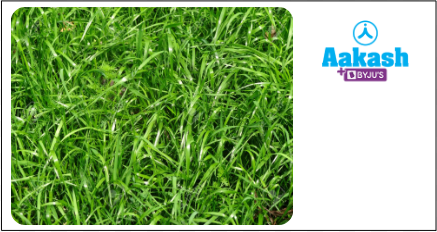
Fig: Poa (Meadow grasses)
Diplospory
In diplospory, the embryo sac is produced directly from the megaspore mother cell or MMC through the process of mitotic division or indirectly through the interruption of meiosis. The megaspore mother cell divides mitotically three times to produce eight nuclei during the mitotic diplospory method. Here the embryo sac is unreduced and contains the same amount of genetic material and chromosomes.
Steps involved in diplospory
The steps involved in diplospory are given below:
- Endoreplication is used by haploid egg cells to replicate their genetic material instead of cytokinesis. For example, if an egg cell contains three chromosomes in the haploid set. It will undergo endoreplication or replicate its chromosomes in the S phase of the cell cycle to form six chromosomes.
- At this stage, the haploid egg cell starts dividing by mitosis.
- After mitotic division, a cluster of cells is formed. This multiple egg cell cluster gives rise to a zygotic embryo. This will then develop into an embryo.
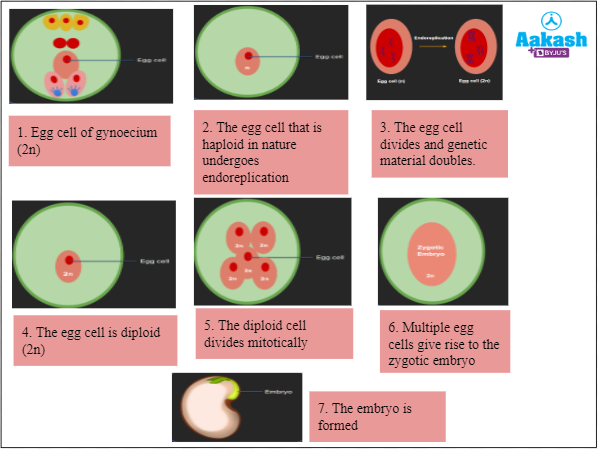
Fig: Steps involved in diplospory
Apospory
In apospory, the apomictic embryo sac is produced by the nucellar cells, that means the diploid gametophyte develops from the sporophyte tissue. In higher plants, apospory is the most common type of apomixis. Initial aposporos cells undergo mitosis and differentiation to form an embryo sac. In some cases, multiple embryo sacs are formed. Both the sexual embryo sac and the apospory embryo sac formation can begin at the same time. Sometimes they can delay or prevent the creation of the sexual embryo sac.
Steps involved in apospory
The following steps are involved in apospory:
- In apospory, the nucellus is involved which is made up of somatic cells. Since these are somatic cells, the nucellus is diploid.
- At first some nucellus cells start penetrating into the embryo sac where they start dividing mitotically.
- This will form a nucellar embryo.

Fig: Apospory
Non-recurrent agamospermy
In non-recurrent apomixis, the egg cell and embryo, both are haploid. In this case, the embryo is developed directly from the egg cell or some other haploid cells of the embryo sac without fertilisation. Thus, it is also known as haploid parthenogenesis. The plants produced are haploid and sterile.
Adventive embryony or nucellar embryony
It is a form of sporophytic apomixis in which the integument or nucellus of the ovule is used to produce embryos. In this type, the embryo does not develop from the cells of the embryo sac. The cells of nucellus or integument are diploid and hence the resultant embryo is also diploid. Such embryos usually develop outside the embryo sac in addition to the regular embryo. It is commonly called sporophytic budding as the gametophytic phase is absent in this method. Adventitious embryony occurs in many plant species like Citrus and mango. Here normally a structure similar to bud is formed as the embryo grows through mitotic division. Fertilisation must happen in the adjacent sexual embryo sac to create viable seeds in this method. The growing embryos move in its direction in order to access the embryo sac's nutrients and signals.
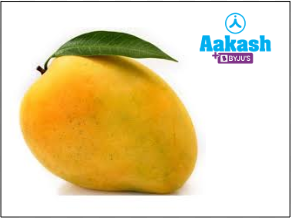
Fig: adventive embryony
Vegetative apomixis
In this type of apomixis, vegetative buds or bulbils are formed in the inflorescence in place of flowers. These are considered easily reproducible structures. These bulbils or buds may sprout into new plants while they are attached to the mother plants. These structures are commonly found in some plants like strawberry (Fragaria), Poa bulbosa, Agave etc.
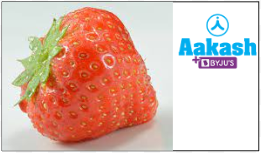
Fig: Fragaria
Benefits of apomixis
There are some benefits of apomixis that are listed below:
- It aids in the production of hybrid seeds.
- Hybrid seeds cannot be collected from the hybrid plants and have to be produced every year. This is because sexual reproduction would lead to loss of hybrid vigour. Thus, apomixis is an effective alternative for raising hybrid plants.
- It is one of the most economical ways to produce seeds.
- It protects certain characters from being lost in the hybrid. Producing identical clones by apomixis helps to preserve hybrid vigour as there is no mixing of genes.
- It assures reproduction even in the absence of pollinators, especially during extreme environmental conditions.
- Maternal energy is not wasted in this method for the production of unfit offspring.
- It allows the plants to save energy that is required for meiosis.
- Some types of apomictic plants save the male energy cost for the production of pollen grains.
- Embryos developed through apomixis are devoid of infectious diseases.
Drawbacks of apomixis
The following are the major drawbacks of apomixis:
- It cannot control the accumulation of deleterious or harmful genetic mutations in the seeds.
- It is usually restricted to narrow ecological areas or niches.
- Certain hybrid varieties produced by this method do not possess the ability to adapt to changing environments.
- Apomictic seeds need to be produced every year in large quantities and this is too expensive for many farmers.
Practice Problems
- What is the common way by which the development of apomictic seeds occurs in certain plants?
- Endoreplication
- Nucellar cells penetrate into the embryo sac
- The diploid egg cell is produced without meiosis
- All of the above
Solution: Apomixis is a phenomenon through which seeds are produced without undergoing fertilisation. There are different ways through which apomictic seeds can be developed in plants as follows:
- Endoreplication: It is defined as the replication of the nuclear genome without completion of mitosis and cytokinesis. As a result, the genetic material of a cell duplicates here.
- Without fertilisation, the nucellar cells begin to divide, protrude into the embryo sac, and grow into embryos in certain plants.
- The diploid egg cell is formed in certain plants without reduction division or meiosis and it develops into an embryo without fertilisation.Therefore, all the above methods can result in apomictic seeds. Hence, the correct option is d.
2. Identify the correct statement about apomixis.
- A type of sexual reproduction
- Formation of fruits without seeds
- Formation of seeds without fertilisation
- All of the above
Solution: Apomixis is a phenomenon through which seeds are produced without undergoing fertilisation. Apomixis is an asexual reproduction technique that mimics sexual reproduction because both apomixis and sexual reproduction yield seeds. Parthenocarpy is the process that results in the production of fruits without seeds. These seedless fruits are produced without fertilisation. Hence, the correct option is c.
3. How can the traits of a hybrid plant be passed down to succeeding generations?
- By sexual reproduction
- Through the use of the apomixis
- By inducing parthenocarpy in the hybrid plant
- Both a and b
Solution: If hybrids are turned into apomicts (plants whose seeds are produced without fertilisation), the resulting apomictic seeds would generate plants that are exactly identical clones of a parent plant. Due to this, the characteristics of hybrid plants can be preserved in future generations through the use of apomixis. Hence, the correct option is b.
4. Who coined the term ‘apomixis’?
- Strasburger
- Nawaschin
- Hans Karl Albert Winkler
- P. Maheshwari
Solution: The term apomixis was given by Hans Karl Albert Winkler. The word ‘apomixis’ is a combination of two Greek words, ‘Apo’ means ‘away from’ and ‘mixed’ means ‘the act of mixing or mingling’. Apomixis is defined as the formation of seeds without fertilisation. Hence, the correct option is c.
FAQs
- How can apomixis help farmers?
Answer: Apomictic seeds are produced without undergoing fertilisation. The cultivation of hybrid crops produces more yields with desirable traits. Apomixis is the common method used for the production of hybrid seeds. The hybrid seeds need to be produced every year in large quantities and this is too expensive for farmers. Hence, they opt for apomixis. In this way apomixis helps farmers.
- Is pollination and fertilisation needed for apomixis?
Answer: Apomixis is a specialised phenomenon in which the embryos are produced without undergoing fertilisation. The female reproductive part alone contributes to the production of seeds in this method. Therefore, it does not require pollination and fertilisation.
- Why is apomictic seed superior to hybrid seed?
Answer: A benefit of apomixis is that it would significantly lower the cost of producing hybrid seeds. It allows plant breeders to create new seed types more quickly and more affordably.
- Which type of apomixis occurs in Citrus?
Answer: Citrus exhibits extremely persistent and sporophytic apomixis. In this method the nucellus or integument of the ovule is used to produce embryos. Here the embryo does not develop from the cells of the embryo sac. The cells of the nucellus or integument are diploid and hence the resultant embryo is also diploid.

 Call Now
 Let's Chat
 Share
Share