-
Call Now
1800-102-2727


Protozoans: General and Cellular Structure, Characteristics and Types of Protozoa, Practice Problems, and FAQs

We are living in a beautiful world. In our surroundings, we see a lot of animals and plants. You know that different organisms live in different habitats. They show different characteristics too.
We see large animals like elephants, giraffes etc., in our surroundings. In the same way there exists small organisms like ants, mosquitoes etc., too in this world. There are some animals that are so small that they can not be seen using the naked eye. These small animals include fungi, bacteria, protozoans etc. We heard a lot about these small organisms in lower classes, one of the famous examples is Amoeba.

Fig: Amoeba
But do you have any idea to which kingdom Amoeba belongs to? Yes, kingdom Protista. In this kingdom Amoeba belongs to the phylum Protozoa.
Protozoans are the first animals that appeared on the Earth. Because of their animal behaviour and the idea that they are descended from the oldest or earliest forms of life, they were given this name. Let’s discuss more about protozoans in detail in this article.
Table of contents
- Protozoa
- Cellular structure of Protozoa
- Characteristics of Protozoa
- Types of Protozoa
- Practice Problems
- FAQs
Protozoa
Protozoa are heterotrophic, eukaryotic, unicellular organisms. Some members of this phylum live freely and some are parasites. Protozoans are divided into approximately 65000 distinct categories. They have no cell wall. They possess numerous cell organelles, to carry out the diverse functions like digestion, respiration etc. Examples include mitochondria, ribosome, lysosome etc. Higher organisms like human beings have various organs and organ systems to carry out these functions. Examples include digestive system, circulatory system etc. Some protozoans possess contractile vacuoles for osmoregulation.
They appear in a wide range of sizes and shapes. They range from the flexible Amoeba to the fixed-shaped, intricately arranged Paramoecium. They can be found in a wide range of moist conditions, such as freshwater, saltwater, and moist soil. The protozoans are motile organisms and can move using different structures, like cilia, flagella, pseudopodia etc. Some protozoans form cysts during unfavourable conditions.
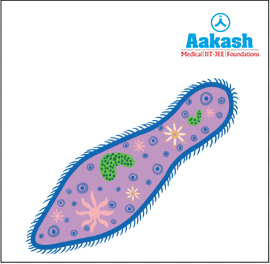
Fig: Paramoecium
Locomotory organelles in Protozoa
They possess different types of locomotory organelles as follows:
Cilia
These are numerous cytoplasmic processes present on the outer surface of the organism. They resemble hair. They beat continuously and steadily, like flexible oars and help in movement. Examples include Paramoecium.
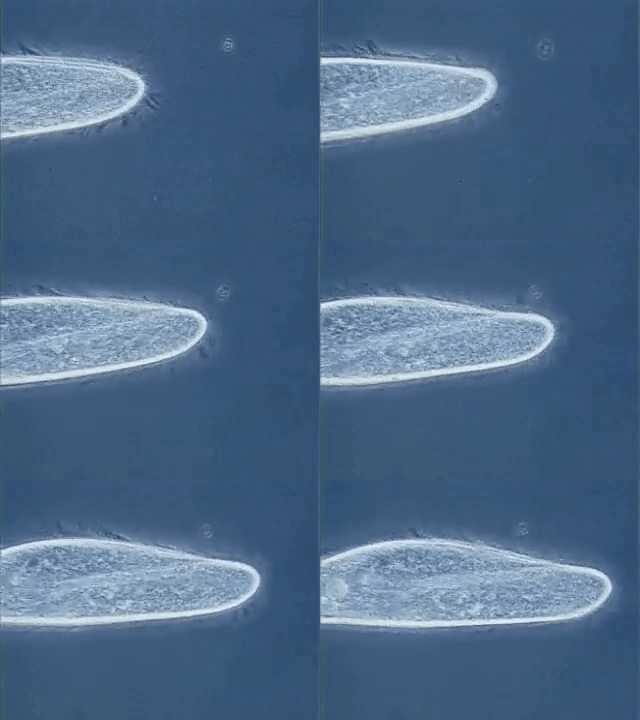
GIF: Protozoa showing ciliary movement
Flagella
Flagella are long, coiled, thread-like structures protruding from the cell surface. These flagella move in a manner similar to a whip, creating waves that help in movement of the organism. Examples include Euglena.
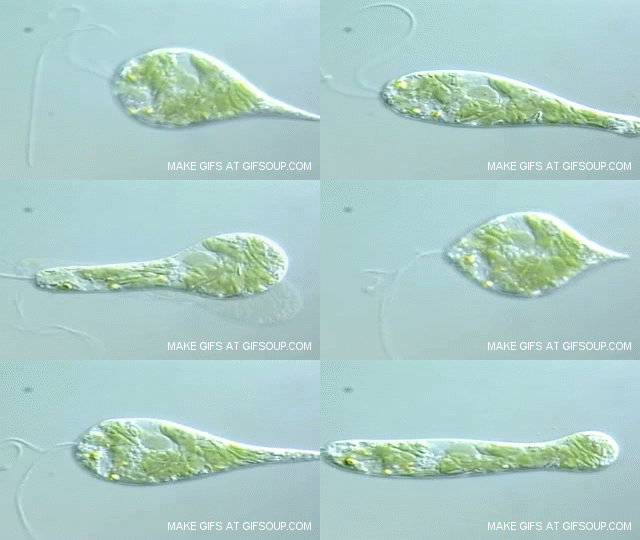
GIF: Protozoa showing flagellar movement
Pseudopodia
The organism moves by ejecting pseudopodia here. These are short protrusions filled with cytoplasm that emerges from the cell body. Examples include Amoeba.
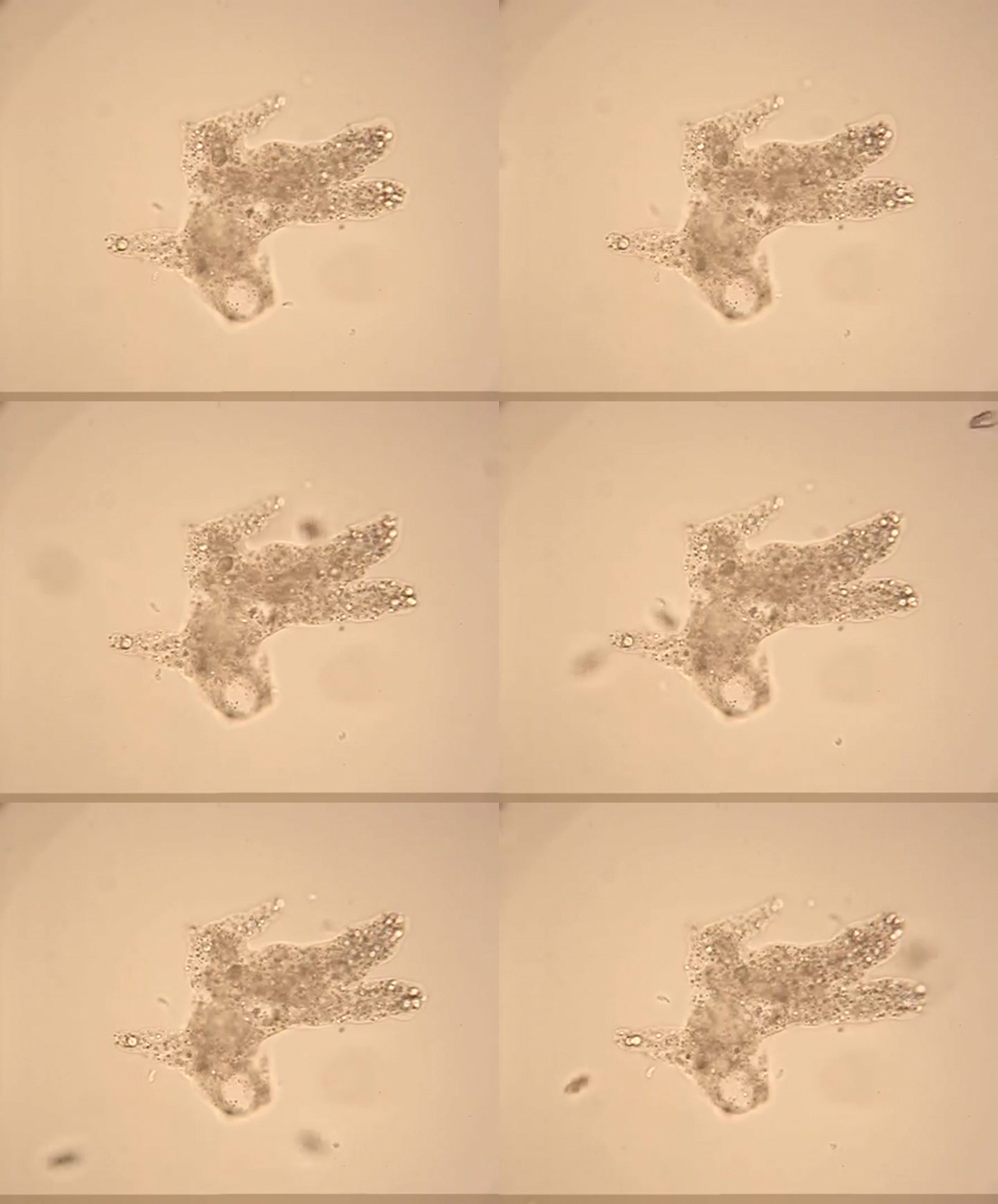
GIF: Protozoa showing amoeboid movement
Cellular structure of Protozoa
Several specialised structures carry out the various metabolic processes in Protozoa. The majority of them have a single nucleus that is membrane-bound. Due to the dispersed chromatin, the nucleus appears diffused in them. Micronuclei and macronuclei are seen in some ciliates. The cytoplasm and other locomotory projections like flagella, pseudopodia, and cilia are enclosed by the plasma membrane.
A membrane envelope known as a pellicle, seen in some genera which gives the cell a distinct form. The cytoplasm is divided into an inner endoplasm and an outer ectoplasm. The inner endoplasm includes the cell organelles and the outer ectoplasm is transparent. For the purpose of consuming food, several Protozoa possess cytostomes. Food once taken inside is stored in food vacuoles. Ciliates have a gullet, a bodily cavity that is externally accessible to the outer environment. There are numerous membrane-bound cell organelles, including lysosomes, Golgi bodies, mitochondria etc., are present.
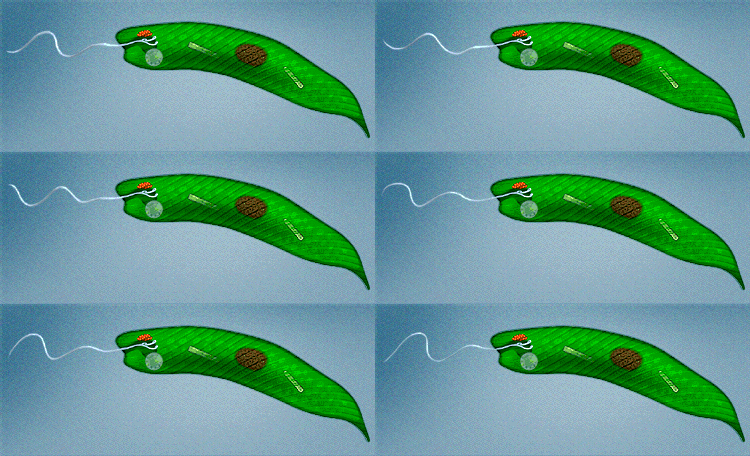
GIF: Euglena
Characteristics of Protozoa
Some of the general characteristics of protozoa are enlisted below:
- Habitat
- Size and shape
- Nutrition
- Locomotion
- Life cycle
- Reproduction
Habitat
Many Protozoa live in water. They are present in marine or freshwater environments. Some are parasitic on plants and animals, while others live freely. Although they are mostly aerobic, some of them can also be found in the human intestine or rumen. Hot springs are home to some species. To survive in arid environments, some of them produce resting cysts. They live in moist soil also.
Size and shape
Protozoa range significantly in size and shape, from microscopic (1µm) to large forms which can be seen with the naked eye. A unicellular foraminifera's (armoured Amoeba) shell can range up to 20 cm in diameter.
Coverings of cell
They are flexible and come in a variety of shapes because they don't have a solid cell wall. A thin plasma membrane encloses each individual cell. On their outer surface, some species have a hard shell. A pellicle, which may be flexible or rigid and supports the cell in various protozoans like Euglena gives the organisms a distinct form and aids in motility.
Nutrition
The nutrition of protozoa is holozoic and heterotrophic. They use phagocytosis to consume their food. A specialised structure for phagocytosis known as a cytostome is present in some protozoan species.
In Amoeboid protozoans pseudopodia facilitate the capture of prey. The water with food is pushed into the gullet by thousands of cilia in ciliates. Food is stored in the food vacuole. Lysosomal enzymes interact with the ingested food once it reaches the food vacuole. Lysosomes fuse with the food vacuole for this process. Once digestion is completed in the phagolysosome, the cell receives the digested food.
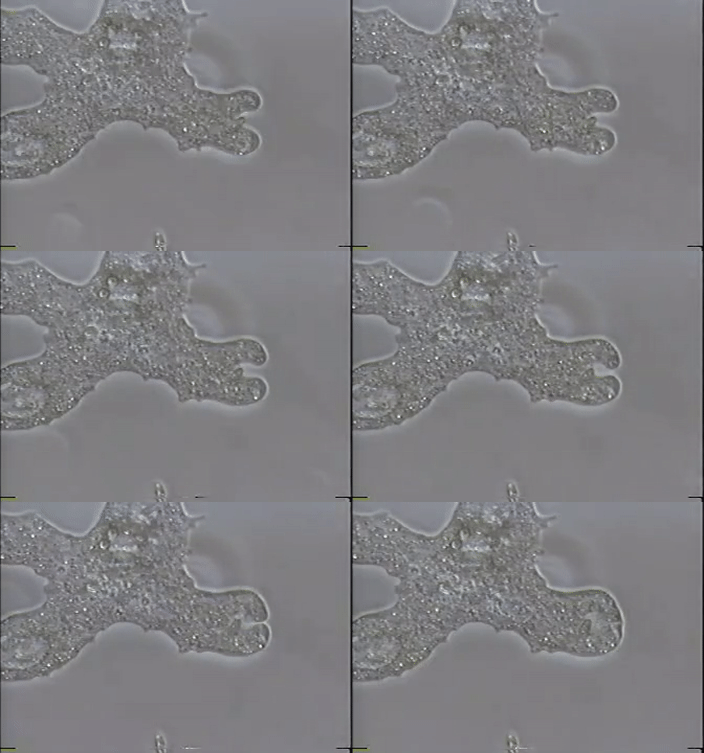
GIF: Nutrition in Amoeba
Locomotion
The majority of Protozoa have pseudopodia, cilia, or flagella for locomotion. Despite having no locomotory structure, Sporozoa have subpellicular microtubules that aid in their slow locomotion.
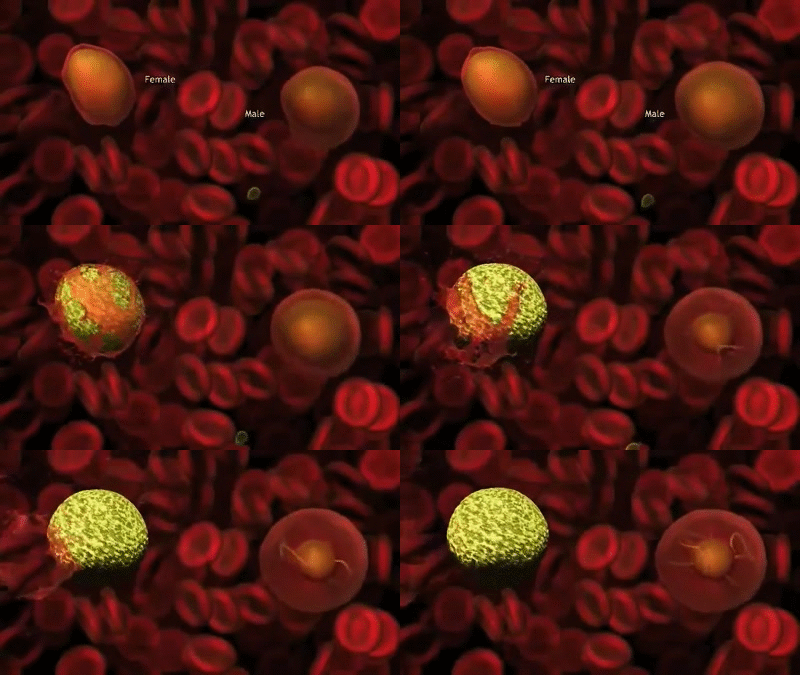
GIF: Sporozoa
Life cycle
Most Protozoa alternate between a latent cyst stage and a proliferating vegetative stage. For example, the trophozoites of Plasmodium. The cyst stage is resilient and can endure extreme conditions without food or water. It can get transmitted and survive outside the host for a longer time. They eat and proliferate during the contagious trophozoite stage in Plasmodium.
Reproduction
Most of the time, they reproduce asexually. Binary fission, longitudinal fission, transverse fission, or budding are some ways through which they reproduce. Sexual reproduction is a feature of several organisms. Conjugation and syngamy are the common methods of sexual reproduction.
Types of Protozoa
The protozoans are classified into four categories:
- Amoeboid
- Flagellated
- Ciliated
- Sporozoans
Amoeboid
They belong to the subphylum Sarcodina. The habitat is seawater, freshwater, or moist soil here. The movement in them occurs with the help of pseudopodia. They use pseudopodia to catch their prey also. They do not possess a distinct shape, and there are no pellicles. The amoeboids living in freshwater have contractile vacuoles. On the other hand, the amoeboids living in seawater have silica shells on their outer surface. Reproduction occurs through binary fission and cyst formation in them. Examples include Amoeba and Entamoeba histolytica.
Amoeba
Amoeba is a single-celled organism with the capacity to alter its form. Ponds, lakes, and slow-moving rivers are their typical habitats. These single-celled creatures have been known to invade human bodies and spread a number of diseases.
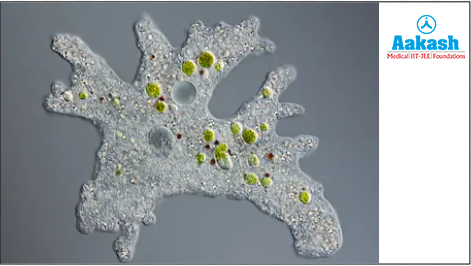
Fig: Amoeba
The characteristics of an Amoeba are listed below:
- Pseudopodia, which are blunt, finger-like projections created when the plasma membrane is pushed outward or inside by the cytoplasm. These structures are used for movement.
- It can quickly alter its shape because there may be several pseudopodia present at once.
- The cytoplasm, plasma membrane, and nucleus are the three main components that make up an Amoeba's structure.
- The cytoplasm is differentiated into two layers, one is the outer ectoplasm and the other is the inner endoplasm.
- The plasma membrane is made up of protein and lipid molecules and is extremely thin and double-layered.
- Other cellular organelles seen in Amoeba include contractile vacuoles, mitochondria, the Golgi apparatus, and fat globules.
- Food is consumed by Amoeba either by pinocytosis or phagocytosis.
- Reproduction takes place through binary fission which is an asexual method.
- A typical Amoeba has a lifespan of two days, but because it performs binary fission, the daughter cells that are produced are identical to the parent cell, hence Amoeba can theoretically be considered immortal.
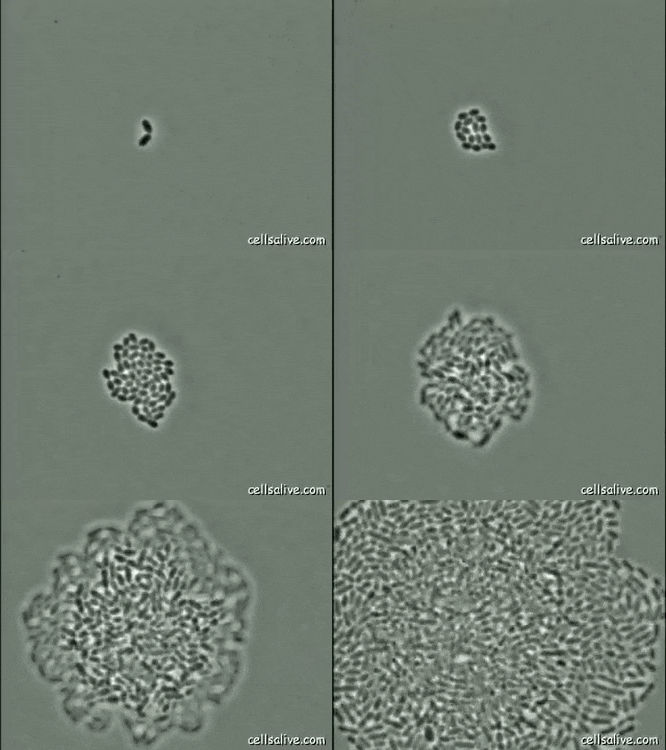
GIF: Reproduction in Amoeba
- An Amoeba can essentially change into a protective ball, known as a microbial cyst when living conditions aren't perfect. It can return to its vegetative stage and can resume eating when the environmental conditions are favourable.
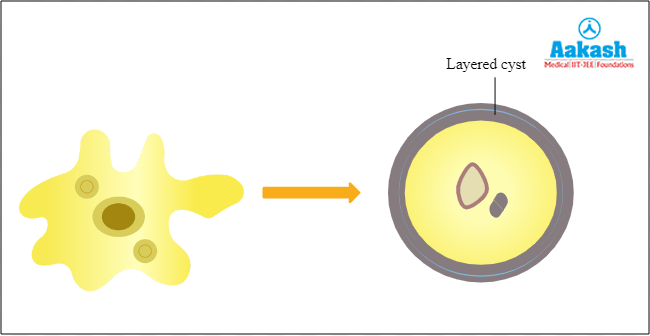
Fig: Encystation in Amoeba
Flagellated
The flagellated protozoans are parasites or free-living. They use flagella for locomotion. They have a cuticle or pellicle covering their body. The flagellated protozoans living in freshwater have a contractile vacuole. They belong to the subphylum Mastigophora. They may be symbiotic, free living, or parasitic. Reproduction occurs through binary fission, especially longitudinal division. Examples include Trypanosoma, Trichomonas, Giardia, Leishmania etc. Leishmania donovani is considered as the common causative agent of kala azar or dum dum fever.
Trypanosoma
The majority of adult trypanosomes infect vertebrates, particularly fishes, birds, and mammals, through their blood. To complete their life cycle, the majority of species need an intermediate host, which is frequently an insect or a leech. Sleeping sickness is caused by T. gambiense or T. rhodesiense, which is transmitted by tsetse flies (Glossina palapalis).
The characteristics of Trypanosoma are as follows:
- They are eukaryotic organisms.
- A trypanosome cell has key organelles such as a membrane-bound nucleus, a Golgi apparatus, an endoplasmic reticulum and a plasma membrane much as regular eukaryotic cells do.
- Trypanosoma exhibits a variety of distinctive characteristics, including kinetoplasts, glycosomes, and acidocalcisomes (sites of mineral storage).
- It has also been demonstrated that trypanosome cells have a distinctive cytoskeleton that is primarily made up of microtubules.
- Additionally, it lacks centrioles, which are crucial for cell replication.
- Microtubule spindles are produced by poorly defined cell structures, and these spindles help these parasites undergo closed mitosis.

Fig: Trypanosoma
Ciliated
The ciliated protozoans are aquatic in nature. They have hair-like structures called cilia that help in feeding and locomotion. The ingested food gets digested in food vacuoles and the undigested food or waste material is excreted through the anal pore. Examples include Paramoecium and Vorticella.
Paramoecium
They are a genus of unicellular, ciliated protozoans. Their body is covered with vast numbers of cilia, which distinguish them. They can be found in brackish, marine, and freshwater environments. They can also be seen affixed to the ground. Asexual methods are primarily used for reproduction (binary fission). They have a slipper form. Sexual reproduction is possible by conjugation. They are simple to grow and frequently used for research in biological processes.
The characteristic features of Paramoecium are as follows:
- The range of the cell size is 50µ to 300µ.
- The form of the cell is ovoid, slipper, or cigar.
- A pellicle covers the cellular cytoplasm.
- The pellicle is made up of an inner epiplasm, an exterior plasma membrane, and a layer of alveoli situated in the middle of both layers.
- The entire surface of the body is covered in cilia, which emerge from the pellicle's depressions. They serve as a means of movement and ingesting nutrient-rich water.
- The granular inner endoplasm and the outside ectoplasm make up protoplasm.
- There are trichocysts and they are located inside the ectoplasm. They act as an organ of defence.
- Food is stored in the endoplasmic granules. Some of the granules secrete or excrete substances.
- There are contractile vacuoles, and the number varies in different species. They are necessary for osmoregulation and remove the extra water that has been absorbed.
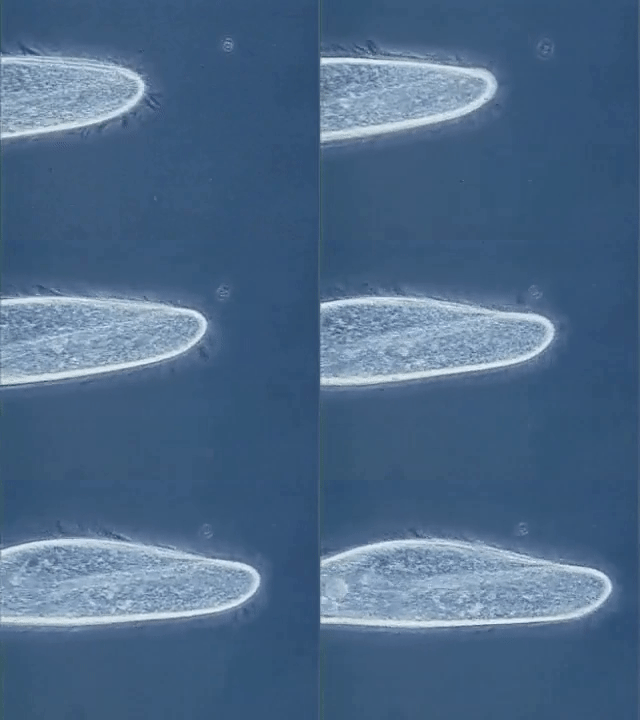
GIF: Paramoecium
Sporozoans
The sporozoans are endoparasites. There is an absence of cilia, flagella, or pseudopodia and therefore, they do not have any specialised organ for locomotion. There is a pellicle and its subpellicular microtubules aid in motility. Reproduction occurs through sporozoite formation. Examples include Plasmodium, Myxidium, Nosema, and Globidium.
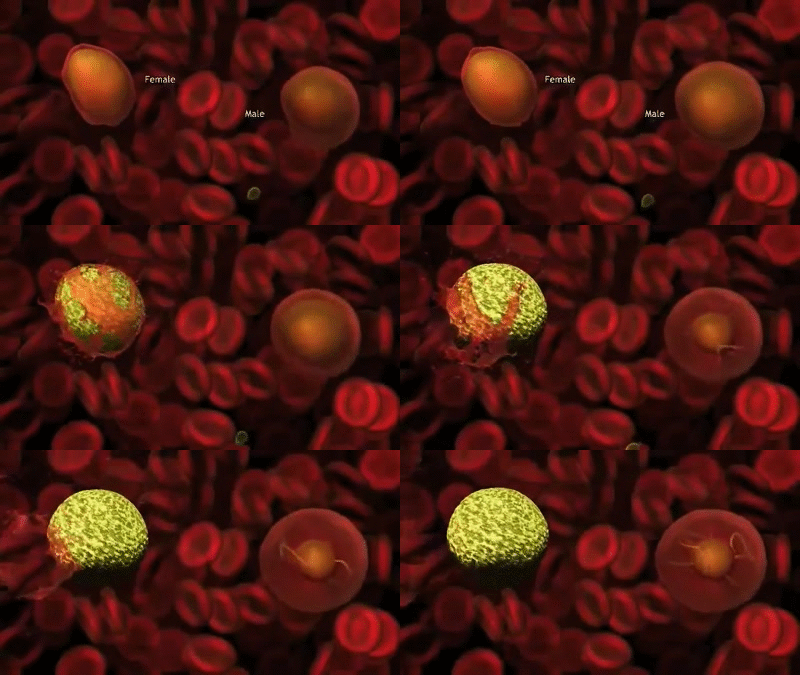
GIF: Plasmodium
Plasmodium
The malaria-causing parasites belong to the genus Plasmodium. They belong to the sporozoan subclass Coccidia. In tropical and temperate regions, Plasmodium is a parasite that affects red blood cells in mammals (including humans), birds, and reptiles. The biting of a female Anopheles mosquito spread this disease.
The characteristic features of Plasmodium are as follows:
- They are indulged in anaerobic respiration.
- They adhere to both sexual and asexual reproduction.
- The mode of nutrition in Plasmodium is saprozoic and it occurs through osmotrophy.
- The locomotory organs, such as contractile vacuoles are absent.
- They need a host organism to complete their life cycle.
- Gametocytes, sporozoites, and merozoites are the three major life-cycle stages found in Plasmodium species.
Life cycle in Plasmodium
Plasmodium completes its life cycle in two different hosts, the female Anopheles mosquitoes (which are responsible for its transmission) and the humans.
Life cycle of the parasite as follows:
- The sporozoites are mature infective stages of Plasmodium that are present in the salivary glands of the infected mosquito.
- When the female Anopheles mosquito bites an individual, the sporozoites normally enter the human bloodstream. In this process it injects its saliva into the bloodstream.
- These sporozoites attack the liver cells where they undergo asexual reproduction (exoerythrocytic cycle) to produce and release multiple smaller parasitic structures called merozoites.
- These merozoites start attacking red blood cells and multiply asexually (erythrocytic cycle) within them to produce more merozoites. Then some of the merozoites develop into a feeding stage known as a trophozoite.
- Trophozoite goes through many developmental stages and repeated nuclear divisions to form a schizont having 6 - 24 nuclei.
- When cytoplasmic divisions occur in the schizont, new merozoites are normally formed. The merozoites then rupture the red blood cells and get released into the blood. The released merozoites infect more red blood cells and the cycle continues.
- In some of the infected blood cells, the trophozoites develop into sexual forms called gametocytes, that circulate in the bloodstream.
- Mosquitoes ingest the gametocytes when it bites an infected man which then develop into mature gametes within the gut of the mosquito.
- Zygotes formed due to fertilisation of gametes develop into motile ookinetes that dig through the midgut wall of the mosquito and form oocysts on the exterior surface.
- Oocysts eventually burst to release sporozoites which travel to the mosquito's salivary glands and are transmitted to a human by mosquito bite.

Fig: Life cycle of Plasmodium
Practice Problems
1. Which group of Protista is characterised by the presence of micronuclei and macronuclei?
a. Sporozoa
b. Ciliata
c. Flagellata
d. Sarcodina
Solution: Protists are single-nucleated eukaryotic unicellular organisms, with the exception of ciliates. In addition to having thousands of cilia on their surface, ciliates have two different types of nuclei like macronucleus and micronucleus. A prime example is Paramoecium. The macronucleus and the micronucleus are responsible for controlling vegetative and reproductive processes, respectively. Hence, the correct option is b.
2. The lack of a contractile vacuole in marine protozoans is due to _________________.
a. their body cannot accommodate it
b. they are hypo-osmotic to their environment
c. they are isotonic to their environment
d. osmoregulation is done by the cell membrane
Solution: Osmoregulation is carried out by contractile vacuoles, which aid in the removal of extra water. It is beneficial for organisms that live in hypotonic environments, such as ponds. The aquatic protozoans are hypo-osmotic to their surroundings. Hypo-osmotic solutions are those that have lower osmotic concentrations than other solutions. Exosmosis causes marine protozoans to lose water because they exist in a hypertonic environment. Marine protozoans lack contractile vacuoles to stop water loss and keep water in the organism. Hence, the correct option is b.
3. Identify the group to which the Plasmodium belongs to _________________.
a. amoeboid protozoans
b. flagellated protozoans
c. ciliated protozoans
d. sporozoans
Solution: Plasmodium is the parasite that causes malaria. It is a member of the Sporozoa. The malarial parasite Plasmodium has a stage in its life cycle known as sporozoites that is contagious and resembles a spore. Hence, the correct option is d.
4. How are ciliated protozoans differentiated from flagellated protozoans?
Solution: Aquatic organisms that are actively moving include ciliated protozoans. Their cilia work in synchrony, which aids in motility and also helps food enter inside the gullet. Paramoecium is the common example. Instead of cilia, the flagellated protozoans have flagella. Both binary fission and mobility are facilitated by their flagella. Trypanosoma is an example.
FAQs
1. What is the size of a Protozoa?
Answer: Most of the parasitic protozoa are less than 50 µm in size. They range from 1 to 150 µm in size.
2. Which parts of humans are inhabited by Protozoa?
Answer: Most people have at least one kind of Protozoa living inside them. These creatures are found in a wide range of ecological habitats, including the stomach and the brain. Certain species dwell inside their cells, whereas others are extracellular. Examples include Entamoeba histolytica.
3. What is the optimum temperature at which Protozoa survive?
Answer: The ideal temperature for the majority of Protozoa is between 16 - 25 °C.
4. Which animals eat Protozoa?
Answer: Water fleas, flatworms, seed shrimps, clam shrimps, and many other vernal pool invertebrates all eat Protozoa.

 Call Now
 Let's Chat
 Share
Share