-
Call Now
1800-102-2727


Light, Practice Problems and FAQs

Sunlight is the major source of light on the Earth and it plays an important role in the growth of most of the organisms. Have you ever observed a plant which grows in shaded areas and the same species of plant in a region with more sunlight? What is the difference between them? The one which grows in the region with more sunlight will be healthier than the other. Right? What should be the reason for this? This is because more sunlight leads to more photosynthesis and thereby the plant will be healthy. But you also might have observed some plants get dried in the intense sunlight. So it is clear that for the proper growth of a plant, the intensity of light should also be in the correct proportion.
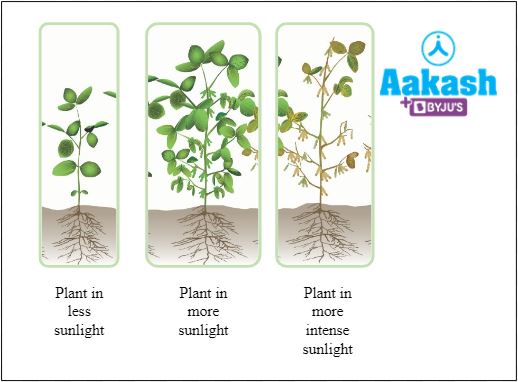
Fig: Plants growing in different intensities of sunlight
Since plants are the primary producers and they are the primary food source of all other living organisms, the light is also an important abiotic factor. In what ways does light affect the lives of plants and animals? How is light important on planet Earth? Let’s find out the answer to these questions through this article.
Table of contents
- Light
- Light in different ecosystems
- Effects of light on plants
- Photomorphogenesis
- Effects of light on animals
- Practice Problems
- FAQs
Light
The part of the electromagnetic spectrum visible to the human eye that ranges from 380 to 700 nanometers in wavelength is called visible light. The major source of light on the Earth is the sun. The illumination or the intensity of the light is measured in lux. The intensity of the light reaching the surface of Earth varies with the following factors:
- Angle of incidence
- Degree of latitude and altitude
- Time of the day
- Season
- Amount absorbed and dispersed by atmosphere
- Climatic and topographic factors (clouds, fogs, suspended water drops, dust particles etc.)
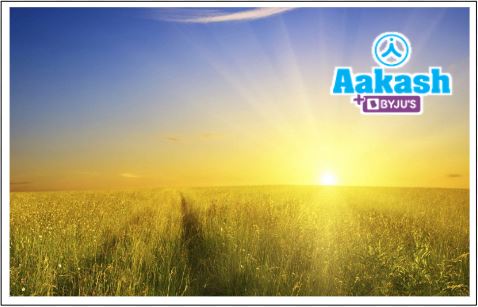
Fig: Sunlight
Light in different ecosystems
The amount or the intensity of light falling on different ecosystems varies on the basis of their topography and vegetation. Hence the amount of light falling and absorbed by the ecosystems like mountains, water resources and forests differs.
Light in mountains
The amount of light falling on the mountains is controlled by the direction and slope of the mountains. The light intensity will be less on one side of the slope of the mountains. The vegetation will be less on the top of the mountains compared to the valleys.
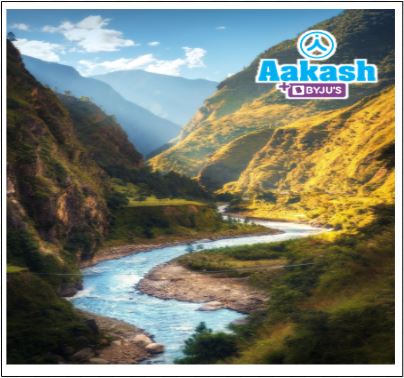
Fig: Light in mountains
Light in water resources
100 percent of the light is not passing through the water. Only 90 % of the light passes down in the water and the rest 10% is reflected back. The phytoplanktons, zooplanktons, suspended organic and inorganic particles either reflect or absorb the light rays. The organisms living under the water utilise this 90 percent of the light. Those who live in the deep sea are adapted to the lightless conditions.
Zones in oceans
Oceans can be divided into three zones depending on the light penetrating into it. They are as follows:
- Euphotic zone
- Disphotic zone
- Aphotic zone
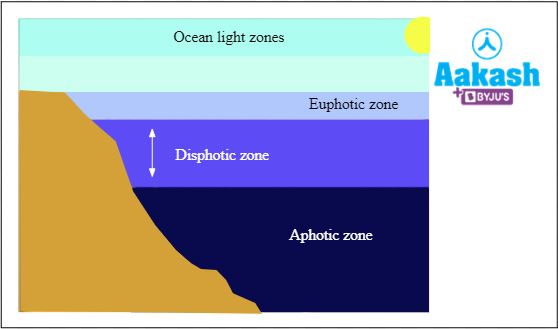
Fig: Different zones in oceans depending on the availability of light
Euphotic zone
The layer of water in which there is enough light for photosynthesis is called the euphotic zone. So the rate of photosynthesis is faster than the rate of respiration in this zone. It is up to 50 to 80 metres in depth. But in polar regions, the sunlight will not penetrate deeply, hence the euphotic zone will be less than 10m deep. The Euphotic zone is only a few centimetres in muddy waters or turbid waters.
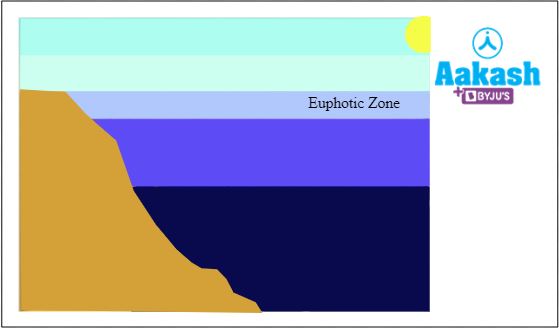
Fig: Euphotic zone
Disphotic zone
The layer below the euphotic zone is called the disphotic zone or the twilight zone. There is enough light for visual predators and for photosynthesis in this region. The rate of respiration is more than the photosynthesis rate here. The depth is up to 80 to 200 or 800 metres.
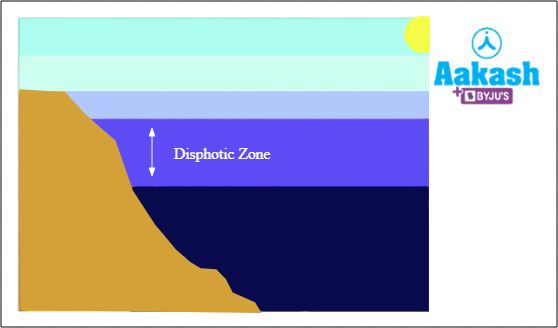
Fig: Disphotic zone
The euphotic and disphotic zones are together called the photic zone. Most of the biomass in the ocean belongs to the photic zone.
Aphotic zone
The region of ocean where most of the water lies is called the aphotic zone. It lies beneath the photic zone. Only less than 1% of the sunlight reaches this region, hence the region is extremely dark.
These zones are not restricted to ocean waters. There are some deep lakes which have the aphotic zone. An example is the Baikal lake in Russia, which is 1600 metres deep with a large aphotic zone.
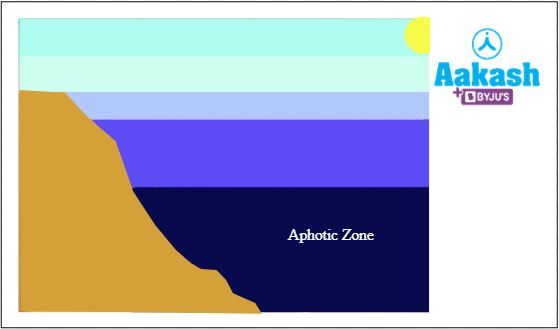
Fig: Aphotic zone
Light in forests
The amount of sunlight received by the plants inside the forest varies. The light intensity will be very less in the lower strata of forest, because the canopy of the taller trees overshadows the plants in lower strata. Hence the plants in the lower strata will have larger leaves to capture more sunlight. They photosynthesise under dim light too. But the tall trees get enough sunlight for photosynthesis and they usually have small leaves compared to the lower plants.
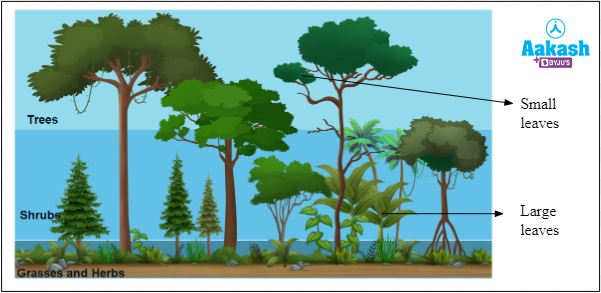
Fig: Forest with stratification showing large trees and small plants
Effects of light on plants
Sunlight is utilised by the plants to make sugars through photosynthesis. The product of photosynthesis is responsible for the release of energy into other living organisms. Light can affect the plants directly and indirectly.
Plants are affected directly by the light with the following factors:
- Intensity of light
- Quality of light
- Duration of light
- Chlorophyll production
- Opening and closing of stomata
- Distribution of plants
- Overall vegetative development in plants
Intensity of light
The light intensity and the rate of photosynthesis are directly proportional. With the increase in the light intensity the rate of photosynthesis also increases. This increase in the rate of photosynthesis also depends on the adequate amount of all other factors like the carbon dioxide concentration, amount of chlorophyll etc. However, after a certain point, an increase in light intensity does not cause a proportional increase in the rate of photosynthesis. The relationship is not linear anymore. This is because, at this stage, though sunlight is available, the plant does not have enough other resources to perform photosynthesis. Eventually, the rate of photosynthesis does not increase at all, even with an increase in the light intensity. This saturation occurs at 10% of the total incident sunlight. Very high light intensities may also cause a breakdown of chlorophyll and reduce the rate of photosynthesis.
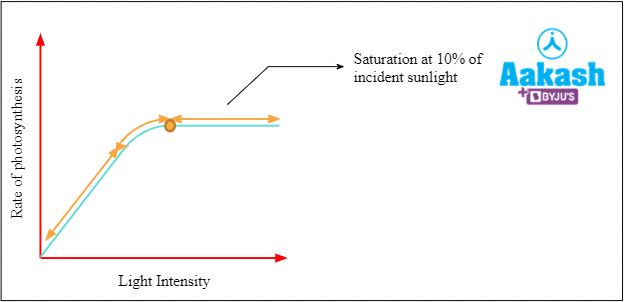
Fig: The relationship between the intensity of light and rate of photosynthesis
Quality of light
The quality of light refers to the colour or the wavelength of light reaching the surface of the plant. The red light and blue light regions have more impact on the growth of a plant. The least effective is the green light region. Plants reflect the green light region and this is the reason for the green colour of plants. The vegetative leaf growth of the plant is mainly due to the blue light region. Flowering is encouraged when the red light region is combined with the blue light region.
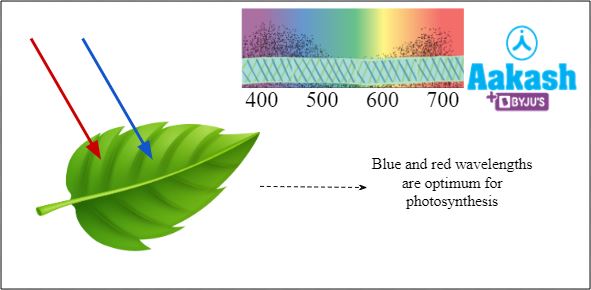
Fig: Effect of quality of light
Duration
The response of plants to the length of day and night is called photoperiodism. It was discovered by Garner and Allard in 1920. The two forms of phytochrome pigment such as Pr (red absorbing form) and PFr (far-red absorbing form), are responsible for flowering and mediating photoperiodic response. Based on the responses to the photoperiod there are three types of plants as follows:
- Short day plants
- Long day plants
- Day neutral plants
Short day plants
The plants that flower when exposed to a photoperiod less than the critical photoperiod are called short day plants. Examples include Chrysanthemum, Xanthium and strawberry.
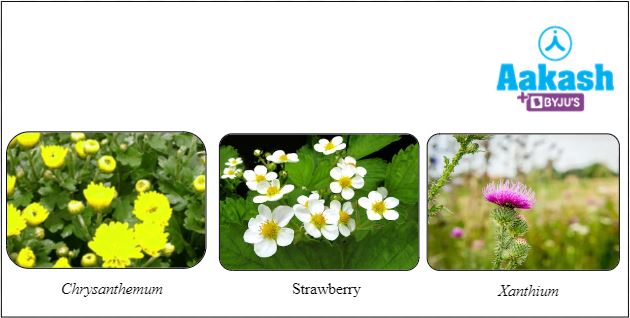
Fig: Short day plants
Long day plants
The plants which require a longer period of light than a critical photoperiod to flower are called long day plants. Examples include wheat, oats and barley.
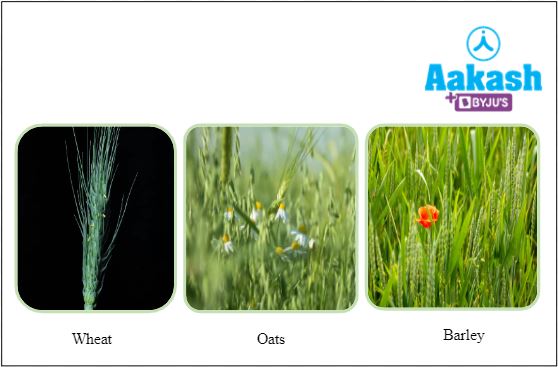
Fig: Long day plants
Day neutral plants
The plants which show absolutely no dependence on light and dark periods to flower are called day-neutral plants. These plants blossom throughout the year. Examples include tomatoes, and cucumbers.
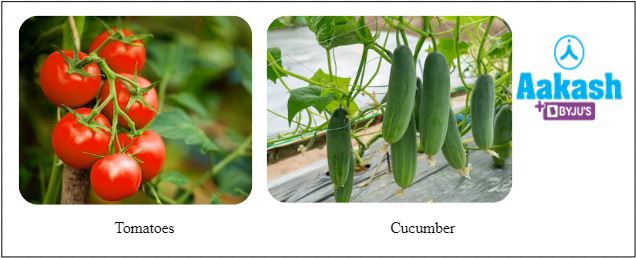
Fig: Day neutral plants
Chlorophyll production
Plants need light for the production of chlorophyll and the chlorophyll production depends on the intensity of light. Chlorophyll is present inside the chloroplast. Darker leaves seen in those regions that receive more sunlight.
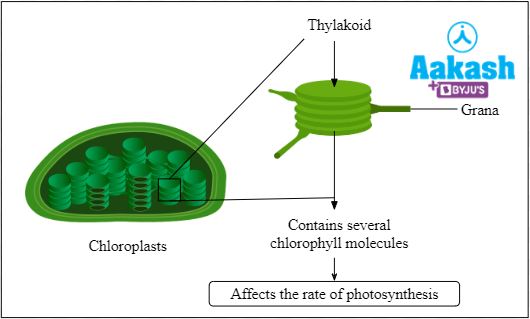
Fig: Chloroplast
Opening and closing of stomata
The closing and opening of the stomata is controlled by the light. Stomata remains open during day time and closes during night in mesophytes. Such stomata are called photoactive stomata.
Distribution of plants
The distribution of plants depends on the light intensity at various parts of the Earth with different latitudes.
Overall vegetative development of plant
The growth of plants depends on the intensity of light. Some plants need more sunlight to grow and some need less. Depending on this character, there are two types of plants and they are as follows:
- Heliophytes – These are the sun loving plants or sunstroke plants. They are able to thrive in full sunlight. Examples include mullein (Verbascum), thyme (Thymus vulgaris), and most roses.
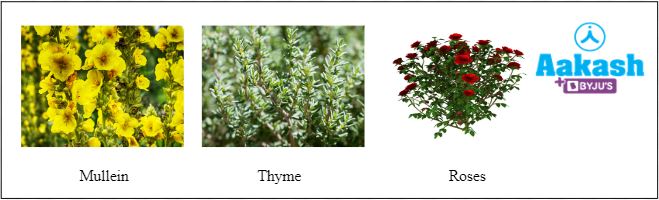
Fig: Heliophytes
- Sciophytes – These are shade tolerant plants. Examples include java moss (Taxiphyllum barbieri) and club moss (Lycopodiopsida).
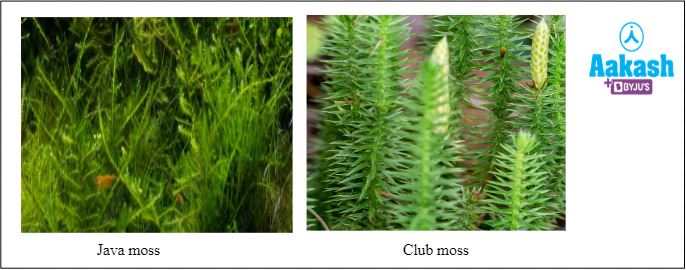
Fig: Sciophytes
Photomorphogenesis
The genetically designed development and growth of plant structures under the influence of light is called photomorphogenesis. Light is an important factor in photosynthesis, growth and development. Here the light acts as an environmental signal to elicit photoresponses. Most of these photo responses control structural development or photomorphogenesis. There are several light-induced plant responses as follows:
- Phototropism
- Germination of light-sensitive seeds - Examples include lettuce.
- De-etiolation of seedlings (Converting the plastids and etioplasts within the cells into chloroplasts).
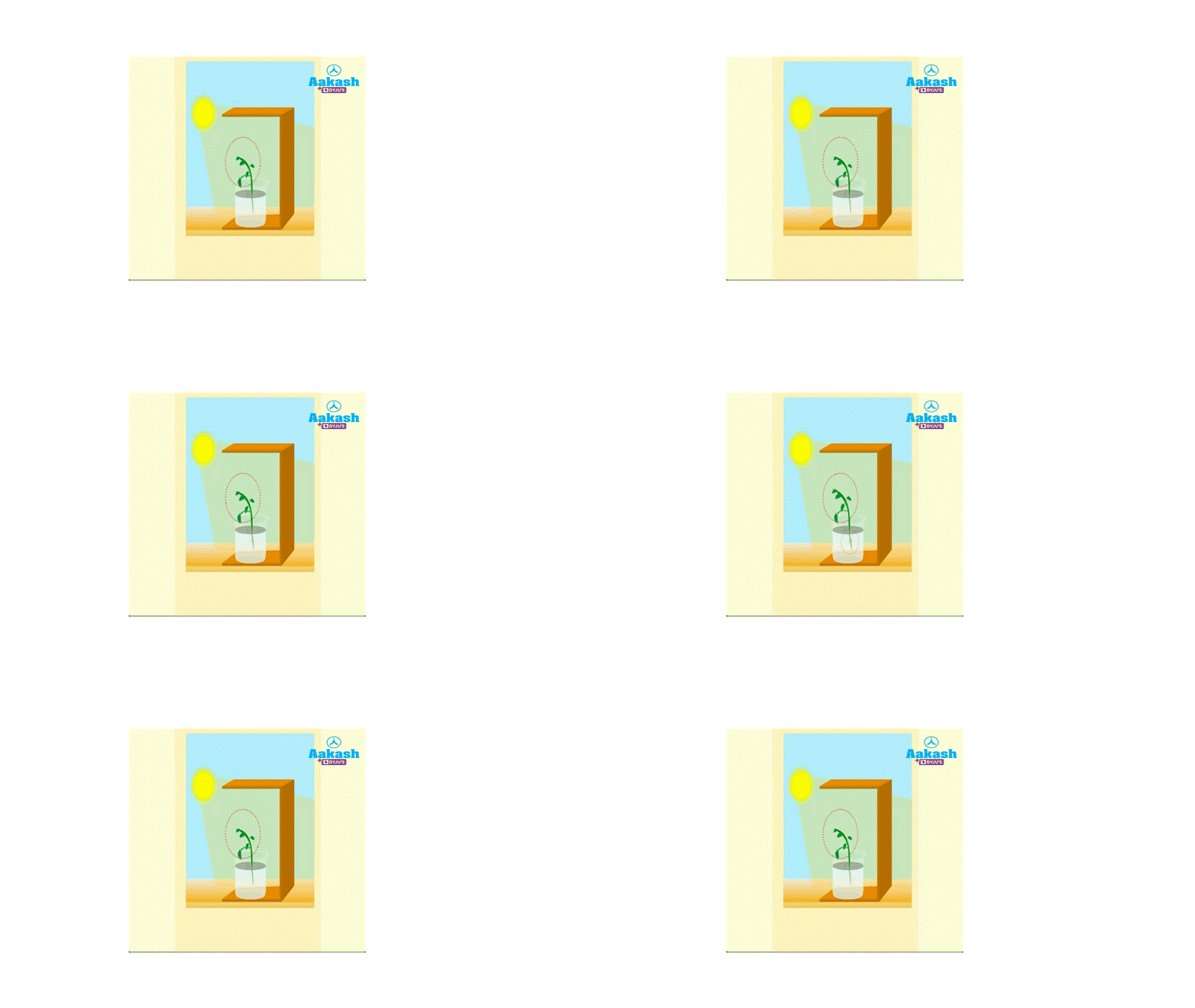 GIF: Phototropism
Effects of light on animals
The normal pattern of day and night are affected by the sunlight. This pattern is important for the life of living organisms to function properly. The waking and sleeping pattern is one of the important life habits of organisms which is affected by the light.
Classification of animals on the basis of light and their habit
On the basis of the light and the habit of animals, they can be classified into three as follows:
- Diurnal
- Nocturnal
- Crepuscular
Diurnal
The animals that are active during the day time and have inactive or resting periods during the night are called diurnal animals. The examples of diurnal animals include mammals, birds, and reptiles.
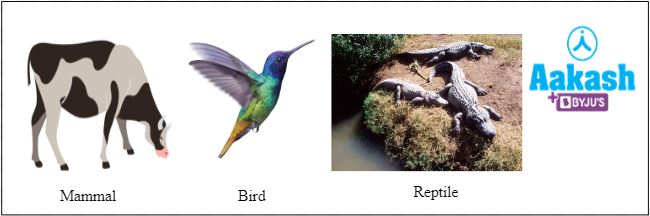
Fig: Diurnal animals
Nocturnal
The animals that are active during the night and sleep during the day time are called nocturnal animals. Due to their activity in the dark, the nocturnal animals have stronger senses. Examples of nocturnal animals include owl (Strigiformes), moth and fox (Vulpes vulpes).
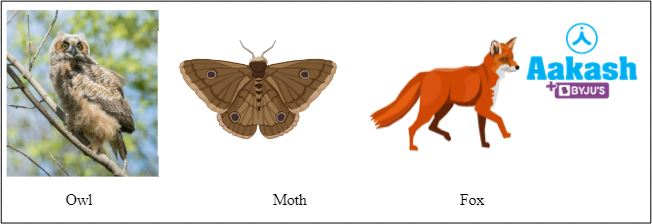
Fig: Nocturnal animals
Crepuscular
The animals that get active during the twilight (time just before sunset or sunrise) are called crepuscular animals. Examples include jaguar (Panthera onca), desert snakes and desert lizards.
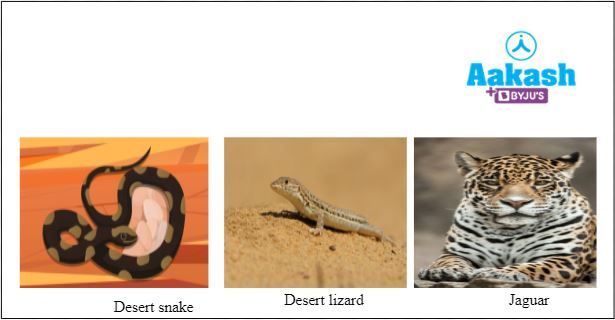
Fig: Crepuscular animals
Characters of animals controlled by light
Many characters in animals are controlled by light and these are as follows:
- Migration
- Hibernation
- Effects on vision
- Bioluminescence
- Biological clock
Migration
According to the changes in the season, the length of day and night changes. This affects the migration of animals and birds from one place to another. Many birds use the light of the sun as a navigation tool during migration. The position of the sun is also used by bees to navigate.
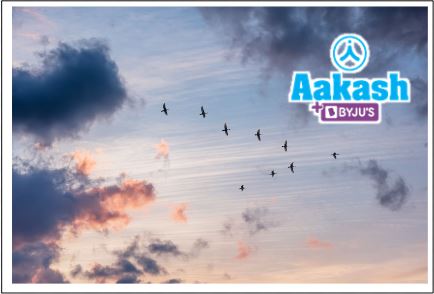
Fig: Migration
Hibernation
The state of minimal activity and metabolic depression by some species of animals is called hibernation. In colder countries, the days are shorter and it will affect the lives of bears. These animals eat more during the summer and build up fat before entering into hibernation. They choose burrows, caves or holes during the winter season for hibernation.
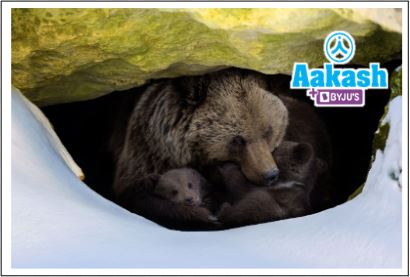
Fig: Hibernation
Effects on vision
The light affect the eyes and vision of animals in different ways and some of them are as follows:
- Light is directly affecting the vision of insects with compound eyes. Examples include housefly.
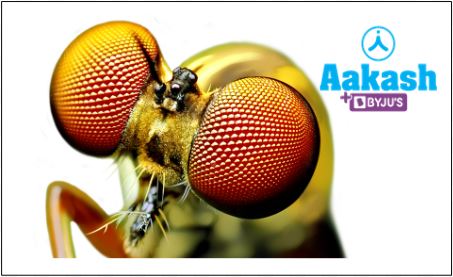
Fig: Compound eyes
- Some animals can see infrared and ultraviolet light and use them for predation and navigation. An example is bees that can see the UV light which helps them to see the flower petals that reflect the UV light.
- Piranha (Pygocentrus nattereri) is a fish that can see infrared light and helps them to catch their prey.
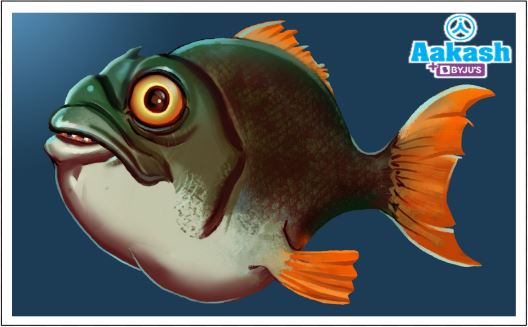
Fig: Piranha
Bioluminescence
The phenomenon of the production and emission of light by a living organism is called bioluminescence. Luciferase enzyme uses luciferin as a substrate and oxidises it to oxyluciferin. This chemical reaction inside the body of an organism is responsible for the emission of light. Examples are fireflies (Lampyridae), jelly fish etc.
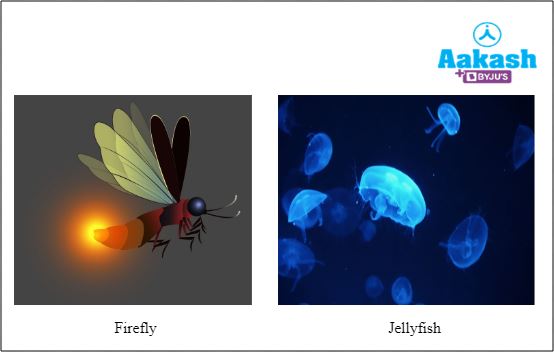
Fig: Bioluminescence
Biological clock
The inherent timing mechanisms in living organisms that are inferred to exist in order to explain the periodicity or timing of physiological states, various behaviours, and processes is called the biological clock. It helps in the regulation of the sleep-wake cycle or the circadian rhythm. This responds to the light and acts as a signal to be awake and fall asleep in the night.
Practice Problems
1. What is the reason for the adaptation of large leaves in the plants at lower strata of forest?
- The canopy of the taller trees overshadows the plants in lower strata
- The plants has to capture more sunlight for photosynthesis
- The amount of sunlight is less in the lower strata
- All the above
Solution: The amount of sunlight received by the plants inside the forest varies. The light intensity will be very less in the lower strata of forest, because the canopy of the taller trees overshadows the plants in lower strata. Hence the plants in the lower strata will have larger leaves to capture more sunlight. They photosynthesise under dim light too. But the tall trees get enough sunlight for photosynthesis and they usually have small leaves compared to the plants in the lower strata. Hence the correct option is d.
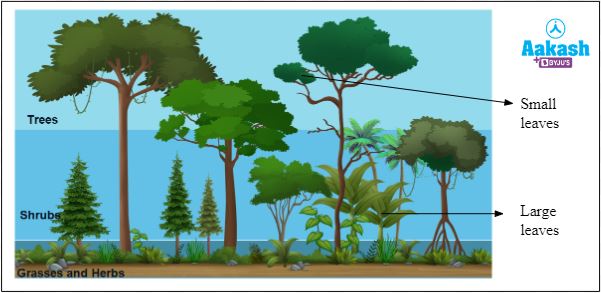
Fig: Forest with large and small plants
2. Which of the following is the region of ocean where most of the water lies?
- Euphotic zone
- Disphotic zone
- Aphotic zone
- Photic zone
Solution: The region of ocean where most of the water lies is called the aphotic zone. It lies beneath the photic zone. Only less than 1% of the sunlight reaches this region, hence the region is extremely dark. These zones are not restricted to ocean waters. There are some deep lakes which have the aphotic zone. An example is the Baikal lake in Russia, which is 1600 metres deep with a large aphotic zone. Hence the correct option is c.
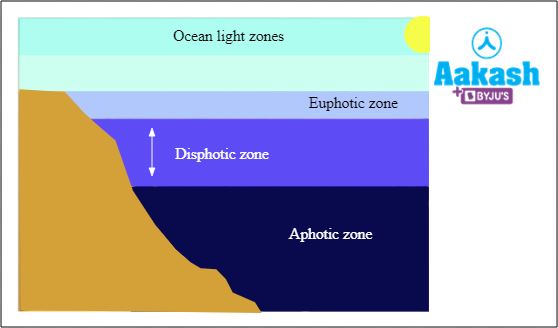
Fig: Zones in oceans depending on the availability of light
3. Which of the following is a light-induced plant response?
- Phototropism
- Germination of light-sensitive seeds
- De-etiolation of seedlings
- All the above
Solution: The genetically designed development and growth of plant structures under the influence of light is called photomorphogenesis. Light is an important factor in photosynthesis, growth and development. There are several light-induced plant responses like phototropism, germination of light-sensitive seeds (eg: lettuce) and de-etiolation of seedlings. Here the light acts as an environmental signal to elicit photoresponses. Most of these photo responses control structural development or photomorphogenesis. Hence the correct option is d.
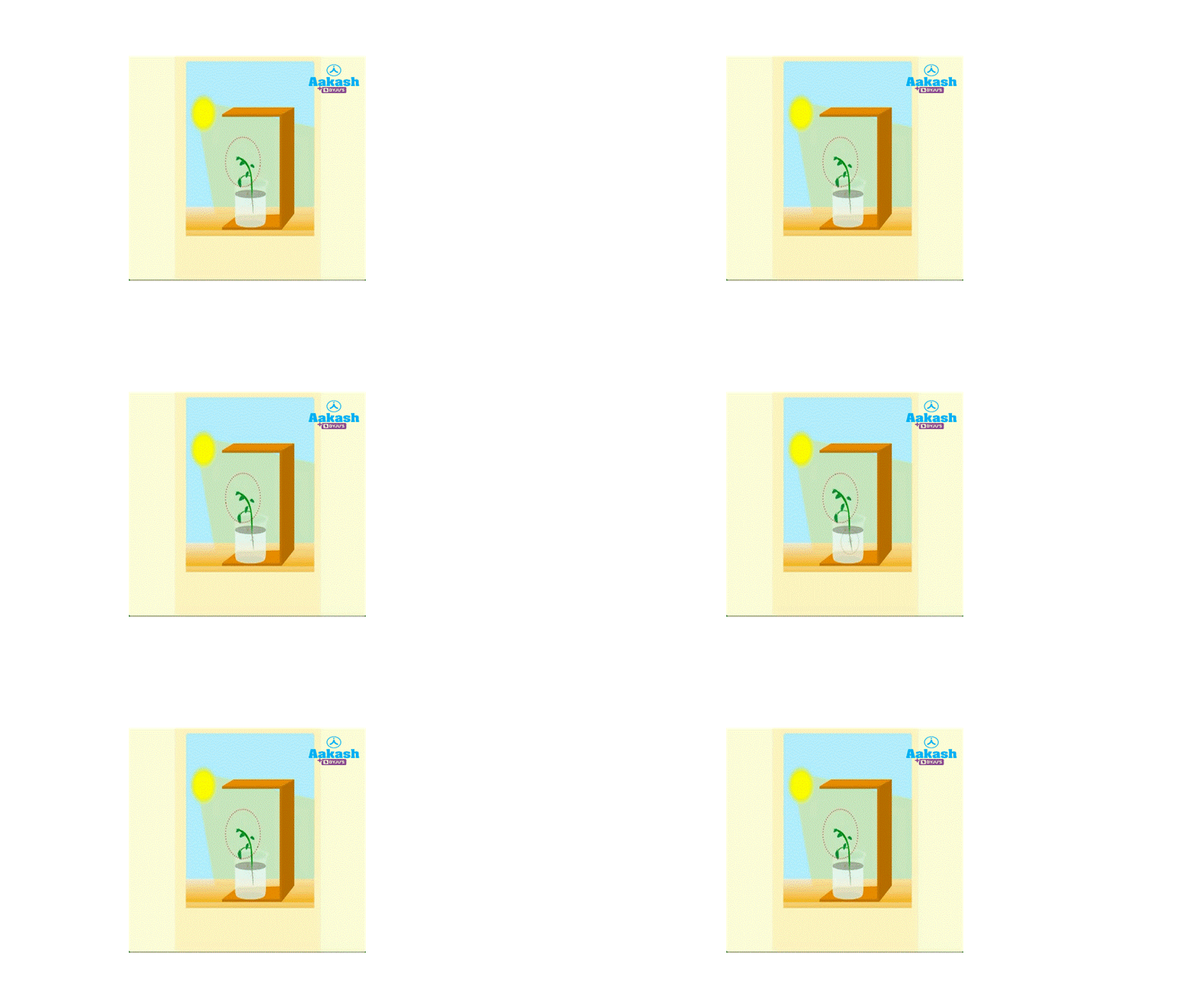 GIF: Phototropism
4. Which of the following is not a crepuscular animal?
- Moths
- Jaguars
- Bobcat
- Common nighthawk
Solution: On the basis of the light and the habit of animals, they can be classified into three. They are diurnal animals, nocturnal animals and crepuscular animals. The animals that get active during the twilight (time just before sunset or sunrise) are called crepuscular animals. Examples include jaguars, bobcats, desert snakes, desert lizards and common nighthawk. Hence the correct option is a.
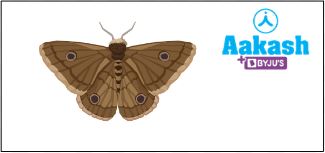
Fig: Moth
FAQs
1. What are photoblastic seeds?
Answer: Some seeds are light sensitive and the presence or absence of light influences their germination. Such seeds are called photoblastic seeds. There are negatively photoblastic seeds and positively photoblastic seeds. The germination of negatively photoblastic seeds get inhibited by the light. Examples include black cumin or Nigella sativa. The germination of positively photoblastic seeds get stimulated by the light. Examples include seeds of Poa pratensis or Kentucky bluegrass.
2. Which city on the Earth gets the most sunlight?
Answer: Yuma in Arizona is the city which gets the most sunlight on the Earth. It has 11 hours of winter sunlight and 13 hours of summer sunlight. It gets an average of 4015 hours of sunlight per year.
3. What is brighter than the sun?
Answer: A powerful and luminous explosion of a star called supernova is 200 times more powerful than the sun. It is 570 billion times brighter than the sun. It is also 20 times brighter than all the stars together in the milky way.
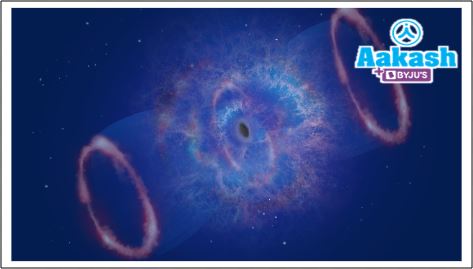
Fig: Supernova
4. What are auroral and vesporal animals?
Answer: The animals that are active at dawn only are called aurora animals. An example of an aurora animal is Bubulcus. The animals that are active at dusk only are called vesporal animals. An example for a vesporal animal is the rabbit.
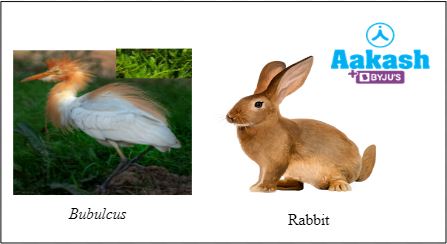
Fig: Auroral and vesporal animals

 Call Now
 Let's Chat
 Share
Share