-
Call Now
1800-102-2727


Difference Between Monera And Protista

There are numerous diverse species in the fascinating world of living things. Among those, Monera and Protista are very well known as the two kingdoms of life possessing distinctive traits and playing significant roles in our ecosystem. They differ in structure and chemistry, making their behaviours and living distinct.
Table of Contents
- What is Monera?
- Classifications of Monera
- What is Protista?
- Classifications of Protists
- Monera vs Protista
- Practice Problems
- Frequently Asked Questions
What is Monera?
The most primitive and least organised prokaryotic microorganisms are found in the kingdom Monera. The use of carbon and energy as substrates allows the kingdom to significantly influence the nitrogen and carbon cycle, and is known to be a metabolically diverse species. The organisms of the kingdom Monera are prokaryotes; thus, they lack membrane-bound organelles such as the nucleus. At the same time, they possess peptidoglycan-based rigid cell walls.
Reproduction occurs asexually in kingdom monera through binary fission, fragmentation, and budding. They possess a high level of horizontal gene transfer. Furthermore, they serve as decomposers and mineralise the environment, representing a distinctive mode of nutrition. There are numerous significant uses of bacteria, such as the following:
- Significantly applicable in fermentation industries.
- Helpful in the bioremediation process.
- Enhances pest control methods.
- Majorly used in pharmaceutical industries.
Classifications of Monera
In 1977, Carl Woese demonstrated a three-domain taxonomy system for the kingdom Monera, corresponding to life's evolution. Cyanobacteria, eubacteria and archaebacteria are among the domains which make the kingdom Monera.
-
Cyanobacteria
Cyanobacteria, also called blue-green algae, are autotrophic in nature; they photosynthesise their food. These organisms are generally found in aquatic regions. Some of them tend to fix atmospheric nitrogen along with carbon dioxide. Examples of Cyanobacteria are Anabaena and Nostoc.
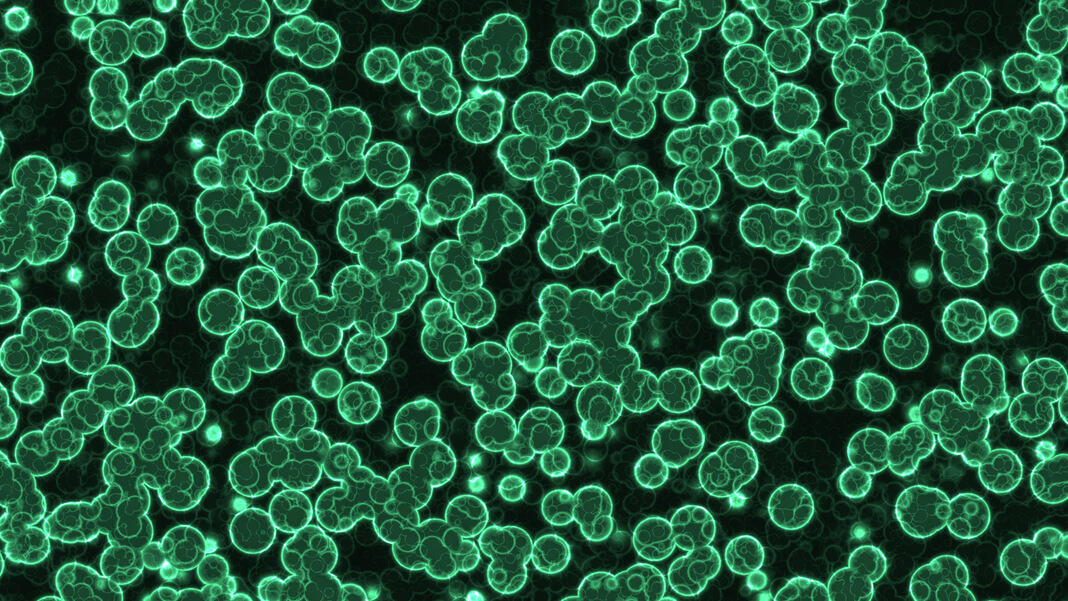
Image: Cyanobacteria
-
Eubacteria
Eubacteria are popularly called true bacteria. Eubacteria are known to possess rigid cell walls composed of peptidoglycans and murine, a carbohydrate type for defence from the environment. Eubacteria also have flagella that help them in movement. Eubacteria can be found everywhere on the Earth, including soil, water, on and inside the body of large organisms. For example, several eubacteria exist inside the human digestive tract.
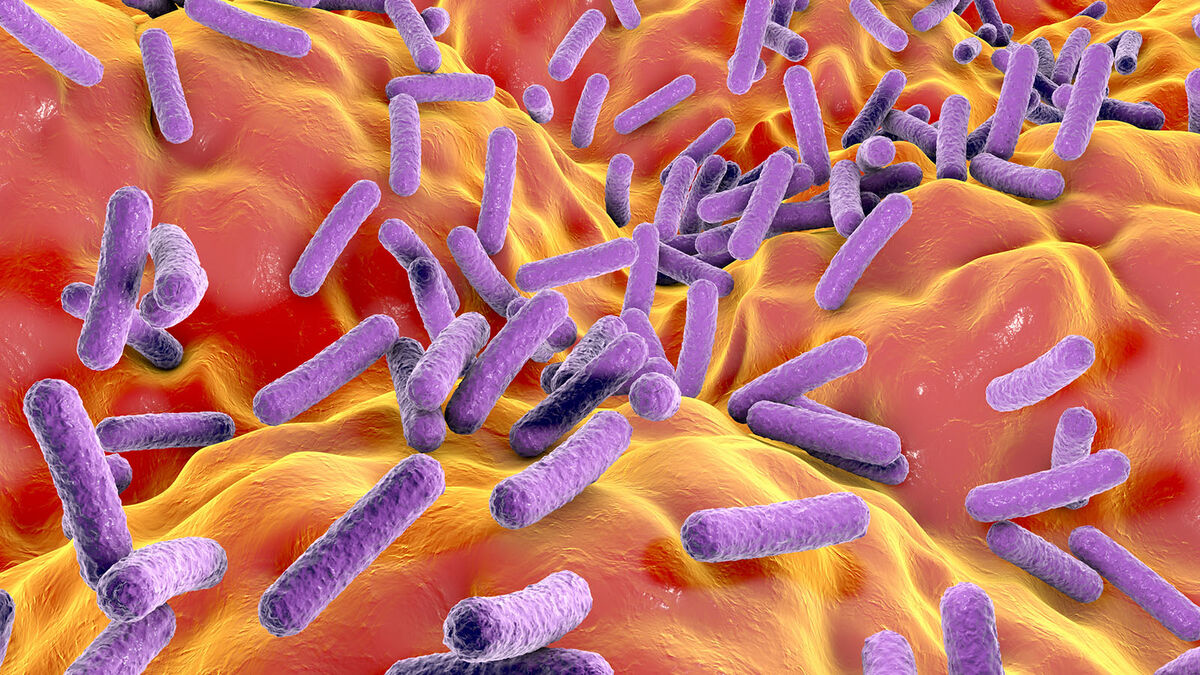
Image: Eubacteria
-
Archaebacteria
Archaebacteria are popularly known as the ancient and primitive microorganisms that exist on Earth. They are widely found in aquatic environments but can be found in the harshest climate conditions. They are categorised into three subgroups, halophiles, technophiles and thermophiles. Significantly distinct construction of cell walls has helped them survive in almost any toughest climate.
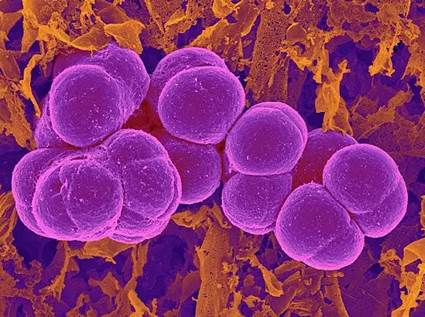
Image: Archaebacteria
What is Protista?
The organisms in the kingdom Protista are the processors of fungi, plants and animals. Protists are the first form of eukaryotes. They can be either unicellular or multicellular organisms. They possess a nucleus along with the membrane-bound organelles, but their mechanisms vary depending on whether they are heterotrophic or autotrophic. For respiration, protists rely on mitochondria, but certain protists possess chloroplast, which is beneficial in photosynthesis. Additionally, the Protista’s nucleus possesses multiple strands of DNA.
Protista reproduces within the organism sexually by producing gametes. They can be utilised in a wide range of applications, such as the following:
- It can be used as a source of medicine.
- Useful as edibles.
- It can serve as a source of minerals and commercial products.
- It assists in biological research fields.
Classifications of Protista
Prostista can be categorised into subgroups like algae and protozoans.
-
Algae
Algae serves as the foundation of the food chain. Most living organisms depend on distinctive forms of algae, either directly or indirectly, for their nutrition, food, energy and as a source of oxygen. Algae play a key role in the dominant sharing of oxygen supply to the environment, compared to plants.
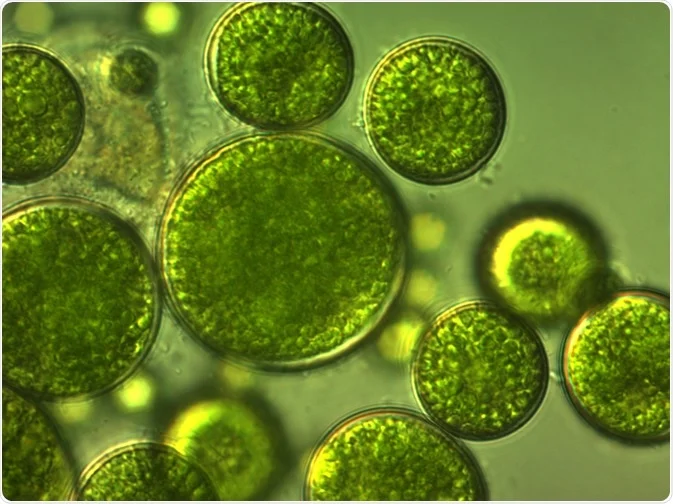
Image Algae
-
Protozoans
Protozoan is a Latin word having the meaning of ‘first animal’. Because of their primary parasitic nature, protozoa eat dead matter to gain nutrients. Protozoans are unicellular heterotrophic organisms. For example, amoeba.

Image : Protozoans
Monera vs Protista
|
Monera |
Protista |
|
Unicellular |
Unicellular or Multicellular |
|
Prokaryotic cellular structure |
Eukaryotic cellular structure |
|
Membrane-bound organelles are absent |
Membrane-bound organelles are present |
|
They possess a simple structure. |
They possess complex structures. |
|
They can be found in any habitat. |
Distinctive forms are found in aquatic regions, shady areas and moist lands. |
|
Their nutrition mode is either autotrophic or heterotrophic. |
They can gain nutrition through either of the three modes, i.e., photosynthetic, parasitic, or holozoic. |
|
Asexual reproduction takes place. |
Either asexual or sexual reproduction takes place. |
|
The true nucleus is absent. |
The nucleus is present with a nuclear membrane. |
|
Examples: Sphorobacter, mycobacteria and Bacillus |
Examples: Red and green algae, euglena. |
Practice Problems
Q1. Algae come under
A. Kingdom Monera
B. Kingdom Protista
C. Kingdom Plant
D. None of the above
Answer: B. Kingdom Protista
Algae are among the distinct domains of Kingdom Protista.
Q2. Which one does not fall under the category of kingdom Monera?
A. Archaebacteria
B. Moulds
C. Cyanobacteria
D. Eubacteria
Answer: B. Moulds
Moulds are among the categories of kingdom Protista. Archaebacteria, eubacteria and cyanobacteria fall under the kingdom Monera.
Q3. Organisms that are categorised in the kingdom Protista can be
A. Unicellular organisms
B. Multicellular organisms
C. All of the above
D. None of the above
Answer: C. All of the above.
Organisms that fall into the kingdom Protista are either unicellular or multicellular.
Frequently Asked Questions
Q1. Name all kingdoms categorised for living organisms.
Answer: There are five types of kingdoms acknowledged for living organisms. They are kingdom animals, plants, fungi, protists and monera.
Q2. What is the classification system for all living organisms?
Answer: The classification system for all living organisms is identified based on their hierarchy or range of order or size. They are often categorised by kingdom, phylum, class, order, family, genus and species.
Q3. Chordata falls in which kingdom?
Answer: Chordata falls into the Kingdom Animalia. Chordata consists of all vertebrates, i.e., animals possessing backbone. For example, amphibians, mammals, reptiles and birds.

 Call Now
 Let's Chat
 Share
Share