-
Call Now
1800-102-2727


The Flower: Androecium, Gynoecium and Classification of Flowers, Practice Problems and FAQs

All of you like flowers. They are so pretty. They are not only the ornaments of the plants but also help in sexual reproduction. Everyday we saw lots of flowers on our way to school or college. So, have you ever thought about the structure of flowers? Why are they so pretty? Why do butterflies and bees always come near to them?
You need answers to all these questions. Flowers possess male and female reproductive organs. In some flowers, both the reproductive systems are present in the same flower, for example Hibiscus. But in some plants, male and female reproductive structures are present in different flowers. Let’s understand more about the flowers in this article.

Fig: Parts of flower
Table of contents
- Androecium
- Stamen
- Classification based on the length of stamen
- Classification of flowers based on fusion of stamen with other floral parts
- Classification of flowers based on free or united stamen
- Classification of anther based on number of lobes
- Gynoecium
- Carpel
- Classification of flowers based on fusion of pistils (carpels)
- Classification of flowers based on position of other floral whorls with respect to the ovary
- Placentation
- Practice Problems
- FAQs
Androecium
Androecium is the essential whorl of a flower composed of stamens. It is represented by the letter ‘A’.
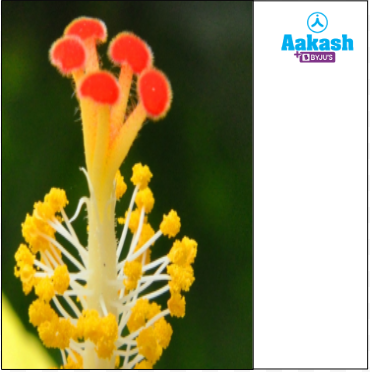
Fig: Androecium
Stamen
It is the male reproductive organ of a flower.It is a modified leaf and is also called microsporophyll. Sterile and undeveloped stamens are called staminode. It is composed of the following parts:
- Anther
- Filament
Anther
Anther is the lobed structure which produces pollen grains. The lobes are connected to each other by means of a sterile tissue called connective. The anther lobe has two chambers bearing pollen-sacs inside which pollen grain production occurs.
Filament
It is the slender stalk holding the anther in the flower.
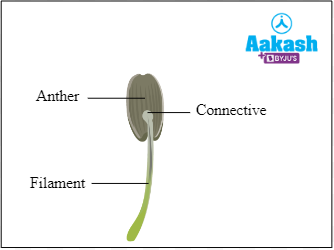
Fig: Stamen
Classification of flowers based on the length of stamen
The flowers are categorised into two types based on the length of the stamen. These are as follows:
- Didynamous
- Tetradynamous
Didynamous |
Tetradynamous |
|
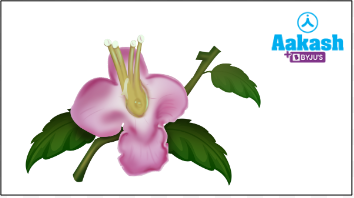
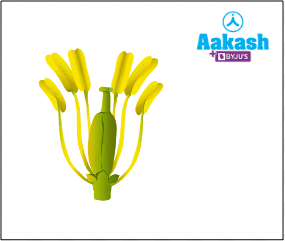
Four stamens are grouped into two equal sets of unequal length. |
Six stamens are present such that four are long while two are short. |
|
Examples include Salvia and Ocimum flower |
Examples include mustard flower |
|
|
|
Classification of flowers based on fusion of stamen with other floral parts
The flowers are categorised on two types on the basis of their fusion of stamen with other floral parts as follows:
- Epipetalous
- Epiphyllous
Epipetalous |
Epiphyllous |
|
In this condition, stamens are attached to the petals. |
In this condition, the stamens are attached to the perianth. |
|
Examples include brinjal flower |
Examples include lily flower |
|
|
|


Classification of flowers based on free or united stamen
The flowers are classified into two types based on their free or united stamen as follows:
- Fused stamens (Cohesion of stamens)
- Polyandrous
Cohesion of stamens
In this condition, the stamens are fused with each other. A flower having five fused stamens is represented as A(5). Fused stamens are further classified into three types based on the structure though they are fused. These are as follows:
- Adelphous
- Syngenesious
- Synandrous
Adelphous
In this condition, the stamens are fused by their filaments only. They are of three types as follows:
Monadelphous
The fused stamens form one group. Examples include China rose.
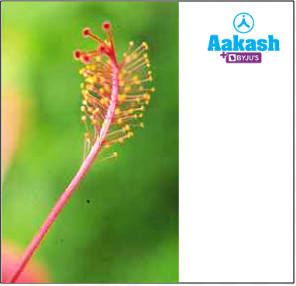
Fig: Monadelphous
Diadelphous
The fused stamens form two groups. Examples include pea.
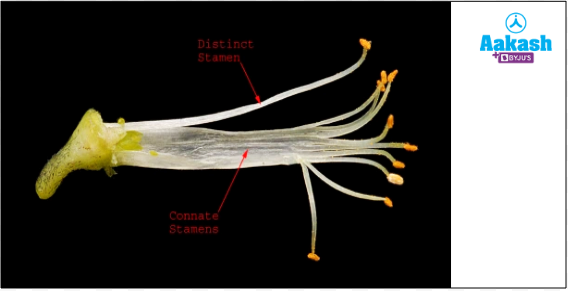
Fig: Diadelphous
Polyadelphous
The fused stamens form multiple groups. Examples include Citrus flowers.
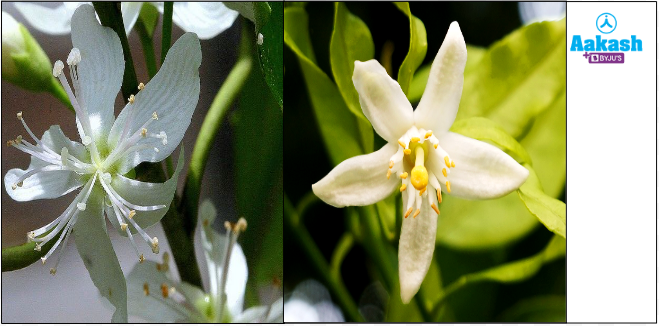
Fig: Polyadelphous
Syngenesious
In this condition, the stamens are fused by their anthers only and the filaments are free. The fused anthers normally form a circle around the gynoecium. It is commonly seen in the Asteraceae or Compositae family. Examples include marigold and Helianthus (Sunflower).
Synandrous
In this condition, the stamens are fused by both their anthers and filaments. Examples include Cucurbita.
Polyandrous
The stamens are free in the flower.
Classification of anther based on number of lobes
Anther is classified into two types based on the number of lobes. These are:
- Monothecous
- Dithecous
Monothecous
In this condition, the anther possesses a single anther lobe with two pollen chambers in it. Examples include Hibiscus.
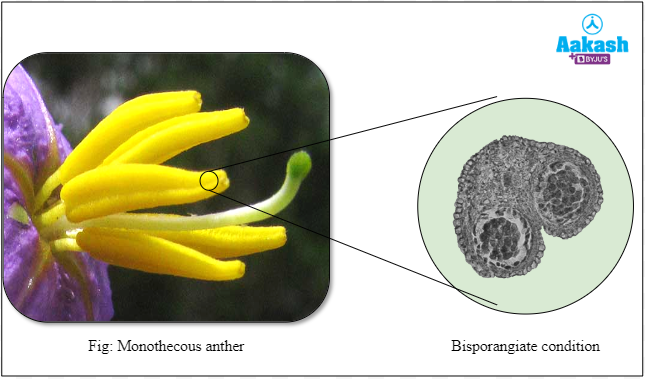
Fig: Monothecous anther
Dithecous
In this condition, the anther possesses both the anther lobes. Examples include Crotalaria, Solanum and mustard.
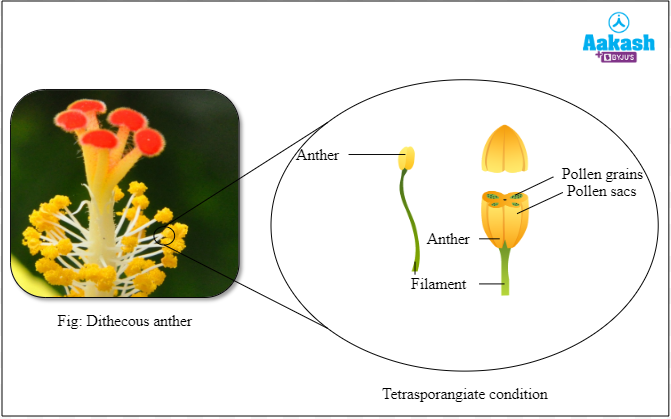
Fig: Dithecous anther
Gynoecium
It is the essential whorl of a flower that possesses a group of pistils. It is represented by the letter ‘G’. A sterile and underdeveloped pistil is called pistillode.
Pistil
Pistil or carpel is the female reproductive unit of a flowering plant and is composed of the following parts:
- Stigma
- Style
- Ovary
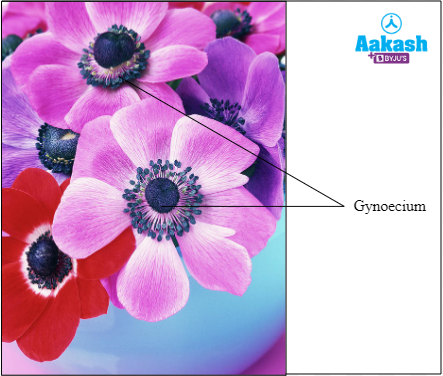
Fig: Gynoecium
Stigma
It is the receptive surface or landing platform of pollen grains. It occupies the terminal position.
Style
It is the elongated part connecting the ovary to the stigma. It is narrow, thin and thread-like. It helps the stigma to rise above the level of ovary. It is of different types based on the origin.
Terminal
Style arises from the top of the ovary. Examples include Petunia.
Lateral
Style originates from the side of the ovary. Examples include Mango flowers.
Gynobasic
In this condition the style originates normally from the mid basal part of the ovary. Examples include Ocimum.
Ovary
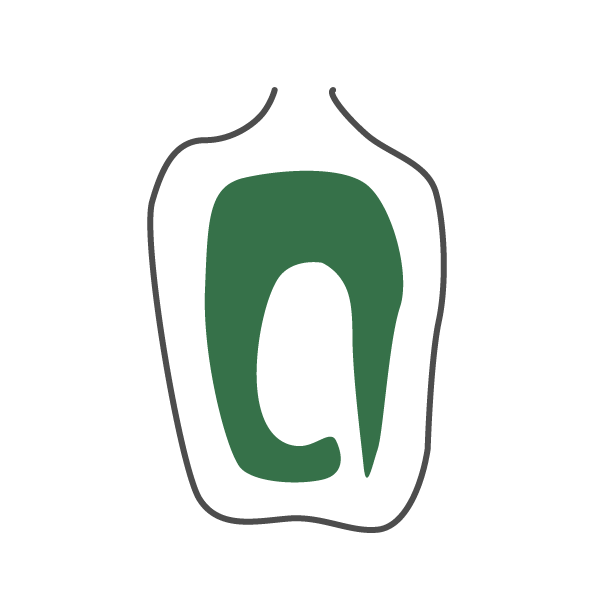
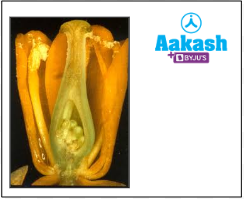
Enlarged basal part of the pistil is called the ovary. It is divided into one or multiple chambers known as locules. Ovules are seen attached to the ovary locules. It is attached to the cushion-like placenta by means of a funicle. After fertilisation, the ovary develops into the fruit, the ovary wall transforms into pericarp and the ovules transform into seeds.
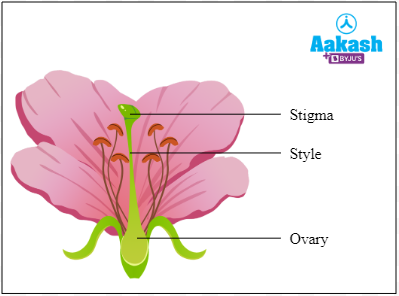
Fig: Parts of a carpel
Types of ovary
Based on the number of locules present inside the ovary. It is of the following types:
Unilocular
Only one locule is present inside the ovary. Examples include pea.
Bilocular
Two locules are present inside the ovary. Examples include Brassica.
Trilocular
Three locules are present inside the ovary. Examples include Asparagus.
Tetralocular
Four locules are present inside the ovary. Examples include Ocimum.
Pentalocular
Five locules are present inside the ovary. Examples include Hibiscus.
Multilocular
More than five locules present inside the ovary. Examples include lady's finger flowers.
Classification of flowers based on number of pistils
Based on the number of pistils or carpels, the flowers are of different types as follows:
Monocarpellary
Gynoecium possesses only one carpel or pistil.
Bicarpellary
Gynoecium possesses two carpels or pistils.
Tricarpellary
Gynoecium possesses three carpels or pistils.
Polycarpellary
Gynoecium possesses many carpels or pistils.
Classification of flowers based on fusion of pistils (carpels)
The flowers are classified into two types on the basis of fusion of pistils. These are:
- Apocarpous
- Syncarpous
Apocarpous
It is a condition in which multiple carpels are present and they are free. A flower having five free carpel is represented by G5. Examples include lotus and rose.
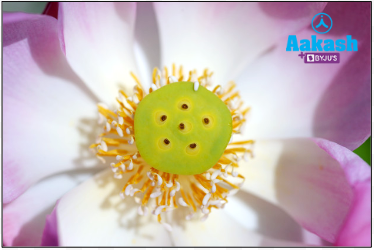
Fig: Apocarpous flower
Syncarpous
It is a condition in which multiple carpels are present and they remain united. A flower having five fused carpel is represented by G(5). Examples include mustard and tomato.
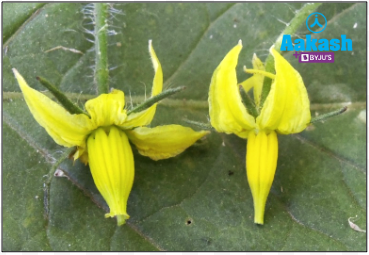
Fig: Syncarpous flower
Classification of flowers based on position of other floral whorls with respect to the ovary
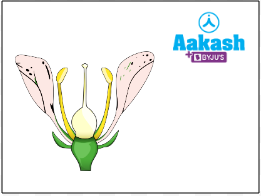
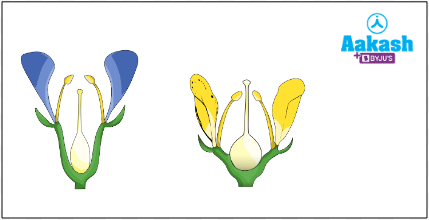
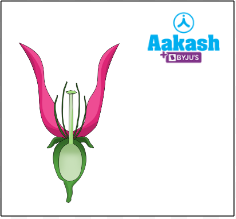
The flowers are classified into three types on the basis of position of an ovary. These are as follows:
- Hypogynous
- Perigynous
- Epigynous
Hypogynous |
Perigynous |
Epigynous |
|
Gynoecium occupies the highest position in the flower. |
Gynoecium is situated in the centre, slightly below the other floral whorls. |
Thalamus margin grows upward while enclosing the ovary and fusing with it. |
|
Calyx, corolla, and androecium are present below the gynoecium. |
Calyx, corolla, and androecium are located at the rim of thalamus almost at the same level. |
Calyx, corolla, and androecium are above the ovary. |
|
Ovary is superior. |
Ovary is half inferior. |
Ovary is inferior. |
|
Examples include Hibiscus, mustard flower and brinjal flower |
Examples include rose, plum flower and peach flower |
Examples include ray florets of sunflower, guava flower and cucumber flower |
|
|
|
|
Placentation
Placentation refers to the pattern of arrangement of ovules inside an ovary.
Types of placentation
The different types of placentation in flower are as follows:
|
Types of placentation |
Definition |
Examples |
Image |
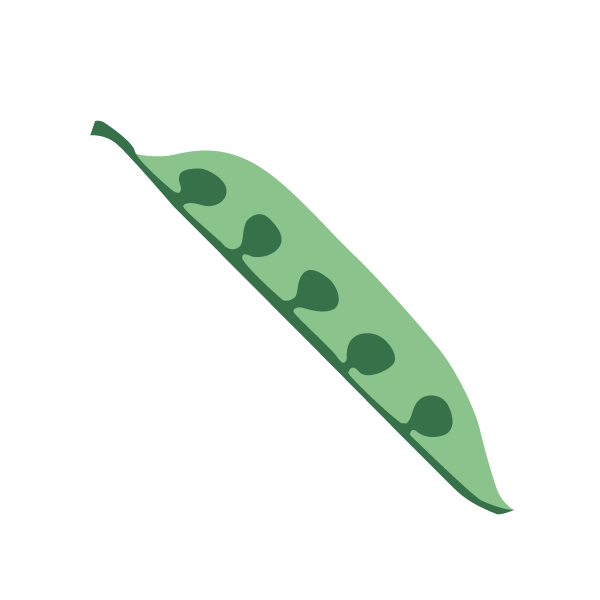
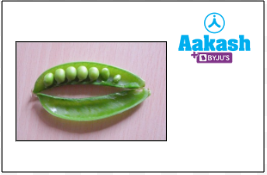
Marginal
|
The placenta forms a ridge along the ventral suture of the ovary and rows of ovules occur longitudinally along the ridge. It is found in monocarpellary unilocular ovaries |
Pea and Cassia |
|
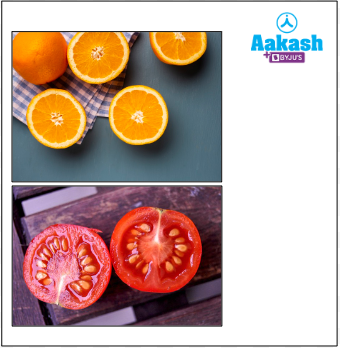
Axile
|
The placenta is axial and the ovary is divided into two or more chambers (locules) with the ovules arranged there. It is found in bicarpellary or multicarpellary syncarpous ovaries with two or more chambers. |
Tomato and lemon |
|
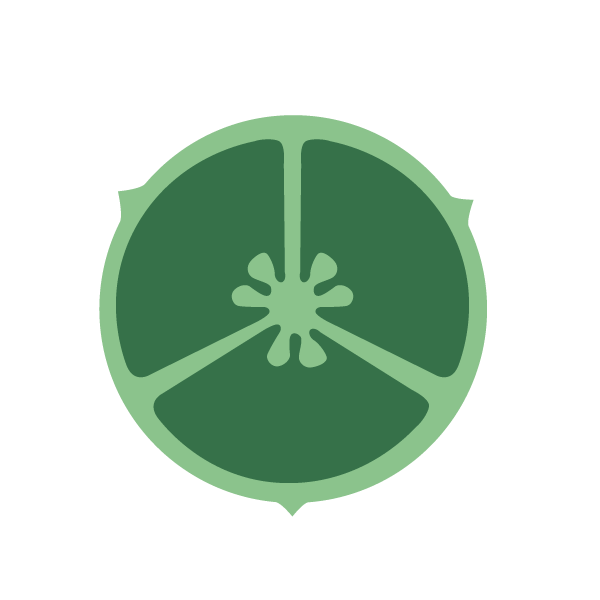
Parietal
|
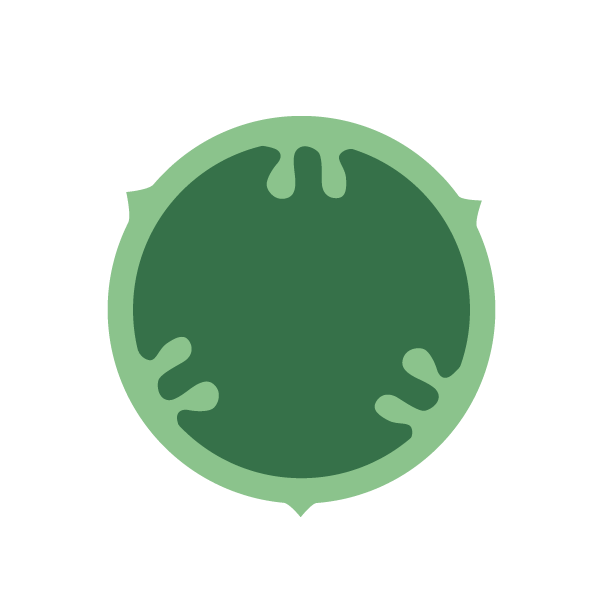
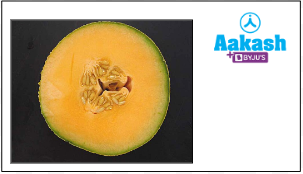
The ovules develop on the inner wall or on the peripheral part of the ovary. One-chambered ovary apparently appears as two-chambered due to the formation of a false septum. It occurs in bicarpellary or multicarpellary syncarpous and unilocular ovaries. |
Mustard, Cantaloupe and Argemone |
|
Basal
|
A single placenta is present at the base of the ovary with usually a single ovule. It occurs in monocarpellary or syncarpous pistils with unilocular ovaries. |
Sunflower and marigold |
|
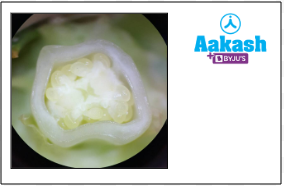
Free central
|
The ovules are borne on a central axis without any septa. It is found in polycarpellary and syncarpous pistils with unilocular ovaries. |
Dianthus and Primrose |
|

Practice Problems
1. The condition occurs when the filaments of all the stamens of a flower are fused together to create a single bundle is ____________.
- monandrous
- monoadelphous
- Diadelphous
- Polyadelphous
Solution: The filaments of all the stamens in Hibiscus rosa-sinensis (China rose) are fused together to form a single bundle called the staminal column. This is referred to as a monadelphous condition. Hence, the correct option is b.
2. Determine the types of placentation in the given diagram:
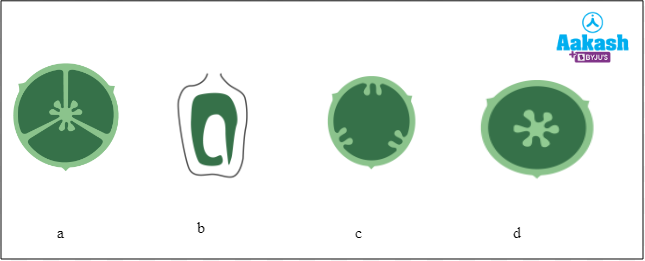
Fig: Types of placentation
- Basal, axile, parietal, marginal
- Marginal, parietal, axile, free central
- Axile, basal, parietal, free central
- Free central, basal, axile, parietal
Solution: In the given diagram, ‘a’ represents the axile placentation. The placenta is axial and the ovary is divided into two or more chambers (locules) with the ovules arranged there.’b’ represents the basal placentation. A single placenta is present at the base of the ovary with usually a single ovule. It is commonly seen in sunflowers and marigolds. ‘c’ represents the parietal placentation. The ovules develop on the inner wall or on the peripheral part of the ovary. One-chambered ovary apparently appears as a two-chambered ovary due to the formation of a false septum. ‘d’ represents the free central placentation. The ovules are borne on a central axis without any septa. Hence, the correct option is c.
3. What is the non-functional stamen called?
- accessory stamens
- staminode
- young stamens
- staminates
Solution: In a flower, a stamen is the unit that makes up the male reproductive part. It carries the pollen grain or the male gametophyte, which contains the male gametes. The term ‘sterile stamen or staminode’ refers to a stamen that does not generate pollen. Hence, the correct option is b.
4. Identify the flower in which half inferior ovary is present.
- Guava
- Peach
- Cucumber
- Cotton
Solution: The gynoecium is at the centre of rose, peach, plum, and other flowers, while other components of the flower are virtually at the same level as the thalamus rim (perigynous). It is said that the ovary is half inferior here. Hence, the correct option is b.
5. What are the primary functions of androecium and gynoecium?
Answer: The androecium is the male reproductive organ in flowers that produce and store the pollen grains. On the other hand, the gynoecium is the female reproductive organ in which the ovary is present. The ovary is transformed into fruit after fertilisation.
6. What is pollen ?
Answer: Pollen grain is the male gametophyte. It is essential for the reproduction in plants. It produces the male gametes.
FAQs
1. Which flower is called the king of flowers?
Answer: Peony belonging to the genus Paeonia is called the ‘king of flowers.’
2. Which flower is considered as the rarest flower?
Answer: The Middlemist Red flower is considered as the rarest flower. There are only two known examples of this particular flower in the entire world.
3. Which is considered as the biggest flower in the world?
Answer: Rafflesia arnoldii is the biggest flower in the world. It is over three feet in diameter and weighs 20 pounds.
4. Which is considered as the smallest flower in the world?
Answer: Watermeal or Wolffia australiana, is the smallest flowering monocot. It is rich in protein.

 Call Now
 Let's Chat
 Share
Share