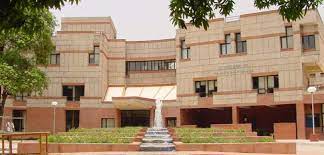

The Indian Institute of Technology Delhi (IIT Delhi) is one of the premier engineering institutes in India. Established in 1961, IIT Delhi has grown to become a globally recognized center for education and research in engineering, technology, and science. It is located in Hauz Khas, New Delhi, and offers a serene yet vibrant campus life. The institute boasts state-of-the-art facilities, renowned faculty, and a strong alumni network, making it a top choice for aspiring engineers and scientists.
IIT Delhi Opening & Closing Rank
Indian Institute of Technology Delhi
City: New Delhi
State: Delhi
Score: 85.74 | Rank: 2
| Institute | Academic Program Name | Quota | Seat Type | Gender | Opening Rank | Closing Rank |
|---|---|---|---|---|---|---|
| Indian Institute of Technology Delhi | Abu Dhabi Campus – Chemical Engineering (4 Years, Bachelor of Technology) | AI | OPEN | Gender-Neutral | 5200 | 5712 |
| Indian Institute of Technology Delhi | Abu Dhabi Campus – Chemical Engineering (4 Years, Bachelor of Technology) | AI | OPEN | Female-only (including Supernumerary) | 11520 | 11520 |
| Indian Institute of Technology Delhi | Abu Dhabi Campus – Computer Science and Engineering (4 Years, Bachelor of Technology) | AI | OPEN | Gender-Neutral | 1291 | 1761 |
| Indian Institute of Technology Delhi | Abu Dhabi Campus – Computer Science and Engineering (4 Years, Bachelor of Technology) | AI | OPEN | Female-only (including Supernumerary) | 6480 | 6480 |
| Indian Institute of Technology Delhi | Abu Dhabi Campus – Energy Engineering (4 Years, Bachelor of Technology) | AI | OPEN | Gender-Neutral | 4661 | 5590 |
| Indian Institute of Technology Delhi | Abu Dhabi Campus – Energy Engineering (4 Years, Bachelor of Technology) | AI | OPEN | Female-only (including Supernumerary) | 8973 | 8973 |
| Indian Institute of Technology Delhi | Biotechnology and Biochemical Engineering (4 Years, Bachelor of Technology) | AI | OPEN | Gender-Neutral | 3147 | 4999 |
| Indian Institute of Technology Delhi | Biotechnology and Biochemical Engineering (4 Years, Bachelor of Technology) | AI | OPEN | Female-only (including Supernumerary) | 6350 | 8927 |
| Indian Institute of Technology Delhi | Chemical Engineering (4 Years, Bachelor of Technology) | AI | OPEN | Gender-Neutral | 1904 | 2548 |
| Indian Institute of Technology Delhi | Chemical Engineering (4 Years, Bachelor of Technology) | AI | OPEN | Female-only (including Supernumerary) | 5287 | 5968 |
| Indian Institute of Technology Delhi | Chemical Engineering (5 Years, Bachelor and Master of Technology (Dual Degree)) | AI | OPEN | Gender-Neutral | 2581 | 3454 |
| Indian Institute of Technology Delhi | Chemical Engineering (5 Years, Bachelor and Master of Technology (Dual Degree)) | AI | OPEN | Female-only (including Supernumerary) | 6826 | 7561 |
| Indian Institute of Technology Delhi | Chemistry (4 Years, Bachelor of Science) | AI | OPEN | Gender-Neutral | 6267 | 8528 |
| Indian Institute of Technology Delhi | Chemistry (4 Years, Bachelor of Science) | AI | OPEN | Female-only (including Supernumerary) | 11389 | 16980 |
| Indian Institute of Technology Delhi | Civil Engineering (4 Years, Bachelor of Technology) | AI | OPEN | Gender-Neutral | 3244 | 4302 |
| Indian Institute of Technology Delhi | Civil Engineering (4 Years, Bachelor of Technology) | AI | OPEN | Female-only (including Supernumerary) | 3660 | 9193 |
| Indian Institute of Technology Delhi | Computer Science and Engineering (4 Years, Bachelor of Technology) | AI | OPEN | Gender-Neutral | 24 | 126 |
| Indian Institute of Technology Delhi | Computer Science and Engineering (4 Years, Bachelor of Technology) | AI | OPEN | Female-only (including Supernumerary) | 376 | 498 |
| Indian Institute of Technology Delhi | Computer Science and Engineering (5 Years, Bachelor and Master of Technology (Dual Degree)) | AI | OPEN | Gender-Neutral | 134 | 186 |
| Indian Institute of Technology Delhi | Computer Science and Engineering (5 Years, Bachelor and Master of Technology (Dual Degree)) | AI | OPEN | Female-only (including Supernumerary) | 560 | 996 |
| Indian Institute of Technology Delhi | Design (4 Years, Bachelor of Technology) | AI | OPEN | Gender-Neutral | 7813 | 12217 |
| Indian Institute of Technology Delhi | Design (4 Years, Bachelor of Technology) | AI | OPEN | Female-only (including Supernumerary) | 16045 | 23166 |
| Indian Institute of Technology Delhi | Electrical Engineering (4 Years, Bachelor of Technology) | AI | OPEN | Gender-Neutral | 365 | 605 |
| Indian Institute of Technology Delhi | Electrical Engineering (4 Years, Bachelor of Technology) | AI | OPEN | Female-only (including Supernumerary) | 1617 | 2627 |
| Indian Institute of Technology Delhi | Electrical Engineering (Power and Automation) (4 Years, Bachelor of Technology) | AI | OPEN | Gender-Neutral | 612 | 823 |
| Indian Institute of Technology Delhi | Electrical Engineering (Power and Automation) (4 Years, Bachelor of Technology) | AI | OPEN | Female-only (including Supernumerary) | 2789 | 2886 |
| Indian Institute of Technology Delhi | Energy Engineering (4 Years, Bachelor of Technology) | AI | OPEN | Gender-Neutral | 1868 | 2668 |
| Indian Institute of Technology Delhi | Energy Engineering (4 Years, Bachelor of Technology) | AI | OPEN | Female-only (including Supernumerary) | 3645 | 6315 |
| Indian Institute of Technology Delhi | Engineering and Computational Mechanics (4 Years, Bachelor of Technology) | AI | OPEN | Gender-Neutral | 858 | 1103 |
| Indian Institute of Technology Delhi | Engineering and Computational Mechanics (4 Years, Bachelor of Technology) | AI | OPEN | Female-only (including Supernumerary) | 3041 | 3918 |
| Indian Institute of Technology Delhi | Engineering Physics (4 Years, Bachelor of Technology) | AI | OPEN | Gender-Neutral | 1393 | 2565 |
| Indian Institute of Technology Delhi | Engineering Physics (4 Years, Bachelor of Technology) | AI | OPEN | Female-only (including Supernumerary) | 4457 | 6755 |
| Indian Institute of Technology Delhi | Materials Engineering (4 Years, Bachelor of Technology) | AI | OPEN | Gender-Neutral | 2499 | 3736 |
| Indian Institute of Technology Delhi | Materials Engineering (4 Years, Bachelor of Technology) | AI | OPEN | Female-only (including Supernumerary) | 7895 | 9060 |
| Indian Institute of Technology Delhi | Mathematics and Computing (4 Years, Bachelor of Technology) | AI | OPEN | Gender-Neutral | 157 | 323 |
| Indian Institute of Technology Delhi | Mathematics and Computing (4 Years, Bachelor of Technology) | AI | OPEN | Female-only (including Supernumerary) | 743 | 1234 |
| Indian Institute of Technology Delhi | Mathematics and Computing (5 Years, Bachelor and Master of Technology (Dual Degree)) | AI | OPEN | Gender-Neutral | 325 | 355 |
| Indian Institute of Technology Delhi | Mathematics and Computing (5 Years, Bachelor and Master of Technology (Dual Degree)) | AI | OPEN | Female-only (including Supernumerary) | 1447 | 2258 |
| Indian Institute of Technology Delhi | Mechanical Engineering (4 Years, Bachelor of Technology) | AI | OPEN | Gender-Neutral | 1156 | 1862 |
| Indian Institute of Technology Delhi | Mechanical Engineering (4 Years, Bachelor of Technology) | AI | OPEN | Female-only (including Supernumerary) | 4074 | 5178 |
| Indian Institute of Technology Delhi | Production and Industrial Engineering (4 Years, Bachelor of Technology) | AI | OPEN | Gender-Neutral | 1988 | 3223 |
| Indian Institute of Technology Delhi | Production and Industrial Engineering (4 Years, Bachelor of Technology) | AI | OPEN | Female-only (including Supernumerary) | 6903 | 7617 |
| Indian Institute of Technology Delhi | Textile Technology (4 Years, Bachelor of Technology) | AI | OPEN | Gender-Neutral | 5015 | 5733 |
| Indian Institute of Technology Delhi | Textile Technology (4 Years, Bachelor of Technology) | AI | OPEN | Female-only (including Supernumerary) | 9841 | 11158 |
IIT Delhi Courses Offered 2024-25
IIT Delhi offers a wide range of undergraduate, postgraduate, and doctoral programs. The courses offered at IIT Delhi include Bachelor of Technology (B.Tech) in various specializations such as Computer Science, Electrical Engineering, Mechanical Engineering, Civil Engineering, and more. Postgraduate programs include Master of Technology (M.Tech), Master of Science (M.Sc), Master of Business Administration (MBA), and Master of Design (M.Des). The institute also offers Ph.D. programs in various fields of engineering, science, and humanities.
IIT Delhi Admission 2024-25
Admission to IIT Delhi is highly competitive and is primarily based on national-level entrance exams. For undergraduate programs, candidates must qualify for the Joint Entrance Examination (JEE) Advanced. Postgraduate admissions are based on the Graduate Aptitude Test in Engineering (GATE), Common Admission Test (CAT) for MBA, and other relevant exams for different courses. The admission process also includes counseling sessions and interviews, ensuring that only the most deserving candidates secure a place.
IIT Delhi BTech Admission 2024-25
IIT Delhi offers a 4-year BTech program in 14 specializations, with a total seat intake of 1,045. Candidates must qualify for the JEE Mains and JEE Advanced exams to apply for the BTech program at IIT Delhi. The cutoff is determined through the JoSAA counselling process, which takes place over six rounds for all student categories. Key highlights of IIT Delhi BTech admission are outlined below:
| Basic Eligibility | 10+2 with 75% marks |
| Number of Specializations/ Courses | 14 |
| Fees | INR 2.55 Lakhs (1st Year Fees) |
| Application Fees | Female (all categories) and SC, ST, PwD candidates: INR 1,600
All other candidates: INR 3,200 |
| Application Form | Apply Here |
| Cutoff | BTech (CSE Round 1) 27 -116 |
| Selection Process | JEE Advanced rank followed by JoSAA counselling |
| Seats | 1045 |
| How to Apply? | Application forms can be filled out on the official website, whenever admission starts |
| Counselling | JoSAA counselling (6 Rounds) |
IIT Delhi BDes Admission 2024-25
IIT Delhi offers a BDes program through the Department of Design, with a total seat intake of 20 students across all categories. To be eligible for the BDes course at IIT Delhi, candidates must have appeared for the UCEED exam.
Key highlights of IIT Delhi BDes admission are provided below:
| Basic Eligibility | 10+2 with 60% marks |
| Fees | INR 2.54 Lakhs (1st Year Fees) |
| Application Fees | Female (all categories) and SC, ST, PwD candidates: INR 1,900
All other candidates: INR 3,800 |
| Application Form | Apply Here |
| Cutoff | BDes (Round 1)- 35 rank |
| Selection Process | UCEED exam |
| Seats | 20 |
| How to Apply? | Application forms can be filled out on the official website, whenever admission starts |
IIT Delhi Integrated MTech Admission 2024-25
IIT Delhi offers a 5-year Integrated MTech program in three specializations: BTech+MTech in Computer Science Engineering, BTech+MTech in Mathematics and Computing, and BTech+MTech in Chemical Engineering. Admissions are based on JEE Advanced scores.
Key highlights of the IIT Delhi Integrated MTech program are listed below:
| Basic Eligibility | 10+2 with 60% marks |
| Fees | INR 2.55 Lakhs (1st Year Fees) |
| Application Fees | Female (all categories) and SC, ST, PwD candidates: INR 1,900
All other candidates: INR 3,800 |
| Cutoff | BTech+MTech (CSE Round 1)- 185 rank |
| Selection Process | JEE Advanced rank followed by JoSAA counselling |
| How to Apply? | Application forms can be filled out on the official website, whenever admission starts |
IIT Delhi MTech Admission 2024-25
IIT Delhi offers a 2-year MTech program at the postgraduate level, available in 44 different specializations. Admission to this program is based on GATE scores, and seat allocation is conducted through COAP counselling.
Below are the key highlights of the IIT Delhi MTech program:
| Basic Eligibility | B.E./B.Tech./M.Sc. (Engineering) /M.Sc./ M.C.A./MBBS/ M.Pharm./B.Pharm. with 60% marks |
| Number of Specializations/ Courses | 44 |
| Fees | 1.9 Lakhs (1st Year Fees) |
| Application Fees | Female (all categories) and SC, ST, PwD candidates: INR 900
All other candidates: INR 1,800 |
| Cutoff | MTech (CSE Round 1)- 800 marks |
| Selection Process | GATE scores followed by COAP counselling |
| How to Apply? | GATE qualified need to apply via COAP; Self-sponsored candidates need to apply via an online application form released on the official website |
IIT Delhi MSc Admission 2024-25
The IIT Delhi MSc program is a 2-year course divided into 4 semesters. It is offered in 5 specializations: Chemistry, Mathematics, Physics, Cognitive Science, and Economics. Candidates must have valid JAM scores to be eligible for admission to the MSc program. Below are the key highlights of the IIT Delhi MSc program:
| Basic Eligibility | BSc degree with a minimum of 55% of marks |
| Number of Specializations/ Courses | 05 |
| Fees | 86,300 (1st Year Fees) |
| Application Fees | Female and SC/ST/PwD Candidates: INR 1250
Male: INR 2500 |
| Cutoff | MSc (Round 1)- 10-145 rank |
| Selection Process | IIT JAM entrance exam score for Chemistry, Mathematics, and Physics
For Cognitive Science, candidates are selected based on COGJET entrance score followed by an interview |
| How to Apply? | Online through the institute’s official website |
IIT Delhi MS(R) Admission 2024-25
IIT Delhi offers a 2-year MS(R) program available in 17 different specializations, offered in both full-time and part-time modes. Admission to this course requires candidates to have valid GATE scores.
Here are the key highlights of the IIT Delhi MS(R) program:
| Basic Eligibility | B.E./B. Tech./ M.Sc. or equivalent degree holder with minimum 60% marks or 6.0 CGPA |
| Number of Specializations/ Courses | 17 |
| Fees | 1.9 Lakhs (1st Year Fees) |
| Application Fees | Female (all categories) and SC, ST, PwD candidates: INR 1,900
All other candidates: INR 3,800 |
| Selection Process | GATE scores through the COAP counselling |
| How to Apply? | Online via the official website |
IIT Delhi MBA Admission 2024-25
IIT Delhi provides a 2-year MBA program with three specializations: MBA (General), Telecommunication Systems Management, and Technology Management. Here are the key highlights of the IIT Delhi MBA program:
| Basic Eligibility | Bachelor’s degree with a minimum of 60% of marks |
| Number of Specializations/ Courses | 03 |
| Fees | 5.88 Lakhs (1st Year Fees) |
| Application Fees | General/ EWS/ OBC: INR 2,400
SC/ ST/ PwD: INR 1,200 |
| Cutoff | MBA- 98 Percentile |
| Selection Process | CAT scores |
| How to Apply? | Online via the official website |
IIT Delhi EMBA Admission 2024-25
IIT Delhi provides an Executive Master of Business Administration (EMBA) program spanning over three years, tailored for working professionals seeking advanced management education. Eligibility for this program requires candidates to possess a minimum of two years of work experience.
Here are the key highlights of the EMBA program at IIT Delhi:
| Basic Eligibility | Bachelor’s degree with a minimum of 60% of marks |
| Fees | 4.60 Lakhs (1st Year Fees) |
| Application Fees | INR 2,500 |
| Selection Process | Interview conducted by the institute |
| How to Apply? | Online via the official website |
IIT Delhi MDes Admission 2024-25
The MDes program at IIT Delhi, administered by the Department of Design, spans a duration of two years. Admission to this program is exclusively open to candidates who have qualified in the CEED (Common Entrance Examination for Design).
Below is a table outlining the key highlights of the MDes program at IIT Delhi:
| Basic Eligibility | B.E./B. Tech./B. Arch. or equivalent degree with 60% marks |
| Fees | 1.9 Lakhs (1st Year Fees) |
| Application Fees | General/ EWS/ OBC: INR 3,600
SC/ ST/ PwD/ Female: INR 1,800 |
| Cutoff | MDes- 36 marks |
| Selection Process | CEED scores |
| How to Apply? | Online via the official website |
IIT Delhi MPP Admission 2024-25
IIT Delhi offers a Master of Public Policy (MPP) program through its School of Public Policy, spanning a duration of two years. Admission to this program involves a written test followed by a personal interview, through which eligible candidates are selected. Below are the highlights of the IIT Delhi MPP program:
| Basic Eligibility | Bachelor’s or Master’s degree with a minimum of 60% of marks |
| Fees | INR 1.9 Lakhs (1st Year Fees) |
| Selection Process | Written test followed by an interview |
| How to to Apply? | Online via the official website |
IIT Delhi PhD Admission 2024-25
IIT Delhi offers a comprehensive PhD program across 29 different specializations at the doctoral level. Admission to this esteemed program is based on entrance exam scores followed by a rigorous interview process. Below are the highlights of the IIT Delhi PhD program:
| Basic Eligibility | Bachelor’swith at least 75% marks or Master’s with at least 60% marks |
| Number of Specializations/ Courses | 29 |
| Fees | INR 75,300 (1st Year Fees) |
| Selection Process | Must qualify for GATE/ CSIR/ UGC NET/ ICAR/ DST INSPIRE fellowship followed by interviews |
| How to Apply? | Online via the official website |
IIT Delhi BTech Eligibility Criteria 2024-25
To be eligible for the BTech program at IIT Delhi in 2024, candidates must meet the following criteria:
Educational Qualification
Candidates must have passed the 10+2 examination or its equivalent with Physics, Chemistry, and Mathematics as compulsory subjects.
Minimum Marks
Candidates must have secured a minimum of 75% aggregate marks (65% for SC/ST/PwD candidates) in the 10+2 examination or be within the top 20 percentile of their respective boards.
JEE Main and JEE Advanced
Candidates must qualify for the JEE Main examination and subsequently qualify for the JEE Advanced examination.
Age Limit
Candidates should be born on or after October 1, 1999. For SC/ST/PwD candidates, there is a relaxation of 5 years, i.e., they should be born on or after October 1, 1994 (As per latest notification).
Number of Attempts
A candidate can attempt JEE Advanced a maximum of two times in two consecutive years.
Year of Passing Qualifying Examination
- Candidates should have passed the 10+2 examination in the year 2023 or 2024. Candidates who appeared for the first time in their 10+2 examination in 2022 or earlier are not eligible to appear in JEE Advanced 2024.
- By fulfilling these criteria, candidates can apply for the BTech program at IIT Delhi.
IIT Delhi B.Tech Admission 2024-25: Steps to Apply
To apply for the B.Tech program at IIT Delhi for the academic year 2024, candidates must follow the steps outlined below:
Visit the Official JEE Main Website
Go to the official JEE Main website (jeemain.nta.nic.in) and complete the registration process for the JEE Main examination.
Register for JEE Main
- Click on the “New Registration” link.
- Fill in the required details such as name, date of birth, email ID, and mobile number.
- Create a password and note it down for future use.
- Submit the registration form and note down the application number generated.
Fill the Application Form
- Log in using the application number and password created during registration.
- Complete the application form by providing personal, educational, and contact details.
- Upload scanned images of your passport-size photograph, signature, and other required documents in the prescribed format and size.
Pay the Application Fee
- Choose the payment method (credit card, debit card, net banking, UPI).
- Pay the application fee as per your category.
- Save the payment receipt for future reference.
Download Confirmation Page
- After successful payment, download and take a printout of the confirmation page.
- Keep the confirmation page safe until the admission process is complete.
Appear for JEE Main
- Download the JEE Main admit card from the official website when available.
- Appear for the JEE Main examination on the scheduled date.
Register for JEE Advanced
- If you qualify for JEE Main, visit the official JEE Advanced website (jeeadv.ac.in).
- Complete the registration process for JEE Advanced by providing the necessary details.
- Pay the required application fee for JEE Advanced.
Appear for JEE Advanced
- Download the JEE Advanced admit card from the official website when available.
- Appear for the JEE Advanced examination on the scheduled date.
Participate in JoSAA Counselling
- Visit the official JoSAA (Joint Seat Allocation Authority) website (josaa.nic.in).
- Register for JoSAA counselling by providing the JEE Main/Advanced roll number and password.
- Fill in your choices of courses and colleges, including IIT Delhi.
- Lock your choices and submit the form.
Seat Allotment and Admission
- Check the JoSAA seat allotment result on the official website.
- If allotted a seat at IIT Delhi, download the seat allotment letter.
- Report to the allotted institute for document verification and payment of the admission fee.
- Complete all admission formalities to secure your seat in the B.Tech program at IIT Delhi.
IIT Delhi Fees 2024-25
The fee structure at IIT Delhi is relatively affordable compared to other premier institutes globally. For the B.Tech program, the approximate tuition fee per semester is INR 1,20,000. M.Tech and other postgraduate programs have a tuition fee of around INR 25,000 per semester. Ph.D. candidates are required to pay a nominal fee, and many are eligible for stipends and scholarships. Additionally, there are hostel fees and other miscellaneous charges, which are quite reasonable.
IIT Delhi Placements 2024-25
IIT Delhi has an excellent placement record, with top companies from various sectors visiting the campus for recruitment. The institute’s placement cell works tirelessly to ensure students get the best opportunities. Companies such as Google, Microsoft, Amazon, Tata Consultancy Services (TCS), and many more offer lucrative job offers to IIT Delhi graduates. The average salary package for B.Tech graduates ranges from INR 15 to 20 lakhs per annum, with some students receiving offers exceeding INR 1 crore per annum.
IIT Delhi Rankings 2024-25
IIT Delhi consistently ranks among the top engineering institutes in India and the world. According to the National Institutional Ranking Framework (NIRF) 2023, IIT Delhi secured the 2nd position among engineering institutes in India. It also features prominently in global rankings such as the QS World University Rankings and Times Higher Education (THE) rankings, reflecting its commitment to excellence in education and research.
IIT Delhi Hostel 2024-25
The hostel facilities at IIT Delhi are among the best in the country. The campus has multiple hostels for both undergraduate and postgraduate students, each equipped with modern amenities. The hostels provide a comfortable and conducive environment for studying and personal development. Facilities include well-furnished rooms, common areas, mess, laundry services, Wi-Fi, and recreational areas. The campus also has sports facilities, a gym, and various clubs and societies, ensuring a balanced and enriching student life.
IIT Delhi is not just an educational institute; it’s a place where dreams take flight. With its world-class infrastructure, dedicated faculty, and a plethora of opportunities, IIT Delhi stands as a beacon of excellence in engineering and technology education. Whether you aspire to be an engineer, a researcher, or a business leader, IIT Delhi provides the perfect platform to achieve your goals. Its robust academic programs, competitive fee structure, excellent placement record, and comprehensive campus facilities make it a top choice for students across the globe.
IIT Delhi Cut-off 2024-25
| Institute | Academic Program Name | Quota | Seat Type | Gender | Opening Rank | Closing Rank |
| Indian Institute of Technology Delhi | Biotechnology and Biochemical Engineering (4 Years, Bachelor of Technology) | AI | OPEN | Gender-Neutral | 3677 | 4849 |
| Indian Institute of Technology Delhi | Biotechnology and Biochemical Engineering (4 Years, Bachelor of Technology) | AI | OPEN | Female-only (including Supernumerary) | 8216 | 9733 |
| Indian Institute of Technology Delhi | Biotechnology and Biochemical Engineering (4 Years, Bachelor of Technology) | AI | OPEN (PwD) | Female-only (including Supernumerary) | 229P | 229P |
| Indian Institute of Technology Delhi | Biotechnology and Biochemical Engineering (4 Years, Bachelor of Technology) | AI | EWS | Gender-Neutral | 961 | 1040 |
| Indian Institute of Technology Delhi | Biotechnology and Biochemical Engineering (4 Years, Bachelor of Technology) | AI | EWS | Female-only (including Supernumerary) | 2000 | 2341 |
| Indian Institute of Technology Delhi | Biotechnology and Biochemical Engineering (4 Years, Bachelor of Technology) | AI | OBC-NCL | Gender-Neutral | 1986 | 2749 |
| Indian Institute of Technology Delhi | Biotechnology and Biochemical Engineering (4 Years, Bachelor of Technology) | AI | OBC-NCL | Female-only (including Supernumerary) | 5747 | 7010 |
| Indian Institute of Technology Delhi | Biotechnology and Biochemical Engineering (4 Years, Bachelor of Technology) | AI | SC | Gender-Neutral | 1100 | 1548 |
| Indian Institute of Technology Delhi | Biotechnology and Biochemical Engineering (4 Years, Bachelor of Technology) | AI | SC | Female-only (including Supernumerary) | 2663 | 2673 |
| Indian Institute of Technology Delhi | Biotechnology and Biochemical Engineering (4 Years, Bachelor of Technology) | AI | ST | Gender-Neutral | 496 | 819 |
| Indian Institute of Technology Delhi | Biotechnology and Biochemical Engineering (4 Years, Bachelor of Technology) | AI | ST | Female-only (including Supernumerary) | 1310 | 1310 |
| Indian Institute of Technology Delhi | Chemical Engineering (4 Years, Bachelor of Technology) | AI | OPEN | Gender-Neutral | 1689 | 2221 |
| Indian Institute of Technology Delhi | Chemical Engineering (4 Years, Bachelor of Technology) | AI | OPEN | Female-only (including Supernumerary) | 3550 | 5060 |
| Indian Institute of Technology Delhi | Chemical Engineering (4 Years, Bachelor of Technology) | AI | OPEN (PwD) | Gender-Neutral | 140 | 140 |
| Indian Institute of Technology Delhi | Chemical Engineering (4 Years, Bachelor of Technology) | AI | EWS | Gender-Neutral | 283 | 474 |
| Indian Institute of Technology Delhi | Chemical Engineering (4 Years, Bachelor of Technology) | AI | EWS | Female-only (including Supernumerary) | 1308 | 1358 |
| Indian Institute of Technology Delhi | Chemical Engineering (4 Years, Bachelor of Technology) | AI | OBC-NCL | Gender-Neutral | 960 | 1303 |
| Indian Institute of Technology Delhi | Chemical Engineering (4 Years, Bachelor of Technology) | AI | OBC-NCL | Female-only (including Supernumerary) | 2912 | 3412 |
| Indian Institute of Technology Delhi | Chemical Engineering (4 Years, Bachelor of Technology) | AI | SC | Gender-Neutral | 126 | 655 |
| Indian Institute of Technology Delhi | Chemical Engineering (4 Years, Bachelor of Technology) | AI | SC | Female-only (including Supernumerary) | 974 | 1348 |
| Indian Institute of Technology Delhi | Chemical Engineering (4 Years, Bachelor of Technology) | AI | ST | Gender-Neutral | 423 | 481 |
| Indian Institute of Technology Delhi | Chemical Engineering (4 Years, Bachelor of Technology) | AI | ST | Female-only (including Supernumerary) | 771 | 771 |
| Indian Institute of Technology Delhi | Chemical Engineering (5 Years, Bachelor and Master of Technology (Dual Degree)) | AI | OPEN | Gender-Neutral | 2629 | 3646 |
| Indian Institute of Technology Delhi | Chemical Engineering (5 Years, Bachelor and Master of Technology (Dual Degree)) | AI | OPEN | Female-only (including Supernumerary) | 6656 | 6847 |
| Indian Institute of Technology Delhi | Chemical Engineering (5 Years, Bachelor and Master of Technology (Dual Degree)) | AI | EWS | Gender-Neutral | 494 | 594 |
| Indian Institute of Technology Delhi | Chemical Engineering (5 Years, Bachelor and Master of Technology (Dual Degree)) | AI | EWS | Female-only (including Supernumerary) | 2232 | 2232 |
| Indian Institute of Technology Delhi | Chemical Engineering (5 Years, Bachelor and Master of Technology (Dual Degree)) | AI | OBC-NCL | Gender-Neutral | 1424 | 2054 |
| Indian Institute of Technology Delhi | Chemical Engineering (5 Years, Bachelor and Master of Technology (Dual Degree)) | AI | OBC-NCL | Female-only (including Supernumerary) | 3654 | 4525 |
| Indian Institute of Technology Delhi | Chemical Engineering (5 Years, Bachelor and Master of Technology (Dual Degree)) | AI | OBC-NCL (PwD) | Gender-Neutral | 60 | 60 |
| Indian Institute of Technology Delhi | Chemical Engineering (5 Years, Bachelor and Master of Technology (Dual Degree)) | AI | SC | Gender-Neutral | 764 | 887 |
| Indian Institute of Technology Delhi | Chemical Engineering (5 Years, Bachelor and Master of Technology (Dual Degree)) | AI | SC | Female-only (including Supernumerary) | 1576 | 2263 |
| Indian Institute of Technology Delhi | Chemical Engineering (5 Years, Bachelor and Master of Technology (Dual Degree)) | AI | ST | Gender-Neutral | 233 | 572 |
| Indian Institute of Technology Delhi | Chemical Engineering (5 Years, Bachelor and Master of Technology (Dual Degree)) | AI | ST | Female-only (including Supernumerary) | 604 | 604 |
| Indian Institute of Technology Delhi | Civil Engineering (4 Years, Bachelor of Technology) | AI | OPEN | Gender-Neutral | 2666 | 4169 |
| Indian Institute of Technology Delhi | Civil Engineering (4 Years, Bachelor of Technology) | AI | OPEN | Female-only (including Supernumerary) | 6862 | 9424 |
| Indian Institute of Technology Delhi | Civil Engineering (4 Years, Bachelor of Technology) | AI | OPEN (PwD) | Gender-Neutral | 159 | 159 |
| Indian Institute of Technology Delhi | Civil Engineering (4 Years, Bachelor of Technology) | AI | EWS | Gender-Neutral | 580 | 778 |
| Indian Institute of Technology Delhi | Civil Engineering (4 Years, Bachelor of Technology) | AI | EWS | Female-only (including Supernumerary) | 1688 | 1972 |
| Indian Institute of Technology Delhi | Civil Engineering (4 Years, Bachelor of Technology) | AI | OBC-NCL | Gender-Neutral | 1056 | 2063 |
| Indian Institute of Technology Delhi | Civil Engineering (4 Years, Bachelor of Technology) | AI | OBC-NCL | Female-only (including Supernumerary) | 4144 | 5280 |
| Indian Institute of Technology Delhi | Civil Engineering (4 Years, Bachelor of Technology) | AI | OBC-NCL (PwD) | Gender-Neutral | 124P | 124P |
| Indian Institute of Technology Delhi | Civil Engineering (4 Years, Bachelor of Technology) | AI | SC | Gender-Neutral | 396 | 852 |
| Indian Institute of Technology Delhi | Civil Engineering (4 Years, Bachelor of Technology) | AI | SC | Female-only (including Supernumerary) | 1095 | 1937 |
| Indian Institute of Technology Delhi | Civil Engineering (4 Years, Bachelor of Technology) | AI | ST | Gender-Neutral | 18 | 188 |
| Indian Institute of Technology Delhi | Civil Engineering (4 Years, Bachelor of Technology) | AI | ST | Female-only (including Supernumerary) | 235 | 312 |
| Indian Institute of Technology Delhi | Computer Science and Engineering (4 Years, Bachelor of Technology) | AI | OPEN | Gender-Neutral | 27 | 116 |
| Indian Institute of Technology Delhi | Computer Science and Engineering (4 Years, Bachelor of Technology) | AI | OPEN | Female-only (including Supernumerary) | 39 | 556 |
| Indian Institute of Technology Delhi | Computer Science and Engineering (4 Years, Bachelor of Technology) | AI | OPEN (PwD) | Gender-Neutral | 5 | 5 |
| Indian Institute of Technology Delhi | Computer Science and Engineering (4 Years, Bachelor of Technology) | AI | OPEN (PwD) | Female-only (including Supernumerary) | 68 | 68 |
| Indian Institute of Technology Delhi | Computer Science and Engineering (4 Years, Bachelor of Technology) | AI | EWS | Gender-Neutral | 24 | 35 |
| Indian Institute of Technology Delhi | Computer Science and Engineering (4 Years, Bachelor of Technology) | AI | EWS | Female-only (including Supernumerary) | 108 | 145 |
| Indian Institute of Technology Delhi | Computer Science and Engineering (4 Years, Bachelor of Technology) | AI | OBC-NCL | Gender-Neutral | 39 | 89 |
| Indian Institute of Technology Delhi | Computer Science and Engineering (4 Years, Bachelor of Technology) | AI | OBC-NCL | Female-only (including Supernumerary) | 319 | 394 |
| Indian Institute of Technology Delhi | Computer Science and Engineering (4 Years, Bachelor of Technology) | AI | OBC-NCL (PwD) | Gender-Neutral | 3 | 3 |
| Indian Institute of Technology Delhi | Computer Science and Engineering (4 Years, Bachelor of Technology) | AI | SC | Gender-Neutral | 23 | 50 |
| Indian Institute of Technology Delhi | Computer Science and Engineering (4 Years, Bachelor of Technology) | AI | SC | Female-only (including Supernumerary) | 76 | 102 |
| Indian Institute of Technology Delhi | Computer Science and Engineering (4 Years, Bachelor of Technology) | AI | SC (PwD) | Gender-Neutral | 2 | 2 |
| Indian Institute of Technology Delhi | Computer Science and Engineering (4 Years, Bachelor of Technology) | AI | ST | Gender-Neutral | 14 | 23 |
| Indian Institute of Technology Delhi | Computer Science and Engineering (4 Years, Bachelor of Technology) | AI | ST | Female-only (including Supernumerary) | 51 | 52 |
| Indian Institute of Technology Delhi | Computer Science and Engineering (4 Years, Bachelor of Technology) | AI | ST (PwD) | Gender-Neutral | 3 | 3 |
| Indian Institute of Technology Delhi | Computer Science and Engineering (5 Years, Bachelor and Master of Technology (Dual Degree)) | AI | OPEN | Gender-Neutral | 128 | 204 |
| Indian Institute of Technology Delhi | Computer Science and Engineering (5 Years, Bachelor and Master of Technology (Dual Degree)) | AI | OPEN | Female-only (including Supernumerary) | 958 | 1061 |
| Indian Institute of Technology Delhi | Computer Science and Engineering (5 Years, Bachelor and Master of Technology (Dual Degree)) | AI | OPEN (PwD) | Gender-Neutral | 10 | 10 |
| Indian Institute of Technology Delhi | Computer Science and Engineering (5 Years, Bachelor and Master of Technology (Dual Degree)) | AI | EWS | Gender-Neutral | 40 | 54 |
| Indian Institute of Technology Delhi | Computer Science and Engineering (5 Years, Bachelor and Master of Technology (Dual Degree)) | AI | EWS | Female-only (including Supernumerary) | 238 | 238 |
| Indian Institute of Technology Delhi | Computer Science and Engineering (5 Years, Bachelor and Master of Technology (Dual Degree)) | AI | OBC-NCL | Gender-Neutral | 120 | 169 |
| Indian Institute of Technology Delhi | Computer Science and Engineering (5 Years, Bachelor and Master of Technology (Dual Degree)) | AI | OBC-NCL | Female-only (including Supernumerary) | 417 | 587 |
| Indian Institute of Technology Delhi | Computer Science and Engineering (5 Years, Bachelor and Master of Technology (Dual Degree)) | AI | SC | Gender-Neutral | 46 | 80 |
| Indian Institute of Technology Delhi | Computer Science and Engineering (5 Years, Bachelor and Master of Technology (Dual Degree)) | AI | SC | Female-only (including Supernumerary) | 169 | 169 |
| Indian Institute of Technology Delhi | Computer Science and Engineering (5 Years, Bachelor and Master of Technology (Dual Degree)) | AI | ST | Gender-Neutral | 25 | 42 |
| Indian Institute of Technology Delhi | Computer Science and Engineering (5 Years, Bachelor and Master of Technology (Dual Degree)) | AI | ST | Female-only (including Supernumerary) | 171 | 171 |
| Indian Institute of Technology Delhi | Electrical Engineering (4 Years, Bachelor of Technology) | AI | OPEN | Gender-Neutral | 382 | 625 |
| Indian Institute of Technology Delhi | Electrical Engineering (4 Years, Bachelor of Technology) | AI | OPEN | Female-only (including Supernumerary) | 1411 | 1826 |
| Indian Institute of Technology Delhi | Electrical Engineering (4 Years, Bachelor of Technology) | AI | OPEN (PwD) | Gender-Neutral | 34 | 54 |
| Indian Institute of Technology Delhi | Electrical Engineering (4 Years, Bachelor of Technology) | AI | OPEN (PwD) | Female-only (including Supernumerary) | 94P | 94P |
| Indian Institute of Technology Delhi | Electrical Engineering (4 Years, Bachelor of Technology) | AI | EWS | Gender-Neutral | 118 | 156 |
| Indian Institute of Technology Delhi | Electrical Engineering (4 Years, Bachelor of Technology) | AI | EWS | Female-only (including Supernumerary) | 478 | 554 |
| Indian Institute of Technology Delhi | Electrical Engineering (4 Years, Bachelor of Technology) | AI | EWS (PwD) | Gender-Neutral | 27 | 27 |
| Indian Institute of Technology Delhi | Electrical Engineering (4 Years, Bachelor of Technology) | AI | OBC-NCL | Gender-Neutral | 237 | 422 |
| Indian Institute of Technology Delhi | Electrical Engineering (4 Years, Bachelor of Technology) | AI | OBC-NCL | Female-only (including Supernumerary) | 966 | 1549 |
| Indian Institute of Technology Delhi | Electrical Engineering (4 Years, Bachelor of Technology) | AI | OBC-NCL (PwD) | Gender-Neutral | 18 | 18 |
| Indian Institute of Technology Delhi | Electrical Engineering (4 Years, Bachelor of Technology) | AI | SC | Gender-Neutral | 56 | 230 |
| Indian Institute of Technology Delhi | Electrical Engineering (4 Years, Bachelor of Technology) | AI | SC | Female-only (including Supernumerary) | 240 | 547 |
| Indian Institute of Technology Delhi | Electrical Engineering (4 Years, Bachelor of Technology) | AI | ST | Gender-Neutral | 24 | 95 |
| Indian Institute of Technology Delhi | Electrical Engineering (4 Years, Bachelor of Technology) | AI | ST | Female-only (including Supernumerary) | 190 | 205 |
| Indian Institute of Technology Delhi | Electrical Engineering (4 Years, Bachelor of Technology) | AI | ST (PwD) | Gender-Neutral | 6P | 6P |
| Indian Institute of Technology Delhi | Electrical Engineering (Power and Automation) (4 Years, Bachelor of Technology) | AI | OPEN | Gender-Neutral | 646 | 810 |
| Indian Institute of Technology Delhi | Electrical Engineering (Power and Automation) (4 Years, Bachelor of Technology) | AI | OPEN | Female-only (including Supernumerary) | 2019 | 2462 |
| Indian Institute of Technology Delhi | Electrical Engineering (Power and Automation) (4 Years, Bachelor of Technology) | AI | OPEN (PwD) | Gender-Neutral | 70 | 70 |
| Indian Institute of Technology Delhi | Electrical Engineering (Power and Automation) (4 Years, Bachelor of Technology) | AI | OPEN (PwD) | Female-only (including Supernumerary) | 162 | 162 |
| Indian Institute of Technology Delhi | Electrical Engineering (Power and Automation) (4 Years, Bachelor of Technology) | AI | EWS | Gender-Neutral | 162 | 214 |
| Indian Institute of Technology Delhi | Electrical Engineering (Power and Automation) (4 Years, Bachelor of Technology) | AI | EWS | Female-only (including Supernumerary) | 700 | 700 |
| Indian Institute of Technology Delhi | Electrical Engineering (Power and Automation) (4 Years, Bachelor of Technology) | AI | OBC-NCL | Gender-Neutral | 428 | 510 |
| Indian Institute of Technology Delhi | Electrical Engineering (Power and Automation) (4 Years, Bachelor of Technology) | AI | OBC-NCL | Female-only (including Supernumerary) | 1595 | 1837 |
| Indian Institute of Technology Delhi | Electrical Engineering (Power and Automation) (4 Years, Bachelor of Technology) | AI | OBC-NCL (PwD) | Gender-Neutral | 28 | 28 |
| Indian Institute of Technology Delhi | Electrical Engineering (Power and Automation) (4 Years, Bachelor of Technology) | AI | SC | Gender-Neutral | 249 | 288 |
| Indian Institute of Technology Delhi | Electrical Engineering (Power and Automation) (4 Years, Bachelor of Technology) | AI | SC | Female-only (including Supernumerary) | 739 | 829 |
| Indian Institute of Technology Delhi | Electrical Engineering (Power and Automation) (4 Years, Bachelor of Technology) | AI | ST | Gender-Neutral | 99 | 159 |
| Indian Institute of Technology Delhi | Electrical Engineering (Power and Automation) (4 Years, Bachelor of Technology) | AI | ST | Female-only (including Supernumerary) | 345 | 345 |
| Indian Institute of Technology Delhi | Energy Engineering (4 Years, Bachelor of Technology) | AI | OPEN | Gender-Neutral | 1898 | 2707 |
| Indian Institute of Technology Delhi | Energy Engineering (4 Years, Bachelor of Technology) | AI | OPEN | Female-only (including Supernumerary) | 5632 | 6523 |
| Indian Institute of Technology Delhi | Energy Engineering (4 Years, Bachelor of Technology) | AI | OPEN (PwD) | Gender-Neutral | 115P | 115P |
| Indian Institute of Technology Delhi | Energy Engineering (4 Years, Bachelor of Technology) | AI | EWS | Gender-Neutral | 503 | 565 |
| Indian Institute of Technology Delhi | Energy Engineering (4 Years, Bachelor of Technology) | AI | EWS | Female-only (including Supernumerary) | 1137 | 1137 |
| Indian Institute of Technology Delhi | Energy Engineering (4 Years, Bachelor of Technology) | AI | OBC-NCL | Gender-Neutral | 1362 | 1957 |
| Indian Institute of Technology Delhi | Energy Engineering (4 Years, Bachelor of Technology) | AI | OBC-NCL | Female-only (including Supernumerary) | 4393 | 5132 |
| Indian Institute of Technology Delhi | Energy Engineering (4 Years, Bachelor of Technology) | AI | SC | Gender-Neutral | 875 | 1092 |
| Indian Institute of Technology Delhi | Energy Engineering (4 Years, Bachelor of Technology) | AI | SC | Female-only (including Supernumerary) | 2231 | 2231 |
| Indian Institute of Technology Delhi | Energy Engineering (4 Years, Bachelor of Technology) | AI | ST | Gender-Neutral | 586 | 645 |
| Indian Institute of Technology Delhi | Energy Engineering (4 Years, Bachelor of Technology) | AI | ST | Female-only (including Supernumerary) | 1481 | 1481 |
| Indian Institute of Technology Delhi | Engineering and Computational Mechanics (4 Years, Bachelor of Technology) | AI | OPEN | Gender-Neutral | 890 | 1194 |
| Indian Institute of Technology Delhi | Engineering and Computational Mechanics (4 Years, Bachelor of Technology) | AI | OPEN | Female-only (including Supernumerary) | 2128 | 3381 |
| Indian Institute of Technology Delhi | Engineering and Computational Mechanics (4 Years, Bachelor of Technology) | AI | EWS | Gender-Neutral | 260 | 307 |
| Indian Institute of Technology Delhi | Engineering and Computational Mechanics (4 Years, Bachelor of Technology) | AI | EWS | Female-only (including Supernumerary) | 1000 | 1000 |
| Indian Institute of Technology Delhi | Engineering and Computational Mechanics (4 Years, Bachelor of Technology) | AI | OBC-NCL | Gender-Neutral | 190 | 640 |
| Indian Institute of Technology Delhi | Engineering and Computational Mechanics (4 Years, Bachelor of Technology) | AI | OBC-NCL | Female-only (including Supernumerary) | 1854 | 2151 |
| Indian Institute of Technology Delhi | Engineering and Computational Mechanics (4 Years, Bachelor of Technology) | AI | OBC-NCL (PwD) | Gender-Neutral | 43 | 43 |
| Indian Institute of Technology Delhi | Engineering and Computational Mechanics (4 Years, Bachelor of Technology) | AI | SC | Gender-Neutral | 256 | 407 |
| Indian Institute of Technology Delhi | Engineering and Computational Mechanics (4 Years, Bachelor of Technology) | AI | SC | Female-only (including Supernumerary) | 840 | 840 |
| Indian Institute of Technology Delhi | Engineering and Computational Mechanics (4 Years, Bachelor of Technology) | AI | ST | Gender-Neutral | 214 | 245 |
| Indian Institute of Technology Delhi | Engineering and Computational Mechanics (4 Years, Bachelor of Technology) | AI | ST | Female-only (including Supernumerary) | 562 | 562 |
| Indian Institute of Technology Delhi | Engineering Physics (4 Years, Bachelor of Technology) | AI | OPEN | Gender-Neutral | 1845 | 2560 |
| Indian Institute of Technology Delhi | Engineering Physics (4 Years, Bachelor of Technology) | AI | OPEN | Female-only (including Supernumerary) | 4087 | 7030 |
| Indian Institute of Technology Delhi | Engineering Physics (4 Years, Bachelor of Technology) | AI | OPEN (PwD) | Gender-Neutral | 112P | 112P |
| Indian Institute of Technology Delhi | Engineering Physics (4 Years, Bachelor of Technology) | AI | EWS | Gender-Neutral | 600 | 715 |
| Indian Institute of Technology Delhi | Engineering Physics (4 Years, Bachelor of Technology) | AI | EWS | Female-only (including Supernumerary) | 2137 | 2137 |
| Indian Institute of Technology Delhi | Engineering Physics (4 Years, Bachelor of Technology) | AI | OBC-NCL | Gender-Neutral | 1411 | 1917 |
| Indian Institute of Technology Delhi | Engineering Physics (4 Years, Bachelor of Technology) | AI | OBC-NCL | Female-only (including Supernumerary) | 3523 | 4329 |
| Indian Institute of Technology Delhi | Engineering Physics (4 Years, Bachelor of Technology) | AI | SC | Gender-Neutral | 749 | 1117 |
| Indian Institute of Technology Delhi | Engineering Physics (4 Years, Bachelor of Technology) | AI | SC | Female-only (including Supernumerary) | 2413 | 2766 |
| Indian Institute of Technology Delhi | Engineering Physics (4 Years, Bachelor of Technology) | AI | ST | Gender-Neutral | 535 | 746 |
| Indian Institute of Technology Delhi | Engineering Physics (4 Years, Bachelor of Technology) | AI | ST | Female-only (including Supernumerary) | 1016 | 1016 |
| Indian Institute of Technology Delhi | Materials Engineering (4 Years, Bachelor of Technology) | AI | OPEN | Gender-Neutral | 2422 | 3797 |
| Indian Institute of Technology Delhi | Materials Engineering (4 Years, Bachelor of Technology) | AI | OPEN | Female-only (including Supernumerary) | 8280 | 9743 |
| Indian Institute of Technology Delhi | Materials Engineering (4 Years, Bachelor of Technology) | AI | OPEN (PwD) | Gender-Neutral | 386P | 386P |
| Indian Institute of Technology Delhi | Materials Engineering (4 Years, Bachelor of Technology) | AI | EWS | Gender-Neutral | 598 | 928 |
| Indian Institute of Technology Delhi | Materials Engineering (4 Years, Bachelor of Technology) | AI | EWS | Female-only (including Supernumerary) | 2233 | 2233 |
| Indian Institute of Technology Delhi | Materials Engineering (4 Years, Bachelor of Technology) | AI | OBC-NCL | Gender-Neutral | 2190 | 2504 |
| Indian Institute of Technology Delhi | Materials Engineering (4 Years, Bachelor of Technology) | AI | OBC-NCL | Female-only (including Supernumerary) | 5821 | 6222 |
| Indian Institute of Technology Delhi | Materials Engineering (4 Years, Bachelor of Technology) | AI | SC | Gender-Neutral | 1345 | 1408 |
| Indian Institute of Technology Delhi | Materials Engineering (4 Years, Bachelor of Technology) | AI | SC | Female-only (including Supernumerary) | 2545 | 2545 |
| Indian Institute of Technology Delhi | Materials Engineering (4 Years, Bachelor of Technology) | AI | ST | Gender-Neutral | 797 | 813 |
| Indian Institute of Technology Delhi | Materials Engineering (4 Years, Bachelor of Technology) | AI | ST | Female-only (including Supernumerary) | 1341 | 1341 |
| Indian Institute of Technology Delhi | Mathematics and Computing (4 Years, Bachelor of Technology) | AI | OPEN | Gender-Neutral | 118 | 332 |
| Indian Institute of Technology Delhi | Mathematics and Computing (4 Years, Bachelor of Technology) | AI | OPEN | Female-only (including Supernumerary) | 824 | 1240 |
| Indian Institute of Technology Delhi | Mathematics and Computing (4 Years, Bachelor of Technology) | AI | OPEN (PwD) | Gender-Neutral | 25 | 25 |
| Indian Institute of Technology Delhi | Mathematics and Computing (4 Years, Bachelor of Technology) | AI | OPEN (PwD) | Female-only (including Supernumerary) | 90 | 90 |
| Indian Institute of Technology Delhi | Mathematics and Computing (4 Years, Bachelor of Technology) | AI | EWS | Gender-Neutral | 38 | 74 |
| Indian Institute of Technology Delhi | Mathematics and Computing (4 Years, Bachelor of Technology) | AI | EWS | Female-only (including Supernumerary) | 374 | 417 |
| Indian Institute of Technology Delhi | Mathematics and Computing (4 Years, Bachelor of Technology) | AI | EWS (PwD) | Gender-Neutral | 12 | 12 |
| Indian Institute of Technology Delhi | Mathematics and Computing (4 Years, Bachelor of Technology) | AI | OBC-NCL | Gender-Neutral | 93 | 218 |
| Indian Institute of Technology Delhi | Mathematics and Computing (4 Years, Bachelor of Technology) | AI | OBC-NCL | Female-only (including Supernumerary) | 589 | 757 |
| Indian Institute of Technology Delhi | Mathematics and Computing (4 Years, Bachelor of Technology) | AI | OBC-NCL (PwD) | Gender-Neutral | 11 | 11 |
| Indian Institute of Technology Delhi | Mathematics and Computing (4 Years, Bachelor of Technology) | AI | SC | Gender-Neutral | 85 | 164 |
| Indian Institute of Technology Delhi | Mathematics and Computing (4 Years, Bachelor of Technology) | AI | SC | Female-only (including Supernumerary) | 214 | 470 |
| Indian Institute of Technology Delhi | Mathematics and Computing (4 Years, Bachelor of Technology) | AI | SC (PwD) | Gender-Neutral | 3 | 3 |
| Indian Institute of Technology Delhi | Mathematics and Computing (4 Years, Bachelor of Technology) | AI | ST | Gender-Neutral | 50 | 97 |
| Indian Institute of Technology Delhi | Mathematics and Computing (4 Years, Bachelor of Technology) | AI | ST | Female-only (including Supernumerary) | 55 | 55 |
| Indian Institute of Technology Delhi | Mathematics and Computing (5 Years, Bachelor and Master of Technology (Dual Degree)) | AI | OPEN | Gender-Neutral | 339 | 417 |
| Indian Institute of Technology Delhi | Mathematics and Computing (5 Years, Bachelor and Master of Technology (Dual Degree)) | AI | OPEN | Female-only (including Supernumerary) | 1433 | 1644 |
| Indian Institute of Technology Delhi | Mathematics and Computing (5 Years, Bachelor and Master of Technology (Dual Degree)) | AI | EWS | Gender-Neutral | 78 | 84 |
| Indian Institute of Technology Delhi | Mathematics and Computing (5 Years, Bachelor and Master of Technology (Dual Degree)) | AI | EWS | Female-only (including Supernumerary) | 645 | 645 |
| Indian Institute of Technology Delhi | Mathematics and Computing (5 Years, Bachelor and Master of Technology (Dual Degree)) | AI | OBC-NCL | Gender-Neutral | 250 | 298 |
| Indian Institute of Technology Delhi | Mathematics and Computing (5 Years, Bachelor and Master of Technology (Dual Degree)) | AI | OBC-NCL | Female-only (including Supernumerary) | 779 | 1071 |
| Indian Institute of Technology Delhi | Mathematics and Computing (5 Years, Bachelor and Master of Technology (Dual Degree)) | AI | SC | Gender-Neutral | 165 | 185 |
| Indian Institute of Technology Delhi | Mathematics and Computing (5 Years, Bachelor and Master of Technology (Dual Degree)) | AI | SC | Female-only (including Supernumerary) | 667 | 667 |
| Indian Institute of Technology Delhi | Mathematics and Computing (5 Years, Bachelor and Master of Technology (Dual Degree)) | AI | SC (PwD) | Gender-Neutral | 1P | 1P |
| Indian Institute of Technology Delhi | Mathematics and Computing (5 Years, Bachelor and Master of Technology (Dual Degree)) | AI | ST | Gender-Neutral | 117 | 170 |
| Indian Institute of Technology Delhi | Mechanical Engineering (4 Years, Bachelor of Technology) | AI | OPEN | Gender-Neutral | 1225 | 1782 |
| Indian Institute of Technology Delhi | Mechanical Engineering (4 Years, Bachelor of Technology) | AI | OPEN | Female-only (including Supernumerary) | 3748 | 5487 |
| Indian Institute of Technology Delhi | Mechanical Engineering (4 Years, Bachelor of Technology) | AI | OPEN (PwD) | Gender-Neutral | 35 | 35 |
| Indian Institute of Technology Delhi | Mechanical Engineering (4 Years, Bachelor of Technology) | AI | EWS | Gender-Neutral | 316 | 420 |
| Indian Institute of Technology Delhi | Mechanical Engineering (4 Years, Bachelor of Technology) | AI | EWS | Female-only (including Supernumerary) | 985 | 1114 |
| Indian Institute of Technology Delhi | Mechanical Engineering (4 Years, Bachelor of Technology) | AI | EWS (PwD) | Gender-Neutral | 11P | 11P |
| Indian Institute of Technology Delhi | Mechanical Engineering (4 Years, Bachelor of Technology) | AI | OBC-NCL | Gender-Neutral | 597 | 1010 |
| Indian Institute of Technology Delhi | Mechanical Engineering (4 Years, Bachelor of Technology) | AI | OBC-NCL | Female-only (including Supernumerary) | 2267 | 3475 |
| Indian Institute of Technology Delhi | Mechanical Engineering (4 Years, Bachelor of Technology) | AI | OBC-NCL (PwD) | Gender-Neutral | 41 | 41 |
| Indian Institute of Technology Delhi | Mechanical Engineering (4 Years, Bachelor of Technology) | AI | SC | Gender-Neutral | 116 | 500 |
| Indian Institute of Technology Delhi | Mechanical Engineering (4 Years, Bachelor of Technology) | AI | SC | Female-only (including Supernumerary) | 1140 | 1329 |
| Indian Institute of Technology Delhi | Mechanical Engineering (4 Years, Bachelor of Technology) | AI | ST | Gender-Neutral | 208 | 310 |
| Indian Institute of Technology Delhi | Mechanical Engineering (4 Years, Bachelor of Technology) | AI | ST | Female-only (including Supernumerary) | 408 | 408 |
| Indian Institute of Technology Delhi | Production and Industrial Engineering (4 Years, Bachelor of Technology) | AI | OPEN | Gender-Neutral | 2452 | 3089 |
| Indian Institute of Technology Delhi | Production and Industrial Engineering (4 Years, Bachelor of Technology) | AI | OPEN | Female-only (including Supernumerary) | 7335 | 9018 |
| Indian Institute of Technology Delhi | Production and Industrial Engineering (4 Years, Bachelor of Technology) | AI | EWS | Gender-Neutral | 537 | 722 |
| Indian Institute of Technology Delhi | Production and Industrial Engineering (4 Years, Bachelor of Technology) | AI | EWS | Female-only (including Supernumerary) | 1596 | 1734 |
| Indian Institute of Technology Delhi | Production and Industrial Engineering (4 Years, Bachelor of Technology) | AI | OBC-NCL | Gender-Neutral | 879 | 2191 |
| Indian Institute of Technology Delhi | Production and Industrial Engineering (4 Years, Bachelor of Technology) | AI | OBC-NCL | Female-only (including Supernumerary) | 5326 | 6191 |
| Indian Institute of Technology Delhi | Production and Industrial Engineering (4 Years, Bachelor of Technology) | AI | SC | Gender-Neutral | 825 | 1335 |
| Indian Institute of Technology Delhi | Production and Industrial Engineering (4 Years, Bachelor of Technology) | AI | SC | Female-only (including Supernumerary) | 1875 | 2391 |
| Indian Institute of Technology Delhi | Production and Industrial Engineering (4 Years, Bachelor of Technology) | AI | ST | Gender-Neutral | 688 | 810 |
| Indian Institute of Technology Delhi | Production and Industrial Engineering (4 Years, Bachelor of Technology) | AI | ST | Female-only (including Supernumerary) | 1159 | 1159 |
| Indian Institute of Technology Delhi | Textile Technology (4 Years, Bachelor of Technology) | AI | OPEN | Gender-Neutral | 4352 | 6102 |
| Indian Institute of Technology Delhi | Textile Technology (4 Years, Bachelor of Technology) | AI | OPEN | Female-only (including Supernumerary) | 9820 | 12551 |
| Indian Institute of Technology Delhi | Textile Technology (4 Years, Bachelor of Technology) | AI | EWS | Gender-Neutral | 956 | 1215 |
| Indian Institute of Technology Delhi | Textile Technology (4 Years, Bachelor of Technology) | AI | EWS | Female-only (including Supernumerary) | 2604 | 2605 |
| Indian Institute of Technology Delhi | Textile Technology (4 Years, Bachelor of Technology) | AI | OBC-NCL | Gender-Neutral | 2665 | 3185 |
| Indian Institute of Technology Delhi | Textile Technology (4 Years, Bachelor of Technology) | AI | OBC-NCL | Female-only (including Supernumerary) | 5730 | 7737 |
| Indian Institute of Technology Delhi | Textile Technology (4 Years, Bachelor of Technology) | AI | SC | Gender-Neutral | 1579 | 1780 |
| Indian Institute of Technology Delhi | Textile Technology (4 Years, Bachelor of Technology) | AI | SC | Female-only (including Supernumerary) | 2677 | 2889 |
| Indian Institute of Technology Delhi | Textile Technology (4 Years, Bachelor of Technology) | AI | ST | Gender-Neutral | 836 | 991 |
| Indian Institute of Technology Delhi | Textile Technology (4 Years, Bachelor of Technology) | AI | ST | Female-only (including Supernumerary) | 1386 | 1538 |
IIT Delhi 2024-25 FAQs
Q1. What is the admission process for undergraduate courses at IIT Delhi?
Answer: Admission to undergraduate courses at IIT Delhi, including BTech and BDes programs, is based on performance in the JEE Advanced exam. Candidates must qualify JEE Mains and subsequently JEE Advanced to be eligible for admission.
Q2. How are the hostel facilities at IIT Delhi?
Answer: IIT Delhi offers comprehensive hostel facilities for its students. There are separate hostels for boys and girls, equipped with modern amenities such as Wi-Fi, recreational areas, mess facilities, and 24/7 security.
Q3. What are the fees structure for MTech programs at IIT Delhi?
Answer: The fees for MTech programs at IIT Delhi vary depending on the specialization. Generally, for GATE qualified candidates, the fee is around INR 1.00-1.50 lakhs per annum. For self-financed and sponsored candidates, the fees may be higher.
Q4. How is the placement scenario at IIT Delhi?
Answer: IIT Delhi boasts a robust placement record across various disciplines. Companies from diverse sectors including IT, consulting, manufacturing, and finance participate in the placement drives. The average placement package for undergraduates is around INR 16-18 lakhs per annum.
Q5. Where does IIT Delhi stand in national and international rankings?
Answer: IIT Delhi consistently ranks among the top engineering institutions in India and globally. It is often ranked within the top 3 or top 5 institutions in India by various ranking agencies such as NIRF (National Institutional Ranking Framework) and QS World University Rankings.