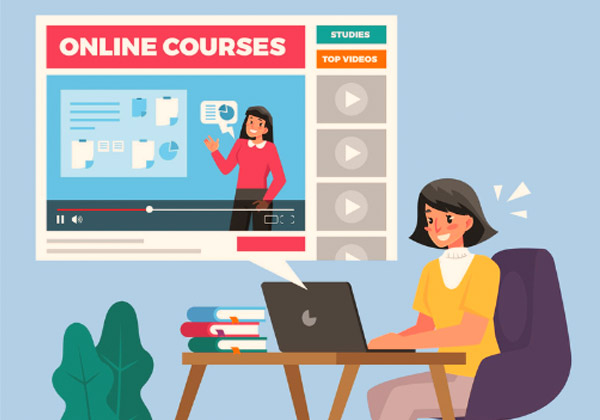

Benefits of Online Coaching: In today’s fast-paced world, balancing work, family, and personal life can be challenging, often leading to increased levels of stress, anxiety, and pressure. Traditional classroom learning, with its rigid schedules and demanding workloads, can add to these burdens.
Online courses offer a flexible and accessible alternative that can significantly alleviate these feelings. They provide a learning environment that adapts to your personal needs, allowing you to study at your own pace and on your own schedule. These courses help to reduce the stress associated with educational structures and it makes these studies enjoyable and helps in learning experience.
This article gives details on online courses, how online courses can help reduce stress, anxiety, and pressure, leading to a more balanced and fulfilling life.
Impacts of Traditional Coaching on People’s Mental Health
Traditional coaching has been a common way for people to learn new skills, prepare for exams, and improve their performance in various fields. While it has many benefits, it can also have significant impacts on mental health. Here are some of the ways traditional coaching can affect people’s mental well-being.
High Pressure and Stress
Traditional coaching programs are designed to push students hard to reach their goals. These programs often come with very strict schedules, where students must follow a set routine and complete a lot of work in a short amount of time.
This intense focus on performance means students are constantly striving to do their best. The pressure to achieve high scores or meet specific targets can be immense. Students might feel like they need to be perfect and that anything less than top results is a failure.
On top of this, many students have other responsibilities, like attending school or working part-time jobs. Balancing these duties with the demands of a coaching program can be exhausting. When students try to meet the expectations from both their coaching program and their other commitments, it can feel like there’s no time to relax or take a break.
Anxiety
In many traditional coaching centers, the competitive atmosphere can create a lot of anxiety for students. When everyone around them is pushing hard to succeed, students might start to worry about whether they are keeping up with their peers. They might feel pressure to impress their coaches or to live up to their own high expectations.
This anxiety isn’t just about feeling nervous; it can deeply impact their mental health. It can make it difficult for students to concentrate on their studies and learn effectively. When anxiety takes over, it can be hard to stay focused, retain information, and perform well in exams. The constant worry and stress can also affect their mood and overall well-being, making it even harder to cope with the demands of their coaching program.
Lack of Personal Time
Regular coaching sessions often require a significant amount of time, which can eat into the hours available for relaxation or personal interests. When students are constantly busy with coaching, they might find themselves with little to no time for hobbies or just taking a break.
This lack of personal time can lead to burnout and exhaustion. Without the chance to unwind or do things they enjoy, students may start to feel mentally and physically drained. The constant grind without breaks can negatively affect their mental health, making it harder for them to stay motivated and happy. Having time to relax and pursue personal interests is important for maintaining balance and overall well-being.
Fear of Failure
In traditional coaching programs, there is usually a strong emphasis on success and achieving high results. This focus can create a fear of failure among students.
When students feel that not meeting these high expectations could lead to disappointing themselves or others, it can trigger significant anxiety. This fear of failing can erode their self-esteem and make them doubt their own abilities. As a result, students might feel inadequate or less confident in their abilities. This lack of confidence can further increase their anxiety, making it even harder for them to perform well and stay positive.
Performance Pressure
Coaches in traditional programs often set very high expectations for their students. This can create a lot of pressure, as students feel they need to constantly meet these standards. The relentless push to perform well can be draining and may contribute to mental health problems.
When students are always focused on meeting someone else’s expectations, it can become difficult to stay motivated and positive. The pressure to keep up with these standards can lead to exhaustion and make it hard for students to find joy in their studies or feel satisfied with their efforts.
Limited Flexibility
Traditional coaching programs often follow a strict schedule, which can be challenging for students who have other commitments, like school, work, or family responsibilities. This lack of flexibility can increase stress because students might have trouble fitting all their coaching sessions into their busy lives.
When students have to stick to a rigid schedule, it can make learning feel more like a chore than something enjoyable. The constant pressure to attend all sessions and meet deadlines can add to their stress and make the overall experience less pleasant.
Rise of Online Courses in Today’s World
Online courses have become a big deal in recent years. They’re everywhere now, and people are really talking to them. This shift is changing how we learn and why more folks are choosing online education.
The growth of online courses started with advances in technology. As the internet became more accessible, educational platforms sprang up, offering people the chance to learn from home. This has made it easier for people to take courses without having to go to a physical classroom. The variety of online courses available is also impressive. You can find courses on almost anything, from art to technology. This wide range of subjects attracts people who want to learn new skills or explore different interests.
Overall, the rise of online courses is a reflection of our changing world. As technology continues to advance and lifestyles become more hectic, online learning offers a flexible and accessible way for people to keep learning.
How Online Courses Can Help Reduce Stress, Anxiety and Pressure?
Online courses are becoming more popular because they offer many benefits, especially when it comes to reducing stress, anxiety, and pressure. Here are seven ways online courses can make a difference:
Learn at Your Own Pace
Online courses offer the advantage of learning at your own pace. You can go through the material as quickly or slowly as you need. If you need extra time to grasp a concept, you can take it without feeling rushed.
This flexibility allows you to learn more comfortably, as you’re not pressured to keep up with a fixed schedule. It can help reduce stress and make the learning experience more enjoyable and effective.
Study When It’s Convenient for You
With online courses, you can decide when and where you want to study. Whether it’s early in the morning, late at night, or during a break, you can fit learning into your own schedule.
This flexibility means you don’t have to deal with the pressure of attending classes at specific times. It allows you to study when it’s most convenient for you, making it easier to balance your studies with other responsibilities.
Avoid Commute Stress
Traditional classes can be a hassle because they often require commuting, which means dealing with traffic, public transportation, or parking. This can be stressful and take up a lot of your time. With online courses, you don’t have to worry about any of these commuting issues. You can attend classes, watch lectures, and complete assignments right from your home. This not only saves you time but also cuts out the stress associated with getting to and from class.
Without the need to travel, you can use that extra time for other activities or simply to relax. This added convenience can make studying more enjoyable and less of a burden, allowing you to focus better on your learning.
Create a Comfortable Learning Environment
With online courses, you have the freedom to create your own learning environment. Whether you prefer a quiet room, a cozy corner, or a well-lit space, you can set up your study area to suit your needs and preferences. Having a space that you’ve tailored to your comfort can help reduce anxiety and make studying more enjoyable. When you can control your surroundings, you can create a more relaxed and focused atmosphere, which can improve your concentration and overall learning experience.
Access a Variety of Learning Resources
Online courses provide access to a wide range of learning resources, such as videos, articles, quizzes, and interactive tools. This variety allows you to choose the methods that work best for you and adapt your study approach as needed. If you find that one method isn’t working well for you, you can easily switch to another. This flexibility helps make studying less stressful and more effective, as you can find the resources and techniques that match your learning style and needs.
Less Pressure from Peers
In traditional classrooms, students often feel the pressure of competing with their peers, which can lead to stress and anxiety. This constant comparison can be overwhelming, as it adds an extra layer of pressure to perform better than others. Online courses typically offer a more solitary learning experience. Since there are fewer direct interactions with classmates, you can study without worrying about how you measure up against others. This reduction in social pressure allows you to focus entirely on your own learning goals and needs. Without the distraction of peer competition, you can set your own pace, explore topics that interest you, and address areas where you need more help without feeling judged. This more individualized approach can make learning less stressful and more enjoyable, helping you stay motivated and engaged with the material.
Balance with Other Responsibilities
Online courses offer the flexibility to fit learning around other aspects of your life, such as work or family commitments. This means you can create a study schedule that works for you, making it easier to balance your educational goals with your personal responsibilities. Being able to manage your time more effectively helps reduce the feeling of being overwhelmed. Instead of trying to juggle fixed class times with your other duties, you can integrate your coursework into your daily routine at times that are most convenient for you. This balance not only makes studying more manageable but also helps to lower overall stress by allowing you to handle multiple responsibilities without feeling stretched too thin.
Benefits of Online Learning – FAQs
Q1. How to manage stress when you are learning online?
To manage stress while learning online, try these tips:
Create a Routine: Set a regular schedule for your study times to stay organized.
Take Breaks: Avoid long study sessions. Short breaks can help you stay refreshed.
Stay Active: Regular exercise can help reduce stress and improve focus.
Stay Connected: Engage with classmates or instructors through forums or chat rooms to stay connected.
Organize Your Space: Create a tidy, comfortable study area that minimizes distractions.
Q2. How can I reduce stress and anxiety while I am studying online?
Here are some ways to reduce stress and anxiety during online study:
Set Realistic Goals: Break your study goals into smaller, manageable tasks.
Practice Mindfulness: Techniques like deep breathing or meditation can help calm your mind.
Seek Help: Reach out to instructors or peers if you’re struggling with course material.
Balance Your Life: Make sure to balance your study time with other activities you enjoy.
Stay Positive: Focus on your progress and achievements, no matter how small.
Q3. How to handle stress, anxiety and pressure?
Handling stress, anxiety, and pressure involves a few key strategies:
Identify Triggers: Understand what causes your stress and work on addressing those factors.
Develop Coping Strategies: Use relaxation techniques like yoga or journaling to manage stress.
Set Boundaries: Make sure to separate work or study time from personal time to avoid burnout.
Seek Support: Talk to friends, family, or a counselor if you need additional support.
Prioritize Self-Care: Ensure you get enough sleep, eat well, and engage in activities that make you happy.
Q4. Is online learning stressful?
Online learning can be stressful, but it depends on your approach and circumstances. Factors like tight deadlines, technical issues, or balancing studies with other responsibilities can contribute to stress.
Q5. What are the benefits of online courses?
Online courses offer several benefits, including:
Flexibility: Learn at your own pace and on your own schedule.
Convenience: Study from anywhere, eliminating the need for commuting.
Variety: Access to a wide range of subjects and courses.
Cost-Effective: Often more affordable than traditional classroom courses.
Personalized Learning: Choose learning methods that work best for you.