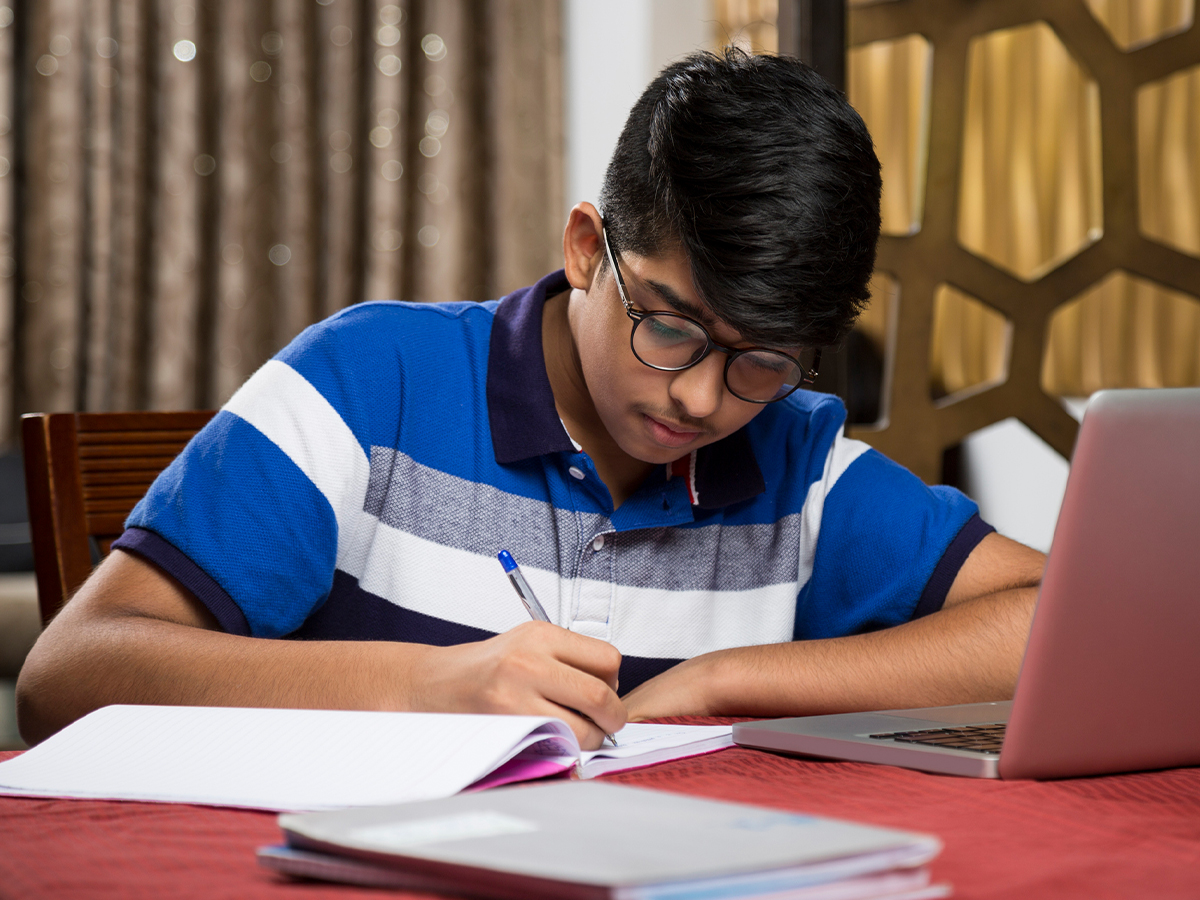

Facing CBSE board exams often feels like entering a battlefield unprepared. Throughout our academic journey, from early school days to college, we encounter numerous exams that test our knowledge and skills. While these exams are undeniably significant, the key to excelling lies in overcoming the fear associated with them and improving our preparation strategies.
Why Do Students Fear CBSE Class 10 & 12 Board Exams?
Fear of board exams is not uncommon. Many students experience extreme stress before facing crucial tests. This phenomenon, termed examophobia, affects students on various levels—psychologically, emotionally, physically, and socially. Below are some common reasons behind this fear:
- Incomplete Preparation: Procrastination leads many students to cram their syllabus the night before exams, resulting in half-baked preparation that increases anxiety.
- Low Self-Confidence: Fear of failure and pressure to perform can cause students to doubt their abilities, forget key concepts, and lose focus during the exam.
- Fight or Flight Response: Stress triggers adrenaline, which can help in short bursts but may become overwhelming, making it hard to focus or perform well.
If left unchecked, this fear can lead to both physical and mental health challenges, such as anxiety and low morale. A competitive academic environment and poor study habits further contribute to this stress.
The Importance of Managing CBSE Exam Fear
A small amount of stress can actually enhance performance by boosting alertness and focus, as per the Yerkes-Dodson Law. However, excessive stress can turn into test anxiety, preventing students from concentrating and negatively impacting their performance. Test anxiety, a form of performance anxiety, is not limited to academics it can appear in various scenarios, such as sports, business presentations, or public speaking.
Five Practical Tips to Overcome CBSE Exam Fear
Here are actionable strategies to reduce stress and improve exam performance:
- Avoid Negative Self-Talk: Replace thoughts like “I’ll fail” with affirmations like “I’ve prepared well and can do this.” Positive self-talk can significantly boost confidence.
- Follow a Healthy Routine: Prioritize sleep, eat nutritious meals, and incorporate meditation or breathing exercises into your day to improve focus and recall.
- Be Prepared: Start studying early and create a revision schedule. Use tools like sticky notes and colorful markers to organize and highlight important concepts.
- Set Realistic Goals: Don’t compare yourself to others or aim for unattainable perfection. Focus on giving your best effort and celebrate small milestones.
- Learn to Prioritize: Create a timetable to balance revision, practice tests, and learning new topics. Leave room for feedback and reflection by discussing doubts with teachers or peers.
Teachers’ Tips to Tackle Exam Stress
Teachers and mentors often emphasize the importance of time management and smart study techniques. Here are their key recommendations:
- Revise lessons daily.
- Avoid last-minute cramming and focus on understanding concepts.
- Stick to a study plan and minimize distractions.
- Maintain a healthy diet and sleep schedule.
- Seek help when in doubt and believe in your abilities.
Quick Advice for CBSE Exam Day
- Start your day early with a light yet filling breakfast.
- Double-check your admit card and exam materials.
- Reach the exam center on time to avoid unnecessary panic.
- Stay away from last-minute discussions with peers that might cause anxiety.
- Take deep breaths to calm your nerves during the exam.
The Science Behind CBSE Exam Fear
Exam fear is rooted in how our brain perceives challenges. While moderate stress improves focus and efficiency, excess stress activates the fight-or-flight response, which can hinder performance. To mitigate this, students should aim for balanced preparation and stress management techniques.
Exams are a part of life and offer an opportunity to learn and grow. By understanding the reasons behind exam stress and adopting practical strategies to combat it, students can improve their performance while maintaining their well-being. Remember, the goal is to strive for progress, not perfection. With preparation, positivity, and proper planning, success is within reach!
Frequently Asked Questions
1. How should I improve my focus while studying?
Follow the tips listed below to increase your concentration while looking-
1. Create an environment conducive to studying and learning. Have a separate studying desk or area in your room that also has good lighting.
2. Be clear about your learning goals. Before studying, list down the goals you want to achieve in the next hour. This will prevent you from getting distracted.
3. Have a definite study schedule or timetable.
4. Keep all distractions like- your mobile phone, games, and storybooks away.
2. How should I prepare well for any exam to reduce my anxiety?
You can adopt several techniques and practical methods to avoid trouble during the exam.
1. Study regularly and have a schedule to follow.
2. Indulge in physical exercises like running, basketball, etc., to help maintain a balance of mental, physical, and psychological health.
3. Have a healthy diet.
4. Make use of mnemonics. For example, you can use the mnemonic- My very excited mother just served us nine pies.” to learn the order of planets in the solar system.
3. How to improve my self-esteem before my exam?
You can help increase your self-confidence and esteem by following these tips-
1. Do not cram before an exam.
2. Always practice writing what you learn.
3. Keep a positive approach.
4. Talk to your parents and discuss important details from the chapters to help you learn.
4: How can I manage my time effectively while preparing for the CBSE Board exams?
Effective time management starts with creating a realistic and well-structured timetable. Allocate specific hours for studying, revising, and solving sample papers. Make sure to prioritize difficult topics and include breaks to recharge your mind. Stick to your schedule and review your progress weekly to stay on track.
5: What should I do if I feel too anxious during my CBSE Board exams?
Exam anxiety is common but manageable. Practice deep breathing exercises before and during the exam to calm your nerves. If you’re feeling stuck on a question, move on to the next one and return to it later. Remind yourself that you have prepared well, and focus on one question at a time to avoid feeling overwhelmed.
6: Is last-minute cramming helpful for CBSE Board exams?
Last-minute cramming often leads to stress and incomplete understanding. Instead, focus on revising key points and reviewing concise notes a day before the exam. Prioritize getting a good night’s sleep, as it improves memory recall and helps you stay focused during the exam.
Recommended Posts:
Are you a CBSE Student? Here’s how to Plan your Academic Year
JEE Main Marks vs Percentile vs Ranks