
In an era characterized by rapid technological advancement and globalization, the ability to communicate seamlessly across vast distances has become an integral part of our daily lives. One of the most remarkable achievements in this field is satellite communication, a technological marvel that has transformed the way we connect, share information, and conduct business on a global scale.
Understanding Satellite Communication: The Basics
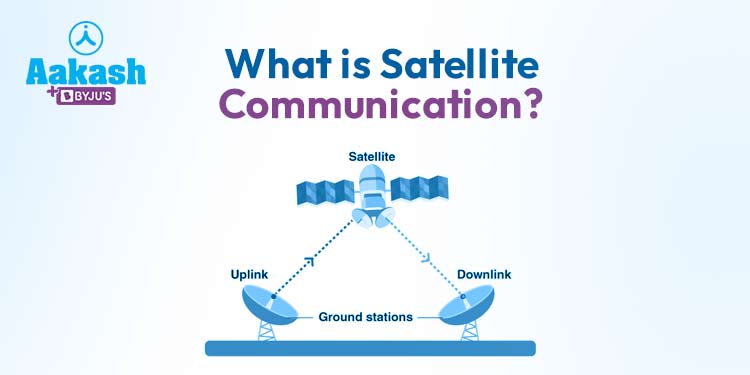
At its core, satellite communication involves the use of artificial satellites orbiting the Earth to relay signals between various points on the planet. These signals can encompass a wide range of communication types, including television broadcasts, internet data, phone calls, weather updates, and navigation systems. The process begins with the transmission of a signal from an Earth-based station, which is then received by a satellite in space. The satellite then retransmits the signal back to the Earth, often to a different location from the point of origin.
Key Components of Satellite Communication:
Satellites: These man-made objects are equipped with communication transponders that receive, amplify, and transmit signals across specific frequency bands. Satellites can be classified into different orbits, including geostationary orbit (GEO), medium Earth orbit (MEO), and low Earth orbit (LEO), each with its own advantages and use cases.
Ground Stations: Ground stations are the terrestrial facilities responsible for transmitting and receiving signals to and from satellites. These stations are equipped with large antennas that can establish communication links with multiple satellites orbiting above.
Uplink and Downlink: The transmission of signals from Earth to a satellite is known as the uplink, while the transmission of signals from a satellite back to Earth is known as the downlink. These two components work in harmony to establish a bidirectional communication channel.
Transponders: Transponders are essential components aboard satellites that receive incoming signals, amplify them, and retransmit them to specific locations on Earth. They operate within designated frequency bands, such as C-band, Ku-band, and Ka-band.
Advantages of Satellite Communication:
Global Coverage: Satellites provide coverage to even the most remote and inaccessible areas, where traditional terrestrial communication infrastructure might be challenging to establish.
Reliability: Satellite networks are known for their high reliability, as they are less susceptible to natural disasters and local disruptions that can affect ground-based infrastructure.
Scalability: Satellite communication networks can be expanded relatively easily by launching additional satellites, making them scalable to accommodate increasing communication demands.
Broadcasting: Satellite communication plays a crucial role in television broadcasting, allowing for the distribution of TV channels to vast audiences.
Emergency Communication: During natural disasters or emergencies, satellite communication can quickly establish communication links, aiding in disaster response and relief efforts.
Challenges and Future Developments:
While satellite communication offers numerous benefits, it also faces challenges such as signal latency due to the distance signals travel and the potential for signal interference. Additionally, the growing problem of space debris requires careful satellite deployment and management.
Looking ahead, advancements in satellite technology continue to reshape the landscape of global communication. The emergence of mega-constellations comprising hundreds or even thousands of small satellites in low Earth orbit aims to provide widespread and high-speed internet coverage to underserved regions. Furthermore, innovations in signal processing, beamforming, and satellite propulsion are driving improvements in data transfer rates and overall efficiency.
In conclusion, satellite communication stands as a testament to human ingenuity and our quest to bridge geographical gaps through technological innovation. By connecting people, businesses, and communities across the world, satellite communication has redefined the possibilities of modern communication and paved the way for a more connected future.
Frequently Asked Questions (FAQs) About Satellite Communication
1. What is satellite communication, and how does it work?
Satellite communication involves the use of artificial satellites orbiting the Earth to transmit and receive signals across vast distances. Signals are transmitted from ground stations to satellites (uplink), and then relayed by satellites to different locations on Earth (downlink). This technology enables various forms of communication, including TV broadcasts, internet data, phone calls, and navigation systems.
2. What are the main components of a satellite communication system?
A satellite communication system consists of satellites, ground stations, transponders, and communication links. Satellites are equipped with communication transponders that receive and retransmit signals. Ground stations communicate with satellites through large antennas. Transponders amplify and transmit signals, ensuring efficient data transfer between Earth and space.
3. What are the advantages of satellite communication over traditional communication methods?
Satellite communication offers global coverage, reaching remote and inaccessible areas. It’s reliable, as satellite networks are less susceptible to local disruptions. Scalability is a key advantage, as networks can be expanded easily. Satellite communication plays a vital role in broadcasting, emergency response, and providing communication during disasters.
4. What are the challenges associated with satellite communication?
Satellite communication faces challenges such as signal latency due to the distance signals travel. Interference can also affect signal quality. Additionally, the growing issue of space debris poses a risk to satellite deployment and operation. These challenges necessitate ongoing technological advancements and responsible satellite management.
5. How is satellite communication evolving for the future?
The future of satellite communication includes advancements like mega-constellations of small satellites in low Earth orbit, aiming to provide widespread high-speed internet coverage. Innovations in signal processing, beamforming, and propulsion are improving data transfer rates and overall efficiency. As technology continues to develop, satellite communication will likely play an even greater role in connecting the world.