
When we think of energy, the image of a bustling city, a humming power plant, or a roaring waterfall might come to mind. However, there’s a quieter, more subtle form of energy that plays a fundamental role in our universe – potential energy. This often-overlooked concept is a cornerstone of physics and has a profound impact on our everyday lives, even though we might not always recognize its presence.
Defining Potential Energy
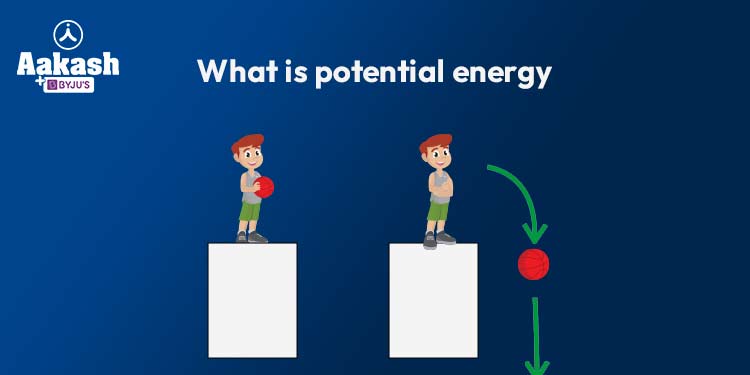
Potential energy is a form of mechanical energy that an object possesses due to its position or state. It is the energy that an object has the potential to convert into other forms of energy, such as kinetic energy or thermal energy, depending on its circumstances. In essence, potential energy represents stored energy, waiting to be released when the right conditions are met.
The Gravitational Connection
One of the most common and easily understandable examples of potential energy is gravitational potential energy. This type of potential energy is associated with an object’s position in a gravitational field. The higher an object is positioned above a reference point (often the Earth’s surface), the more potential energy it possesses. Think of a boulder perched at the edge of a cliff – it has the potential to gain kinetic energy and transform into a rolling force as it descends.
The mathematical expression for gravitational potential energy is:
Potential Energy (PE) = m * g * h
Where:
PE is the potential energy
m is the mass of the object
g is the acceleration due to gravity
h is the height above the reference point
More Types of Potential Energy
Gravitational potential energy is just one type of potential energy. Other forms include:
Elastic Potential Energy: This type of potential energy is stored in objects that can be compressed or stretched, such as a spring or a rubber band. When you stretch a rubber band, for instance, you’re storing potential energy within it. This energy can be released when the object returns to its original shape.
Chemical Potential Energy: Found in the bonds between atoms and molecules, chemical potential energy is crucial for chemical reactions. It’s what makes fuels burn and plants photosynthesize – energy stored in the arrangement of particles that can be released through reactions.
Electric Potential Energy: Electric charges possess electric potential energy due to their positions in an electric field. It’s this energy that powers our devices when we plug them into an electrical outlet.
Converting Potential Energy
The conversion of potential energy into other forms of energy is a fundamental principle of physics. When an object’s potential energy is released, it often transforms into kinetic energy, which is the energy of motion. For example, when a roller coaster car is released from the top of a hill, its potential energy is converted into kinetic energy as it speeds down the track.
Real-World Applications
Understanding potential energy has far-reaching implications in various fields:
Renewable Energy: The concept of potential energy is essential in harnessing renewable energy sources like hydropower and wind energy. Dams store water at a higher elevation, creating potential energy that is converted into kinetic energy as the water flows downhill, turning turbines and generating electricity.
Building Design: Architects and engineers use knowledge of potential energy to design structures that are stable and can withstand external forces. This is crucial in ensuring the safety of buildings, bridges, and other infrastructure.
Conclusion
Potential energy is a captivating aspect of the natural world that surrounds us. It’s a reminder that even in seemingly stationary objects, a hidden reservoir of energy is waiting to be unlocked. From the towering heights of a mountain to the coiled tension of a spring, potential energy is a key player in the intricate dance of the universe, shaping everything from the tiniest atom to the grandest celestial bodies.
Frequently Asked Questions (FAQs) About Potential Energy
What is potential energy, and how is it different from kinetic energy?
Potential energy is a form of stored energy that an object possesses due to its position or state. It is potential to do work or transform into other forms of energy. Kinetic energy, on the other hand, is the energy of motion an object possesses due to its velocity. Potential energy is "potential" to become kinetic energy when the object's position changes.
What are the different types of potential energy?
There are several types of potential energy, including:
Gravitational Potential Energy: Associated with an object's height in a gravitational field.
Elastic Potential Energy: Stored in objects that can be compressed or stretched, like springs.
Chemical Potential Energy: Stored in chemical bonds and released during reactions.
Electric Potential Energy: Linked to the position of electric charges in an electric field.
How is gravitational potential energy calculated?
Gravitational potential energy (PE) is calculated using the formula: PE = m * g * h.
m: Mass of the object.
g: Acceleration due to gravity.
h: Height above a reference point (often the Earth's surface).
What is an example of potential energy being converted into kinetic energy?
A classic example is a pendulum. When a pendulum is pulled to one side and released, it gains potential energy as it rises. As it swings back down, this potential energy is converted into kinetic energy, reaching its maximum speed at the lowest point of the swing.
How is potential energy applied in everyday life and technology?
Potential energy has numerous practical applications:
Renewable Energy: Hydropower plants use the potential energy of elevated water to generate electricity as it flows downhill.
Building Stability: Architects and engineers consider potential energy when designing structures to ensure stability and resistance to external forces.
Battery Storage: Chemical potential energy is harnessed in batteries to store and release electrical energy for various devices.
Remember, potential energy is a fundamental concept that helps us understand the underlying mechanisms of our world, from the way objects behave to the energy sources that power our lives.