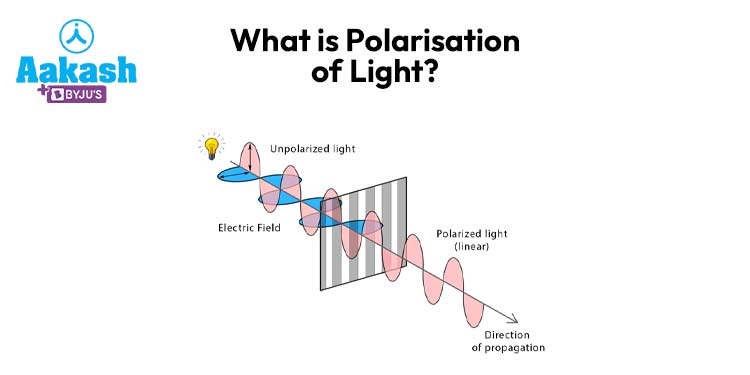

Light is not just a form of radiant energy; it is a complex phenomenon composed of waves that possess various properties. One such property is polarization, which refers to the orientation of the oscillations of light waves as they propagate through space. This characteristic plays a pivotal role in understanding how light interacts with matter, technological advancements, and natural phenomena.
Understanding Polarization: A Wave’s Unseen Orientation
To grasp the concept of polarization, it’s important to first understand the nature of light as an electromagnetic wave. Imagine light waves as undulating ropes, where the peaks and troughs represent the crests and troughs of the wave. Polarization is all about the direction in which these undulations occur.
When light is unpolarized, its waves oscillate in all possible directions perpendicular to the direction of propagation. However, when light becomes polarized, its waves are confined to a specific orientation. This can be visualized as ropes being stretched and held in a certain direction, causing the waves to move only along that axis.
Methods of Polarization: Filtering the Dance of Light
Polarization can occur through various mechanisms, each revealing intriguing insights into the behavior of light waves. Some common methods include:
Transmission Polarization: Certain materials selectively absorb light waves oscillating in specific directions, allowing only waves with a certain polarization to pass through. Polaroid sunglasses utilize this principle, allowing vertically polarized light (such as glare from water surfaces) to be absorbed, while horizontally polarized light (desired vision) is transmitted.
Reflection Polarization: When light is reflected at a specific angle from a non-metallic surface, the reflected light becomes partially polarized. This phenomenon, known as Brewster’s angle, is used in anti-glare coatings on camera lenses and windows.
Scattering Polarization: The scattering of light by particles or molecules can also lead to polarization. The blue color of the sky and the shimmering quality of some materials are the result of scattering polarization.
Double Refraction (Birefringence): In some crystals, like calcite, light waves split into two perpendicular components upon entering due to their varying velocities. This creates a birefringent effect, leading to polarized light emerging from the crystal.
Applications of Polarized Light: Unveiling Hidden Realities
Polarized light has found diverse applications across multiple fields:
Photography and Cinematography: Photographers use polarizing filters to enhance contrast, reduce reflections, and reveal details that might be otherwise hidden, such as underwater scenes.
3D Technology: Many 3D movies and displays rely on polarized light to create a stereoscopic effect, where different images are sent to each eye, giving a sense of depth.
Material Analysis: Polarized light microscopy is employed to analyze the optical properties of various materials, including minerals, biological specimens, and liquid crystals.
Communication: Optical communication systems often utilize polarization to increase data transmission rates and reduce interference.
The Natural Play of Polarized Light
Polarization is not just a human-engineered phenomenon; it’s a natural occurrence with fascinating implications:
Animal Vision: Some animals, like bees and cuttlefish, are sensitive to polarized light and use it for navigation, hunting, and communication.
Rainbows: Raindrops can polarize sunlight, contributing to the appearance of polarized rainbows.
Glare Reduction: The polarization of light can help reduce glare from various surfaces, enhancing visibility and safety.
In the intricate world of light, polarization adds a layer of complexity and beauty, revealing hidden facets and enabling technological marvels. Whether in our daily lives or in the realms of scientific exploration, the directional dance of polarized light continues to captivate our imagination and shape the way we perceive and interact with the world around us.
FAQs About Polarization of Light
1. What is the polarization of light?
Polarization of light refers to the orientation of the oscillations of light waves as they propagate through space. It involves restricting the direction in which the waves oscillate, resulting in waves that move along a specific axis rather than in all possible directions.
2. How does polarization occur?
Polarization can occur through various mechanisms. One common method is transmission polarization, where certain materials selectively absorb light waves oscillating in specific directions. Another method is reflection polarization, which happens when light is reflected at a particular angle from non-metallic surfaces. Scattering polarization occurs when light is scattered by particles or molecules, leading to polarization. Additionally, some crystals exhibit double refraction, splitting light waves into two perpendicular components upon entering.
3. What are some applications of polarized light?
Polarized light finds applications in diverse fields. In photography and cinematography, polarizing filters enhance contrast and reduce reflections. It’s also essential in 3D technology, where it helps create stereoscopic effects. Polarized light microscopy is used for material analysis, and in optical communication, polarization increases data transmission rates. Polarized sunglasses reduce glare and enhance visibility.
4. How is polarized light relevant in nature?
Polarized light is not just a man-made phenomenon; it occurs naturally and has several implications. Some animals, like bees and cuttlefish, can sense and use polarized light for navigation and communication. Polarization of sunlight by raindrops contributes to the appearance of polarized rainbows. Additionally, polarized light aids in reducing glare from various surfaces, making it an essential factor in various natural scenarios.
5. How is polarization connected to everyday life?
Polarization influences how we see and interact with the world. It affects the glare we experience from water surfaces, glass windows, and roads. Polarization is used in modern technology, such as in 3D movies and displays, which rely on polarized light to create depth perception. Moreover, polarized sunglasses enhance visual comfort by filtering out unwanted glare and reflections, making outdoor activities more enjoyable.