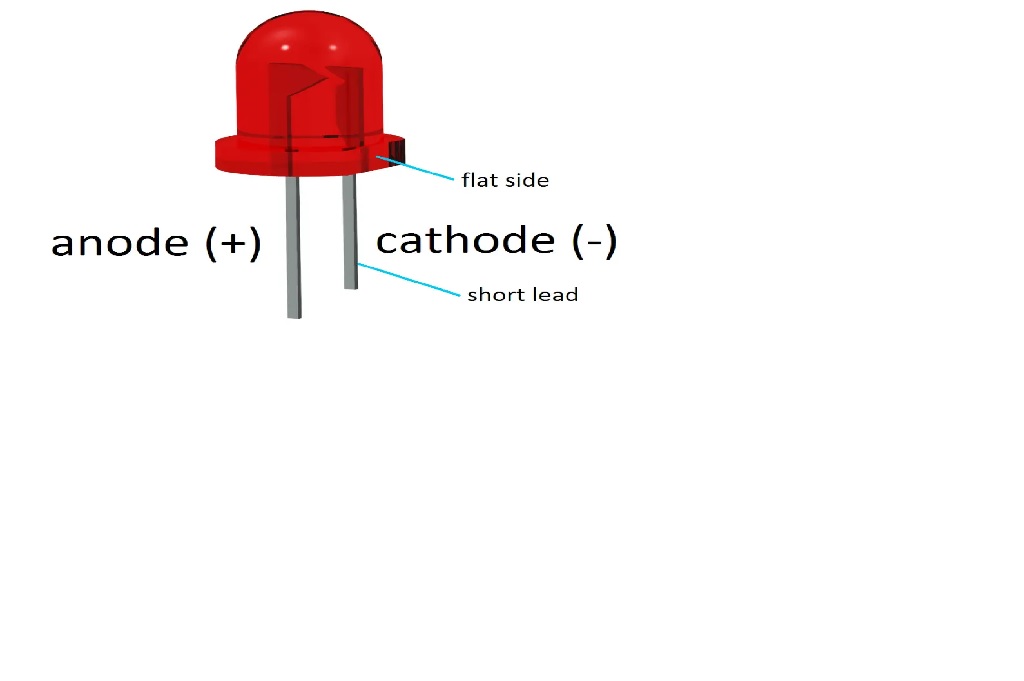

In the realm of lighting technology, few advancements have had as significant an impact as Light Emitting Diodes (LEDs). From lighting up our homes to revolutionizing the way we perceive outdoor displays, LEDs have transformed the way we illuminate our world. In this blog post, we will delve into the fascinating world of LEDs, exploring what they are, how they work, and the myriad of benefits they offer.
What is LED?
LED, short for Light Emitting Diode, is a semiconductor device that emits light when an electric current passes through it. Unlike traditional incandescent or fluorescent lights, which rely on heating a filament or using gas discharge, LEDs generate light through a process called electroluminescence. This process involves the movement of electrons in a semiconductor material, resulting in the emission of photons.
How do LEDs work?
At the heart of an LED is a semiconductor material, usually made of compounds such as gallium nitride (GaN) or gallium arsenide (GaAs). The specific composition of the semiconductor determines the color of light produced. When a voltage is applied across the LED, electrons are excited within the material and move from a higher energy state to a lower energy state. As they transition, they release energy in the form of light.
The Benefits of LEDs:
Energy Efficiency: LEDs are incredibly energy-efficient compared to traditional lighting options. They consume much less electricity, which not only helps reduce energy bills but also lessens the strain on power grids and reduces greenhouse gas emissions.
Longevity: LEDs have an impressive lifespan, often lasting tens of thousands of hours before requiring replacement. This longevity is a result of their solid-state construction and lack of filament or gas, making them highly durable and resistant to shock or vibration.
Eco-Friendly: LED lights are environmentally friendly due to their low energy consumption and lack of harmful materials like mercury, which is found in fluorescent lights. LED technology contributes to sustainable lighting solutions by reducing carbon footprints and minimizing waste generation.
Versatility: LEDs are available in a wide range of sizes, shapes, and colors, making them highly versatile. They can be used for various applications, from decorative lighting to automotive lighting, signage, and even large-scale outdoor displays.
Instantaneous Lighting: Unlike some traditional lighting options that require warm-up time, LEDs provide instant illumination. They turn on and reach full brightness immediately, making them ideal for applications where immediate lighting is essential, such as in traffic lights or emergency signs.
Design Flexibility: LED technology allows for precise control over light intensity, direction, and color. This level of control opens up creative possibilities for lighting design, enabling the creation of dynamic and visually appealing lighting effects.
Safety: LEDs generate very little heat compared to traditional lights, reducing the risk of burns or fire hazards. Additionally, LEDs do not emit ultraviolet (UV) or infrared (IR) radiation, making them safer for both humans and sensitive materials.
Conclusion:
LEDs have revolutionized the lighting industry with their remarkable energy efficiency, long lifespan, and versatility. As we embrace sustainable practices and strive to reduce our carbon footprint, LEDs play a vital role in achieving energy-efficient lighting solutions. Their widespread adoption across various sectors, from residential and commercial spaces to outdoor displays and automotive lighting, has brought us into an era of innovative and environmentally friendly illumination. The future shines brightly with LEDs, illuminating our world with efficiency, longevity, and boundless possibilities.
FAQs
LED lights may have a higher upfront cost compared to traditional lighting options like incandescent bulbs, but they are significantly more energy-efficient and have a longer lifespan. Over time, the energy savings and reduced replacement frequency of LEDs make them a cost-effective choice. LED lights are available in various shapes, sizes, and configurations, making them suitable for most types of fixtures. Whether it's a standard screw-in bulb, strip lighting, or recessed fixtures, there are LED options designed to fit different applications. However, it's always recommended to check the compatibility of the LED product with the specific fixture before installation. Yes, LEDs can produce a wide range of colors, including warm white, cool white, and various hues across the color spectrum. This versatility is achieved by using different semiconductor materials or adding phosphors to the LED to create the desired color output. LED lights are considered environmentally friendly for several reasons. They consume less energy, resulting in reduced greenhouse gas emissions. Additionally, LEDs do not contain toxic materials like mercury, which is found in fluorescent lights. Their long lifespan also reduces the amount of waste generated. Yes, many LED lights are dimmable. However, not all LED products have this feature, so it's important to check the packaging or specifications to ensure that the LEDs are compatible with dimming switches or systems. Dimmable LED lights often require specific dimmer switches designed for LED compatibility.Are LED lights more expensive than traditional lighting options?
Can LED lights be used in all types of fixtures?
Do LED lights produce different colors of light?
Are LED lights safe for the environment?
Can LED lights be dimmed?