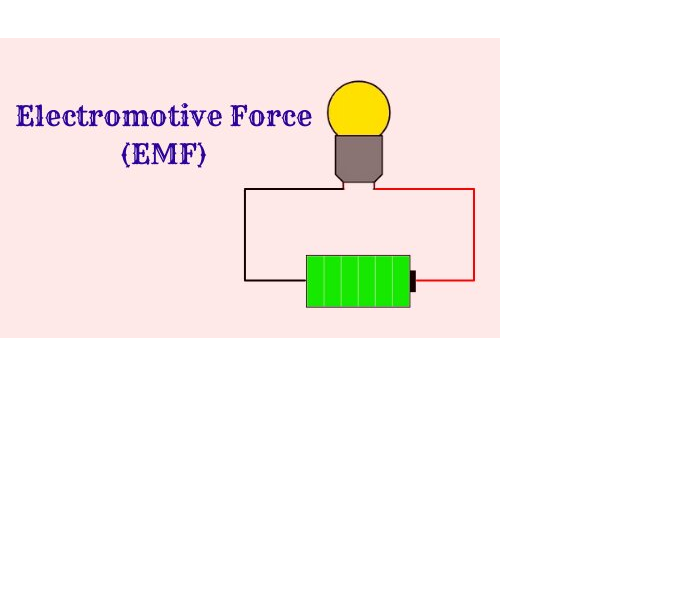

EMF, which stands for electromagnetic fields, refers to the physical phenomenon created by the interaction of electric and magnetic fields. It encompasses a wide range of frequencies, from extremely low-frequency fields (ELF) associated with power lines and household appliances, to radio frequency (RF) fields generated by wireless communication devices such as cell phones and Wi-Fi routers.
Electromagnetic fields are a natural part of our environment and are also generated by human-made sources. They are present everywhere, and we are constantly exposed to them to varying degrees. EMF is emitted by electrical currents flowing through wires, electronic devices, and even the human body.
The electromagnetic spectrum spans a broad range of frequencies and is typically divided into different regions based on the frequency bands. At one end of the spectrum, we have extremely low-frequency fields, which are associated with power generation, transmission lines, and electrical appliances. These fields have long wavelengths and low energy levels.
Moving up the spectrum, we encounter intermediate frequencies used in certain medical devices and industrial applications. Radio waves fall into the lower end of the RF range, encompassing familiar technologies such as radio and television broadcasting. Microwaves, commonly used for cooking and wireless communication, occupy a higher frequency range within the RF spectrum.
At the higher end of the spectrum, we find infrared radiation, visible light, ultraviolet radiation, X-rays, and gamma rays. These higher frequencies have shorter wavelengths and higher energy levels, which can have more profound effects on matter, including biological organisms.
Concerns about EMF arise due to its potential health effects on humans and the environment. However, the scientific community remains divided on the extent of these effects. The World Health Organization (WHO) and various national regulatory bodies have established guidelines to limit exposure to EMF based on current scientific understanding.
Difference between Electromotive Force and Potential Difference
| Electromotive Force | Potential Difference |
| EMF is defined as the work done on a unit charge | Potential difference is defined as the energy which is dissipated as the unit charge pass through the components |
| EMF remains constant | Potential difference is not constant |
| EMF is independent of circuit resistance | The potential difference depends on the resistance between the two points during the measurement |
| Due to EMF, electric, magnetic, and the gravitational field is caused | Due to the potential difference, the only electric field is induced |
| It is represented by E | It is represented by V |
The potential health effects of EMF have been extensively studied, particularly in relation to RF fields emitted by wireless communication devices. Research has focused on areas such as cancer risk, reproductive health, and neurological effects. To date, the evidence regarding the health impact of EMF remains inconclusive, with some studies suggesting possible associations, while others find no significant effects.
It is important to note that the safety limits set by regulatory bodies are designed to provide a considerable margin of protection and are based on the best available scientific evidence. Compliance with these guidelines ensures that exposure levels to EMF remain below the established safety limits.
Individuals concerned about potential EMF exposure can take several measures to reduce their exposure. These include keeping a distance from strong sources of EMF, using hands-free devices or speakerphone options when using cell phones, and limiting the time spent in close proximity to wireless devices.
FAQs
The potential health effects of EMF are still a topic of scientific research and debate. While some studies suggest possible associations between EMF and health issues, such as cancer or neurological effects, the overall scientific consensus remains inconclusive. Regulatory bodies have established safety limits to ensure exposure to EMF remains below potentially harmful levels. EMF is emitted by a variety of sources we encounter in our daily lives. Some common sources include power lines, electrical appliances, computers, cell phones, Wi-Fi routers, and microwave ovens. It is important to note that the intensity of EMF decreases rapidly with distance from the source. Wireless devices, such as cell phones and Wi-Fi routers, emit radio frequency (RF) fields. While there are ongoing studies investigating the potential health effects of RF exposure, current scientific evidence does not establish a clear causal link between RF fields and adverse health effects. However, if you are concerned, you can minimize exposure by using hands-free options and keeping a distance from the devices.Are electromagnetic fields (EMF) harmful to human health?
What are the main sources of EMF in our daily lives?
Should I be concerned about EMF exposure from wireless devices?