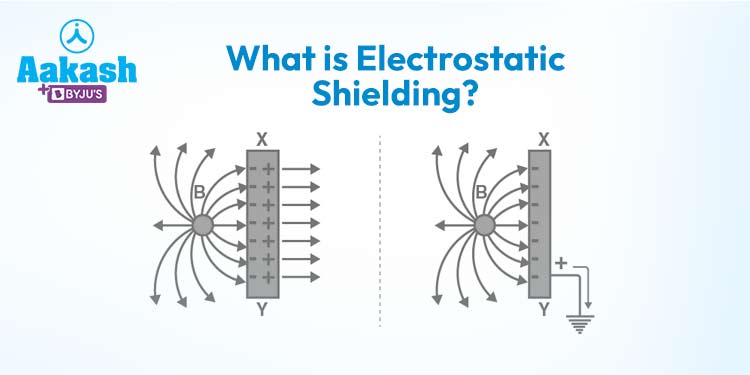

Electrostatic shielding is a fundamental concept in the realm of electrical engineering and physics. It refers to the practice of using conducting materials or structures to mitigate or eliminate the effects of electrostatic fields on sensitive electronic devices, equipment, or systems. These fields arise from the accumulation of electric charges on the surfaces of objects, and they can interfere with the proper functioning of electronic components, leading to signal distortion, data corruption, or even equipment damage. Electrostatic shielding is employed to manage and control these unwanted electric fields.
Here are the key aspects of electrostatic shielding:
Understanding Electrostatic Fields: Electrostatic fields occur when electric charges accumulate on the surface of conductive or non-conductive materials. These fields can induce electric potentials and currents in nearby conductive objects. For example, when two objects with different electric potentials are brought close together, charge transfer can occur, resulting in potential problems for sensitive electronics.
The Faraday Cage Effect: Electrostatic shielding is often achieved through a principle known as the Faraday cage effect. Named after the renowned scientist Michael Faraday, this concept involves the use of a conductive enclosure or structure that surrounds the sensitive equipment or components. When an external electrostatic field interacts with the Faraday cage, the charges redistribute themselves on its surface in such a way that the interior of the cage remains unaffected. This ensures that electric fields do not penetrate the cage and impact the enclosed electronics.
Materials Used for Shielding: Various materials can be employed for electrostatic shielding, with metals being the most common choice due to their high electrical conductivity. Copper, aluminum, and stainless steel are popular materials for constructing Faraday cages or shielding enclosures. These materials efficiently redirect electric charges, preventing them from penetrating the enclosed space.
Applications of Electrostatic Shielding:
Electrostatic shielding is crucial in numerous applications, including:
Electromagnetic Compatibility (EMC): In electronics, especially in radio frequency (RF) and microwave systems, electromagnetic interference (EMI) can degrade the performance of devices. Electrostatic shielding helps reduce EMI by preventing external electric fields from entering sensitive circuits.
Sensitive Electronics: Sensitive electronic devices such as medical equipment, scientific instruments, and aerospace systems often require electrostatic shielding to ensure their proper operation and protection from external interference.
Hazards Mitigation: In certain environments, electrostatic discharges (ESD) can be hazardous, leading to sparks that may cause fires or explosions. Proper shielding can prevent ESD events by redirecting electric charges safely to the ground.
Data Security: In data centers and secure facilities, electrostatic shielding is used to protect against electromagnetic eavesdropping or external interference, which could compromise data security.
In summary, electrostatic shielding is a critical technique used to safeguard electronic devices and systems from the adverse effects of electrostatic fields and external interference. Employing conductive materials in the form of enclosures or shields helps maintain the integrity and reliability of sensitive electronics in a wide range of applications.
FAQs:
1. What is the primary purpose of electrostatic shielding?
Electrostatic shielding is primarily used to protect sensitive electronic devices and systems from the effects of external electrostatic fields. It helps ensure the proper functioning of electronics by preventing interference and potential damage caused by electric charges accumulating on surfaces.
2. How does a Faraday cage work in electrostatic shielding?
A Faraday cage is a conductive enclosure that works by redistributing electric charges on its surface in response to an external electrostatic field. This redistribution neutralizes the field within the cage, effectively blocking electric field lines from entering and affecting the interior.
3. What materials are commonly used for electrostatic shielding?
Metals with high electrical conductivity, such as copper, aluminum, and stainless steel, are frequently used for electrostatic shielding. These materials efficiently redirect electric charges, making them suitable for constructing Faraday cages and shielding enclosures.
4. Where is electrostatic shielding commonly applied in everyday life?
Electrostatic shielding is applied in various areas, including electronics manufacturing, medical equipment, aerospace technology, data centers, and secure facilities. It’s used to protect sensitive equipment, prevent electromagnetic interference (EMI), and ensure data security, among other purposes.
5. Is electrostatic shielding the same as electromagnetic shielding?
No, electrostatic shielding and electromagnetic shielding are related concepts but differ in scope. Electrostatic shielding specifically deals with the control and management of electrostatic fields and charges, while electromagnetic shielding encompasses a broader range of techniques aimed at blocking or redirecting electromagnetic radiation, including radio waves and microwaves, in addition to electrostatic fields.