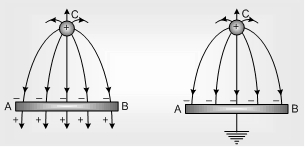

In the realm of electrical engineering and physics, electrostatic shielding plays a vital role in managing unwanted electric fields. From sensitive electronic devices to high-voltage systems, electrostatic shielding acts as a protective barrier against the interference caused by electrostatic charges. In this blog post, we will delve into the concept of electrostatic shielding, its significance, and how it is achieved.
Electrostatic Shielding: What Does it Mean?
Electrostatic shielding, also known as Faraday shielding, is a technique used to block or redirect electric fields through the use of conductive materials. When an object carries an electric charge, it generates an electric field around it. This field can cause interference or disturbances in nearby objects or electrical systems. Electrostatic shielding aims to confine or neutralize these electric fields, preventing their influence on sensitive equipment or components.
The Faraday Cage: The Shielding Mechanism
The cornerstone of electrostatic shielding is the Faraday cage, named after the renowned scientist Michael Faraday. A Faraday cage is an enclosure or structure made of conductive material, typically copper or aluminum, that acts as an electrostatic shield. The cage works by redistributing or absorbing external electric fields, preventing them from penetrating the enclosure.
The conductive material used in a Faraday cage allows the charges to redistribute or move freely within its surface. When an external electric field encounters the cage, the charges in the conductive material rearrange themselves to counteract the influence of the field. This redistribution of charges neutralizes the electric field inside the cage, effectively blocking or minimizing its effects on the enclosed space.
Applications and Benefits of Electrostatic Shielding
Electronics and Communication Systems:
Electrostatic shielding is crucial in electronic devices, such as computers, smartphones, and medical equipment, where interference from external electric fields can disrupt their operation. By incorporating electrostatic shielding techniques, manufacturers can ensure the integrity and reliability of these devices.
High-Voltage Systems:
High-voltage power transmission lines and electrical substations are prone to electromagnetic interference caused by electric fields. Electrostatic shielding is employed to prevent this interference and maintain the stability of the power grid.
Sensitive Scientific Instruments:
Many scientific instruments, such as electron microscopes, particle accelerators, and sensitive detectors, require a controlled environment free from external electric fields. Electrostatic shielding provides a shielded enclosure, minimizing interference and preserving the accuracy and precision of measurements.
Electromagnetic Compatibility (EMC):
Electrostatic shielding plays a significant role in ensuring electromagnetic compatibility. By containing or redirecting electric fields, electrostatic shielding reduces electromagnetic interference (EMI) and improves the overall performance of electronic systems.
Personal Safety:
In environments where electrostatic charges can accumulate, such as laboratories working with flammable substances or explosive gases, electrostatic shielding can prevent electrostatic discharge (ESD) incidents, protecting both personnel and sensitive equipment.
Electrostatic shielding, through the use of Faraday cages or conductive enclosures, is a powerful technique employed to confine, redirect, or neutralize electric fields. From safeguarding sensitive electronic devices to maintaining the accuracy of scientific instruments, electrostatic shielding plays a crucial role in ensuring the reliable and efficient operation of various systems. By implementing effective electrostatic shielding measures, we can protect against unwanted charges, minimize interference, and preserve the integrity of electrical systems in a wide range of applications.
FAQs
What is electrostatic shielding?
Electrostatic shielding is a technique used to block or redirect electric fields through the use of conductive materials. It is employed to protect sensitive equipment or components from the interference caused by electrostatic charges.
How does electrostatic shielding work?
Electrostatic shielding works by using conductive materials, typically copper or aluminum, to create a barrier or enclosure called a Faraday cage. When an external electric field encounters the cage, the charges in the conductive material redistribute themselves to counteract the influence of the field, neutralizing the electric field inside the enclosure.
What are the benefits of electrostatic shielding?
The benefits of electrostatic shielding include:
Protection of sensitive electronic devices from external electric fields.
Prevention of electromagnetic interference (EMI) in electronic systems.
Maintenance of the accuracy and reliability of scientific instruments.
Ensuring electromagnetic compatibility (EMC) in various systems.
Prevention of electrostatic discharge (ESD) incidents in hazardous environments.
Can electrostatic shielding completely eliminate electric fields?
Electrostatic shielding can significantly reduce the influence of electric fields, but it may not completely eliminate them. The effectiveness of shielding depends on factors such as the design of the Faraday cage, the conductivity of the shielding material, and the intensity of the electric field.
How can I implement electrostatic shielding in my project or application?
Implementing electrostatic shielding depends on the specific requirements and design of your project or application. It is recommended to consult with experts in the field of electrical engineering or seek guidance from professionals familiar with electrostatic shielding techniques to ensure the appropriate implementation for your specific needs.