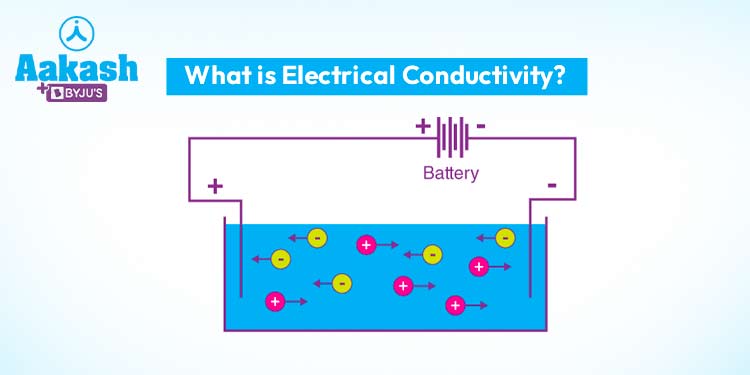

Electricity, the invisible force that powers modern life, flows through conductive materials with remarkable ease, enabling the operation of countless devices and systems we rely on daily. At the heart of this phenomenon lies the concept of electrical conductivity, a fundamental property that governs how effectively a material can transmit electric current.
Defining Electrical Conductivity:
Electrical conductivity, often referred to simply as conductivity, is a measure of a material’s ability to conduct electric current. It quantifies how easily electric charges, typically electrons, can move through a substance when subjected to an electric field. In simpler terms, materials with high electrical conductivity allow electric charges to flow freely, while those with low conductivity impede the flow of charges.
The Role of Electrons:
In a conductive material, such as metals, the movement of electric charges is facilitated by the presence of free electrons. In the atomic structure of metals, the outermost electrons of atoms are not tightly bound to their nuclei and can move relatively freely throughout the material. When an electric field is applied, these free electrons drift in response, creating an electric current.
Conductivity and Material Properties:
Several factors influence the electrical conductivity of a material:
Density of Free Electrons: Materials with a higher density of free electrons tend to have higher conductivity. Metals, which have a high concentration of free electrons, are excellent conductors.
Mobility of Electrons: The ease with which electrons can move through a material also affects its conductivity. Materials with high electron mobility, like copper, exhibit better conductivity than those with lower mobility.
Temperature: Temperature plays a significant role in conductivity. Generally, conductivity decreases with increasing temperature, as higher temperatures can disrupt the orderly movement of electrons.
Conductivity in Different Materials:
Conductivity spans a wide range of materials, from excellent conductors to insulators:
Metals: Metals, such as copper, aluminum, and silver, are renowned for their high electrical conductivity. This property makes them invaluable in electrical wiring and transmission systems.
Semiconductors: Semiconductors, like silicon and germanium, have intermediate conductivity. They can be controlled to conduct or insulate, forming the basis of electronic devices like transistors and diodes.
Insulators: Insulators, including materials like rubber and plastic, possess low conductivity. They inhibit the flow of electric current and are crucial for insulating electrical components.
Applications and Importance:
Understanding electrical conductivity is pivotal in various fields:
Electronics: The design and functionality of electronic circuits rely on materials with specific conductive properties, allowing for the creation of complex devices like computers, smartphones, and sensors.
Energy Transmission: Conductive materials are indispensable in the transmission and distribution of electrical power over long distances, minimizing energy loss.
Materials Science: Researchers utilize conductivity measurements to analyze and develop new materials with tailored electrical properties for diverse applications.
Conclusion:
Electrical conductivity serves as a foundational principle in the realm of electricity and plays a vital role in shaping the modern world. From the inner workings of electronic gadgets to the infrastructure that powers cities, this concept guides the flow of electric current, underpinning technological innovation and progress. Understanding the intricacies of electrical conductivity empowers scientists, engineers, and innovators to harness its potential and continue advancing our electrified civilization.
FAQs
1. What is electrical conductivity?
Electrical conductivity is a measure of how easily a material can conduct electric current. It indicates the ability of a substance to allow electric charges, usually electrons, to flow through it when subjected to an electric field. Materials with high conductivity facilitate the efficient movement of electric charges, while those with low conductivity impede the flow.
2. How does electrical conductivity work in metals?
In metals, electrical conductivity is attributed to the presence of free electrons. The outermost electrons of metal atoms are loosely bound to their nuclei and can move relatively freely within the material. When an electric field is applied, these free electrons drift, creating an electric current. This property makes metals excellent conductors of electricity.
3. What factors affect the conductivity of a material?
The conductivity of a material is influenced by several factors, including the density of free electrons, the mobility of electrons, and temperature. Materials with higher densities of free electrons and greater electron mobility tend to have higher conductivity. Additionally, conductivity generally decreases with higher temperatures due to increased electron scattering.
4. What are examples of materials with different conductivity levels?
Metals (e.g., copper, silver): These possess high electrical conductivity and are commonly used in electrical wiring and transmission systems.
Semiconductors (e.g., silicon, germanium): These materials have intermediate conductivity and are essential components in electronic devices like transistors and diodes.
Insulators (e.g., rubber, plastic): Insulators have low conductivity and are vital for preventing electric current flow, used in insulating electrical components.
5. Why is understanding electrical conductivity important?
Understanding electrical conductivity is crucial for various reasons:
Electronics: It guides the design of electronic circuits and devices, enabling technologies like computers, smartphones, and sensors.
Energy Transmission: Conductive materials are essential for efficient transmission and distribution of electrical power, minimizing energy loss.
Materials Science: Researchers use conductivity measurements to study and develop new materials with tailored electrical properties for diverse applications.