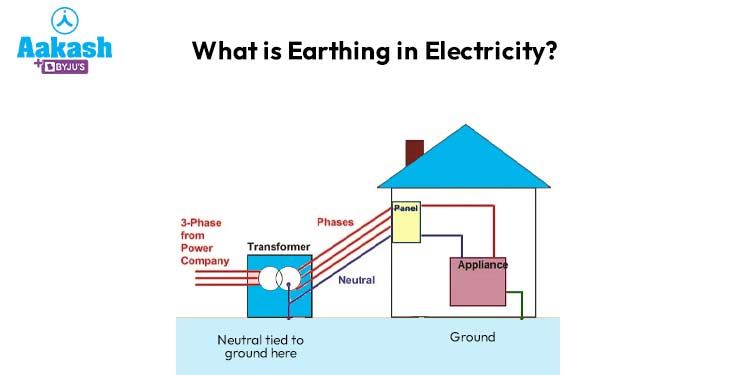

Electricity has become an integral part of modern life, powering our homes, industries, and technologies. However, harnessing the immense power of electricity comes with its own set of challenges, one of which is ensuring safety. Earthing, also known as grounding, plays a crucial role in maintaining electrical safety and system stability. Let’s delve into what earthing in electricity is and why it’s so important.
What is Earthing in Electricity?
Earthing, in the context of electricity, refers to the process of connecting an electrical circuit or equipment to the Earth or a conductive body that serves as a reference point for electrical potential. This connection establishes an electrical path of least resistance, allowing excess electrical current to flow into the ground, effectively preventing the buildup of dangerous levels of voltage and mitigating potential hazards.
The Purpose of Earthing:
Safety: The primary purpose of earthing is to ensure safety for both people and equipment. In the event of a fault, such as a short circuit or insulation breakdown, the excess current is diverted to the ground rather than passing through the body or causing equipment damage. This minimizes the risk of electric shocks, fires, and explosions.
Stability: Earthing helps stabilize the electrical system by maintaining a reference point for voltage levels. It reduces the risk of overvoltages and ensures that equipment operates within safe voltage limits. This is particularly important in industrial settings where fluctuations in voltage could disrupt production processes or damage sensitive equipment.
Static Discharge: Earthing also aids in the discharge of static electricity that can accumulate on objects, particularly in dry environments. This prevents potentially hazardous sparks that could ignite flammable materials.
Methods of Earthing:
Several methods are employed to achieve effective earthing:
Plate Earthing: A metal plate buried in the ground serves as an electrode, connected to the electrical system. This is commonly used for domestic installations.
Pipe Earthing: Metal pipes or rods driven into the ground act as electrodes. This method is often utilized in industrial setups.
Rod Earthing: Copper or galvanized iron rods are driven into the ground and connected to the electrical system. This provides a reliable earth connection.
Strip Earthing: A metal strip is buried horizontally in a trench to enhance the contact area with the ground.
Conclusion:
Earthing is an essential aspect of electrical systems that cannot be overlooked. It plays a critical role in preventing hazards, protecting both human lives and valuable equipment. By providing a safe pathway for excess current and maintaining stable voltage levels, earthing ensures that electricity remains a powerful ally without becoming a potential danger. Whether in homes, businesses, or industries, proper earthing practices contribute to a safer and more reliable electrical infrastructure.
FAQs
1. What exactly is earthing in electricity?
Earthing, also known as grounding, in the context of electricity, involves connecting an electrical circuit or equipment to the Earth or a conductive body. This connection provides a path for excess electrical current to flow into the ground, preventing the buildup of dangerous voltage levels and enhancing safety.
2. Why is earthing important in electrical systems?
Earthing serves two primary purposes: safety and stability. It prevents electric shocks, fires, and equipment damage by diverting excess current away from people and equipment. Additionally, it stabilizes voltage levels, minimizing the risk of overvoltages and ensuring consistent system operation.
3. What are the potential risks of not having proper earthing?
Without proper earthing, several risks emerge. Electric shocks become more likely during faults, posing a danger to human life. Equipment can be damaged due to excessive current flow. Furthermore, fluctuations in voltage could disrupt sensitive equipment or even cause fires and explosions in extreme cases.
4. How is earthing achieved in electrical installations?
There are several methods of achieving effective earthing. These include plate earthing, where a metal plate is buried in the ground; pipe earthing, which involves using metal pipes or rods; rod earthing, using copper or galvanized iron rods; and strip earthing, where a metal strip is buried horizontally. The choice of method depends on factors such as the type of installation and the desired level of conductivity.
5. Is earthing only necessary for industrial settings?
No, earthing is essential for all types of electrical installations, including residential, commercial, and industrial setups. Whether it’s a home, office, factory, or any other location using electricity, proper earthing ensures safety by preventing electric shocks, fires, and equipment damage, regardless of the setting.