
An AC generator, short for an Alternating Current generator, is a fundamental device that plays a pivotal role in generating electricity for a wide range of applications. AC generators are a cornerstone of modern power generation systems, responsible for providing the electrical energy that powers homes, industries, and the infrastructure that sustains our daily lives. This versatile invention has revolutionized the way we harness and distribute electricity, enabling the efficient transfer of energy over long distances and facilitating the seamless operation of countless electrical devices.
Principle of Operation: Converting Mechanical Energy to Electrical Energy
At its core, an AC generator operates based on the principle of electromagnetic induction, a groundbreaking discovery made by Michael Faraday in the early 19th century. This principle states that a changing magnetic field induces an electromotive force (EMF) or voltage in a conductor, subsequently leading to the flow of electric current. In the case of an AC generator, mechanical energy is converted into electrical energy through a cyclical process involving rotating components.
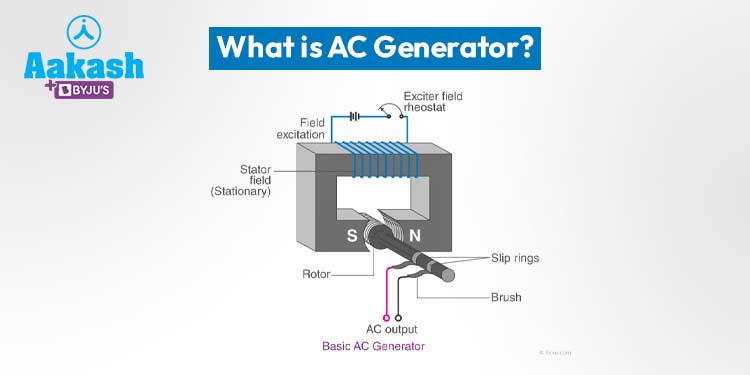
The primary components of an AC generator include:
Rotor (Armature): The rotor, usually in the form of a coil or a set of coils, is the rotating part of the generator. As the rotor spins, it cuts through the lines of magnetic flux produced by a stationary magnetic field, inducing an alternating voltage across its terminals.
Stator: The stator consists of a stationary set of coils or windings arranged around the rotor. These windings are connected to an external circuit, allowing the generated alternating voltage to be transmitted for various applications.
Magnetic Field: A powerful magnetic field is created within the generator, usually through the use of permanent magnets or electromagnets. This magnetic field interacts with the rotating rotor, leading to the induction of voltage.
Generating Alternating Current: A Cyclical Process
The operation of an AC generator involves a cyclical process that produces alternating current. As the rotor spins, the magnetic field lines are cut by the rotor’s movement, inducing a voltage in the coils. This voltage changes direction periodically as the rotor completes a full rotation. Consequently, the generated current alternates direction, flowing first in one direction and then reversing its flow.
The frequency of the alternating current produced by the generator depends on the speed of the rotor’s rotation and the number of magnetic pole pairs in the generator. The standard frequency for most power systems around the world is 50 or 60 hertz (Hz), meaning the current changes direction 50 or 60 times per second.
Applications and Significance
AC generators have revolutionized the way we generate, distribute, and utilize electrical energy. They serve as the backbone of power generation systems in power plants, where mechanical energy from sources such as steam, water, or wind turbines is used to turn the generator’s rotor. This mechanical energy is then converted into electrical energy that can be transmitted over long distances via power lines, ensuring a stable and efficient supply of electricity to homes, businesses, and industries.
Additionally, AC generators are used in a variety of other applications, including:
Renewable Energy: AC generators are essential components in renewable energy systems like wind turbines and hydroelectric generators, converting the kinetic energy of moving air or flowing water into electricity.
Emergency Power: Standby generators in hospitals, data centers, and critical facilities provide backup power during outages, ensuring uninterrupted operation of vital systems.
Transportation: AC generators are used in vehicles to charge batteries and power various electrical systems, contributing to the development of electric and hybrid vehicles.
Industrial Machinery: AC generators play a role in industrial machinery and equipment, powering motors, pumps, and other electrical components.
In conclusion, the AC generator is a remarkable invention that has shaped the modern world by enabling the efficient generation and distribution of electricity. Through the ingenious application of electromagnetic principles, AC generators continue to be a driving force behind technological progress and innovation, providing the energy necessary for the functioning of our increasingly electrified society.
FAQs About AC Generators
1. What is an AC generator, and how does it work?
An AC generator, or Alternating Current generator, is a device that converts mechanical energy into electrical energy through the process of electromagnetic induction. As a rotor spins within a magnetic field, the changing magnetic flux induces an alternating voltage in coils, leading to the production of alternating current (AC) that changes direction periodically.
2. What is electromagnetic induction, and why is it crucial for AC generators?
Electromagnetic induction is a phenomenon where a changing magnetic field induces an electromotive force (EMF) in a conductor. This principle is essential for AC generators, as it forms the basis for the conversion of mechanical energy into electrical energy. The rotation of the rotor in a generator causes a changing magnetic field, which, in turn, induces a voltage in the stator coils.
3. How does the frequency of AC generated by a generator relate to its operation?
The frequency of the AC generated by a generator is determined by the speed of the rotor’s rotation and the number of magnetic pole pairs within the generator. The standard frequencies used in most power systems worldwide are 50 or 60 hertz (Hz). A higher rotational speed or more magnetic pole pairs results in higher frequency output.
4. What are the primary components of an AC generator?
An AC generator consists of three main components: the rotor (armature), the stator, and a magnetic field. The rotor is the rotating part often made up of coils, the stator is a stationary set of coils arranged around the rotor, and the magnetic field is established using permanent magnets or electromagnets. Together, these components enable the generation of AC electricity.
5. What are the practical applications of AC generators in daily life?
AC generators have a wide range of applications, including:
- Power generation in conventional and renewable energy plants.
- Emergency backup power in critical facilities like hospitals and data centers.
- Powering industrial machinery, motors, and pumps.
- Charging batteries and providing electrical systems in vehicles, including electric and hybrid cars.
- Enabling the operation of household appliances, electronics, and lighting.
- These applications highlight the significance of AC generators in powering our modern world and supporting various industries and technologies.