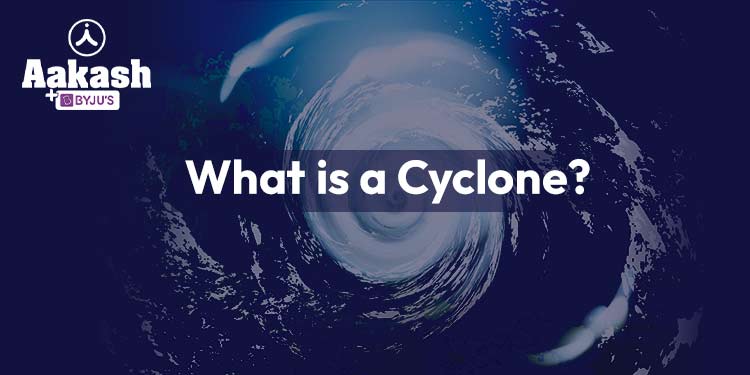

A cyclone is a natural meteorological phenomenon characterized by a large, rotating system of clouds, wind, and thunderstorms that forms over warm ocean waters. Cyclones are often referred to by different names in various parts of the world, such as hurricanes in the Atlantic and eastern Pacific Ocean, typhoons in the western Pacific Ocean, and cyclones in the Indian Ocean and South Pacific. Despite their regional distinctions, these terms all describe the same fundamental weather phenomenon.
Formation and Structure:
Cyclones typically develop in tropical and subtropical regions where the sea surface temperatures are sufficiently warm, providing the energy needed to fuel their growth. The process of cyclone formation involves several key factors, including warm ocean waters, atmospheric instability, and the Coriolis effect (due to the Earth’s rotation), which imparts the spinning motion to the storm.
A cyclone’s structure consists of several distinct components:
Eye: At the center of the cyclone is a calm and relatively clear area known as the eye. The eye is characterized by light winds and often a temporary reduction in precipitation. It is surrounded by the eyewall, which contains the most intense winds and rain.
Eyewall: The eyewall is a circular band of clouds and thunderstorms immediately surrounding the eye. It is where the most violent weather conditions occur, including the highest wind speeds and heaviest rainfall.
Rainbands: Spiral bands of clouds and thunderstorms extend outward from the center of the cyclone. These rainbands can produce heavy rain, strong winds, and tornadoes, contributing to the cyclone’s overall impact.
Intensity and Categories:
Cyclones are categorized based on their intensity using various scales. One commonly used scale is the Saffir-Simpson Hurricane Wind Scale, which classifies hurricanes into five categories based on their sustained wind speeds:
Category 1: Wind speeds of 74-95 mph (119-153 km/h)
Category 2: Wind speeds of 96-110 mph (154-177 km/h)
Category 3: Wind speeds of 111-129 mph (178-208 km/h)
Category 4: Wind speeds of 130-156 mph (209-251 km/h)
Category 5: Wind speeds greater than 157 mph (252 km/h) or higher
The impact of a cyclone can vary significantly depending on its category, size, and location.
Impact and Preparedness:
Cyclones can have devastating effects on coastal areas and islands, causing widespread destruction through high winds, heavy rainfall, storm surges, and flooding. Preparedness and early warning systems are crucial to minimizing loss of life and property. Meteorological agencies around the world closely monitor cyclones using satellites, weather radars, and computer models to predict their paths and intensities.
Efforts to mitigate the impact of cyclones include building resilient infrastructure, developing evacuation plans, and raising public awareness about safety measures. As climate change continues to affect global weather patterns and sea surface temperatures, understanding cyclones and their behavior becomes even more essential for safeguarding vulnerable communities.
In conclusion, a cyclone is a powerful natural phenomenon that originates over warm ocean waters and manifests as a rotating system of clouds, wind, and thunderstorms. While their names and characteristics may vary across different regions, the fundamental mechanics of cyclone formation and their potential for destruction remain consistent, underscoring the importance of preparedness and scientific understanding in managing their impact.
Frequently Asked Questions (FAQs) About Cyclones:
1. What is a cyclone, and how does it form?
A cyclone is a rotating weather system characterized by thunderstorms and strong winds that form over warm ocean waters. It derives its energy from the warm ocean surface, atmospheric instability, and the Coriolis effect caused by the Earth’s rotation. As warm, moist air rises from the ocean’s surface, it cools and condenses, releasing latent heat and fueling the cyclone’s growth.
2. What are the different names for cyclones in different regions?
Cyclones are known by various names in different parts of the world. In the Atlantic and Eastern Pacific Oceans, they are called hurricanes. In the western Pacific Ocean, they are referred to as typhoons. In the Indian Ocean and South Pacific, they are known simply as cyclones. Despite the regional distinctions, these terms describe the same meteorological phenomenon.
3. How are cyclones categorized, and what is their impact?
Cyclones are categorized based on their intensity using scales like the Saffir-Simpson Hurricane Wind Scale. This scale ranks cyclones from Category 1 (weakest) to Category 5 (strongest) based on sustained wind speeds. The impact of a cyclone varies with its category, size, and location. Cyclones can bring devastating effects, including strong winds, heavy rainfall, storm surges, and flooding, leading to widespread damage and loss of life.
4. What is the eye of a cyclone, and why is it significant?
The eye of a cyclone is a calm, circular area at its center, surrounded by the eyewall—a region of intense thunderstorms and high winds. The eye is marked by light winds and often clearer skies. It is a crucial feature of cyclones as it provides meteorologists with a unique opportunity to study and monitor the storm’s characteristics, such as its size, intensity, and movement.
5. How are communities prepared for cyclones, and what safety measures are taken?
Preparedness for cyclones involves a combination of factors, including early warning systems, infrastructure resilience, and public education. Meteorological agencies use advanced technology, such as satellites and weather radars, to track and predict cyclone paths and intensities. Communities in cyclone-prone areas develop evacuation plans, build sturdy shelters, and educate residents about safety measures, including stockpiling supplies and knowing evacuation routes, to minimize the impact of these powerful storms.