

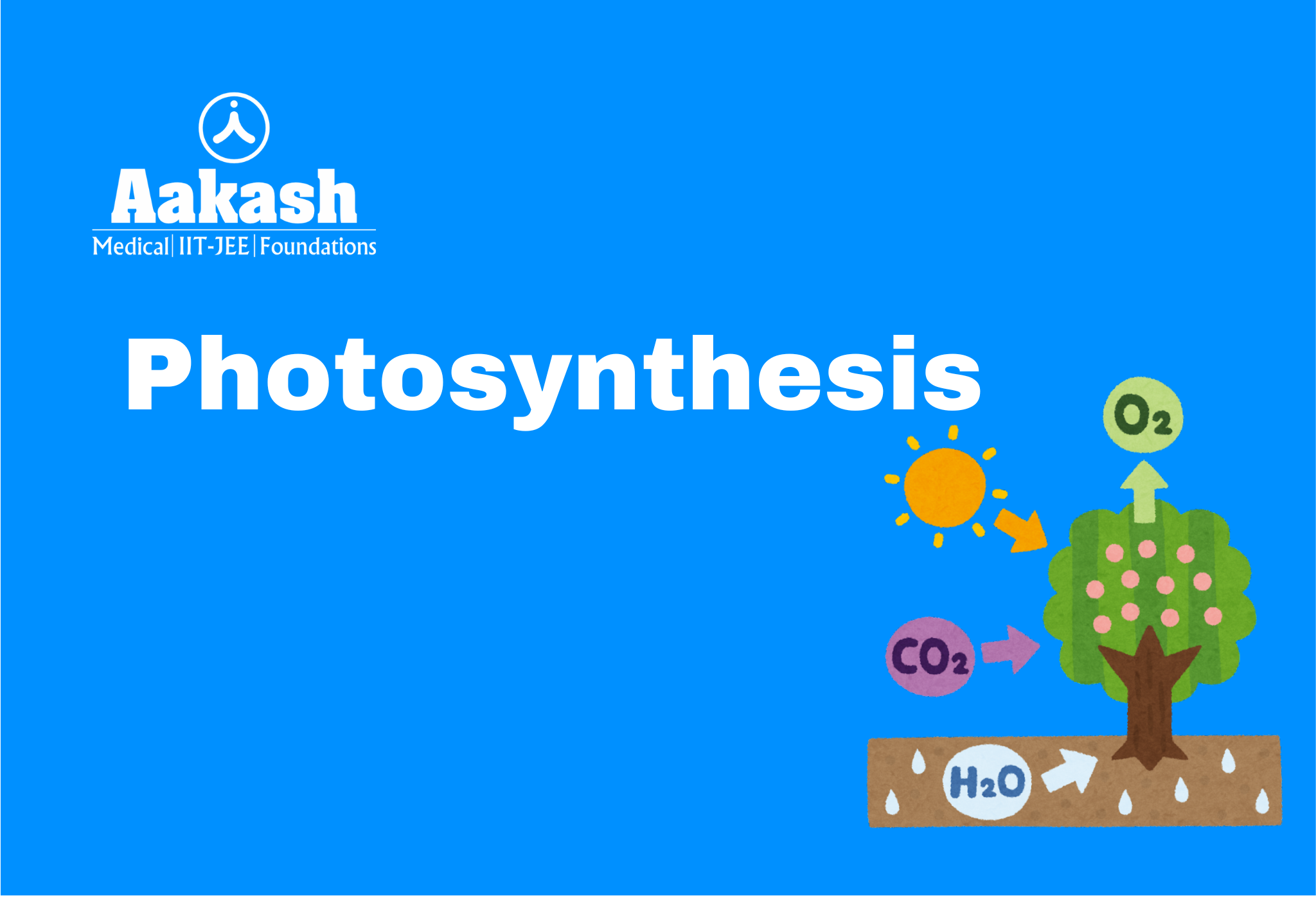

Photosynthesis in Higher Plants is one of those chapters that NEET aspirants either love or dread. It has enough theory to confuse you, enough diagrams to overwhelm you, and enough direct questions to make or break your biology score. If you are preparing for Re-NEET 2026, this photosynthesis revision is exactly what you need before your exam.
Let’s walk through the most critical part of this chapter, the Light Reaction, in a clear, exam-focused way.
Watch this video:
Why Photosynthesis Matters for NEET 2026
Photosynthesis in Higher Plants is a high-weightage topic in NEET Biology. Questions appear every year from the light reaction, the Calvin cycle, photosystems, and Z-scheme. Skipping this chapter or leaving it half-revised is a costly mistake.
This photosynthesis quick revision focuses on the light-dependent reaction, the foundation that everything else in the chapter builds upon.
What Is the Light Reaction?
The process of photosynthesis takes place in two broad stages. The very first stage is the Light Reaction, which is, as the name tells you, completely light-dependent.
During the light reaction, four key events take place:
- Absorption of light by photosynthetic pigments
- Splitting of water (photolysis)
- Release of oxygen as a byproduct
- Synthesis of ATP and NADPH, the energy currencies used in the next stage
These four tasks are the backbone of the light reaction. Every MCQ or short-answer question on this topic revolves around one or more of these four events.
Location: The light reaction takes place in the membrane system inside the grana and stroma lamellae of the chloroplast. This is a direct NEET fact, note it clearly in your photosynthesis short notes.
Photosystems: The Molecular Machinery of Light Reaction
Inside the grana and stroma lamellae, we find structures called photosystems. Each photosystem has two major components:
- Electron Acceptor This molecule accepts the high-energy electrons that are released during the reaction.
- Light Harvesting System (LHC) The light harvesting system itself has two sub-components:
- Light Harvesting Complex (LHC): Contains hundreds of pigment molecules (chlorophylls, carotenoids) bound to proteins. Their job is to capture photons and funnel the energy inward.
- Reaction Centre: The specific chlorophyll molecule where the actual photochemistry happens. All the energy collected by the LHC molecules gets transferred here.
When photons strike the LHC pigment molecules, they do not directly drive the reaction. Instead, the energy is passed from one pigment molecule to the next until it reaches the reaction centre. Once the reaction centre chlorophyll receives enough energy, its electrons gain sufficient energy to be ejected from the molecule. These ejected electrons are then picked up by the primary electron acceptor molecule.
Two Types of Photosystems: PS I and PS II
There are two photosystems in plants, and they differ in their reaction centres. This is one of the most tested photosynthesis important concepts in NEET.
Photosystem II (PS II): The reaction centre of PS II is P680. This name means that the chlorophyll molecule present in this reaction centre shows maximum light absorption at a wavelength of 680 nanometres.
Photosystem I (PS I): The reaction centre of PS I is P700. Here, the same chlorophyll molecule shows maximum absorption at 700 nanometres.
The difference in absorption wavelength is what distinguishes PS I from PS II at the molecular level. In NEET MCQs, P680 and P700 are directly asked, make sure this is locked in your memory.
For a detailed visual walkthrough of how these photosystems function together, this photosynthesis revision video for Re-NEET 2026 explains the light reaction step by step with diagrams.
Photolysis of Water: Why Oxygen Is Released
PS II is directly responsible for the splitting of water, known as photolysis. When water molecules are split using light energy, the reaction produces:
- Electrons (which replace the ones lost from the PS II reaction centre)
- Protons (H⁺ ions)
- Oxygen (released as a byproduct into the atmosphere)
This is the source of all the oxygen released during photosynthesis. Every breath of oxygen you take is a product of photolysis. For NEET, remember that water splitting is associated with PS II, not PS I.
ATP and NADPH: The Energy Products
The light reaction’s ultimate output is chemical energy stored in two molecules:
ATP is produced through a process called photophosphorylation, the addition of a phosphate group to ADP, powered by the proton gradient generated during electron transport.
NADPH is produced when NADP⁺ accepts electrons and protons at the end of the electron transport chain in PS I. This molecule carries reducing power into the Calvin cycle (dark reaction) where CO₂ is fixed.
Both ATP and NADPH are essential inputs for the dark reaction (Calvin cycle). Without the light reaction supplying these, carbon fixation cannot proceed.
FAQs
Q1. What is the difference between PS I and PS II in photosynthesis?
PS I and PS II differ in their reaction centres. PS II has the reaction centre P680, which absorbs light maximally at 680 nm. PS I has the reaction centre P700, absorbing maximally at 700 nm. Functionally, PS II is involved in water splitting and oxygen release, while PS I is primarily responsible for producing NADPH.
Q2. Where exactly does the light reaction take place in the chloroplast?
The light reaction takes place in the membrane system of the chloroplast, specifically in the thylakoid membranes found in the grana and stroma lamellae. The dark reaction (Calvin cycle), in contrast, takes place in the stroma of the chloroplast.
Q3. What are the four main events of the light reaction in photosynthesis?
The four events are: absorption of light by photosynthetic pigments, splitting of water (photolysis), release of oxygen as a byproduct, and synthesis of ATP and NADPH. These four processes must be memorised in order, as NEET questions often ask which event happens first or which photosystem is responsible for a particular step.
Q4. What is the role of the Light Harvesting Complex (LHC) in a photosystem?
The LHC contains hundreds of pigment molecules (including chlorophyll a, chlorophyll b, and carotenoids) bound to proteins. These pigments capture photons and transfer the energy to the reaction centre through resonance energy transfer. The LHC does not directly drive photochemistry, it acts as an antenna system that maximises light capture and delivers concentrated energy to the reaction centre.

