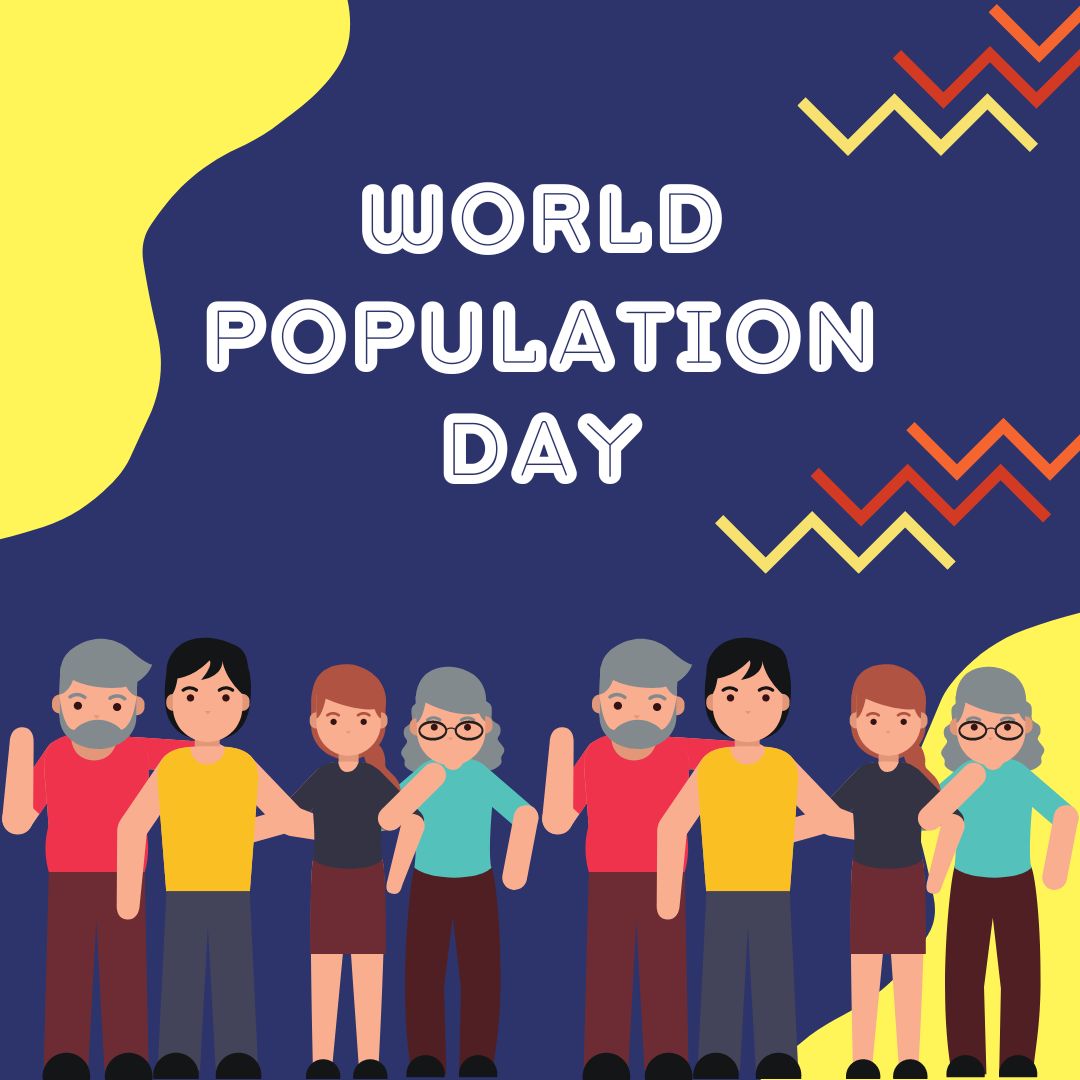

World Population Day is observed annually on July 11. This significant day brings attention to the issues of global population growth and emphasizes the need for creating a sustainable and friendly world for future generations. In 2024, the United Nations (UN) marks a notable milestone, as the world’s population has officially reached 8 billion people. This article provides a comprehensive overview of World Population Day 2024, its history, significance, and the critical issues it addresses. It is essential to reflect on the challenges and opportunities presented by our growing global population.
History of World Population Day 2024
World Population Day was established by the United Nations in 1989. The inspiration for this observance came from the “Day of Five Billion,” celebrated on July 11, 1987, when the world’s population reached five billion. The UN saw the need to highlight the urgency and importance of population issues and the impact they have on development and the environment. Since then, World Population Day has been celebrated annually to raise awareness about population-related issues and to encourage action to address these challenges.
Establishment of World Population Day 2024
The establishment of World Population Day aimed to bring attention to the global population growth and its implications. By setting aside a specific day, the UN sought to ensure that the issues of population growth, resource depletion, and environmental impact remain at the forefront of global discussions. The day serves as a reminder of the importance of family planning, gender equality, and maternal health in addressing population challenges. It encourages governments, organizations, and individuals to take proactive steps towards managing population growth and ensuring sustainable development.
Importance of World Population Day 2024
World Population Day 2024 is particularly important as it marks the year when the global population officially reached 8 billion. This milestone brings both challenges and opportunities. On one hand, it highlights the pressing issues of resource depletion, environmental degradation, and social inequalities that come with a growing population. On the other hand, it presents an opportunity to focus on sustainable solutions and innovative approaches to manage population growth.
As the population continues to grow, it is crucial to address issues such as food security, access to clean water, and adequate healthcare. Family planning and reproductive health services play a vital role in managing population growth and improving the quality of life for individuals and communities. By empowering women and promoting gender equality, we can create a more equitable and sustainable future.
Significance of World Population Day 2024
World Population Day holds significant importance in raising awareness about the impact of population growth on development and the environment. It serves as a platform to discuss and promote solutions to population-related challenges. The day emphasizes the need for comprehensive and inclusive policies that address population issues while ensuring human rights and social justice.
One of the key focuses of World Population Day is family planning. Access to family planning services enables individuals to make informed choices about their reproductive health, leading to healthier families and communities. It also contributes to reducing maternal and child mortality rates and improving overall well-being.
Addressing Global Population Challenges
As we mark World Population Day 2024, it is essential to reflect on the implications of a growing population and work towards sustainable solutions for the future. This involves:
- Promoting Family Planning and Reproductive Health: Ensuring access to family planning services and reproductive health education is crucial for managing population growth and improving overall health outcomes.
- Advancing Gender Equality: Empowering women and promoting gender equality are key to addressing population challenges. When women have equal access to education, healthcare, and economic opportunities, they can make informed choices about their reproductive health and contribute to sustainable development.
- Sustainable Resource Management: With a growing population, it is essential to manage resources sustainably. This includes promoting renewable energy, reducing waste, and ensuring access to clean water and nutritious food.
- Environmental Protection: Protecting the environment is critical for sustainable development. This involves addressing climate change, conserving biodiversity, and promoting sustainable agriculture and land use practices.
World Population Day Facts
- The current global population is approximately 8.1 billion.
- It took 12 years for the world population to grow from 7 billion to 8 billion.
- In the European Union, the population of women is 5% higher than that of men.
- The Covid-19 pandemic resulted in the loss of about 2 million lives in Europe.
- China and India are the world’s two most populous countries.
- The global population reached 3 billion in 1960.
- The top five most populous countries are India, China, the USA, Indonesia, and Pakistan.
- World Population Day is celebrated annually on July 11.
World Population Day 2024 is a vital occasion to raise awareness about global population issues and promote sustainable solutions. By addressing the challenges posed by overpopulation and focusing on family planning, gender equality, and environmental protection, we can work towards a more sustainable and equitable future for all. As the world reaches 8 billion people, it is crucial to take collective action to ensure that future generations can thrive in a sustainable and friendly world.
World Population Day 2024 FAQs
Q1. What is World Population Day and why is it observed?
Answer: World Population Day is observed annually on July 11 to raise awareness about global population issues. It was established by the United Nations in 1989 to address the challenges posed by overpopulation, such as resource depletion, environmental impact, and social inequalities. The day underscores the importance of family planning, gender equality, and maternal health.
Q2. What is the significance of World Population Day 2024?
Answer: World Population Day 2024 is particularly significant as it marks the year when the global population officially reached 8 billion. This milestone highlights the urgent need to address population-related challenges, such as food security, access to clean water, and healthcare. It also presents an opportunity to focus on sustainable solutions and innovative approaches to manage population growth.
Q3. What are the key issues addressed on World Population Day?
Answer: World Population Day addresses several critical issues, including family planning, reproductive health, gender equality, environmental sustainability, and resource management. The day promotes the importance of comprehensive policies that ensure human rights, social justice, and sustainable development.
Q4. How does World Population Day contribute to gender equality?
Answer: World Population Day promotes gender equality by emphasizing the need for empowering women and ensuring their equal access to education, healthcare, and economic opportunities. When women can make informed choices about their reproductive health, it leads to healthier families and communities, contributing to sustainable development and reducing social inequalities.
Q5. What actions can individuals and communities take to support the goals of World Population Day?
Answer: Individuals and communities can support the goals of World Population Day by advocating for and ensuring access to family planning services and reproductive health education. They can promote gender equality and empower women by supporting initiatives that provide equal opportunities in education and employment. Additionally, sustainable resource management and environmental protection efforts are crucial to addressing the challenges of a growing population……