
World Lung Cancer Day 2024 (August 1st): A Comprehensive Overview
World Lung Cancer Day, observed annually on August 1st, is a crucial occasion dedicated to raising awareness about lung cancer, its prevention, early detection, and treatment. As one of the most common and deadly cancers worldwide, lung cancer affects millions of lives each year, making it imperative to focus on education, research, and advocacy efforts aimed at combating this formidable disease. In 2024, World Lung Cancer Day serves as a reminder of the ongoing battle against lung cancer and highlights the need for continued support and innovation in the fight against this illness.
Key Facts About Lung Cancer
| Aspect | Details |
|---|---|
| Date Observed | August 1st |
| Significance | Raising awareness, promoting early detection, and supporting research |
| Types of Lung Cancer | Non-Small Cell Lung Cancer (NSCLC), Small Cell Lung Cancer (SCLC) |
| Risk Factors | Smoking, environmental pollutants, genetics, previous lung conditions |
| Common Symptoms | Persistent cough, shortness of breath, chest pain, weight loss, fatigue |
| Stages | Stage I, Stage II, Stage III, Stage IV |
| Key Activities | Educational campaigns, health screenings, support groups, fundraising |
| Global Impact | International research, global health policies, cross-border support |
The Importance of World Lung Cancer Day
World Lung Cancer Day plays a vital role in addressing the challenges associated with lung cancer. Its significance can be understood through several key aspects:
- Awareness and Education: The day is dedicated to raising awareness about lung cancer, including its causes, symptoms, and preventive measures. Increased awareness can lead to early detection, which is crucial for improving survival rates.
- Advocacy for Research: World Lung Cancer Day highlights the importance of funding and supporting research initiatives aimed at developing new treatments, improving diagnostic methods, and finding a cure for lung cancer.
- Support for Patients and Families: The day provides an opportunity to show solidarity with lung cancer patients and their families. It encourages communities to offer support, compassion, and resources to those affected by the disease.
- Prevention and Public Health: Lung cancer is often associated with smoking and exposure to environmental pollutants. World Lung Cancer Day promotes public health initiatives and policies aimed at reducing smoking rates and minimizing exposure to harmful substances.
- Global Collaboration: Lung cancer is a global health issue that transcends borders. World Lung Cancer Day fosters international collaboration and knowledge sharing to address the disease more effectively on a global scale.
Understanding Lung Cancer
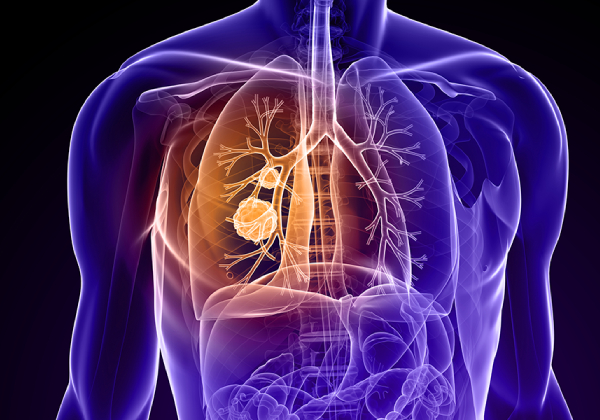
Lung cancer is a type of cancer that begins in the lungs and is characterized by the uncontrolled growth of abnormal cells. It is one of the leading causes of cancer-related deaths worldwide. Understanding lung cancer involves recognizing its types, risk factors, symptoms, and stages:
Types of Lung Cancer
- Non-Small Cell Lung Cancer (NSCLC): This is the most common type of lung cancer, accounting for approximately 85% of all cases. NSCLC includes subtypes such as adenocarcinoma, squamous cell carcinoma, and large cell carcinoma.
- Small Cell Lung Cancer (SCLC): SCLC is less common but more aggressive than NSCLC. It is characterized by rapid growth and early spread to other parts of the body. SCLC is often associated with smoking.
Risk Factors
- Smoking: Tobacco smoke is the primary risk factor for lung cancer. Both active smoking and exposure to secondhand smoke significantly increase the risk of developing the disease.
- Environmental Pollutants: Exposure to certain environmental pollutants, such as radon gas, asbestos, and industrial chemicals, can contribute to lung cancer risk.
- Genetics: A family history of lung cancer or other genetic predispositions can increase the likelihood of developing the disease.
- Previous Lung Conditions: Individuals with a history of chronic lung diseases, such as chronic obstructive pulmonary disease (COPD) or pulmonary fibrosis, may be at higher risk for lung cancer.
Symptoms
Lung cancer symptoms can vary depending on the stage of the disease and may include:
- Persistent cough or coughing up blood
- Shortness of breath or wheezing
- Chest pain or discomfort
- Unexplained weight loss or loss of appetite
- Fatigue and weakness
Stages
Lung cancer is classified into stages based on the extent of tumor growth and spread:
- Stage I: Cancer is localized within the lung and has not spread to nearby lymph nodes or other organs.
- Stage II: Cancer has spread to nearby lymph nodes and may involve adjacent tissues.
- Stage III: Cancer is more extensive, affecting lymph nodes and surrounding structures, and may have spread to nearby organs.
- Stage IV: Cancer has metastasized to distant parts of the body, such as the liver, bones, or brain.
Activities and Events on World Lung Cancer Day 2024
World Lung Cancer Day 2024 will be marked by a range of activities and events aimed at raising awareness, educating the public, and supporting lung cancer research. Some of the key activities include:
1. Educational Campaigns
Educational campaigns will be launched to provide information about lung cancer prevention, early detection, and treatment options. These campaigns may include informational brochures, online resources, and public service announcements.
2. Health Screenings
Health organizations and clinics may offer free or reduced-cost lung cancer screenings, such as low-dose computed tomography (CT) scans, to individuals at high risk. Early detection is crucial for improving outcomes.
3. Support Groups and Workshops
Support groups and workshops will be organized to provide emotional support and practical information to lung cancer patients and their families. These sessions may cover topics such as coping strategies, treatment options, and navigating the healthcare system.
4. Fundraising Events
Fundraising events, such as charity runs, auctions, and benefit concerts, will be held to raise funds for lung cancer research and support organizations. These events aim to generate financial support for innovative research and patient care initiatives.
5. Public Awareness Programs
Public awareness programs will be conducted to educate people about the importance of reducing smoking rates and minimizing exposure to environmental pollutants. These programs may include community outreach, school-based education, and partnerships with local media.
Global Impact and Collaboration
Lung cancer is a global health challenge that requires coordinated efforts from governments, healthcare providers, researchers, and advocacy groups. World Lung Cancer Day emphasizes the importance of global collaboration in addressing the disease. Key aspects of global impact and collaboration include:
- International Research Initiatives: Collaborative research efforts across countries help advance our understanding of lung cancer and develop new treatments. International partnerships facilitate the sharing of knowledge, resources, and expertise.
- Global Health Policies: Advocacy for effective global health policies can lead to improved access to lung cancer prevention, screening, and treatment services. Policymakers play a crucial role in implementing measures that reduce smoking rates and address environmental risks.
- Cross-Border Support: Organizations and communities around the world can support each other through knowledge exchange, joint initiatives, and fundraising efforts. Cross-border support strengthens the global response to lung cancer.
FAQs about World Lung Cancer Day 2024
1. What is World Lung Cancer Day?
World Lung Cancer Day, observed on August 1st, is dedicated to raising awareness about lung cancer, its causes, prevention, and treatment.
2. Why is World Lung Cancer Day important?
This day is crucial for promoting early detection, supporting research, and raising awareness about lung cancer, which is one of the most common and deadly cancers worldwide.
3. Who established World Lung Cancer Day?
World Lung Cancer Day was established by the Forum of International Respiratory Societies (FIRS) in collaboration with other global health organizations.
4. What are the major risk factors for lung cancer?
The major risk factors include smoking, secondhand smoke, radon gas, asbestos exposure, air pollution, and genetics.
5. How can lung cancer be detected early?
Early detection involves recognizing symptoms such as a persistent cough, chest pain, and shortness of breath, and undergoing regular health check-ups and screenings, especially for high-risk individuals.
6. What treatment options are available for lung cancer?
Treatment options include surgery, radiation therapy, chemotherapy, targeted therapy, immunotherapy, and palliative care.
7. How can I reduce my risk of developing lung cancer?
Preventive measures include quitting smoking, avoiding secondhand smoke, testing for radon, following occupational safety guidelines, maintaining a healthy diet, and regular exercise.
8. What support resources are available for lung cancer patients?
Support resources are provided by organizations such as the American Lung Association, Lung Cancer Foundation of America, and Global Lung Cancer Coalition.
9. How can I participate in World Lung Cancer Day?
You can participate by raising awareness, fundraising, attending educational events, advocating for research, joining support groups, and committing to a healthy lifestyle.
10. What are the future prospects for lung cancer research?
Future research focuses on early detection techniques, personalized medicine, advancements in immunotherapy, minimally invasive surgery, and the use of AI and big data in improving patient outcomes.