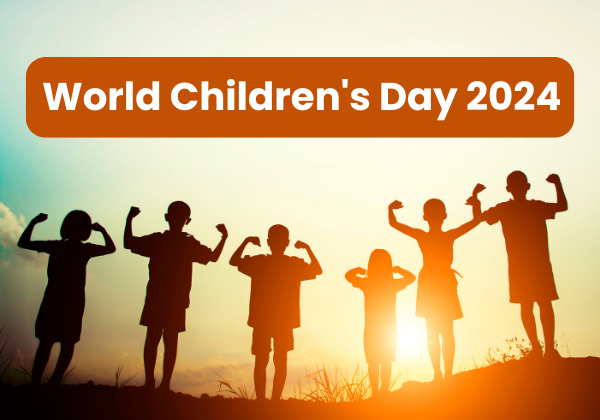

World Children’s Day, celebrated annually on November 20, is a global occasion dedicated to promoting the rights, well-being, and development of children. Established by the United Nations in 1954, this day emphasizes the importance of nurturing an environment where every child can thrive, irrespective of their background. In 2024, World Children’s Day takes on greater significance as communities around the world rally together to create a brighter future for the youngest generation.
What is World Children’s Day?
World Children’s Day is an annual event dedicated to promoting children’s rights and fostering their well-being globally. It is an opportunity to raise awareness about issues affecting children, such as education, healthcare, and safety. It serves as a reminder that children are the cornerstone of a sustainable future and deserve an environment that nurtures their potential.
History and Significance
World Children’s Day, celebrated annually on November 20, is a day dedicated to advocating for children’s rights, fostering their well-being, and building a better future for the youngest members of society. The origins of this global observance date back to 1954, when the United Nations established it as Universal Children’s Day to promote international togetherness and awareness of children’s issues. The date also commemorates two landmark events: the Declaration of the Rights of the Child (1959) and the Convention on the Rights of the Child (1989), both of which laid the foundation for safeguarding children’s rights globally.
In 2024, World Children’s Day is particularly significant as it focuses on the theme, “Empowering Every Child: Building a Sustainable Future.” This theme underlines the urgent need to address inequalities in education, healthcare, and safety, especially in underserved regions. It also calls for action on pressing issues like climate change, digital safety, and child labor, which disproportionately affect children.
The day holds immense importance as it serves as a platform to amplify children’s voices, celebrate their potential, and remind global leaders of their commitment to creating a world where every child can thrive. Schools, communities, and organizations worldwide observe the day with awareness campaigns, educational events, and initiatives aimed at improving the lives of children.
World Children’s Day 2024 is not just a celebration but a reminder of our collective responsibility to nurture the next generation, ensuring they inherit a world of opportunities, dignity, and hope. The choice of November 20 commemorates two historic events:
- Declaration of the Rights of the Child (1959): A landmark document emphasizing the fundamental rights of children.
- Convention on the Rights of the Child (1989): A legally binding treaty ensuring the civil, political, social, and cultural rights of every child.
Why is World Children’s Day Important?
- Advocates for equal opportunities for children worldwide.
- Highlights global issues like child labor, malnutrition, and lack of access to education.
- Encourages governments and organizations to take actionable steps toward ensuring children’s rights.
Theme of World Children’s Day 2024
Each year, World Children’s Day adopts a specific theme to address pressing concerns. The theme for 2024 is expected to be centered on “Empowering Every Child: Building a Sustainable Future.”
This theme focuses on:
- Ensuring equal access to quality education and healthcare.
- Addressing the challenges posed by climate change on children.
- Promoting digital literacy while safeguarding children online.
Rights of the Child
The Convention on the Rights of the Child (CRC) outlines four key principles:
- Non-Discrimination: All children have equal rights, regardless of race, religion, or background.
- Best Interests of the Child: Every decision affecting a child must prioritize their well-being.
- Right to Life, Survival, and Development: Every child has the right to live and thrive.
- Respect for Children’s Views: Children’s opinions should be considered in decisions affecting them.
In 2024, the focus is on implementing these rights effectively, especially in underserved communities.
Global Challenges Faced by Children
Despite progress, many children still face significant hurdles. Below is a table highlighting the primary challenges:
| Challenge | Impact | Statistics |
|---|---|---|
| Child Labor | Denies children education and a safe environment. | 160 million children in child labor (ILO, 2023). |
| Lack of Education | Restricts opportunities and perpetuates poverty. | 244 million children are out of school. |
| Malnutrition | Leads to stunted growth and developmental issues. | 45 million children under 5 are malnourished. |
| Violence and Exploitation | Affects mental and physical well-being. | 1 in 4 children face physical violence. |
| Climate Change | Disproportionately affects children in vulnerable regions. | 1 billion children at “extremely high risk” (UNICEF). |
Celebrations Across the Globe
1. United Nations Initiatives
The UN hosts various events like panel discussions, workshops, and campaigns to raise awareness.
2. Community Activities
- Charity Drives: Collecting donations for underprivileged children.
- Cultural Events: Showcasing talents and diversity among children.
3. Corporate Participation
Many organizations partner with NGOs to sponsor educational programs and healthcare facilities.
Country-Specific Observances:
- India: Schools organize debates, drawing competitions, and awareness drives.
- USA: Focus on fundraising events for child welfare.
- Africa: Community-led initiatives to combat malnutrition and promote education.
How Schools Can Observe World Children’s Day
Schools play a pivotal role in spreading the message of children’s rights. Here are a few activities they can organize:
- Awareness Seminars: Invite speakers to talk about children’s rights and global challenges.
- Essay Writing Competitions: Encourage students to express their ideas on topics like equality and sustainability.
- Art and Craft Projects: Let children depict their dreams and aspirations through art.
- Tree-Planting Drives: Educate children on the importance of a sustainable future.
Ways You Can Contribute to the Cause
1. Volunteer Your Time: Participate in community programs that focus on child welfare.
2. Donate: Support organizations working to improve education, healthcare, and living conditions for children.
3. Advocate: Use social media platforms to raise awareness about pressing issues like child labor and climate change.
4. Educate: Teach children about their rights and responsibilities, fostering a generation that values equality and justice.
| Category | Global Achievement (2023) | Goal for 2030 (UN SDGs) |
|---|---|---|
| Primary School Enrollment | 90% | 100% |
| Access to Clean Water | 74% | Universal Access |
| Immunization Coverage | 83% | 90% |
| Child Poverty | 356 million children in poverty | Eliminate Child Poverty |
World Children’s Day 2024 is more than just a day of celebration – it’s a call to action. By prioritizing the rights, health, and education of children, we pave the way for a brighter, more sustainable future. Whether through individual efforts, community involvement, or global initiatives, every action counts. Let’s join hands this year to ensure that every child, no matter where they are, gets the opportunity to live, learn, and grow with dignity.
World Children’s Day 2024 FAQs
1. What is World Children’s Day, and why is it celebrated?
Answer: World Children’s Day, observed annually on November 20, is a global initiative by UNICEF to promote awareness about children’s rights, well-being, and education. It marks the adoption of the UN Declaration of the Rights of the Child in 1959 and the Convention on the Rights of the Child in 1989, emphasizing the importance of a safe, inclusive, and supportive environment for every child.
2. What is the theme of World Children’s Day 2024?
Answer: The theme for World Children's Day 2024 focuses on "Empowering Every Child for a Sustainable Future", highlighting the role of education, equality, and environmental responsibility in securing a better future for children globally. This theme encourages individuals and communities to work collectively to uphold children's rights.
3. How can schools and communities celebrate World Children’s Day?
Answer: Schools and communities can celebrate by organizing:
Awareness drives on child rights.
Creative activities like drawing or essay competitions.
Fundraisers or charity events supporting underprivileged children.
Hosting educational workshops on climate change and sustainability tailored for children.
4. How does UNICEF contribute to World Children’s Day?
Answer: UNICEF spearheads global campaigns on World Children's Day, advocating for children's rights and addressing critical issues such as education access, healthcare, child safety, and climate justice. They engage governments, communities, and individuals to take actionable steps for a better world for children.
5. Why is November 20 significant for children?
Answer: November 20 holds historical importance as it commemorates two pivotal events:
The adoption of the Declaration of the Rights of the Child (1959).
The signing of the Convention on the Rights of the Child (1989).
These milestones underscore global commitment to protecting and promoting children's rights universally.