
Lysosomes are essential organelles within animal cells that play a crucial role in digestion and waste removal. They are often referred to as “suicide bags” due to their unique ability to break down cellular components, including the cell itself, under certain conditions.
Structure and Function of Lysosomes
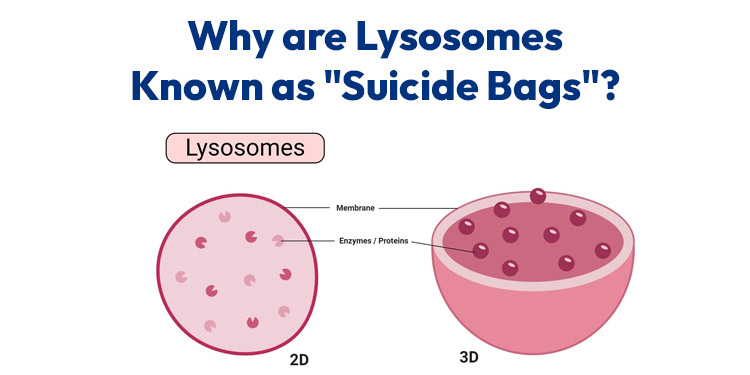
Lysosomes are membrane-bound sacs filled with hydrolytic enzymes capable of breaking down a wide variety of biomolecules, including proteins, nucleic acids, lipids, and carbohydrates. These enzymes are highly active in acidic environments, which is maintained within the lysosome.
Digestive Functions
- Lysosomes are responsible for digesting cellular waste, damaged organelles, and foreign substances like bacteria and viruses.
- They fuse with other vesicles containing the waste material and release their enzymes to break down the contents.
Autophagy
- Lysosomes are involved in autophagy, a process where cells degrade and recycle their own components.
- This is vital for cellular maintenance, especially during stress or nutrient deprivation.
Why “Suicide Bags”?
The term “suicide bags” is derived from the lysosome’s capability to digest the entire cell if its membrane ruptures. This process, known as autolysis, occurs when the lysosomal enzymes are released into the cytoplasm, leading to the cell’s self-destruction.
Controlled Cell Death
- Autolysis can be a controlled process where cells deliberately destroy themselves as part of normal development or in response to severe damage.
- This is crucial for processes like embryonic development and the removal of cancerous or virus-infected cells.
Uncontrolled Cell Death
In cases of severe cellular damage or disease, lysosomal membranes may rupture, releasing their enzymes into the cytoplasm and causing uncontrolled cell death.
Importance in Health and Disease
Lysosomes are vital for cellular health, ensuring that damaged components and waste products are efficiently broken down and recycled. However, dysfunction in lysosomal processes can lead to diseases:
- Lysosomal Storage Disorders: These genetic disorders result from defective lysosomal enzymes, leading to the accumulation of undigested materials and severe cellular damage.
- Role in Neurodegenerative Diseases: Dysfunctional lysosomes are implicated in neurodegenerative diseases like Alzheimer’s, where impaired autophagy and waste removal contribute to cell death.
In summary, Lysosomes, aptly named “suicide bags,” play a crucial role in maintaining cellular health by breaking down waste and recycling cellular components. Their ability to trigger cell death highlights their importance in both normal physiology and disease. Understanding lysosomes provides insight into the intricate balance of life and death at the cellular level, emphasizing their significance in biological processes and medical research.
FAQs: Why are Lysosomes Known as Suicide Bags?
Q1. Why are lysosomes referred to as “suicide bags”?
Answer: Lysosomes are called “suicide bags” because they contain hydrolytic enzymes capable of breaking down cellular components. If a lysosome’s membrane ruptures, these enzymes can digest the entire cell, leading to cell death. This process, known as autolysis, is why lysosomes are referred to as “suicide bags.”
Q2. What are the main functions of lysosomes in a cell?
Answer: Lysosomes have several crucial functions:
- Digesting cellular waste: They break down damaged organelles, waste materials, and foreign substances like bacteria.
- Autophagy: They help degrade and recycle cellular components during times of stress or nutrient deprivation.
- Controlled cell death: They can initiate autolysis, a controlled process where cells self-destruct when damaged or no longer needed.
Q3. How do lysosomes contribute to human health and disease?
Answer: Lysosomes are essential for cellular health by ensuring efficient digestion and recycling of cellular waste. However, dysfunction in lysosomal processes can lead to diseases such as:
- Lysosomal storage disorders: Genetic disorders where defective lysosomal enzymes cause the accumulation of undigested materials, leading to severe cellular damage.
- Neurodegenerative diseases: Impaired lysosomal function is implicated in diseases like Alzheimer’s, where inadequate waste removal contributes to cell death. Understanding lysosomes helps in diagnosing and treating these conditions.