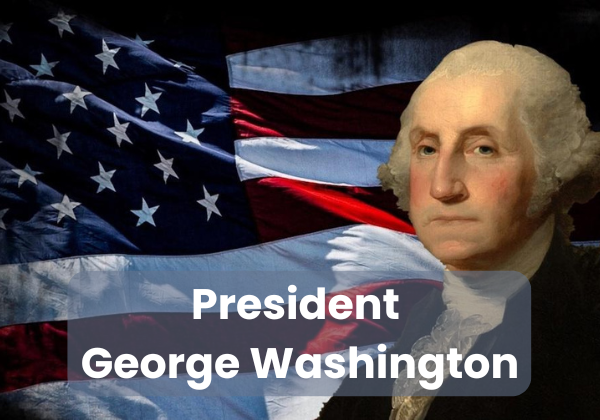

The history of the United States is rich with significant figures who have shaped the nation’s development. Among these figures, George Washington stands out as a pivotal character. Known as the “Father of His Country,” Washington’s role as the first President of the United States is both historic and foundational. This article explores George Washington’s life, presidency, and enduring legacy.
Early Life and Background
George Washington’s early life laid the foundation for his future role as the first President of the United States. Born on February 22, 1732, in Westmoreland County, Virginia, Washington grew up in the British American colonies amidst a blend of colonial challenges and opportunities. Despite a limited formal education, his early experiences as a surveyor and his service in the Virginia militia provided him with practical skills and insights that would later prove crucial in his leadership and governance.
George Washington was born on February 22, 1732, in Westmoreland County, Virginia, to Augustine and Mary Ball Washington. Growing up in the British American colonies, Washington was exposed to the complexities of colonial life and politics from an early age.
- Education and Early Career: Washington’s formal education was limited, but he was well-educated in practical skills through tutoring and self-study. At age 16, he worked as a surveyor, which gave him valuable insights into land and governance.
- Military Service: Washington’s early military experiences began with his service in the Virginia militia during the French and Indian War (1754-1763). His leadership and bravery during the war earned him respect and recognition.
| Year | Event |
|---|---|
| 1732 | Birth in Westmoreland County, Virginia |
| 1754 | Service in the French and Indian War begins |
| 1758 | Promoted to the rank of Colonel in the Virginia militia |
The Road to the Presidency
The journey to the presidency for George Washington was marked by his significant contributions to the American Revolution and his pivotal role in shaping the new nation. As Commander-in-Chief of the Continental Army, Washington led the American forces to victory against the British, earning widespread respect and admiration. His involvement in the Constitutional Convention of 1787 further solidified his status as a key figure in the formation of the U.S. government, setting the stage for his unanimous election as the first President of the United States.
The American Revolution: Washington’s leadership during the American Revolution (1775-1783) was crucial to the colonies’ success. Appointed as the Commander-in-Chief of the Continental Army by the Second Continental Congress, Washington led the American forces against British rule.
- Leadership in War: His strategic acumen and perseverance were evident in key victories such as the Siege of Boston and the decisive win at the Battle of Yorktown. His leadership helped solidify the position of the Continental Army and secure American independence.
- Post-War Role: After the war, Washington retired to his plantation at Mount Vernon, but his involvement in public life continued. He was a delegate to the Constitutional Convention of 1787, where he played a crucial role in drafting the U.S. Constitution.
| Year | Event | Significance |
|---|---|---|
| 1775 | Siege of Boston | First major victory for the Continental Army |
| 1776 | Declaration of Independence | Formal declaration of the colonies’ independence |
| 1781 | Battle of Yorktown | Final major battle leading to British surrender |
Election and Presidency
George Washington’s election as the first President of the United States in 1788 marked the beginning of a new era in American governance. His presidency, which began on April 30, 1789, was characterized by the establishment of essential governmental institutions and the setting of important precedents. Washington’s leadership during his two terms in office helped stabilize the young republic and laid the groundwork for future presidential administrations.
Inauguration: George Washington was unanimously elected as the first President of the United States by the Electoral College in 1788. His presidency began on April 30, 1789, when he took the oath of office on the balcony of Federal Hall in New York City.
- Presidential Duties: Washington served two terms from 1789 to 1797. His presidency set many precedents for the office, including the tradition of a peaceful transfer of power and the establishment of a Cabinet system.
- Major Achievements: His administration saw the establishment of key institutions, such as the Treasury Department and the Bill of Rights. Washington’s leadership helped stabilize the fledgling republic and set the foundation for future governance.
| Term | Start Date | End Date | Major Achievements |
|---|---|---|---|
| 1st | April 30, 1789 | March 4, 1793 | Established the Cabinet system, signed the Bill of Rights |
| 2nd | March 4, 1793 | March 4, 1797 | Strengthened federal authority, supported the Jay Treaty |
Washington’s Farewell Address
In his Farewell Address of 1796, George Washington provided a blueprint for future American political practice and international relations. His address warned against the dangers of political factions and entangling foreign alliances, offering guidance on maintaining national unity and focusing on domestic issues. This speech has since become a key document in American political thought, reflecting Washington’s vision for the nation’s future.
Legacy and Advice: At the end of his second term, Washington chose not to seek re-election and retired from public life. In his Farewell Address, delivered in 1796, Washington advised against political parties and entangling foreign alliances. His farewell address remains a key document in American political thought.
- Political Parties: Washington’s warning about political parties highlighted his concern about factionalism and its potential to divide the nation.
- Foreign Policy: His advice on avoiding entangling alliances reflected his belief in maintaining American neutrality in international affairs.
| Topic | Key Advice |
|---|---|
| Political Parties | Avoid forming political factions |
| Foreign Alliances | Refrain from entangling alliances with foreign nations |
Post-Presidency Life and Legacy
Following his presidency, George Washington retired to his Mount Vernon estate, where he lived out the remainder of his life managing his plantation and enjoying a quieter existence. Despite his retirement, Washington’s influence did not wane; his leadership and principles continued to shape American political life. His legacy endures through his contributions to the founding of the United States and his lasting impact on American ideals and governance.
Return to Mount Vernon: After his presidency, Washington returned to his plantation at Mount Vernon. He dedicated his time to managing his estate and enjoyed a quieter life until his death.
- Death and Burial: George Washington passed away on December 14, 1799, at the age of 67. He was buried at Mount Vernon, where his legacy continued to be honored.
- Enduring Legacy: Washington’s contributions to the formation of the United States and his leadership have made him a lasting symbol of American ideals. His principles and actions continue to influence American governance and political philosophy.
| Year | Event |
|---|---|
| 1797 | Retires to Mount Vernon |
| 1799 | Passes away and buried at Mount Vernon |
George Washington’s role as the first President of the United States was instrumental in shaping the nation’s early governance and setting precedents that continue to guide the office of the President. His leadership during the American Revolution, his contributions to the Constitutional Convention, and his presidency laid the foundation for the United States’ democratic system. Washington’s legacy endures as a testament to his vision and dedication to the principles of liberty and governance.
In understanding Washington’s life and presidency, one gains insight into the formative years of American history and the values that continue to influence the nation’s political and social landscape.
George Washington FAQs
1. What were George Washington’s major contributions before becoming President?
Before becoming President, George Washington made significant contributions during the American Revolution as Commander-in-Chief of the Continental Army. His strategic leadership was crucial in securing American independence from British rule. Additionally, his role as a delegate at the Constitutional Convention of 1787 was pivotal in drafting and endorsing the U.S. Constitution, which established the framework for the new government.
2. How did George Washington’s presidency shape the office of the President?
George Washington’s presidency set many important precedents for the office. He established the tradition of a two-term limit, although he did not seek a third term. Washington also created the Cabinet system, appointing key figures to advise him, and he emphasized the importance of a peaceful transfer of power. His actions and decisions during his presidency helped define the executive branch’s role and authority.
3. What was the main message of George Washington’s Farewell Address?
In his Farewell Address of 1796, George Washington warned against the dangers of political factions and entangling foreign alliances. He advised the nation to avoid political parties that could create divisions and to steer clear of permanent alliances with foreign nations that might involve the U.S. in unnecessary conflicts. His address provided guidance on maintaining national unity and focusing on domestic issues.
4. How did George Washington’s post-presidency life contribute to his legacy?
After retiring from the presidency, George Washington returned to his Mount Vernon estate, where he focused on managing his plantation and enjoyed a quieter life. Despite his retirement, his influence continued through his leadership principles and his role in shaping the early Republic. Washington’s retirement years solidified his status as a revered figure, and his legacy is honored through monuments, currency, and historical recognition.
5. Why is George Washington considered the "Father of His Country"?
George Washington is often referred to as the "Father of His Country" due to his crucial role in the founding of the United States. His leadership during the American Revolution, his instrumental role in drafting the Constitution, and his precedent-setting presidency all contributed to the establishment and stabilization of the new nation. Washington’s contributions laid the groundwork for American democracy and governance, earning him this enduring title.