
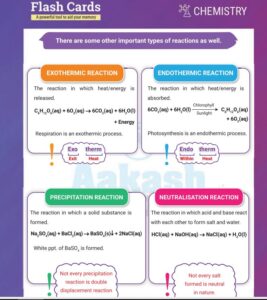
Respiration is a vital process in living organisms where energy is released from glucose to fuel various cellular activities. It is classified as an exothermic reaction due to specific chemical processes that occur within cells.
Chemical Reactions in Respiration
During respiration, glucose (a form of sugar) undergoes a series of chemical reactions in the presence of oxygen:
Glycolysis
- Glucose is broken down into pyruvate molecules in the cytoplasm of cells.
- This step yields a small amount of ATP (adenosine triphosphate) and NADH (reduced form of nicotinamide adenine dinucleotide).
Krebs Cycle (Citric Acid Cycle)
- Pyruvate enters the mitochondria and is further broken down into carbon dioxide.
- This process generates more ATP, NADH, and FADH₂ (reduced form of flavin adenine dinucleotide).
Electron Transport Chain
- NADH and FADH₂ donate electrons to the electron transport chain located in the inner mitochondrial membrane.
- As electrons move through the chain, they release energy, which is used to pump protons (H⁺ ions) across the membrane.
Release of Energy
The key reason respiration is exothermic lies in the electron transport chain. As electrons move through the chain, energy is released in the form of heat. This energy is used to pump protons against their concentration gradient, creating an electrochemical gradient across the membrane.
Formation of ATP
The electrochemical gradient drives the synthesis of ATP through a process called oxidative phosphorylation. ATP is the primary energy currency of the cell, used to power various cellular processes such as muscle contraction, protein synthesis, and active transport.
In summary, respiration is considered an exothermic reaction because it involves the breakdown of glucose with the release of energy. This energy release primarily occurs during the electron transport chain in mitochondria, where electrons flow through the chain, releasing energy that is used to generate ATP. Understanding the exothermic nature of respiration helps explain how organisms derive energy from food molecules to sustain life processes.
By comprehending these processes, students can appreciate the significance of respiration in biological systems and its role in providing energy for cellular functions.
FAQs: What is the Reason Respiration is Considered an Exothermic Reaction?
Q1. Why is respiration classified as an exothermic reaction?
Answer: Respiration is classified as exothermic because it involves the breakdown of glucose molecules with the release of energy in the form of heat. This energy release occurs during specific chemical processes within cells, particularly in the electron transport chain of mitochondria.
Q2. How does the electron transport chain contribute to the exothermic nature of respiration?
Answer: In respiration, the electron transport chain located in the inner mitochondrial membrane plays a crucial role. As electrons pass through the chain, they release energy. This energy is used to pump protons (H⁺ ions) across the membrane, creating an electrochemical gradient. The movement of protons back across the membrane drives the synthesis of ATP, which is the primary energy carrier in cells.
Q3. What is the significance of ATP synthesis in relation to the exothermic reaction of respiration?
Answer: ATP synthesis is vital in respiration because it converts the released energy into a usable form. ATP molecules store and transport energy within cells, powering various biological processes such as muscle contraction, protein synthesis, and active transport. The exothermic nature of respiration ensures that organisms can efficiently extract energy from glucose molecules to maintain essential life functions.