
Physical anthropology, traditionally a branch of anthropology focused on human biology, evolution, and variation, intersects in fascinating ways with physics. This interdisciplinary connection highlights how physical principles can be applied to understand the physical characteristics and evolutionary processes of humans. In this article, we will explore the definition of physical anthropology within the context of physics, discussing its significance, applications, and how these fields complement each other.
Introduction to Physical Anthropology
Physical anthropology, also known as biological anthropology, is the study of the physical development of the human species. It encompasses various aspects such as human evolution, genetics, primatology, and forensic anthropology. By examining fossils, genetic data, and living populations, physical anthropologists aim to understand the biological and cultural evolution of humans.
Key Areas of Physical Anthropology
- Human Evolution: The study of the origins and development of Homo sapiens, focusing on fossil evidence and comparative anatomy.
- Genetics: Understanding the role of heredity in human populations, including the study of genetic variation and mutations.
- Primatology: The study of primates to gain insights into human evolution.
- Forensic Anthropology: The application of physical anthropology in legal contexts, identifying human remains and understanding the cause of death.
How Physics Intersects with Physical Anthropology
Physics, the study of matter, energy, and the fundamental forces of nature, provides tools and methods that enhance our understanding of physical anthropology. By applying physical principles, anthropologists can analyze skeletal remains, understand biomechanics, and even model evolutionary processes.
Applications of Physics in Physical Anthropology
- Radiocarbon Dating: Physics plays a crucial role in dating ancient human remains and artifacts through techniques like radiocarbon dating. This method relies on the decay of carbon-14, a radioactive isotope, to determine the age of organic materials.
- Biomechanics: The principles of mechanics are used to study the movement and structure of the human body. By analyzing the forces exerted by muscles and bones, physical anthropologists can understand how early humans moved, adapted to their environments, and evolved.
- CT Scans and Imaging: Physics-based imaging technologies like CT scans are invaluable in physical anthropology. These non-invasive techniques allow researchers to study the internal structure of fossils and bones without damaging them.
The Role of Physical Anthropology in Understanding Human Evolution
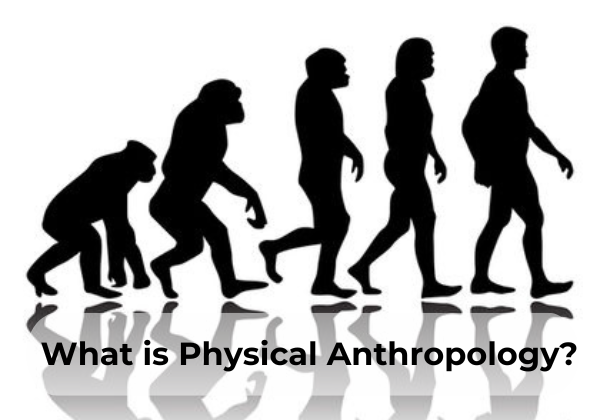
Physical anthropology provides critical insights into how humans have evolved over millions of years. By studying skeletal remains and fossil records, anthropologists can trace the evolutionary lineage of Homo sapiens and understand the adaptations that have allowed our species to survive and thrive.
Evolutionary Milestones
- Bipedalism: One of the most significant developments in human evolution was the transition to walking on two legs. Physics helps in understanding the biomechanics of bipedalism, including the changes in the spine, pelvis, and lower limbs that facilitated upright walking.
- Tool Use: The development of tools is closely linked to human evolution. Physical anthropology, combined with physics, helps us understand how early humans crafted and used tools, and how this technological advancement influenced our evolutionary trajectory.
- Cranial Capacity: The increase in brain size and complexity is another key aspect of human evolution. By studying fossil skulls, physical anthropologists can assess changes in cranial capacity over time and correlate these with cognitive development and social behavior.
Methods and Techniques in Physical Anthropology
Physical anthropologists employ a range of methods and techniques to study human evolution, many of which are rooted in physics. These include:
1. Radiometric Dating
- Application: Used to determine the age of rocks and fossils. Radiometric dating methods like potassium-argon dating and uranium-lead dating rely on the known decay rates of radioactive isotopes.
| Method | Isotope Used | Dating Range |
|---|---|---|
| Radiocarbon | Carbon-14 | Up to 50,000 years |
| Potassium-Argon | Potassium-40 | 100,000 to billions of years |
| Uranium-Lead | Uranium-238 | 1 million to over 4.5 billion years |
2. Stable Isotope Analysis
- Application: By analyzing the ratios of stable isotopes in bones and teeth, physical anthropologists can infer ancient diets, migration patterns, and environmental conditions.
3. Forensic Analysis
- Application: Physics-based methods such as X-ray fluorescence and mass spectrometry are used to analyze trace elements in bones, providing information on the health, diet, and geographic origins of ancient populations.
The Importance of Biomechanics in Physical Anthropology
Biomechanics, the study of the mechanical aspects of living organisms, is a crucial area where physics and physical anthropology converge. By applying principles of mechanics to the human body, anthropologists can explore how physical forces influence human movement, posture, and skeletal structure.
Understanding Human Locomotion
One of the key applications of biomechanics in physical anthropology is the study of human locomotion. By analyzing the mechanics of walking, running, and other movements, researchers can infer how our ancestors moved and adapted to different environments.
| Locomotion Type | Key Features | Biomechanical Considerations |
|---|---|---|
| Bipedalism | Upright walking on two legs | Spine curvature, pelvis structure |
| Quadrupedalism | Walking on four limbs | Limb length, joint orientation |
| Knuckle-walking | Walking on knuckles (primates) | Wrist joint adaptation, arm length |
Challenges and Future Directions in Physical Anthropology
Physical anthropology, like any scientific field, faces challenges, particularly in integrating complex physical models with biological data. As technology advances, new methods are being developed to overcome these challenges and provide deeper insights into human evolution.
Integrating Genetics with Physical Anthropology
The integration of genetics with physical anthropology is a promising area of research. By combining genetic data with physical evidence, researchers can gain a more comprehensive understanding of human evolution. This interdisciplinary approach allows for the study of ancient DNA, which can provide direct evidence of evolutionary relationships and migrations.
The Role of Big Data and Computational Models
The advent of big data and computational models is transforming physical anthropology. These tools allow researchers to analyze vast amounts of data, such as genetic sequences or biomechanical simulations, leading to new discoveries and insights.
Physical anthropology is a multidisciplinary field that draws on various scientific disciplines, including physics, to explore the physical aspects of human evolution. By applying physical principles to the study of human biology, physical anthropologists can uncover new insights into our past, from the biomechanics of bipedalism to the genetic underpinnings of human variation. As technology continues to evolve, the intersection of physical anthropology and physics will undoubtedly lead to further discoveries that enhance our understanding of what it means to be human.
This article has provided a detailed exploration of physical anthropology in the context of physics, highlighting the significance of this interdisciplinary approach. Whether you are a student, researcher, or simply curious about human evolution, understanding the role of physics in physical anthropology offers a deeper appreciation of this fascinating field.
Physical Anthropology FAQs
1. What is physical anthropology?
Physical anthropology, also known as biological anthropology, is the study of the biological and physical development of humans. It involves examining human evolution, genetics, primatology, and the physical adaptations of humans over time. This field aims to understand how humans have evolved and adapted to their environments, using fossil records, genetics, and other biological evidence.
2. How does physics relate to physical anthropology?
Physics plays a crucial role in physical anthropology by providing tools and methods to analyze and understand physical aspects of human evolution. Techniques such as radiometric dating, biomechanics, and imaging technologies like CT scans are derived from physics and are used to study skeletal remains, fossils, and human movement, helping anthropologists gain insights into the physical development of humans.
3. What is biomechanics, and why is it important in physical anthropology?
Biomechanics is the study of the mechanical principles of living organisms, particularly in relation to movement and structure. In physical anthropology, biomechanics is important because it helps researchers understand how early humans moved, how their skeletal structures adapted to different environments, and the physical forces that influenced human evolution. By analyzing the mechanics of human locomotion, anthropologists can infer how our ancestors survived and evolved.
4. What role does radiometric dating play in physical anthropology?
Radiometric dating is a method used to determine the age of rocks, fossils, and other materials based on the decay of radioactive isotopes. In physical anthropology, radiometric dating is essential for establishing the age of ancient human remains and artifacts. This helps anthropologists build timelines of human evolution and understand the chronological order of evolutionary events.
5. Can physical anthropology help us understand modern human variation?
Yes, physical anthropology helps us understand modern human variation by studying the genetic and physical differences among human populations. By examining factors such as genetics, environmental influences, and evolutionary history, physical anthropologists can explain the diversity seen in modern humans. This understanding can provide insights into health, adaptation, and the biological basis of cultural practices across different populations.