
An insulator is a material that blocks or slows the flow of electricity, heat, or sound, unlike conductors that easily allow energy to pass through. Insulators are essential for safety and efficiency, preventing electrical shocks, saving energy, and reducing noise. Common examples include rubber, glass, and certain plastics. They are widely used in homes, industries, and electronics to maintain safety and comfort.
This article explores insulators in detail, covering their types, properties, working principles, and various applications, highlighting their crucial role in everyday life and technology.
What is an Insulator?
An insulator is a material designed to stop the flow of electricity or heat. It works by blocking these elements, making it crucial for safety and efficiency. For instance, insulators like rubber, glass, and plastic are used to cover electrical wires to prevent shocks and short circuits. In homes, thermal insulators keep heat in during winter and out during summer, helping save on energy costs. By effectively stopping the unwanted transfer of heat or electricity, insulators ensure that electrical systems run safely and efficiently and that buildings stay comfortable and energy-efficient.
Types of Insulators
Insulators come in different types, each serving a unique purpose. The main types are:
Electrical Insulators
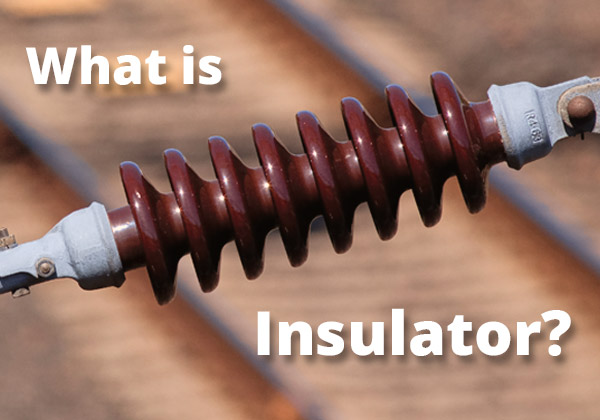
Electrical insulators are materials that prevent electric current from passing through them. They are used to cover and protect electrical wires and components. For example, the rubber coating on electrical cables or the ceramic insulators on power lines prevents electrical shock and ensures that electricity flows through the intended paths only.
Thermal Insulators
Thermal insulators are designed to reduce the transfer of heat. They are used to keep heat in or out of a specific area. For instance, fiberglass insulation in walls and foam insulation in refrigerators help maintain temperature and improve energy efficiency by minimizing heat loss or gain.
Acoustic Insulators
Acoustic insulators, also known as soundproofing materials, reduce the transmission of sound. They are used in various settings to create quieter environments. Examples include foam panels in recording studios and soundproofing materials in office partitions. These insulators help minimize noise by absorbing sound waves and preventing them from passing through walls or floors.
Properties of Insulators
Insulators have distinct properties that make them effective in their roles.
Firstly, they exhibit high electrical resistance, meaning they resist the flow of electrical current. This prevents electricity from passing through, making them ideal for protecting people and equipment from electrical shocks and short circuits.
Secondly, insulators have low thermal conductivity, which means they don’t easily conduct heat. This property is useful for keeping buildings warm in winter and cool in summer, as they help maintain consistent temperatures and reduce energy costs.
Lastly, many insulators offer sound absorption, which helps to muffle or block noise. This makes them valuable in creating quieter environments, such as in soundproof rooms or reducing noise between floors.
Together, these properties allow insulators to effectively manage electricity, heat, and sound in various applications, ensuring safety and comfort.
Why are Insulators Important?
Insulators are crucial in our daily lives for several key reasons:
- Safety: Insulators protect people from electrical hazards by stopping electricity from traveling through unintended paths. This helps prevent electrical shocks and accidents, ensuring that electrical systems are safe to use.
- Energy Efficiency: They help keep buildings and appliances at a consistent temperature. For example, insulation in walls and windows keeps heat inside during winter and outside during summer. This reduces the amount of energy needed to heat or cool spaces, saving on energy bills.
- Noise Reduction: Insulators also help to reduce noise. By absorbing sound waves, they make environments quieter, which is important for comfort and productivity. This is particularly useful in offices, homes, and recording studios.
Without insulators, managing and controlling electricity, heat, and noise would be much more difficult, leading to higher costs and less comfort.
Examples of Common Insulators
Here are some common examples of insulators and their uses:
- Rubber: Rubber is widely used in electrical cables, plugs, and household appliances because it prevents electrical shocks. Its high resistance to electricity makes it an excellent insulator, ensuring that the current flows through the intended path without escaping and causing harm. This is why rubber is often used to coat wires and electrical connectors.
- Glass: Glass is a good insulator of both electricity and heat. It is often used in windows to provide thermal insulation and in light bulbs to keep the electrical components safe. Additionally, glass is used as a component in some high-voltage electrical insulators, like those found on power lines, because it does not conduct electricity.
- Plastic: Plastic is one of the most commonly used insulating materials in the world. It is often used to cover electrical wires and cables to prevent electrical shocks. Plastic is also used in many household items to ensure safety and efficiency, as it does not conduct electricity or heat easily.
These insulators are chosen for their effectiveness in blocking electrical currents, heat, or sound, providing safety and functionality in various applications.
Applications of Insulators
Insulators are widely used across different fields due to their ability to block electricity, heat, and sound.
In electrical engineering, insulators are crucial for protecting wires, cables, and other electrical components. They prevent electrical currents from escaping their designated paths, reducing the risk of electric shocks and short circuits. Materials like rubber and plastic are often used to coat wires, providing safety in households and industries.
In construction, insulators play a key role in reducing heat loss and maintaining energy efficiency. Insulation materials like fiberglass and foam are installed in walls, roofs, and floors to keep buildings warm in winter and cool in summer, cutting down on energy costs.
In manufacturing, insulators help create products that require protection from heat or electricity. For instance, insulators are used in making electronic devices and appliances, ensuring that internal parts are safe from electrical hazards or overheating.
Each application leverages specific insulator properties, like high resistance or low conductivity, to achieve desired safety and efficiency outcomes.
How Insulators Work?
Insulators function by blocking the flow of electrical charges or heat, effectively stopping the transfer of energy. This is achieved through their unique molecular structure.
In materials like rubber or glass, the molecules are tightly bound and do not allow free movement of electrons, which is necessary for electrical conduction. This makes them excellent electrical insulators, as they prevent electricity from flowing through them, protecting us from electrical hazards.
Similarly, in thermal insulators such as foam or fiberglass, the structure of the material traps air or creates a barrier that resists the transfer of heat. This low thermal conductivity helps maintain stable temperatures, whether it is keeping heat inside a building during winter or preventing heat from entering during summer.
By understanding these properties, insulators are specifically designed and used to enhance safety, reduce energy consumption, and control sound in various environments, ensuring they perform their roles effectively.
Difference Between Insulators and Conductors
Here’s a detailed comparison of insulators and conductors in a tabular format:
| Property | Insulators | Conductors |
| Definition | Materials that resist the flow of electrical current and heat. | Materials that allow electrical current and heat to flow freely. |
| Electrical Conductivity | Low conductivity; does not allow free movement of electrons. | High conductivity; allows free movement of electrons. |
| Thermal Conductivity | Poor conductors of heat; maintain temperature by resisting heat flow. | Good conductors of heat; allow heat to pass through easily. |
| Common Materials | Rubber, glass, plastic, wood, ceramic. | Copper, aluminum, silver, gold, iron. |
| Usage | Used to insulate electrical wires, prevent shocks, and maintain energy efficiency in buildings. | Used in electrical wiring, circuits, and heat exchangers for efficient energy transfer. |
| Electron Movement | Electrons are tightly bound and do not move freely, preventing current flow. | Electrons are loosely bound and move freely, facilitating current flow. |
| Applications | Electrical insulation, thermal insulation, soundproofing. | Electrical transmission lines, heating elements, electronic circuits. |
| Examples | Rubber-coated cables, fiberglass insulation in homes, ceramic insulators on power lines. | Copper wires, aluminum foils, metal pots and pans. |
This table highlights the key differences between insulators and conductors, focusing on their properties, materials, and applications in everyday life.
How To Choose the Right Insulator ?
Choosing the right insulator is crucial for the safety, efficiency, and effectiveness of a project.
The first step is to identify the type of insulation needed. For electrical applications, you need insulators that prevent electrical currents, like rubber or ceramic. For managing heat, such as in buildings or appliances, choose thermal insulators like foam or fiberglass. If noise reduction is your goal, look for acoustic insulators such as foam panels.
Next, consider the environment where the insulator will be used. Factors like moisture, temperature, and exposure to chemicals can affect the performance of the insulator. For example, outdoor environments may need materials that can withstand UV rays and rain.
Finally, focus on the performance characteristics required for the specific application. This includes high electrical resistance, low thermal conductivity, or soundproofing ability.
Choosing the right insulator based on these factors ensures that it meets the demands of the application, performs optimally, and enhances safety.
Future Trends in Insulator Technology
Insulator technology is rapidly evolving, with researchers focusing on developing new materials that are more efficient, durable, and environmentally friendly. One major trend is the creation of advanced thermal insulators that offer better heat resistance and energy efficiency. These materials are designed to provide superior insulation for homes, buildings, and appliances, helping reduce energy costs and carbon footprints.
Another area of development is in improved electrical insulators that can handle higher voltages and provide enhanced safety. These are particularly important for high-voltage power lines and advanced electrical systems that require more robust insulation.
Lastly, there is a growing emphasis on eco-friendly insulators made from sustainable or recyclable materials. These new insulators aim to reduce environmental impact without compromising on performance.
As the demand for sustainable building and electrical solutions increases, these trends in insulator technology will play a crucial role in shaping safer and more efficient systems for the future.
Insulator Materials and Their Characteristics
Different insulator materials are chosen based on their unique characteristics and the specific requirements of their applications.
Rubber is a common insulator known for its flexibility and high resistance to electrical currents. It is widely used to cover electrical wires and cables, preventing electric shocks and short circuits.
Glass is another insulator that is more rigid and is often used in electrical applications like insulators for power lines and in electronic devices. Its transparency and resistance to heat make it a preferred choice for many electrical and lighting applications.
Plastic is highly versatile and is used in numerous insulation applications, including household items, electronic devices, and industrial components. Plastics are lightweight, durable, and can be molded into various shapes, making them suitable for a wide range of uses.
Each insulator material is selected for its specific properties, such as flexibility, rigidity, or durability, to effectively block the flow of electricity, heat, or sound, ensuring safety and efficiency in its intended application.
Different Insulator Testing and Standards
To ensure the safety, effectiveness, and reliability of insulators, various testing methods and standards are in place.
Electrical Testing involves measuring an insulator’s resistance to electrical currents to determine its effectiveness in preventing electrical flow. This testing is crucial for electrical insulators used in power lines, wiring, and electrical components, ensuring they meet safety requirements.
Thermal Testing assesses an insulator’s thermal conductivity and insulation properties. This type of testing is important for materials used in building insulation, appliances, and other applications where maintaining temperature is crucial.
There are also specific Standards set by regulatory bodies to guide the manufacturing, quality, and application of insulators. These standards ensure that insulators can withstand the required voltage, temperature, and environmental conditions.
Following these standards and conducting rigorous testing helps maintain high-quality and reliable insulator materials that perform their functions effectively, preventing failures and accidents in electrical, thermal, and acoustic applications.
What is an Insulator? FAQs
Q1. What is the primary function of an insulator?
The main function of an insulator is to block or resist the flow of electricity or heat. This helps protect people from electrical shocks, prevents overheating, and maintains energy efficiency in buildings, ensuring safe and efficient operation in various applications.
Q2. What are some common materials used as insulators?
Common insulator materials include rubber, glass, plastic, and foam. Rubber is flexible and great for electrical insulation; glass is rigid and heat-resistant; plastic is versatile and widely used, while foam is excellent for thermal and sound insulation in buildings and packaging.
Q3. How do electrical insulators differ from thermal insulators?
Electrical insulators block the flow of electricity, preventing shocks and short circuits, while thermal insulators reduce heat transfer, maintaining temperature control. Both are essential for safety and efficiency but serve different purposes depending on their properties and applications.
Q4. Why is it important to use insulators in electrical wiring?
Insulators in electrical wiring are crucial for preventing electrical shocks, short circuits, and fires. They ensure safe operation by keeping the electric current contained within the wires, protecting users and surrounding materials from potential electrical hazards.
Q5. What are some emerging trends in insulator technology?
Emerging trends in insulator technology focus on advanced materials that offer better performance, such as higher resistance or lower thermal conductivity. Eco-friendly insulators made from sustainable or recyclable materials are also gaining popularity to reduce environmental impact.