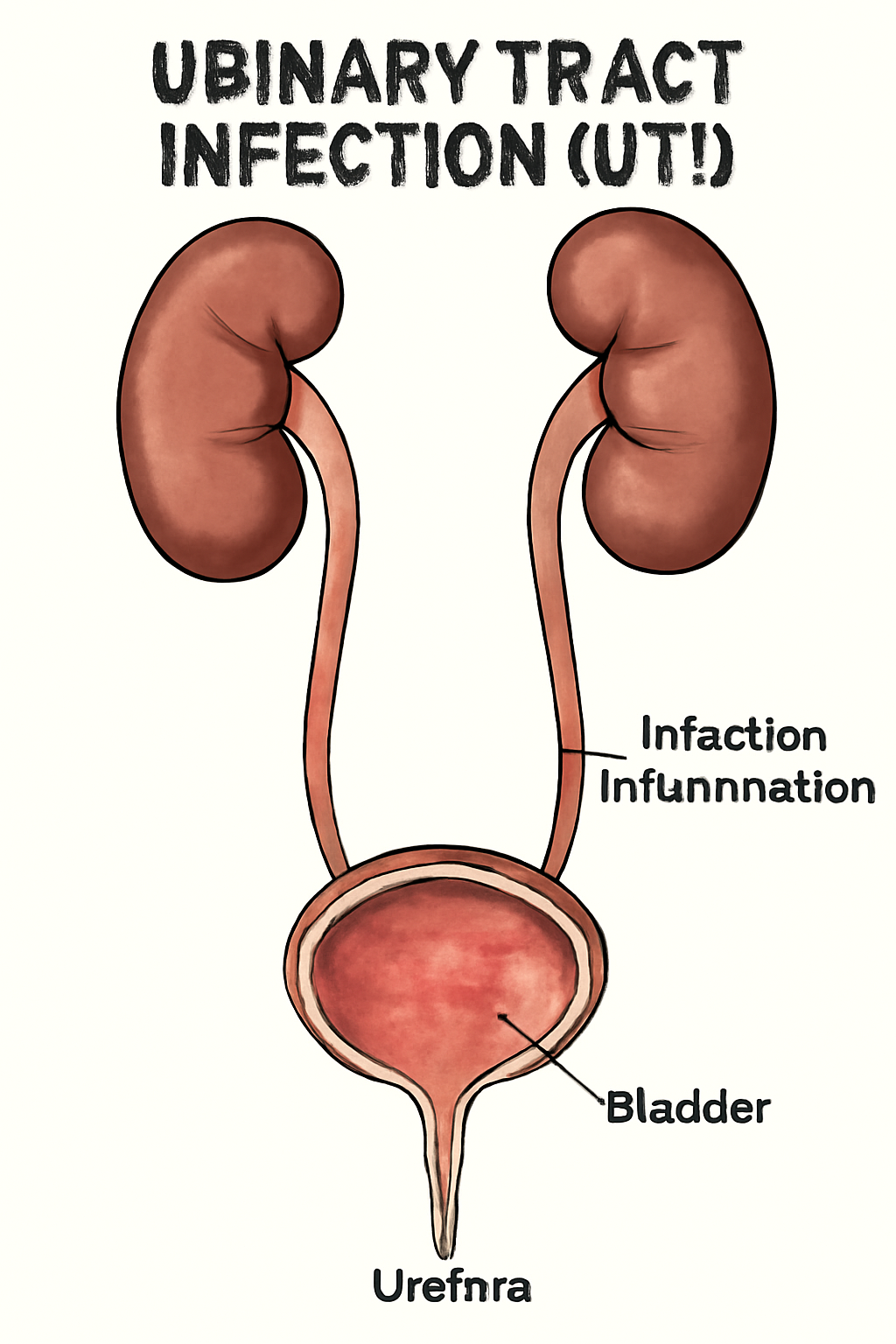

UTI Full Form in Medical: In medical terms, UTI stands for urinary tract infection. It is a common infection that can affect different parts of the urinary system, including the bladder, urethra, ureters, and kidneys. This condition is seen in people of all ages but is more common in women. UTIs can cause discomfort and pain but are usually easy to treat with proper medication and care.
What is a Urinary Tract Infection (UTI)?
A urinary tract infection is a condition where harmful bacteria enter the urinary system and multiply, leading to infection. Most UTIs occur in the lower urinary tract, which includes the bladder and urethra. In more severe cases, the infection can move up to the kidneys and cause serious complications.
Types of UTI
There are three main types of UTIs based on which part of the urinary tract is infected:
-
Cystitis (infection of the bladder): Causes frequent urination, lower belly pain, and a burning sensation.
-
Urethritis (infection of the urethra): Leads to burning while urinating and discharge.
-
Pyelonephritis (infection of the kidneys): Causes fever, back pain, nausea, and vomiting.
Causes of UTI
UTIs are mostly caused by bacteria. The most common one is Escherichia coli (E. coli), which is normally found in the intestines. Sometimes, these bacteria spread from the anus to the urethra and then to the bladder or kidneys.
Some other causes include
-
Poor hygiene
-
Holding urine for too long
-
Using dirty public toilets
-
Dehydration
-
Sexual activity
-
Use of catheters
-
Blockages in the urinary tract, such as kidney stones
Symptoms of UTI
The signs of a UTI can vary depending on the part of the urinary system involved. Common symptoms include
-
Burning feeling during urination
-
Frequent urge to urinate
-
Cloudy or strong-smelling urine
-
Blood in the urine
-
Pain in the lower abdomen or back
-
Fever and chills (in case of kidney infection)
Diagnosis of UTI
Doctors usually diagnose UTIs through
-
Urine Test: A sample of urine is taken to check for bacteria, blood, or pus.
-
Urine Culture: This test identifies the specific bacteria causing the infection.
-
Ultrasound or CT Scan: These are used in complicated or repeated infections to check for blockages or abnormalities.
Treatment of UTI
UTIs are generally treated with antibiotics prescribed by a doctor. The type and length of the treatment depend on the severity and location of the infection. It is important to complete the full course of medicine even if symptoms go away.
Pain relievers may also be given to reduce discomfort. Drinking plenty of water helps flush out bacteria from the body faster.
Prevention of UTI
You can reduce the chances of getting a UTI by following these simple tips:
-
Drink plenty of water every day
-
Urinate when you feel the urge; don’t hold it in
-
Wipe from front to back after using the toilet
-
Keep the genital area clean and dry
-
Avoid using scented hygiene products in the genital area
-
Urinate after sexual activity
-
Wear cotton underwear and avoid tight clothes
Complications of UTI
If not treated on time, a urinary tract infection can lead to
-
Kidney infection (which can damage the kidneys)
-
Recurring infections
-
Infections spreading to the bloodstream (sepsis)
-
Complications in pregnancy, such as low birth weight or premature delivery
Who is at Risk?
Some people are more likely to get UTIs, including
-
Women (due to shorter urethra)
-
Pregnant women
-
People with diabetes
-
Elderly people
-
People with a history of kidney stones
-
Those using urinary catheters
UTI in Men and Children
UTIs are less common in men but can still occur, especially in older ages due to prostate issues. In children, UTIs may lead to fever, fussiness, poor feeding, and bedwetting. Any signs in children should be taken seriously and treated quickly.
When to See a Doctor
It is important to visit a doctor if:
-
You have a fever or chills
-
There is blood in your urine
-
Pain is severe
-
Symptoms last more than two days
-
You are pregnant or have other health issues
UTI Full Form in Medical: Conclusion
UTI stands for Urinary Tract Infection, a common but treatable medical condition. Knowing the causes, symptoms, and ways to prevent it can help you stay healthy. If you notice any symptoms, consult a doctor early for proper diagnosis and treatment.