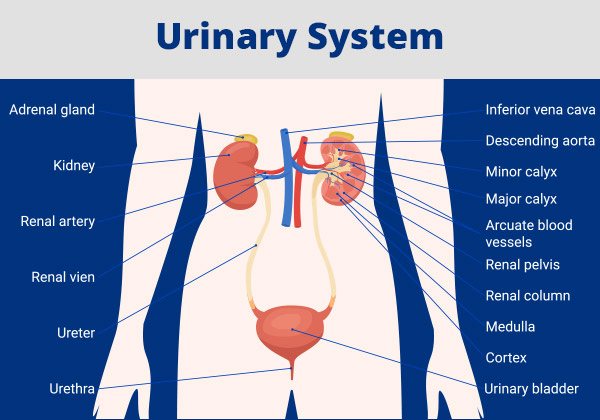

The urinary system is vital for maintaining the body’s internal balance and overall health. It functions as the body’s natural waste management system, removing toxins and excess substances from the bloodstream. By regulating fluid levels, electrolytes, and pH balance, it plays a key role in preventing conditions like high blood pressure and dehydration. The system includes the kidneys, ureters, bladder, and urethra, working together to filter blood, produce urine, and expel waste. Understanding the urinary system helps us appreciate its importance in our daily health and highlights the need for proper care and attention to maintain its efficiency.
What is a Urinary System?
The urinary system, also known as the renal system, is a group of organs that work together to remove waste products from the blood and excrete them from the body in the form of urine. This system is crucial for maintaining the body’s internal balance of water, salts, and other substances. By filtering the blood, the urinary system helps regulate blood pressure, control levels of electrolytes and metabolites, and eliminate toxins.
Types of Urinary System
When we refer to the urinary system in humans, we are primarily focusing on the complex network of organs that include the kidneys, ureters, bladder, and urethra. However, different organisms have variations in their urinary systems based on their environmental needs and biological structure:
- Human Urinary System: The most common and well-studied type, consisting of kidneys, ureters, bladder, and urethra.
- Fish Urinary System: Fish have simpler systems adapted to aquatic life, where they often excrete waste directly into the water. Their kidneys primarily regulate salt and water balance.
- Bird Urinary System: Birds have a unique system where they excrete nitrogenous waste as uric acid rather than urea. This helps conserve water, essential for survival in flight.
- Insect Excretory System: Insects use Malpighian tubules instead of kidneys. These tubules filter waste from the hemolymph (insect blood) and excrete it as a solid.
- Reptile Urinary System: Reptiles, like birds, excrete uric acid, which is less toxic and requires less water to expel.
These variations in urinary systems reflect the adaptability of different species to their environments.
How Does the Urinary System Work in the Human Body?
The human urinary system is a finely tuned system that works continuously to filter blood and maintain homeostasis. Here’s a step-by-step breakdown of how it operates:
- Filtration in the Kidneys: Blood enters the kidneys through the renal arteries. Within the kidneys are millions of tiny filtering units called nephrons. The nephrons filter out waste products, excess salts, and water, while essential substances like glucose, certain ions, and proteins are reabsorbed back into the bloodstream.
- Formation of Urine: The filtered waste products, along with water, form urine. This urine is collected in the renal pelvis, a funnel-shaped structure in the kidneys, and then passed into the ureters.
- Transportation of Urine: The ureters are narrow tubes that carry urine from the kidneys to the bladder. The walls of the ureters are muscular, allowing them to contract and push urine downward toward the bladder.
- Storage in the Bladder: The bladder is a muscular sac that stores urine until it is ready to be expelled from the body. It can hold up to 500 ml of urine comfortably, though the urge to urinate usually occurs when it is about half full.
- Expulsion of Urine: When the bladder reaches its capacity, signals are sent to the brain, triggering the urge to urinate. During urination, the bladder muscles contract, and the sphincter muscles at the base of the bladder relax, allowing urine to flow out through the urethra.
Urinary System Parts
The urinary system consists of several key organs and structures, each with a specific role:
- Kidneys: Located on either side of the spine, just below the ribcage, the kidneys are the primary organs of the urinary system. They filter blood, remove waste, balance electrolytes, and regulate blood pressure. Each kidney contains around a million nephrons, the functional units where filtration occurs.
- Ureters: These are thin tubes, approximately 10-12 inches long, that carry urine from the kidneys to the bladder. The ureters are lined with smooth muscle that contracts in waves to propel urine downward.
- Bladder: The bladder is a hollow, muscular organ situated in the pelvis. It acts as a temporary storage container for urine. The bladder’s walls stretch and expand as it fills with urine, and it signals the brain when it’s time to empty.
- Urethra: The urethra is the tube that carries urine from the bladder out of the body. In men, the urethra is longer and passes through the penis, serving a dual purpose for urination and ejaculation. In women, the urethra is shorter and opens just above the vaginal opening.
Urinary System Functions
The urinary system performs several critical functions that are essential for maintaining homeostasis and overall health:
- Waste Removal: The primary function of the urinary system is to remove waste products and toxins from the bloodstream. These wastes include urea (produced from the breakdown of proteins), creatinine (from muscle metabolism), and various other byproducts of cellular metabolism.
- Regulation of Blood Volume and Pressure: The kidneys regulate blood volume by adjusting the amount of water excreted in urine. They also release an enzyme called renin, which helps control blood pressure.
- Electrolyte Balance: The kidneys maintain the proper balance of electrolytes (such as sodium, potassium, and calcium) in the blood. This balance is crucial for nerve function, muscle contraction, and heart health.
- Acid-Base Balance: The kidneys help maintain the body’s pH balance by excreting hydrogen ions and reabsorbing bicarbonate from urine. This process is essential for preventing acidosis or alkalosis, conditions where the blood becomes too acidic or too alkaline.
- Erythropoiesis Regulation: The kidneys produce erythropoietin, a hormone that stimulates the production of red blood cells in the bone marrow. This is vital for ensuring that the blood can carry sufficient oxygen to the tissues.
- Detoxification: The urinary system helps remove various toxins and drugs from the body, ensuring that they do not accumulate to harmful levels.
- Water Balance: By controlling the amount of water excreted, the urinary system helps maintain hydration levels in the body, preventing dehydration or fluid overload.
Urinary System Facts
- Daily Filtration: The kidneys filter approximately 120 to 150 quarts of blood daily, producing about 1 to 2 quarts of urine.
- Kidney Stones: One in ten people will experience kidney stones at some point in their life. These are hard deposits formed from minerals and salts in the urine.
- Dual Role of Urethra in Men: In males, the urethra serves both the urinary and reproductive systems, carrying urine and semen, though not simultaneously.
- Blood Pressure Control: The kidneys play a crucial role in controlling blood pressure by adjusting the amount of sodium and water excreted.
- Bladder Control: The human bladder is capable of holding about 500 milliliters of urine, but the urge to urinate typically begins when it reaches around 200 to 300 milliliters.
- Urinating Frequency: On average, a healthy adult urinates about 6 to 8 times a day, though this can vary based on fluid intake and overall health.
- Color of Urine: The color of urine can provide insights into a person’s hydration status. Clear or light yellow urine usually indicates proper hydration, while darker urine may suggest dehydration.
- Kidneys’ Oxygen Consumption: The kidneys consume about 25% of the body’s oxygen at rest, even though they only account for about 0.5% of the body’s weight.
Urinary System Diseases
Various diseases and disorders can affect the urinary system, some of the most common include:
- Urinary Tract Infections (UTIs): UTIs are infections that can occur in any part of the urinary system, but they most commonly affect the bladder and urethra. Symptoms include a strong, persistent urge to urinate, a burning sensation when urinating, and cloudy or strong-smelling urine.
- Kidney Stones: These are hard deposits made of minerals and salts that form inside the kidneys. Kidney stones can cause severe pain, blood in the urine, and nausea or vomiting.
- Chronic Kidney Disease (CKD): CKD is a long-term condition where the kidneys gradually lose their function. It can lead to kidney failure, requiring dialysis or a kidney transplant.
- Acute Kidney Injury (AKI): AKI is a sudden loss of kidney function, often due to severe dehydration, a blockage in the urinary tract, or a reaction to certain medications. It can be reversible with prompt treatment.
- Bladder Cancer: This type of cancer begins in the bladder’s lining and can cause symptoms like blood in the urine, frequent urination, and pelvic pain.
- Polycystic Kidney Disease (PKD): PKD is a genetic disorder that causes numerous cysts to grow in the kidneys. These cysts can lead to kidney enlargement and impaired function over time.
- Interstitial Cystitis: Also known as painful bladder syndrome, this chronic condition causes bladder pressure, bladder pain, and sometimes pelvic pain. The exact cause is unknown.
- Glomerulonephritis: This is an inflammation of the glomeruli, the tiny filtering units in the kidneys. It can be caused by infections, autoimmune diseases, or other conditions and may lead to kidney damage if not treated.
- Urinary Incontinence: This condition involves the loss of bladder control, leading to accidental leakage of urine. It can be caused by a range of factors, including weakened pelvic muscles, nerve damage, or certain medications.
- Benign Prostatic Hyperplasia (BPH): In men, BPH is an enlargement of the prostate gland that can block the flow of urine from the bladder, leading to frequent urination, difficulty starting urination, and a weak urine stream.
Common Treatment for Urinary System Diseases
Treatment for urinary system diseases typically involves various approaches aimed at addressing the underlying condition, relieving symptoms, and improving overall health. Here are some common treatment strategies used for urinary system disorders:
1. Medications
- Antibiotics: Often used to treat infections within the urinary tract, these drugs target and eliminate bacteria.
- Pain Relievers: Over-the-counter medications like acetaminophen or ibuprofen can help manage discomfort associated with urinary system issues.
- Anti-Inflammatories: Non-steroidal anti-inflammatory drugs (NSAIDs) can reduce inflammation and provide pain relief.
- Diuretics: Medications that increase urine production to help manage conditions like fluid retention or high blood pressure.
- Hormone Therapies: Used for certain conditions affecting hormone balance within the urinary system.
2. Lifestyle and Dietary Adjustments
- Increased Fluid Intake: Drinking more water can help flush out toxins and prevent dehydration.
- Dietary Changes: Adjusting diet to reduce intake of certain substances (e.g., sodium, oxalates) can help manage symptoms and prevent complications.
- Avoiding Irritants: Reducing consumption of caffeine, alcohol, and spicy foods to avoid aggravating urinary symptoms.
3. Behavioral Therapies
- Pelvic Floor Exercises: Strengthening the muscles of the pelvic floor through exercises like Kegels can improve bladder control and reduce symptoms.
- Bladder Training: Techniques to gradually increase the time between bathroom visits and improve bladder control.
4. Medical Procedures
- Surgical Interventions: Various surgeries may be required to address issues such as blockages, tumors, or structural abnormalities in the urinary system.
- Minimally Invasive Procedures: Techniques such as endoscopic procedures to remove stones or lesions, or laser treatments for certain conditions.
- Dialysis: A procedure to artificially remove waste and excess fluid from the blood when kidneys are not functioning properly.
5. Monitoring and Supportive Care
- Regular Check-ups: Routine medical evaluations to monitor the progress of a condition and adjust treatment plans as needed.
- Management of Complications: Addressing related health issues or complications that arise from urinary system diseases.
6. Alternative Therapies
- Herbal Remedies: Certain herbs and supplements may provide relief for specific urinary symptoms or support overall urinary health, but should be used with caution and under medical supervision.
- Acupuncture: Some people find relief from urinary symptoms through acupuncture, although its effectiveness can vary.
7. Preventive Measures
- Good Hygiene Practices: Maintaining proper hygiene to prevent infections and other complications.
- Vaccinations: Certain vaccinations may help prevent infections that could affect the urinary system.
FAQs on Urinary System
Q1. What are the common symptoms of a urinary tract infection (UTI)?
Symptoms include a frequent, urgent need to urinate, a burning sensation during urination, cloudy or strong-smelling urine, and pelvic pain.
Q2. How can I prevent kidney stones?
Drink plenty of water, reduce salt intake, and limit foods high in oxalates (like spinach and nuts) to prevent kidney stones.
Q3. What are the signs of chronic kidney disease (CKD)?
Symptoms may include fatigue, swelling in the legs and ankles, changes in urine output, and high blood pressure. Early stages may have no noticeable symptoms.
Q4. What is the difference between acute kidney injury (AKI) and chronic kidney disease (CKD)?
AKI is a sudden loss of kidney function, often reversible with prompt treatment, while CKD is a gradual, irreversible decline in kidney function over time.
Q5. Can bladder cancer be treated?
Yes, bladder cancer can be treated through surgery, chemotherapy, radiation, or immunotherapy, depending on the cancer stage and patient’s health.
Q6. What lifestyle changes can help manage interstitial cystitis?
Dietary adjustments to avoid bladder irritants, stress management techniques, and regular exercise can help manage interstitial cystitis symptoms.
Q7. How is polycystic kidney disease (PKD) diagnosed?
PKD is diagnosed through imaging tests like ultrasound or CT scans, which reveal cysts in the kidneys, along with family medical history and blood tests.
Q8. What are the main functions of the urinary system?
The urinary system removes waste products, regulates blood volume and pressure, balances electrolytes, maintains acid-base balance, and controls hydration.
Q9. How can I maintain a healthy urinary system?
Stay hydrated, maintain a balanced diet, avoid excessive salt intake, and practice good hygiene. Regular check-ups can also help detect issues early.