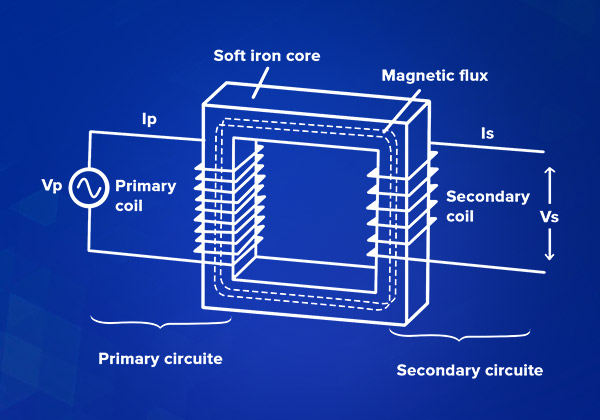

Transformers are essential electrical devices used to transfer electrical energy between circuits through electromagnetic induction. They play a crucial role in the transmission and distribution of electricity, making them vital components in our daily lives. This article will explore the types, functions, importance, uses, and effects of transformers.
Types of Transformers
Step-Up Transformers
- These transformers increase the voltage from a lower level to a higher level.
- They are commonly used in power plants to transmit electricity over long distances.
Step-Down Transformers
- These transformers decrease the voltage from a higher level to a lower level.
- They are used in residential and commercial areas to provide safe voltage levels for appliances.
Isolation Transformers
- They provide electrical isolation between two circuits without changing the voltage.
- Used for safety and to prevent electrical noise in sensitive equipment.
Auto Transformers
- These transformers have a single winding that acts as both the primary and secondary winding.
- They are more efficient and smaller than traditional transformers but are used in specific applications due to the lack of electrical isolation.
Functions of Transformers
- Voltage Regulation: Transformers adjust the voltage levels to match the requirements of different electrical devices and systems.
- Energy Transfer: They efficiently transfer electrical energy between circuits, ensuring minimal energy loss.
- Safety: Transformers provide electrical isolation, protecting equipment and users from electrical shocks and surges.
Importance of Transformers
Transformers are integral to the electrical power system for several reasons:
- Efficient Power Transmission: They enable long-distance transmission of electricity by stepping up the voltage, reducing energy loss during transmission.
- Voltage Adaptation: They adjust voltage levels to meet the specific needs of various devices, ensuring their safe and efficient operation.
- Safety and Reliability: Transformers protect electrical devices from damage caused by voltage fluctuations and provide stable power supply.
Uses of Transformers
- Power Generation and Distribution: Used in power plants and substations to manage voltage levels for efficient power transmission and distribution.
- Industrial Applications: Essential in manufacturing and industrial settings for operating heavy machinery and equipment.
- Residential and Commercial Applications: Provide appropriate voltage levels for household appliances and commercial equipment.
Effects of Transformers
- Economic Impact: Transformers contribute to cost-effective power distribution, reducing energy loss and lowering electricity costs.
- Environmental Impact: Efficient transformers reduce energy waste, contributing to lower carbon emissions and a smaller environmental footprint.
- Technological Advancement: The use of transformers supports the development and implementation of advanced electrical systems and technologies.
Transformers are fundamental to modern electrical systems, ensuring efficient, safe, and reliable power distribution across various sectors. Their ability to adjust and regulate voltage levels makes them indispensable in both everyday applications and industrial settings.
Transformers FAQs
Q1: What are the main types of transformers?
Answer: The main types of transformers include:
Step-Up Transformers: Increase voltage levels for long-distance power transmission.
Step-Down Transformers: Decrease voltage levels for safe residential and commercial use.
Isolation Transformers: Provide electrical isolation without changing voltage levels.
Auto Transformers: Use a single winding for both primary and secondary functions, offering higher efficiency in specific applications.
Q2: How do transformers regulate voltage?
Answer: Transformers regulate voltage through electromagnetic induction. A step-up transformer increases the voltage by reducing the current, while a step-down transformer decreases the voltage by increasing the current. This allows the adjustment of voltage levels to match the requirements of different electrical devices and systems.
Q3: Why are transformers important in power transmission?
Answer: Transformers are crucial in power transmission because they enable the efficient long-distance transfer of electricity. By stepping up the voltage at the power plant, transformers reduce energy loss during transmission. At the receiving end, step-down transformers lower the voltage to safe levels for consumer use, ensuring reliable and cost-effective power distribution.
Q4: What are the typical uses of transformers in daily life?
Answer: Transformers are used in various applications, including:
Power Generation and Distribution: Managing voltage levels in power plants and substations.
Industrial Applications: Operating heavy machinery and equipment in manufacturing settings.
Residential and Commercial Applications: Providing appropriate voltage levels for household appliances and commercial equipment.
Q5: How do transformers impact the environment?
Answer: Transformers contribute to environmental sustainability by improving energy efficiency and reducing waste. Efficient transformers lower energy loss during power transmission and distribution, leading to decreased carbon emissions. This helps minimize the environmental footprint of power systems and supports efforts to combat climate change.