
The respiratory system is an essential network in the human body, responsible for the exchange of gasses that keeps us alive. This system enables the inhalation of oxygen, a crucial element for cellular respiration, and the exhalation of carbon dioxide, a metabolic waste product. Understanding the respiratory system’s structure and function is vital for anyone studying human biology, particularly for students preparing for competitive exams like NEET.
This article discusses the detailed structure and function of the respiratory system, explores the mechanisms of breathing and gas exchange, and discusses the regulation of respiration.
What is the Respiratory System?
The respiratory system is the part of your body that helps you breathe. It’s like a big air pump that brings oxygen into your lungs and gets rid of carbon dioxide, which is a waste product.
Here’s how it works:
- Air Entry: You breathe in air through your nose or mouth.
- Air Passage: The air travels down the trachea (windpipe) into the lungs.
- Gas Exchange: Inside the lungs, oxygen from the air moves into the blood, and carbon dioxide moves from the blood into the air sacs in the lungs.
- Breathing Out: The carbon dioxide-rich air is then breathed out.
The respiratory system includes parts like the nose, throat, windpipe, lungs, and tiny air sacs in the lungs. It’s crucial because it provides the oxygen needed for your body to function and helps remove carbon dioxide, keeping you healthy and energized.
Types of Respiratory System
Different animals have evolved unique respiratory systems to meet their specific needs and environments. Here’s an overview of the main types of respiratory systems found in the animal kingdom:
Human Respiratory System
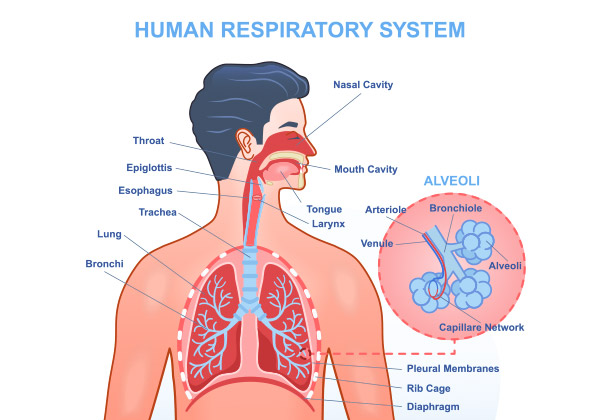
- Structure: Includes the nose, throat (pharynx), voice box (larynx), trachea (windpipe), bronchi (main air tubes), bronchioles (smaller tubes), and lungs.
- Function: Air is drawn in through the nose or mouth, travels down the trachea, and into the lungs. In the lungs, oxygen moves into the blood, and carbon dioxide moves out of the blood to be exhaled. This system is designed for efficient gas exchange to support high metabolic rates.
Fish Respiratory System
- Structure: Features gills located on either side of the head, covered by gill covers (opercula).
- Function: Fish extract oxygen from water as it flows over their gills. Carbon dioxide is released into the water. This system is specialized for extracting oxygen from the water, which is much less oxygen-rich than air.
Insect Respiratory System
- Structure: Consists of a network of tiny tubes called tracheae that open to the outside through small holes called spiracles.
- Function: Air enters through the spiracles and travels directly to the insect’s tissues through the tracheae. Oxygen is delivered directly to cells, and carbon dioxide is expelled through the same system. This direct delivery system is efficient for the small size of insects.
Process of Respiration in Humans
The process of respiration is essential for sustaining life, as it enables the exchange of gasses between the body and the environment.
Here is the step by step process of respiration in humans:
Breathing In (Inhalation)
- Diaphragm Moves Down: The muscle at the bottom of the chest cavity contracts and moves downward.
- Rib Cage Expands: The muscles between the ribs (intercostal muscles) pull the rib cage up and out.
- Air Rushes In: The chest cavity expands, reducing pressure inside. Air flows into the lungs through the nose or mouth.
Gas Exchange in the Lungs
- Oxygen Moves to Blood: In tiny air sacs called alveoli in the lungs, oxygen from the inhaled air moves into the blood.
- Carbon Dioxide Moves Out: Carbon dioxide, a waste product from the blood, moves into the alveoli to be exhaled.
Breathing Out (Exhalation)
- Diaphragm Moves Up: The diaphragm relaxes and moves back up into the chest cavity.
- Rib Cage Drops: The rib cage returns to its original position.
- Air is Pushed Out: The chest cavity shrinks, increasing pressure inside. Air containing carbon dioxide is pushed out of the lungs and out through the nose or mouth.
Transport of Gases
- Oxygen in Blood: Oxygen travels from the lungs to the body’s cells via the bloodstream, where it is used for energy.
- Carbon Dioxide in Blood: Carbon dioxide travels from the body’s cells back to the lungs to be exhaled.
Regulation of Breathing
- Breathing Rate Adjusts: The brain senses levels of oxygen and carbon dioxide in the blood and adjusts breathing rate and depth to maintain balance.
Respiratory System Parts
The respiratory system is made up of several key parts that work together to help you breathe:
- Nose
- Nasal Cavity
- Pharynx (Throat)
- Larynx (Voice Box)
- Trachea (Windpipe)
- Bronchi (Main Air Tubes)
- Bronchioles (Smaller Air Tubes)
- Lungs
- Alveoli (Tiny Air Sacs in the Lungs)
Respiratory System Function
The main job of the respiratory system is to help you breathe by getting oxygen into your body and removing carbon dioxide. Here’s how it works:
- Inhaling: You breathe in air through your nose or mouth. The air travels down the windpipe (trachea) into your lungs.
- Gas Exchange: In your lungs, oxygen from the air moves into your blood. At the same time, carbon dioxide, which is a waste product, moves from your blood into the air sacs in your lungs.
- Exhaling: You breathe out the air that now has carbon dioxide in it, sending it out through your nose or mouth.
This process ensures your body gets the oxygen it needs and gets rid of carbon dioxide.
Respiratory System Parts and Functions
The respiratory system has several parts, each with its own role in helping you breathe. Here’s a simple breakdown:
| Part | Function |
| Nose | Filters, warms, and moistens the air you breathe in. |
| Nasal Cavity | Continues to filter and condition the air; has structures to increase surface area for warming and moistening. |
| Pharynx (Throat) | Passageway for air to travel from the nose or mouth to the larynx. |
| Larynx (Voice Box) | Contains the vocal cords; helps you speak and protects the airway from food and liquids. |
| Trachea (Windpipe) | Main tube that carries air from the larynx to the bronchi. |
| Bronchi | Two main branches from the trachea that lead air into each lung. |
| Bronchioles | Smaller branches of the bronchi that spread air throughout the lungs. |
| Lungs | Main organs where oxygen and carbon dioxide are exchanged. |
| Alveoli | Tiny air sacs in the lungs where the actual exchange of oxygen and carbon dioxide happens. |
Respiratory System Facts
Here are some interesting facts about how the respiratory system works:
- There are about 150 million alveoli in your lungs.
- You breathe about 12 to 20 times per minute when you’re at rest.
- Each time you breathe in, you take in about 500 milliliters of air, known as tidal volume.
- Your body uses about 5% of the oxygen you breathe in; the rest is exhaled.
Respiratory System Diseases
Here are some common diseases that affect the respiratory system:
- Asthma: Causes wheezing, shortness of breath, and coughing due to inflamed airways.
- Chronic Obstructive Pulmonary Disease (COPD): Includes conditions like chronic bronchitis and emphysema; leads to long-term breathing problems.
- Pneumonia: An infection that inflames the air sacs in one or both lungs, causing cough, fever, and difficulty breathing.
- Lung Cancer: Uncontrolled growth of cells in the lungs, which can cause a persistent cough, chest pain, and weight loss.
- Tuberculosis (TB): A bacterial infection that primarily affects the lungs, leading to a severe cough, chest pain, and coughing up blood.
- Bronchitis: Inflammation of the bronchial tubes, leading to a cough that produces mucus and shortness of breath.
Common Treatments for Respiratory System Diseases
Here are some common treatments for respiratory system diseases:
| Diseases | Treatment Method |
| Asthma |
|
| Chronic Obstructive Pulmonary Disease (COPD) |
|
| Pneumonia |
|
| Lung Cancer |
|
| Tuberculosis (TB) |
|
| Bronchitis |
|
Respiratory System FAQs
Q1. What is the main job of the respiratory system?
The respiratory system's main job is to bring oxygen from the air into the bloodstream and remove carbon dioxide, which is a waste product from the blood. This process happens in the lungs, where oxygen moves into the blood and carbon dioxide moves out to be breathed out.
Q2. How many times do we breathe in a minute?
On average, people breathe about 12 to 20 times per minute when they are resting. This rate can increase with exercise, excitement, or other activities that require more oxygen.
Q3. What can cause shortness of breath?
Shortness of breath can be caused by various conditions, including asthma, which makes the airways inflamed and narrow; chronic obstructive pulmonary disease (COPD), which damages the lungs and airways; pneumonia, an infection that inflames the lungs; or even anxiety and panic attacks.
Q4. How can I keep my lungs healthy
To keep your lungs healthy, avoid smoking and exposure to secondhand smoke. Here are some other tips:
Regular exercise can help improve lung capacity and overall health.
Try to avoid pollutants and allergens, and practice good hygiene to prevent infections.
Eat a balanced diet and staying hydrated can also support lung health.
Q5. What is the primary function of the respiratory system?
The primary function of the respiratory system is to supply the body with oxygen and remove carbon dioxide, a waste product of cellular metabolism. This process is essential for maintaining the body’s overall function and energy levels.
Q6. What is the difference between breathing and respiration?
Breathing is the physical process of inhaling and exhaling air, while respiration is a biochemical process where cells use oxygen to produce energy from glucose, releasing carbon dioxide as a byproduct.