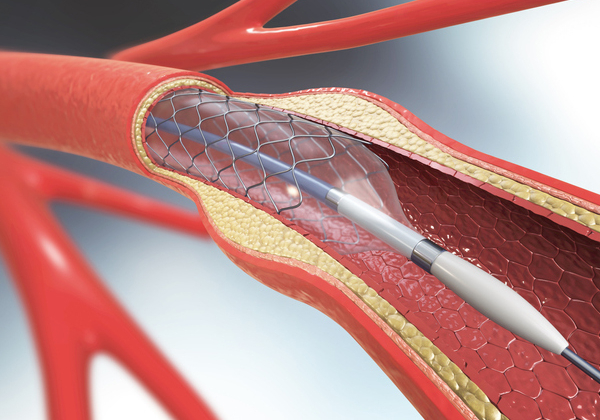

What is PTCA?
PTCA is commonly referred to as balloon angioplasty and is a critical intervention for patients experiencing symptoms of angina or those at risk of heart attacks. It offers a less invasive alternative to coronary artery bypass surgery and provides immediate relief from symptoms while improving heart function.
Full Form List in Medical
Understanding Coronary Artery Disease (CAD)
Coronary artery disease is a condition characterized by the narrowing or blockage of the coronary arteries, which supply blood to the heart muscle. This narrowing is typically caused by the buildup of plaque—a mixture of fat, cholesterol, calcium, and other substances—on the inner walls of the arteries. Over time, plaque buildup can restrict blood flow, leading to chest pain (angina), shortness of breath, and even heart attacks.
Key Components of Plaque in Coronary Arteries
| Component | Description |
|---|---|
| Cholesterol | A fatty substance that can accumulate in the arterial walls |
| Calcium | A mineral that hardens the plaque, contributing to artery stiffness |
| Cellular Waste | Residues from cell metabolism that can contribute to plaque formation |
| Fibrin | A protein involved in blood clotting that can trap other plaque components |
| Inflammatory Cells | Cells that contribute to inflammation and plaque growth in the arteries |
The PTCA Procedure
PTCA involves the use of a catheter—a thin, flexible tube—inserted into the coronary arteries through a small incision, usually in the groin or wrist. A balloon at the catheter’s tip is inflated at the site of the blockage, compressing the plaque against the artery walls and restoring blood flow. In many cases, a stent, a small mesh tube, is also inserted to keep the artery open and prevent restenosis (re-narrowing).
Step-by-Step Overview of PTCA
- Preparation: The patient is given local anesthesia and a sedative. The insertion site is cleaned and numbed.
- Catheter Insertion: A catheter is inserted into an artery in the groin or wrist and guided to the coronary arteries using fluoroscopy (a type of X-ray imaging).
- Balloon Inflation: Once the catheter reaches the blockage, the balloon is inflated, compressing the plaque and widening the artery.
- Stent Placement: A stent may be placed at the site to keep the artery open after the balloon is deflated and removed.
- Completion: The catheter is removed, and the insertion site is closed.
Advantages of PTCA
PTCA offers several advantages over traditional surgical procedures:
- Minimally Invasive: PTCA requires only a small incision, leading to less pain and quicker recovery compared to open-heart surgery.
- Reduced Hospital Stay: Most patients can leave the hospital within a day or two after the procedure.
- Immediate Symptom Relief: Many patients experience immediate relief from chest pain and other symptoms associated with CAD.
- Lower Risk: The procedure carries a lower risk of complications compared to more invasive surgeries.
Risks and Complications
While PTCA is generally safe, it is not without risks. Potential complications include:
- Restenosis: The treated artery may narrow again over time, requiring further intervention.
- Blood Clots: Stents can increase the risk of blood clots forming at the site, potentially leading to a heart attack.
- Bleeding: There is a risk of bleeding at the catheter insertion site.
- Allergic Reactions: Patients may have allergic reactions to the contrast dye used during the procedure.
- Artery Damage: In rare cases, the catheter can damage the artery.
PTCA FAQs
Q1. What is PTCA?
Ans - PTCA, or Percutaneous Transluminal Coronary Angioplasty, is a minimally invasive procedure to treat coronary artery disease by widening narrowed or blocked coronary arteries.
Q2. How long does a PTCA procedure take?
Ans - The procedure typically takes between 30 minutes to two hours, depending on the complexity of the blockage and the patient's condition.
Q3. Is PTCA painful?
Ans - Patients usually do not feel pain during PTCA as local anesthesia is used. Some discomfort may be felt during balloon inflation, but it is generally brief.
Q4. How long is the recovery period after PTCA?
Ans - Recovery time varies, but most patients can resume normal activities within a week. It is essential to follow the doctor's advice on activity levels and medication.
Q5. Are there any dietary restrictions after PTCA?
Ans - Patients are often advised to follow a heart-healthy diet low in saturated fats, cholesterol, and sodium to help prevent further plaque buildup.
Q6. Can PTCA cure coronary artery disease?
Ans - PTCA treats the symptoms of coronary artery disease and can relieve blockages, but it does not cure the underlying condition. Lifestyle changes and medications may be necessary to manage the disease.
Q7. How long do stents last?
Ans - Stents are designed to be permanent. However, restenosis can occur, and in some cases, additional procedures may be required.
Q8. What are the alternatives to PTCA?
Ans - Alternatives include medication management, lifestyle changes, and other procedures like coronary artery bypass grafting (CABG).
Q9. What are the signs of a successful PTCA procedure?
Ans - Successful PTCA results in improved blood flow to the heart muscle, relief from symptoms like chest pain, and improved exercise tolerance.
Q10. Is PTCA suitable for everyone with coronary artery disease?
Ans - PTCA may not be suitable for patients with extensive coronary artery disease, severe artery calcification, or certain medical conditions. The decision depends on individual patient assessments.