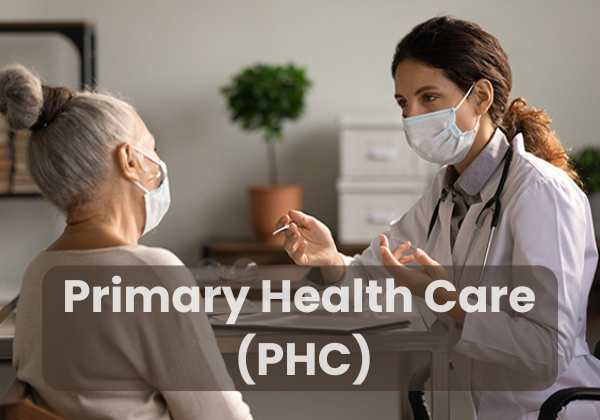

Introduction to PHC: PHC stands for Primary Health Care. It is a comprehensive and accessible form of medical care that forms the foundation of a well-functioning health system. PHC focuses on the broader determinants of health and emphasizes the importance of preventive care, health promotion, and the treatment of common illnesses and conditions. This approach is essential for ensuring that all individuals receive essential health services without financial hardship.
The Origins and Development of PHC
The concept of Primary Health Care was globally recognized during the Alma-Ata Conference in 1978. This landmark event highlighted the importance of a holistic approach to health care that is universally accessible and equitable. The declaration emphasized that health is a fundamental human right and that the attainment of the highest possible level of health is a worldwide social goal.
Key Components of PHC
Primary Health Care encompasses several critical components that contribute to its effectiveness. These components ensure that PHC addresses the needs of communities and individuals comprehensively.
Health Promotion
Health promotion involves activities aimed at improving overall health and well-being. This includes educating communities about healthy lifestyles, disease prevention, and the importance of regular medical check-ups.
Disease Prevention
Preventive measures in PHC include vaccinations, screenings for common diseases, and counseling on risk factors. By preventing diseases before they occur, PHC reduces the burden on the healthcare system and improves population health outcomes.
Curative Services
PHC provides treatment for common illnesses and conditions. This includes diagnosis, management, and follow-up care for acute and chronic diseases. The goal is to provide timely and effective medical care to prevent complications and promote recovery.
Rehabilitation
Rehabilitation services in PHC help individuals recover from illnesses or injuries and regain their independence. These services include physical therapy, occupational therapy, and support for managing chronic conditions.
Essential Medications and Supplies
Ensuring the availability of essential medications and supplies is a critical aspect of PHC. This includes a reliable supply of medicines, vaccines, and medical equipment necessary for treating common health issues.
| Component | Description |
| Health Promotion | Activities aimed at improving overall health and well-being. |
| Disease Prevention | Preventive measures such as vaccinations, screenings, and counseling on risk factors. |
| Curative Services | Treatment for common illnesses and conditions, including diagnosis and management. |
| Rehabilitation | Services to help individuals recover from illnesses or injuries. |
| Essential Medications and Supplies | Availability of necessary medications, vaccines, and medical equipment. |
The Role of PHC in Health Systems
PHC plays a pivotal role in the health systems of countries around the world. It serves as the first point of contact for individuals seeking medical care and provides a pathway to more specialized services when needed.
Accessibility and Equity
One of the core principles of PHC is to provide accessible and equitable health care. This means that health services should be available to all individuals, regardless of their socioeconomic status, geographic location, or cultural background.
Continuity of Care
PHC ensures continuity of care by maintaining comprehensive medical records and fostering long-term relationships between healthcare providers and patients. This continuity helps in better management of chronic conditions and improves patient outcomes.
Community Involvement
Community involvement is a fundamental aspect of PHC. Engaging communities in health planning and decision-making processes ensures that health services are tailored to meet the specific needs and preferences of the population.
Cost-Effectiveness
PHC is cost-effective as it focuses on preventive care and early intervention, reducing the need for expensive hospitalizations and specialized treatments. This approach helps in controlling healthcare costs and improving the efficiency of health systems.
Implementing PHC: Strategies and Challenges
Implementing effective PHC requires a coordinated effort from governments, health organizations, and communities. There are several strategies and challenges associated with the implementation of PHC.
Strengthening Health Infrastructure
Investing in health infrastructure, such as clinics, hospitals, and medical equipment, is essential for delivering high-quality PHC services.
Training and Capacity Building
Training healthcare professionals and building their capacity to deliver comprehensive PHC services is crucial. This includes continuous education and skill development programs.
Health Education and Awareness
Raising awareness about the importance of PHC and educating communities about healthy practices are vital for the success of PHC initiatives.
| Strategy | Description |
| Strengthening Health Infrastructure | Investing in clinics, hospitals, and medical equipment. |
| Training and Capacity Building | Training healthcare professionals and building their capacity. |
| Health Education and Awareness | Raising awareness about the importance of PHC and educating communities. |
Challenges in PHC Implementation
Resource Constraints
Limited financial and human resources can hinder the effective delivery of PHC services, especially in low-income and developing countries.
Geographic Barriers
Rural and remote areas often face challenges in accessing PHC services due to geographic barriers and inadequate transportation infrastructure.
Cultural and Social Factors
Cultural beliefs and social factors can influence health-seeking behaviors and the acceptance of PHC services in communities.
| Challenge | Description |
| Resource Constraints | Limited financial and human resources can hinder effective PHC delivery. |
| Geographic Barriers | Rural and remote areas face challenges in accessing PHC services. |
| Cultural and Social Factors | Cultural beliefs and social factors influence health-seeking behaviors and acceptance of PHC. |
Global Examples of PHC Systems
Different countries have implemented PHC systems with varying degrees of success. Understanding these examples can provide valuable insights into effective PHC implementation.
Cuba’s PHC System
Cuba is renowned for its robust PHC system, which emphasizes preventive care and community health. The country has achieved impressive health outcomes despite limited resources.
The UK’s National Health Service (NHS)
The NHS in the United Kingdom is a model of universal health coverage that prioritizes PHC. The system provides comprehensive health services to all citizens free at the point of use.
Rwanda’s Community-Based PHC
Rwanda has made significant strides in improving health outcomes through community-based PHC initiatives. The country has focused on training community health workers and expanding access to essential health services.
| Country | Description |
| Cuba | Known for its robust PHC system, emphasizing preventive care and community health. |
| United Kingdom (NHS) | Model of universal health coverage prioritizing PHC, providing comprehensive health services free at the point of use. |
| Rwanda | Improved health outcomes through community-based PHC initiatives and training community health workers. |
The Future of PHC
The future of PHC looks promising, with advancements in technology and increasing recognition of its importance in achieving universal health coverage. However, several challenges need to be addressed to ensure the continued success of PHC.
Technological Advancements
Telemedicine, electronic health records, and mobile health applications are transforming the delivery of PHC services. These technologies improve access to care and enhance the efficiency of health systems.
Policy and Governance
Strong policies and governance structures are essential for the effective implementation of PHC. Governments must prioritize PHC in their health agendas and allocate adequate resources.
Addressing Social Determinants of Health
PHC must address the social determinants of health, such as education, housing, and employment, to improve health outcomes and reduce health disparities.
| Aspect | Description |
| Technological Advancements | Telemedicine, electronic health records, and mobile health applications transforming PHC delivery. |
| Policy and Governance | Strong policies and governance structures essential for effective PHC implementation. |
| Social Determinants of Health | Addressing education, housing, and employment to improve health outcomes and reduce disparities. |
Primary Health Care (PHC) is a cornerstone of effective health systems worldwide. Its comprehensive approach to health promotion, disease prevention, curative services, and rehabilitation ensures that individuals receive essential health services without financial hardship. While there are challenges in implementing PHC, the benefits of accessible, equitable, and cost-effective health care are undeniable. By strengthening health infrastructure, training healthcare professionals, and addressing social determinants of health, countries can achieve significant improvements in population health outcomes. The future of PHC is promising, with technological advancements and increasing recognition of its importance paving the way for a healthier and more equitable world.
Primary Health Care (PHC) FAQs
What is Primary Health Care (PHC)?
Answer: Primary Health Care (PHC) is a comprehensive and accessible form of medical care that serves as the foundation of a well-functioning health system. It focuses on preventive care, health promotion, and the treatment of common illnesses and conditions, ensuring that all individuals receive essential health services without financial hardship.
What are the key components of Primary Health Care?
Answer: The key components of PHC include health promotion, disease prevention, curative services, rehabilitation, and the availability of essential medications and supplies. These components work together to provide comprehensive health care to individuals and communities.
Why is PHC important in health systems?
Answer: PHC is crucial because it provides accessible and equitable health care, ensures continuity of care, involves communities in health planning, and is cost-effective by focusing on preventive care and early intervention. It serves as the first point of contact for individuals seeking medical care and provides a pathway to more specialized services when needed.
What are some challenges in implementing Primary Health Care?
Answer: Implementing PHC faces several challenges, including limited financial and human resources, geographic barriers, and cultural and social factors that influence health-seeking behaviors and the acceptance of PHC services. Overcoming these challenges requires coordinated efforts from governments, health organizations, and communities.
How does technology impact the future of PHC?
Answer: Technological advancements, such as telemedicine, electronic health records, and mobile health applications, are transforming the delivery of PHC services. These technologies improve access to care, enhance the efficiency of health systems, and contribute to better health outcomes. The future of PHC looks promising with the integration of these innovations.